
Gerbera Daisy vs Nasturtium Tropaeolum Plant Comparison
Compare these two plants side by side — care needs, key differences, and which is right for your home.

Gerbera Daisy
Gerbera jamesonii
Gerbera jamesonii, commonly known as the Gerbera Daisy, is a flowering perennial native to South Africa. It's characterized by its vibrant, daisy-like flowerheads that come in a wide array of colors, including red, orange, yellow, pink, and white. The plant typically grows to a height of 20-50 cm. While primarily grown outdoors as a garden plant or cut flower, it can be cultivated indoors with sufficient light. People grow Gerbera Daisies for their cheerful blooms and long-lasting cut flowers.
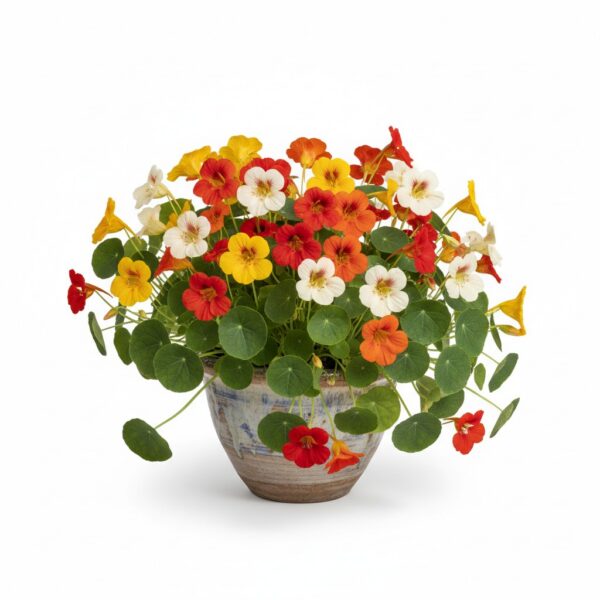
Nasturtium Tropaeolum
Tropaeolum majus
Tropaeolum majus, commonly known as nasturtium, is an annual flowering plant known for its vibrant, edible flowers and peppery-flavored leaves. It is a sprawling plant that can grow as a ground cover or climb with support. The plant features round, shield-shaped leaves and spurred flowers in shades of orange, yellow, and red. While primarily grown outdoors in gardens and containers for its ornamental value and culinary uses, it can be challenging to maintain indoors due to its high light requirements and sprawling growth habit. People grow it for its bright colors, edible parts, and ability to attract pollinators.
Quick Plant Comparison
| Feature | Gerbera Daisy | Nasturtium Tropaeolum |
|---|---|---|
| Light | Full sun to partial shade. Requires at least 6 hours of direct sunlight daily to thrive and produce abundant blooms. | Full sun to partial shade. Requires at least 6 hours of direct sunlight daily for optimal flowering. |
| Watering | Every 2-3 days outdoors in warm weather, every 7-10 days indoors depending on light and humidity. | Every 2-3 days outdoors in warm weather, less frequently in cooler conditions. Indoor watering is difficult to predict, but likely every 5-7 days if attempted. |
| Humidity | 40-60% | 40-60% |
| Temperature | 18-24°C | 15-24°C |
| Care Level | Expert | Expert |
| Growth Rate | Moderate | Fast |
| Max Height | 20-45 cm (indoors) | 0.3-1 meter (indoors, likely smaller and less vigorous) |
| Pet Safety | ❌ Toxic To Pets | ❌ Toxic To Pets |
| Soil | Well-draining potting mix, such as a mix of peat moss, perlite, and vermiculite. | Well-draining soil; a mix of potting soil, perlite, and compost is suitable. Avoid overly rich soil, as it can promote foliage growth at the expense of flowers. |
| Beginner Friendly | ❌ No | ❌ No |
| Weekly Maintenance | 15 minutes weekly | 10 minutes weekly outdoors, more if attempting indoor growth. |
🔬 Botanical Information — Comparing These Plants
Gerbera Daisy
| Scientific Name | Gerbera jamesonii |
|---|---|
| Family | Asteraceae |
| Native To | South Africa |
| Also Known As | Gerbera Daisy, Transvaal Daisy, Barberton Daisy |
| Leaves | The leaves are oblong to lance-shaped, deeply lobed or toothed, and typically 15-25 cm long. They are medium green in color and have a slightly rough texture. The leaves grow from the base of the plant. |
| Flowers | Gerbera Daisies can flower indoors with sufficient light, but it's less common than outdoors. The flowers are daisy-like with a prominent central disc and ray florets in various colors. They can bloom for several weeks. |
Nasturtium Tropaeolum
| Scientific Name | Tropaeolum majus |
|---|---|
| Family | Tropaeolaceae |
| Native To | Andes Mountains of South America (Peru, Bolivia) |
| Also Known As | Nasturtium, Garden Nasturtium, Indian Cress, Monk's Cress |
| Leaves | The leaves of nasturtiums are round and shield-shaped, with a diameter of 5-10 cm. They are typically a vibrant green color and have a slightly waxy texture. The leaves are attached to the stem in the center, giving them a unique and distinctive appearance. |
| Flowers | Nasturtiums readily flower outdoors in the right conditions. The flowers are spurred and come in shades of orange, yellow, and red. They have a delicate, peppery fragrance and are often used in salads and as garnishes. Flowering indoors is rare and requires intense supplemental lighting. |
📏 Size & Growth — Plant Comparison
Gerbera Daisy
Nasturtium Tropaeolum
🌱 Propagation — Comparing Plant Growth
Gerbera Daisy
Methods: Seed, Division
Difficulty: Moderate
Tips: For seed propagation, sow seeds in spring in a well-draining potting mix. Keep the soil moist and provide warmth. Division can be done in spring or fall by carefully separating the plant's crown into smaller sections, ensuring each section has roots.
Nasturtium Tropaeolum
Methods: Seed
Difficulty: Easy
Tips: Soak seeds in water for a few hours before planting. Sow directly into the soil or start indoors 4-6 weeks before the last frost. Keep soil moist until germination.
✨ Benefits & Features — Comparing Plant Value
Gerbera Daisy
Gerbera daisies are known for their bright, cheerful colors and large, daisy-like flowerheads. They come in a wide variety of colors and forms, making them a popular choice for cut flowers and garden plants. Their ability to produce long-lasting blooms is also a unique characteristic.
- ✓ Adds vibrant color to your home.
- ✓ Provides long-lasting cut flowers.
- ✓ Can improve mood and reduce stress.
- ✓ Offers a sense of accomplishment when successfully grown.
- ✓ Can be used to create beautiful floral arrangements.
- ⚠️ Toxic to pets
Nasturtium Tropaeolum
Nasturtiums are unique for their edible flowers and leaves, which have a distinctive peppery flavor. They also act as a natural pest repellent, making them a valuable addition to vegetable gardens. Their vibrant colors and ease of growth make them a popular choice for gardeners.
- ✓ Edible flowers and leaves provide a peppery flavor to dishes
- ✓ Attracts pollinators to the garden, supporting local ecosystems
- ✓ Acts as a natural pest repellent, reducing the need for chemical pesticides
- ✓ Adds vibrant color and visual interest to outdoor spaces
- ✓ Provides a fun and engaging gardening experience.
- ⚠️ Toxic to pets
📅 Maintenance Schedule — Plant Care Comparison
Gerbera Daisy
Nasturtium Tropaeolum
🌞 Light Requirements
Gerbera Daisy
Full sun to partial shade. Requires at least 6 hours of direct sunlight daily to thrive and produce abundant blooms.
Low light tolerant: ❌ No
Nasturtium Tropaeolum
Full sun to partial shade. Requires at least 6 hours of direct sunlight daily for optimal flowering.
Low light tolerant: ❌ No
💧 Watering Needs
Gerbera Daisy
Water thoroughly when the top inch of soil feels dry to the touch. Avoid overwatering, as this can lead to root rot. Ensure good drainage. Signs of overwatering include yellowing leaves and a soggy soil. Underwatering is indicated by wilting leaves and dry soil.
Nasturtium Tropaeolum
Water thoroughly when the top inch of soil feels dry. Avoid overwatering, which can lead to root rot. Yellowing leaves indicate overwatering; wilting leaves indicate underwatering.
🌡️ Temperature & Humidity
Gerbera Daisy
Temperature: 18-24°C
Humidity: 40-60%
Nasturtium Tropaeolum
Temperature: 15-24°C
Humidity: 40-60%
🤔 Which Plant Is Right For You?
Gerbera Daisy
Gerbera jamesoniiExperienced gardeners who can provide the necessary light and care to maintain healthy growth and flowering indoors.
✅ Choose This Plant If...
- You love bright, colorful flowers and are willing to provide ample sunlight.
- You are experienced with plant care and can manage the specific needs of Gerbera Daisies.
- You want long-lasting cut flowers from your own plant.
- You have a very sunny indoor space, such as a sunroom or greenhouse.
- You enjoy a challenge and are willing to monitor the plant closely for pests and diseases.
❌ Skip This Plant If...
- You have low-light conditions in your home.
- You are a beginner gardener and prefer low-maintenance plants.
- You have pets that might ingest the plant, as it is toxic.
Nasturtium Tropaeolum
Tropaeolum majusGardeners looking for an edible and ornamental plant to add color and interest to their outdoor spaces.
✅ Choose This Plant If...
- You want edible flowers and leaves for salads and garnishes
- You need a plant to attract pollinators to your garden
- You want a natural pest repellent for your vegetable garden
- You enjoy vibrant colors in your outdoor space
- You are an experienced gardener willing to experiment with growing a sun-loving plant indoors.
❌ Skip This Plant If...
- You have pets that might ingest the plant
- You lack a sunny location to provide adequate light
- You prefer low-maintenance indoor plants.
🎯 Quick Verdict
⚡ Key Differences Between These Plants
Gerbera Daisy has moderate growth, while Nasturtium Tropaeolum grows fast.
💡 Pro Tips For Comparing These Plants
Gerbera Daisy Care Tips
Gerbera Daisies are challenging to grow indoors due to their high light requirements. They need bright, direct sunlight and well-draining soil. Overwatering is a common problem. Regular fertilization and deadheading are necessary to encourage blooming. They are prone to pests and diseases indoors.
- Provide at least 6 hours of direct sunlight daily for optimal blooming.
- Water thoroughly but allow the soil to dry slightly between waterings to prevent root rot.
- Fertilize regularly during the growing season with a balanced liquid fertilizer.
- Deadhead spent flowers promptly to encourage new blooms.
- Monitor regularly for pests and diseases, and treat promptly if detected.
Nasturtium Tropaeolum Care Tips
Nasturtiums are easy to grow outdoors in sunny locations with well-draining soil. Indoor cultivation is challenging due to high light requirements and the plant's sprawling growth habit. Providing adequate light and avoiding overwatering are crucial for indoor success, which is rarely achieved.
- Provide at least 6 hours of direct sunlight daily for optimal flowering
- Avoid overwatering to prevent root rot
- Use a low-nitrogen fertilizer to encourage flower production
- Pinch back stems to promote bushier growth
- Collect seeds at the end of the season to replant next year.
⚠️ Common Problems & Solutions — Plant Care Comparison
Gerbera Daisy
Nasturtium Tropaeolum
❓ Frequently Asked Questions — Comparing These Plants
Gerbera Daisy
What are the light requirements for Gerbera Daisy?
Gerbera Daisies thrive in bright, indirect sunlight. They need at least 6 hours of sunlight per day to produce abundant blooms. A south- or east-facing window is ideal, but avoid direct sunlight during the hottest part of the day, as this can scorch the leaves. If natural light is insufficient, consider using grow lights to supplement their needs. Rotate the plant regularly to ensure even light exposure on all sides. Signs of insufficient light include leggy growth, pale leaves, and a lack of blooms.
How do I care for Gerbera Daisy?
Gerbera Daisies require bright, indirect light for at least 6 hours a day. Water thoroughly when the top inch of soil feels dry, ensuring good drainage to prevent root rot. Fertilize every 2-4 weeks during the growing season (spring and summer) with a balanced liquid fertilizer diluted to half strength. Maintain a temperature between 65-75°F (18-24°C). Provide moderate humidity, avoiding overly dry or overly humid conditions. Deadhead spent flowers regularly to encourage more blooms. Repot in the spring if the plant becomes root-bound, using a well-draining potting mix. Protect from frost. Prune away any dead or yellowing leaves to keep the plant healthy and attractive. Monitor for pests and diseases, addressing any issues promptly.
How do I propagate Gerbera Daisy?
Gerbera Daisies can be propagated by division. Carefully remove the plant from its pot. Gently separate the root ball into smaller clumps, ensuring each clump has healthy roots and foliage. Plant each division in a separate pot with well-draining potting mix. Water thoroughly and keep in a bright, indirect light location. Stem cuttings are less reliable. Keiki production is not typical for Gerbera Daisies. Ensure the divided plants are kept consistently moist, but not waterlogged, until they establish new growth. Fertilize lightly after a few weeks.
Nasturtium Tropaeolum
What are the light requirements for Nasturtium Tropaeolum?
Nasturtium Tropaeolum thrives in full sun, which translates to at least 6 hours of direct sunlight per day. In hotter climates, provide some afternoon shade to prevent scorching of the leaves and flowers. Insufficient light can lead to leggy growth and reduced blooming.
How do I care for Nasturtium Tropaeolum?
Nasturtium Tropaeolum thrives in well-draining soil and prefers full sun to partial shade. Water regularly, allowing the soil to dry slightly between waterings. Avoid overwatering, which can lead to root rot. Fertilize sparingly, as excessive fertilization can promote leaf growth at the expense of flowers.
How do I propagate Nasturtium Tropaeolum?
Nasturtium Tropaeolum is most commonly propagated by seed. Sow seeds directly into the garden in spring after the last frost or start them indoors 4-6 weeks prior. Soak the seeds in water overnight before planting to improve germination.
Last updated: April 29, 2026 — Plant care data reviewed and verified by our editorial team.