
Garlic Chives vs Mullein Plant Comparison
Compare these two plants side by side — care needs, key differences, and which is right for your home.
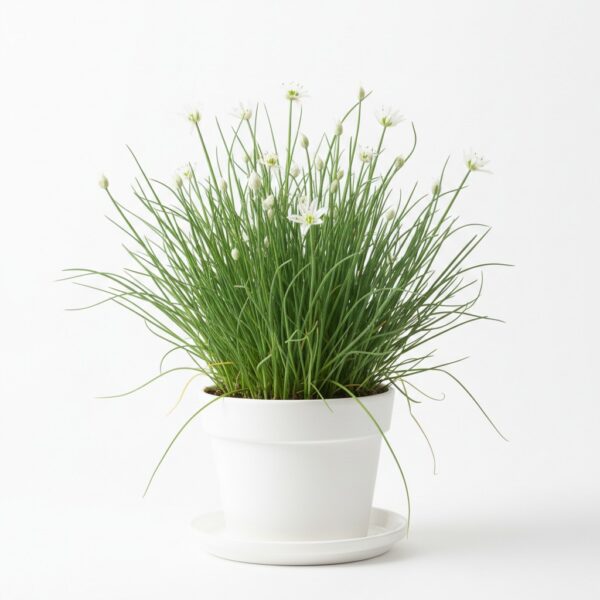
Garlic Chives
Allium tuberosum
Garlic chives are a perennial herb characterized by flat, grass-like leaves that emit a distinct garlic aroma when crushed. They grow in clumps, reaching a height of about 12-24 inches. The plant produces clusters of small, white, star-shaped flowers on stalks in late summer. While primarily grown outdoors in herb gardens for culinary use, they can be cultivated indoors with sufficient light. People grow them for their edible leaves and flowers, which add a mild garlic flavor to dishes.

Mullein
Verbascum thapsus
Great Mullein is a biennial plant characterized by a rosette of large, velvety, gray-green leaves in its first year. In the second year, it sends up a tall, erect flower stalk that can reach up to 2 meters in height. This stalk is densely covered with small, yellow flowers that bloom sequentially from the bottom upwards. It's primarily an outdoor plant, grown for its striking architectural form and traditional medicinal uses. Indoor cultivation is extremely challenging due to its need for intense sunlight and space.
Quick Plant Comparison
| Feature | Garlic Chives | Mullein |
|---|---|---|
| Light | Full sun to partial shade. Requires at least 6 hours of direct sunlight daily for optimal growth and flowering. | Full sun (at least 6-8 hours of direct sunlight daily) |
| Watering | Every 5-7 days during the growing season, less frequently in winter. | Every 2-4 weeks, depending on weather and soil drainage |
| Humidity | 40-60% | 30-50% |
| Temperature | 15-27°C | 10-30°C |
| Care Level | Expert | Expert |
| Growth Rate | Moderate | Moderate To Fast |
| Max Height | 30-60 cm (12-24 inches) | 1-2 meters (outdoor) |
| Pet Safety | ❌ Toxic To Pets | ❌ Toxic To Pets |
| Soil | Well-draining, fertile soil. A mix of potting soil, compost, and perlite is suitable. | Well-draining, sandy or gravelly soil. Mullein tolerates poor soil conditions. |
| Beginner Friendly | With Caution | ❌ No |
| Weekly Maintenance | 5-10 minutes weekly | 5 minutes weekly (weeding, deadheading) |
🔬 Botanical Information — Comparing These Plants
Garlic Chives
| Scientific Name | Allium tuberosum |
|---|---|
| Family | Amaryllidaceae |
| Native To | Northeastern China, Siberia, and Northern India |
| Also Known As | Garlic chives, Chinese chives, Oriental garlic, Asian chives |
| Leaves | Flat, linear, grass-like leaves, typically 12-18 inches long and about 1/4 inch wide. They are green in color and have a smooth texture. When crushed, they release a distinct garlic aroma. |
| Flowers | Produces clusters of small, white, star-shaped flowers on stalks in late summer. Flowering is less likely indoors. |
Mullein
| Scientific Name | Verbascum thapsus |
|---|---|
| Family | Scrophulariaceae |
| Native To | Europe, Asia, North Africa; naturalized in the Americas and Australia |
| Also Known As | Great Mullein, Common Mullein, Woolly Mullein, Aaron's Rod |
| Leaves | The leaves of Mullein are large, oblong to lance-shaped, and covered in dense, woolly hairs, giving them a soft, velvety texture and a gray-green color. The basal leaves can be up to 30 cm long, while the stem leaves are smaller and alternate along the flower stalk. |
| Flowers | Mullein produces numerous small, yellow flowers that are densely packed along the upper portion of the flower stalk. The flowers bloom sequentially from the bottom upwards over a long period in summer. |
📏 Size & Growth — Plant Comparison
Garlic Chives
Mullein
🌱 Propagation — Comparing Plant Growth
Garlic Chives
Methods: Division, Seed
Difficulty: Easy
Tips: For division, separate clumps in spring or fall. For seeds, sow indoors 6-8 weeks before the last frost or directly outdoors after the last frost.
Mullein
Methods: Seed
Difficulty: Easy
Tips: Sow seeds directly into the ground in spring or fall. Mullein seeds require light to germinate, so do not bury them deeply. Keep the soil moist until germination occurs.
✨ Benefits & Features — Comparing Plant Value
Garlic Chives
Garlic chives have a distinct garlic flavor, unlike regular chives which have an onion flavor. They also produce edible white flowers, making them both ornamental and useful.
- ✓ Provides fresh herbs for cooking.
- ✓ Attracts pollinators to the garden.
- ✓ Deer-resistant.
- ✓ Adds visual interest with its flowers.
- ✓ Relatively low maintenance.
- ⚠️ Toxic to pets
Mullein
Mullein's velvety leaves and tall flower stalk make it a striking addition to any garden. Its drought tolerance and ability to thrive in poor soil make it a low-maintenance choice for challenging locations.
- ✓ Attracts pollinators
- ✓ Drought-tolerant
- ✓ Unique architectural form
- ✓ Traditional medicinal uses
- ✓ Low maintenance
- ⚠️ Toxic to pets
📅 Maintenance Schedule — Plant Care Comparison
Garlic Chives
Mullein
🌞 Light Requirements
Garlic Chives
Full sun to partial shade. Requires at least 6 hours of direct sunlight daily for optimal growth and flowering.
Low light tolerant: ❌ No
Mullein
Full sun (at least 6-8 hours of direct sunlight daily)
Low light tolerant: ❌ No
💧 Watering Needs
Garlic Chives
Water thoroughly when the top inch of soil feels dry. Avoid overwatering, which can lead to root rot. Signs of overwatering include yellowing leaves and a musty smell. Underwatered plants will have drooping, dry leaves.
Mullein
Water deeply when the soil is dry to the touch. Mullein is drought-tolerant once established. Overwatering can lead to root rot. Allow the soil to dry out completely between waterings. Signs of underwatering include wilting and drooping leaves; overwatering presents as yellowing leaves and a soggy soil.
🌡️ Temperature & Humidity
Garlic Chives
Temperature: 15-27°C
Humidity: 40-60%
Mullein
Temperature: 10-30°C
Humidity: 30-50%
🤔 Which Plant Is Right For You?
Garlic Chives
Allium tuberosumGardeners who want a flavorful and attractive herb for culinary use, but who do not have pets that might ingest it.
✅ Choose This Plant If...
- You want an easy-to-grow herb for your garden.
- You enjoy the mild garlic flavor in your cooking.
- You want to attract pollinators to your garden.
- You need a deer-resistant plant.
- You enjoy the aesthetic of the white, star-shaped flowers.
❌ Skip This Plant If...
- You have pets that might ingest it.
- You don't have a sunny location for it to thrive indoors.
- You don't want a plant that spreads via rhizomes.
Mullein
Verbascum thapsusGardeners looking for a striking, drought-tolerant plant for a sunny location.
✅ Choose This Plant If...
- You want a drought-tolerant plant for a sunny garden.
- You are interested in traditional medicinal herbs.
- You want to attract pollinators to your garden.
- You appreciate plants with a unique architectural form.
- You have poor soil conditions that other plants struggle in.
❌ Skip This Plant If...
- You have limited sunlight available.
- You are looking for an easy-to-grow indoor plant.
- You have pets that might ingest the plant.
🎯 Quick Verdict
⚡ Key Differences Between These Plants
Garlic Chives has moderate growth, while Mullein grows moderate to fast.
💡 Pro Tips For Comparing These Plants
Garlic Chives Care Tips
Garlic chives are relatively easy to grow outdoors but require significant sunlight to thrive indoors. Without sufficient light, they become leggy and produce fewer leaves. Regular watering and fertilization are necessary. Be aware of their toxicity to pets.
- Provide at least 6 hours of direct sunlight daily for optimal growth.
- Water thoroughly when the top inch of soil feels dry.
- Fertilize regularly during the growing season.
- Divide clumps every 1-2 years to prevent overcrowding.
- Harvest leaves frequently to encourage new growth.
Mullein Care Tips
Mullein is an outdoor plant that is extremely difficult to grow indoors due to its high light requirements and large size. It needs full sun and well-draining soil. Indoor cultivation is generally not recommended. It is toxic to pets if ingested.
- Provide full sun for optimal growth.
- Ensure well-draining soil to prevent root rot.
- Avoid overwatering, especially in winter.
- Deadhead spent flowers to encourage continued blooming.
- Protect young plants from frost in their first winter.
⚠️ Common Problems & Solutions — Plant Care Comparison
Garlic Chives
Mullein
❓ Frequently Asked Questions — Comparing These Plants
Garlic Chives
What are the light requirements for Garlic Chives?
Garlic Chives thrive in bright, direct sunlight. Aim for at least 6 hours of direct sunlight per day for optimal growth and flowering. If growing indoors, place your Garlic Chives near a south-facing window where they can receive ample sunlight. If natural light is insufficient, supplement with grow lights. LED grow lights are an excellent choice, as they provide the necessary spectrum of light without generating excessive heat.
How do I care for Garlic Chives?
Garlic Chives are relatively easy to care for, making them a great choice for beginner gardeners. Provide them with at least 6 hours of direct sunlight per day, or supplement with grow lights if indoors. Water thoroughly when the top inch of soil feels dry, ensuring good drainage to prevent root rot. Fertilize regularly during the growing season (spring and summer) with a balanced liquid fertilizer or a fertilizer specifically formulated for flowering plants, according to package directions.
How do I propagate Garlic Chives?
Garlic Chives can be easily propagated by division. In early spring or fall, carefully dig up the plant and separate the clumps of bulbs. Replant the divided clumps in fresh, well-draining soil. Keep the soil moist until the plants are established.
Mullein
What are the light requirements for Mullein?
Mullein thrives in full sun, requiring at least six to eight hours of direct sunlight per day. Insufficient light can result in leggy growth, reduced flowering, and overall weaker plants. When planting Mullein, choose a location that receives unobstructed sunlight throughout the day. South-facing gardens or open fields are ideal. If growing Mullein indoors, place it near a sunny window or supplement with grow lights. Rotate the plant regularly to ensure even light exposure. Monitor the plant for signs of inadequate light, such as stretching towards the light source or pale foliage. Adjust the plant’s position or supplement with artificial lighting as needed to provide the necessary sunlight for healthy growth and abundant flowering.
How do I care for Mullein?
Mullein is generally easy to care for, but specific conditions will encourage optimal growth and flowering. Plant Mullein in well-draining soil, preferably sandy or gravelly, in a location that receives at least six hours of sunlight daily. Water deeply but infrequently, allowing the soil to dry out between waterings. Avoid overwatering, as this can lead to root rot. Fertilize sparingly, if at all, as Mullein thrives in nutrient-poor soil. Deadhead spent flowers to encourage additional blooming. In colder climates, provide winter protection by mulching around the base of the plant. Be mindful of self-seeding, as Mullein can spread readily. Monitor for pests and diseases, although Mullein is generally resistant. Prune back the flower stalk after blooming to maintain a tidy appearance. Ensure good air circulation to prevent fungal issues.
How do I propagate Mullein?
Mullein is most easily propagated by seed. Collect seeds from dried flower stalks in the fall. Direct sow seeds in the spring after the last frost, or start indoors 6-8 weeks before the last frost. Surface sow the seeds as they need light to germinate. Keep the soil moist but not waterlogged. Seedlings should emerge in 14-21 days. Thin seedlings to allow adequate spacing. Mullein can also be propagated by root cuttings in the spring or fall. Dig up a small section of root and replant it in well-draining soil. Keep the soil moist until new growth appears. Division of offsets is possible, but less common. Stem cuttings are not an effective method for Mullein.
Last updated: May 16, 2026 — Plant care data reviewed and verified by our editorial team.