
Garlic Chives vs Japanese Kerria Plant Comparison
Compare these two plants side by side — care needs, key differences, and which is right for your home.
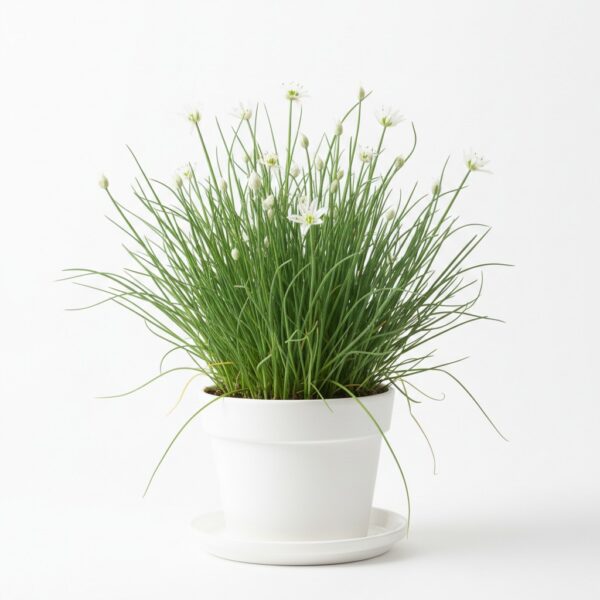
Garlic Chives
Allium tuberosum
Garlic chives are a perennial herb characterized by flat, grass-like leaves that emit a distinct garlic aroma when crushed. They grow in clumps, reaching a height of about 12-24 inches. The plant produces clusters of small, white, star-shaped flowers on stalks in late summer. While primarily grown outdoors in herb gardens for culinary use, they can be cultivated indoors with sufficient light. People grow them for their edible leaves and flowers, which add a mild garlic flavor to dishes.

Japanese Kerria
Kerria japonica
Kerria japonica is a deciduous shrub known for its vibrant yellow flowers in spring. It typically grows to a height of 1-3 meters. The plant features slender, arching green stems that often turn yellowish-green in winter. Its leaves are alternate, simple, lance-shaped, and sharply toothed. While primarily an outdoor plant, it is grown for its ornamental value, adding a splash of color to gardens and landscapes. It is not naturally suited to indoor environments due to its high light requirements and dormancy needs.
Quick Plant Comparison
| Feature | Garlic Chives | Japanese Kerria |
|---|---|---|
| Light | Full sun to partial shade. Requires at least 6 hours of direct sunlight daily for optimal growth and flowering. | Full sun to partial shade |
| Watering | Every 5-7 days during the growing season, less frequently in winter. | Every 7-10 days during the growing season, less frequently in winter. |
| Humidity | 40-60% | 30-50% |
| Temperature | 15-27°C | 10-24°C |
| Care Level | Expert | Expert |
| Growth Rate | Moderate | Moderate To Fast, Can Be An Aggressive Spreader Via Rhizomes. |
| Max Height | 30-60 cm (12-24 inches) | Not applicable indoors; outdoors 1-3 meters. |
| Pet Safety | ❌ Toxic To Pets | ❌ Toxic To Pets |
| Soil | Well-draining, fertile soil. A mix of potting soil, compost, and perlite is suitable. | Well-draining soil, such as a mix of loam, sand, and compost. |
| Beginner Friendly | With Caution | ❌ No |
| Weekly Maintenance | 5-10 minutes weekly | 30 minutes weekly (outdoor) |
🔬 Botanical Information — Comparing These Plants
Garlic Chives
| Scientific Name | Allium tuberosum |
|---|---|
| Family | Amaryllidaceae |
| Native To | Northeastern China, Siberia, and Northern India |
| Also Known As | Garlic chives, Chinese chives, Oriental garlic, Asian chives |
| Leaves | Flat, linear, grass-like leaves, typically 12-18 inches long and about 1/4 inch wide. They are green in color and have a smooth texture. When crushed, they release a distinct garlic aroma. |
| Flowers | Produces clusters of small, white, star-shaped flowers on stalks in late summer. Flowering is less likely indoors. |
Japanese Kerria
| Scientific Name | Kerria japonica |
|---|---|
| Family | Rosaceae |
| Native To | China, Japan, Korea |
| Also Known As | Japanese Kerria, Japanese Rose |
| Leaves | The leaves are alternate, simple, lance-shaped, and sharply toothed. They are typically bright green in spring and summer, turning yellow in the fall before dropping. |
| Flowers | Rarely flowers indoors. Outdoors, it produces bright yellow, pom-pom-like flowers in spring. The flowers are typically 2-4 cm in diameter. |
📏 Size & Growth — Plant Comparison
Garlic Chives
Japanese Kerria
🌱 Propagation — Comparing Plant Growth
Garlic Chives
Methods: Division, Seed
Difficulty: Easy
Tips: For division, separate clumps in spring or fall. For seeds, sow indoors 6-8 weeks before the last frost or directly outdoors after the last frost.
Japanese Kerria
Methods: Stem cuttings, Division, Seed
Difficulty: Easy
Tips: Take semi-hardwood cuttings in late spring or early summer. Root in moist soil or water. Division of rhizomes can be done in early spring or fall.
✨ Benefits & Features — Comparing Plant Value
Garlic Chives
Garlic chives have a distinct garlic flavor, unlike regular chives which have an onion flavor. They also produce edible white flowers, making them both ornamental and useful.
- ✓ Provides fresh herbs for cooking.
- ✓ Attracts pollinators to the garden.
- ✓ Deer-resistant.
- ✓ Adds visual interest with its flowers.
- ✓ Relatively low maintenance.
- ⚠️ Toxic to pets
Japanese Kerria
Kerria japonica is unique for its bright yellow, pom-pom-like flowers and its attractive green stems that provide winter interest. The double-flowered variety 'Pleniflora' is particularly showy.
- ✓ Provides vibrant spring color
- ✓ Attracts pollinators
- ✓ Relatively low maintenance
- ✓ Adds winter interest with green stems
- ✓ Can be used for erosion control on slopes
- ⚠️ Toxic to pets
📅 Maintenance Schedule — Plant Care Comparison
Garlic Chives
Japanese Kerria
🌞 Light Requirements
Garlic Chives
Full sun to partial shade. Requires at least 6 hours of direct sunlight daily for optimal growth and flowering.
Low light tolerant: ❌ No
Japanese Kerria
Full sun to partial shade
Low light tolerant: ❌ No
💧 Watering Needs
Garlic Chives
Water thoroughly when the top inch of soil feels dry. Avoid overwatering, which can lead to root rot. Signs of overwatering include yellowing leaves and a musty smell. Underwatered plants will have drooping, dry leaves.
Japanese Kerria
Water deeply when the top inch of soil feels dry. Avoid overwatering, which can lead to root rot. Reduce watering in winter during dormancy. Signs of underwatering include wilting leaves; overwatering includes yellowing leaves and soggy soil.
🌡️ Temperature & Humidity
Garlic Chives
Temperature: 15-27°C
Humidity: 40-60%
Japanese Kerria
Temperature: 10-24°C
Humidity: 30-50%
🤔 Which Plant Is Right For You?
Garlic Chives
Allium tuberosumGardeners who want a flavorful and attractive herb for culinary use, but who do not have pets that might ingest it.
✅ Choose This Plant If...
- You want an easy-to-grow herb for your garden.
- You enjoy the mild garlic flavor in your cooking.
- You want to attract pollinators to your garden.
- You need a deer-resistant plant.
- You enjoy the aesthetic of the white, star-shaped flowers.
❌ Skip This Plant If...
- You have pets that might ingest it.
- You don't have a sunny location for it to thrive indoors.
- You don't want a plant that spreads via rhizomes.
Japanese Kerria
Kerria japonicaGardeners looking for a vibrant, low-maintenance shrub for their landscape.
✅ Choose This Plant If...
- You want a vibrant yellow flowering shrub for your garden
- You need a plant that tolerates partial shade
- You want a relatively low-maintenance shrub
- You appreciate the plant's winter stem color
- You want a plant that attracts pollinators.
❌ Skip This Plant If...
- You have pets that might ingest it
- You want an easy indoor plant
- You don't have a garden or outdoor space
🎯 Quick Verdict
⚡ Key Differences Between These Plants
Garlic Chives has moderate growth, while Japanese Kerria grows moderate to fast, can be an aggressive spreader via rhizomes..
💡 Pro Tips For Comparing These Plants
Garlic Chives Care Tips
Garlic chives are relatively easy to grow outdoors but require significant sunlight to thrive indoors. Without sufficient light, they become leggy and produce fewer leaves. Regular watering and fertilization are necessary. Be aware of their toxicity to pets.
- Provide at least 6 hours of direct sunlight daily for optimal growth.
- Water thoroughly when the top inch of soil feels dry.
- Fertilize regularly during the growing season.
- Divide clumps every 1-2 years to prevent overcrowding.
- Harvest leaves frequently to encourage new growth.
Japanese Kerria Care Tips
Japanese Kerria is primarily an outdoor shrub and is challenging to grow indoors. It requires very bright light, a cool dormant period, and careful watering to prevent root rot. Due to its size and growth habit, it is not well-suited for indoor cultivation.
- Prune immediately after flowering to encourage new growth
- Provide well-draining soil to prevent root rot
- Fertilize in early spring with a balanced fertilizer
- Monitor for pests and diseases regularly
- Provide a cool dormant period in winter for optimal flowering the following spring
⚠️ Common Problems & Solutions — Plant Care Comparison
Garlic Chives
Japanese Kerria
❓ Frequently Asked Questions — Comparing These Plants
Garlic Chives
What are the light requirements for Garlic Chives?
Garlic Chives thrive in bright, direct sunlight. Aim for at least 6 hours of direct sunlight per day for optimal growth and flowering. If growing indoors, place your Garlic Chives near a south-facing window where they can receive ample sunlight. If natural light is insufficient, supplement with grow lights. LED grow lights are an excellent choice, as they provide the necessary spectrum of light without generating excessive heat.
How do I care for Garlic Chives?
Garlic Chives are relatively easy to care for, making them a great choice for beginner gardeners. Provide them with at least 6 hours of direct sunlight per day, or supplement with grow lights if indoors. Water thoroughly when the top inch of soil feels dry, ensuring good drainage to prevent root rot. Fertilize regularly during the growing season (spring and summer) with a balanced liquid fertilizer or a fertilizer specifically formulated for flowering plants, according to package directions.
How do I propagate Garlic Chives?
Garlic Chives can be easily propagated by division. In early spring or fall, carefully dig up the plant and separate the clumps of bulbs. Replant the divided clumps in fresh, well-draining soil. Keep the soil moist until the plants are established.
Japanese Kerria
What are the light requirements for Japanese Kerria?
Japanese Kerria thrives best in partial shade, receiving about 4-6 hours of indirect sunlight each day. While it can tolerate full sun, especially in cooler climates, excessive direct sunlight can scorch the leaves, particularly in hot summer months. Eastern or northern exposures are ideal. When grown indoors, place the plant near a bright window, but shield it from intense afternoon sun. Insufficient light can result in fewer blooms and leggy growth. Rotate the plant regularly to ensure even light exposure on all sides. Monitor the leaves for signs of sun stress, such as browning or scorching, and adjust the plant’s location accordingly.
How do I care for Japanese Kerria?
Japanese Kerria thrives in partial shade to full sun, with partial shade being ideal to prevent leaf scorch. Water regularly, especially during dry periods, keeping the soil consistently moist but not waterlogged. Fertilize in early spring with a balanced fertilizer to promote healthy growth and abundant blooms. Prune after flowering to maintain shape and remove any dead or damaged wood. Kerria prefers well-draining soil that is rich in organic matter. Mulch around the base of the plant to help retain moisture and suppress weeds. Monitor for pests such as aphids and scale, and treat as needed. Provide good air circulation to prevent fungal diseases. Protect young plants from frost in colder climates. Repot container-grown plants every 2-3 years.
How do I propagate Japanese Kerria?
Japanese Kerria can be propagated through several methods. Stem cuttings are a popular choice. Take semi-hardwood cuttings in late spring or early summer. Dip the cut end in rooting hormone and plant in a well-draining potting mix. Keep the cuttings moist and in a humid environment until roots develop. Division is another effective method. In early spring or fall, carefully dig up the plant and divide the root ball into separate sections. Replant each section in a new location. Kerria does not produce keiki. Both methods are relatively easy, making it simple to expand your collection or share with friends. Ensure proper watering and fertilization for successful establishment.
Last updated: May 2, 2026 — Plant care data reviewed and verified by our editorial team.