
Gardenia vs Poinsettia Plant Comparison
Compare these two plants side by side — care needs, key differences, and which is right for your home.
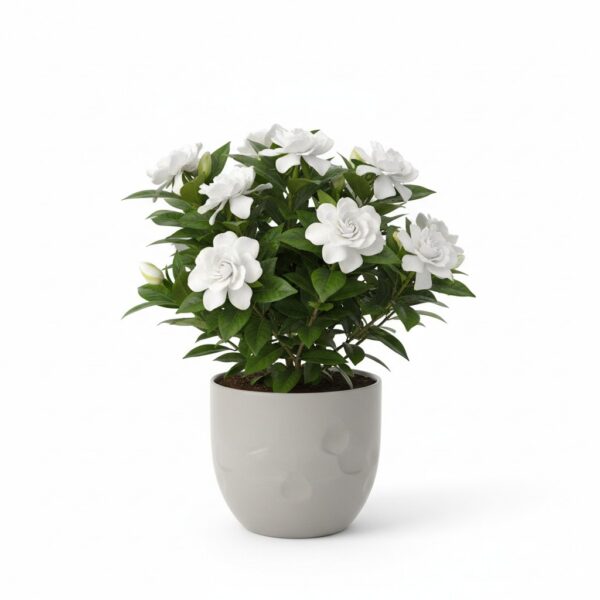
Gardenia
Gardenia jasminoides
Gardenia jasminoides is an evergreen shrub known for its highly fragrant, creamy white flowers and glossy, dark green leaves. It typically grows to a height of 2-8 feet outdoors, but remains smaller when grown in containers. Gardenias are popular for their ornamental value and the intense fragrance of their blooms, often used in perfumes and floral arrangements. They are challenging to grow indoors due to their specific environmental requirements, primarily high humidity and bright light.

Poinsettia
Euphorbia pulcherrima
Poinsettia is a shrub or small tree, typically grown for its colorful bracts (modified leaves) that surround the small, inconspicuous flowers. These bracts are most commonly red but can also be pink, white, or variegated. In its native habitat, it can reach heights of 10-15 feet. While often grown indoors as a decorative plant during the holiday season, it's naturally an outdoor plant that requires specific conditions to thrive indoors long-term. Its popularity stems from its vibrant colors during the winter months.
Quick Plant Comparison
| Feature | Gardenia | Poinsettia |
|---|---|---|
| Light | Bright, indirect light is essential. Direct sunlight can scorch the leaves, while insufficient light will inhibit flowering. | Bright, indirect light for most of the year. During the short-day period (October-November) needed for bract color development, it requires 12-14 hours of complete darkness each night. |
| Watering | Every 5-7 days, depending on environmental conditions and pot size. | Every 7-10 days, adjusting for environmental conditions and pot size. |
| Humidity | 60-80% | 40-60% |
| Temperature | 18-21°C | 18-24°C |
| Care Level | Expert | Expert |
| Growth Rate | Slow | Moderate |
| Max Height | 1-3 feet (indoors) | 0.3-1 meter (indoors in a pot) |
| Pet Safety | ❌ Toxic To Pets | ❌ Toxic To Pets |
| Soil | Acidic, well-draining soil mix. A blend of peat moss, perlite, and sand is suitable. | Well-draining potting mix with good aeration. A mix of peat moss, perlite, and vermiculite is suitable. |
| Beginner Friendly | ❌ No | ❌ No |
| Weekly Maintenance | 30 minutes weekly | 30 minutes weekly during active growth, less during dormancy. |
🔬 Botanical Information — Comparing These Plants
Gardenia
| Scientific Name | Gardenia jasminoides |
|---|---|
| Family | Rubiaceae |
| Native To | Asia (China, Japan, Taiwan, India, Vietnam) |
| Also Known As | Gardenia, Cape Jasmine |
| Leaves | The leaves are opposite, simple, and elliptical to lanceolate in shape. They are typically 2-4 inches long and 1-2 inches wide. The leaves are a glossy, dark green color with a smooth texture and prominent veins. |
| Flowers | Gardenias can flower indoors if provided with the right conditions. The flowers are typically 2-4 inches in diameter and have a creamy white color. They are highly fragrant and have a waxy texture. Flowering typically occurs in spring and summer. |
Poinsettia
| Scientific Name | Euphorbia pulcherrima |
|---|---|
| Family | Euphorbiaceae |
| Native To | Southern Mexico and Guatemala |
| Also Known As | Poinsettia, Christmas Star, Mexican Flameleaf |
| Leaves | The leaves are ovate to lanceolate in shape, typically 7-20 cm long. They are dark green and have slightly serrated edges. The bracts, which are modified leaves, come in various colors, including red, pink, white, and variegated patterns. |
| Flowers | Poinsettias rarely flower indoors in the traditional sense. The small, yellow structures in the center of the bracts are the actual flowers. They are not particularly showy. |
📏 Size & Growth — Plant Comparison
Gardenia
Poinsettia
🌱 Propagation — Comparing Plant Growth
Gardenia
Methods: Stem cuttings
Difficulty: Moderate
Tips: Take 4-6 inch stem cuttings from new growth in spring or early summer. Dip the cut end in rooting hormone and plant in a well-draining potting mix. Maintain high humidity by covering the cutting with a plastic bag or humidity dome. Keep the soil consistently moist and provide bright, indirect light.
Poinsettia
Methods: Stem cuttings
Difficulty: Moderate
Tips: Take stem cuttings in spring or early summer. Dip the cut end in rooting hormone and plant in moist potting mix. Maintain high humidity and warmth.
✨ Benefits & Features — Comparing Plant Value
Gardenia
The intense fragrance of the flowers is its most distinguishing characteristic. Gardenias are also known for their glossy, dark green leaves, which provide a beautiful contrast to the white blooms. They are considered a symbol of purity, love, and refinement.
- ✓ Beautiful, fragrant flowers enhance mood and reduce stress.
- ✓ Adds a touch of elegance to any space.
- ✓ Can be used in floral arrangements and perfumes.
- ✓ Provides a sense of accomplishment when successfully grown.
- ✓ Offers a connection to nature and a calming presence.
- ⚠️ Toxic to pets
Poinsettia
Poinsettias are known for their colorful bracts, which are often mistaken for flowers. The true flowers are small and inconspicuous, located in the center of the bracts. The plant's ability to change color in response to day length is also unique.
- ✓ Provides vibrant color during the winter months.
- ✓ Can be a rewarding challenge for experienced plant owners.
- ✓ Adds a festive touch to holiday decor.
- ✓ Can be propagated to create new plants.
- ✓ Offers a connection to nature during the colder months.
- ⚠️ Toxic to pets
📅 Maintenance Schedule — Plant Care Comparison
Gardenia
Poinsettia
🌞 Light Requirements
Gardenia
Bright, indirect light is essential. Direct sunlight can scorch the leaves, while insufficient light will inhibit flowering.
Low light tolerant: ❌ No
Poinsettia
Bright, indirect light for most of the year. During the short-day period (October-November) needed for bract color development, it requires 12-14 hours of complete darkness each night.
Low light tolerant: ❌ No
💧 Watering Needs
Gardenia
Water thoroughly when the top inch of soil feels dry to the touch. Avoid overwatering, as soggy soil can lead to root rot. Use room-temperature, distilled, or rainwater to avoid mineral buildup in the soil. Yellowing leaves can indicate overwatering, while wilting can indicate underwatering.
Poinsettia
Water thoroughly when the top inch of soil is dry. Avoid overwatering, which can lead to root rot. Signs of overwatering include yellowing leaves and a soggy soil. Underwatering can cause wilting and leaf drop.
🌡️ Temperature & Humidity
Gardenia
Temperature: 18-21°C
Humidity: 60-80%
Poinsettia
Temperature: 18-24°C
Humidity: 40-60%
🤔 Which Plant Is Right For You?
Gardenia
Gardenia jasminoidesExperienced plant enthusiasts who are willing to provide the specific environmental conditions required for healthy growth and flowering.
✅ Choose This Plant If...
- You adore intensely fragrant flowers and are willing to provide the necessary care.
- You have a bright, humid environment suitable for gardenias.
- You enjoy a challenge and are dedicated to providing optimal conditions.
- You want a beautiful, classic plant with a rich history.
- You are looking for a plant whose flowers can be used in perfumes or floral arrangements.
❌ Skip This Plant If...
- You are a beginner plant owner.
- You cannot provide high humidity or bright, indirect light.
- You have pets that may ingest the plant.
Poinsettia
Euphorbia pulcherrimaExperienced plant enthusiasts who are willing to provide the specific light and temperature conditions needed for reblooming.
✅ Choose This Plant If...
- You love a challenge and enjoy providing specific care for plants.
- You want a plant that provides vibrant color during the holiday season.
- You have a location that can provide both bright indirect light and complete darkness for extended periods.
- You are experienced with managing plant pests and diseases.
- You enjoy the process of encouraging a plant to rebloom.
❌ Skip This Plant If...
- You are a beginner plant owner.
- You have pets that may ingest the plant.
- You cannot provide the specific light and temperature conditions required for reblooming.
🎯 Quick Verdict
⚡ Key Differences Between These Plants
Gardenia has slow growth, while Poinsettia grows moderate.
💡 Pro Tips For Comparing These Plants
Gardenia Care Tips
Gardenias are notoriously difficult to grow indoors due to their high humidity, specific temperature, and light requirements. They are prone to bud drop if conditions are not ideal. Consistent care and attention are crucial for success.
- Use distilled or rainwater to avoid mineral buildup in the soil.
- Maintain high humidity by using a humidifier or placing the plant on a pebble tray.
- Provide bright, indirect light to encourage flowering.
- Fertilize regularly during the growing season with an acid-forming fertilizer.
- Monitor for pests and treat promptly to prevent infestations.
Poinsettia Care Tips
Poinsettias are challenging to maintain indoors long-term due to their specific light and temperature requirements for bract color development. They require bright light, careful watering, and a period of complete darkness to rebloom. Success requires dedication and attention to detail.
- To encourage reblooming, provide 12-14 hours of complete darkness each night for 8-10 weeks starting in early October.
- Avoid overwatering to prevent root rot.
- Maintain consistent temperatures and avoid drafts.
- Fertilize regularly during the growing season.
- Prune back stems in early spring to encourage bushier growth.
⚠️ Common Problems & Solutions — Plant Care Comparison
Gardenia
Poinsettia
❓ Frequently Asked Questions — Comparing These Plants
Gardenia
What are the light requirements for Gardenia?
Gardenias need bright, indirect light to thrive and bloom profusely. Direct sunlight can scorch their leaves, while insufficient light can lead to weak growth and a lack of flowers. An east-facing window is ideal, providing gentle morning sun. A south-facing window can also work, but be sure to filter the light with a sheer curtain.
How do I care for Gardenia?
Gardenias require bright, indirect light, preferably near an east- or south-facing window. Maintain consistently moist, well-draining acidic soil with a pH between 5.0 and 6.0. Water when the top inch of soil feels dry, using rainwater or distilled water to avoid tap water’s alkalinity.
How do I propagate Gardenia?
Gardenias can be propagated through stem cuttings. Take a 4-6 inch cutting from a healthy stem in spring or early summer. Remove the lower leaves and dip the cut end in rooting hormone. Plant the cutting in a pot filled with a well-draining potting mix. Cover the pot with a plastic bag or humidity dome to create a humid environment. Place the pot in a warm, bright location, but out of direct sunlight. Keep the soil consistently moist. Roots should develop within 6-8 weeks. Once rooted, transplant the cutting into a larger pot. Division is not typically used for gardenias. Keiki propagation is not applicable to gardenias.
Poinsettia
What are the light requirements for Poinsettia?
Poinsettias thrive in bright, indirect light. Direct sunlight can scorch their bracts and leaves, so avoid placing them in south-facing windows during the hottest part of the day. An east- or west-facing window that receives several hours of indirect sunlight is ideal. If natural light is insufficient, consider using a grow light to supplement. Rotating the plant regularly will ensure even growth and prevent it from leaning towards the light source. Insufficient light can lead to leggy growth and a lack of vibrant bract color. Remember, proper light is crucial for the plant’s overall health and its ability to produce those stunning, colorful bracts.
How do I care for Poinsettia?
To keep your Poinsettia thriving, provide bright, indirect light. Water thoroughly when the top inch of soil feels dry, ensuring good drainage to prevent root rot. Maintain a temperature between 65-75°F (18-24°C) and avoid drafts. Fertilize monthly during the growing season (spring and summer) with a balanced liquid fertilizer diluted to half strength. After the holidays, cut back the plant and allow it to rest. To encourage reblooming, provide 14 hours of complete darkness each day from late September to late November. Reduce watering during the dormant period. Repot in spring if necessary using a well-draining potting mix. Monitor for pests like mealybugs and treat promptly.
How do I propagate Poinsettia?
Poinsettias can be propagated through stem cuttings. Take 4-6 inch cuttings in spring after pruning. Remove the lower leaves and dip the cut end in rooting hormone. Plant the cuttings in a well-draining potting mix and keep them moist and warm. Cover with a plastic bag to increase humidity. Rooting should occur in a few weeks. Division is not a common method for Poinsettias due to their growth habit. Keiki propagation is not applicable to Poinsettias as they do not produce keikis. Ensure the cuttings receive bright, indirect light and maintain consistent moisture until roots develop.
Last updated: May 3, 2026 — Plant care data reviewed and verified by our editorial team.