
Gardenia vs Pearl Bush Plant Comparison
Compare these two plants side by side — care needs, key differences, and which is right for your home.
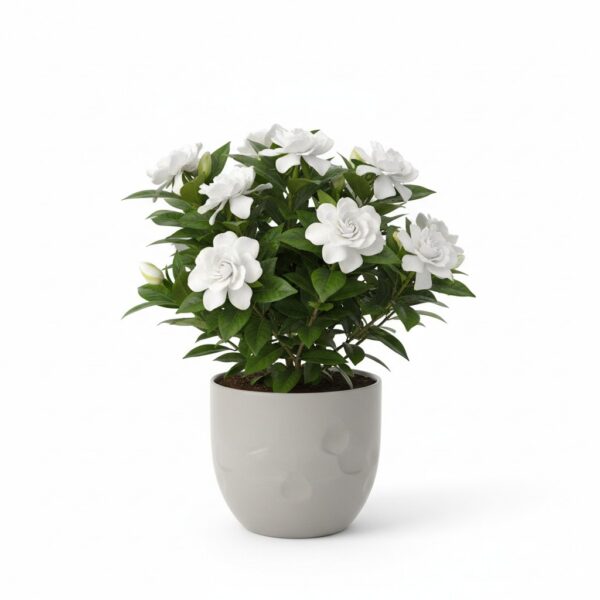
Gardenia
Gardenia jasminoides
Gardenia jasminoides is an evergreen shrub known for its highly fragrant, creamy white flowers and glossy, dark green leaves. It typically grows to a height of 2-8 feet outdoors, but remains smaller when grown in containers. Gardenias are popular for their ornamental value and the intense fragrance of their blooms, often used in perfumes and floral arrangements. They are challenging to grow indoors due to their specific environmental requirements, primarily high humidity and bright light.

Pearl Bush
Exochorda racemosa
Exochorda racemosa, commonly known as Pearl Bush, is a deciduous shrub prized for its profuse display of pearl-like flower buds that open into pure white, saucer-shaped flowers in spring. It typically grows to a height and spread of 8-12 feet. This shrub is primarily an outdoor plant, valued for its ornamental appeal in gardens and landscapes. It is not naturally suited for indoor environments due to its size, light requirements, and need for a dormant period. People grow it for its stunning spring bloom and graceful arching branches.
Quick Plant Comparison
| Feature | Gardenia | Pearl Bush |
|---|---|---|
| Light | Bright, indirect light is essential. Direct sunlight can scorch the leaves, while insufficient light will inhibit flowering. | Full sun to partial shade. Requires at least 6 hours of direct sunlight daily for optimal flowering. |
| Watering | Every 5-7 days, depending on environmental conditions and pot size. | Once or twice a week during the first growing season, then as needed during dry periods. |
| Humidity | 60-80% | 30-50% |
| Temperature | 18-21°C | 10-24°C |
| Care Level | Expert | Expert |
| Growth Rate | Slow | Moderate |
| Max Height | 1-3 feet (indoors) | Not applicable indoors. Outdoors: 2.4-3.7 meters |
| Pet Safety | ❌ Toxic To Pets | ✅ Safe |
| Soil | Acidic, well-draining soil mix. A blend of peat moss, perlite, and sand is suitable. | Well-drained soil. Prefers slightly acidic to neutral pH. |
| Beginner Friendly | ❌ No | ❌ No |
| Weekly Maintenance | 30 minutes weekly | 30 minutes weekly during the growing season for watering, pruning, and pest control. |
🔬 Botanical Information — Comparing These Plants
Gardenia
| Scientific Name | Gardenia jasminoides |
|---|---|
| Family | Rubiaceae |
| Native To | Asia (China, Japan, Taiwan, India, Vietnam) |
| Also Known As | Gardenia, Cape Jasmine |
| Leaves | The leaves are opposite, simple, and elliptical to lanceolate in shape. They are typically 2-4 inches long and 1-2 inches wide. The leaves are a glossy, dark green color with a smooth texture and prominent veins. |
| Flowers | Gardenias can flower indoors if provided with the right conditions. The flowers are typically 2-4 inches in diameter and have a creamy white color. They are highly fragrant and have a waxy texture. Flowering typically occurs in spring and summer. |
Pearl Bush
| Scientific Name | Exochorda racemosa |
|---|---|
| Family | Rosaceae |
| Native To | China |
| Also Known As | Pearl Bush, Common Pearl Bush |
| Leaves | The leaves of Pearl Bush are alternate, simple, and oblong to lanceolate in shape. They are typically 2-4 inches long and have a smooth, slightly serrated margin. The leaves are medium green in color and turn yellow in the fall before dropping. |
| Flowers | Pearl Bush does not flower indoors. Outdoors, it produces abundant, pure white, saucer-shaped flowers in spring. The flowers are about 1 inch in diameter and are borne in racemes along the branches. The flower buds resemble pearls, hence the common name. |
📏 Size & Growth — Plant Comparison
Gardenia
Pearl Bush
🌱 Propagation — Comparing Plant Growth
Gardenia
Methods: Stem cuttings
Difficulty: Moderate
Tips: Take 4-6 inch stem cuttings from new growth in spring or early summer. Dip the cut end in rooting hormone and plant in a well-draining potting mix. Maintain high humidity by covering the cutting with a plastic bag or humidity dome. Keep the soil consistently moist and provide bright, indirect light.
Pearl Bush
Methods: Stem cuttings, Seed
Difficulty: Moderate
Tips: Take semi-hardwood cuttings in late spring or early summer. Rooting hormone can improve success. Sow seeds in fall or stratify for spring planting.
✨ Benefits & Features — Comparing Plant Value
Gardenia
The intense fragrance of the flowers is its most distinguishing characteristic. Gardenias are also known for their glossy, dark green leaves, which provide a beautiful contrast to the white blooms. They are considered a symbol of purity, love, and refinement.
- ✓ Beautiful, fragrant flowers enhance mood and reduce stress.
- ✓ Adds a touch of elegance to any space.
- ✓ Can be used in floral arrangements and perfumes.
- ✓ Provides a sense of accomplishment when successfully grown.
- ✓ Offers a connection to nature and a calming presence.
- ⚠️ Toxic to pets
Pearl Bush
The Pearl Bush is unique for its profuse display of pearl-like flower buds that open into pure white flowers in spring. Its graceful, arching branches add an elegant touch to any landscape. This shrub is known for its reliable spring bloom and relatively low maintenance once established.
- ✓ Provides beautiful spring blooms.
- ✓ Attracts pollinators to the garden.
- ✓ Adds visual interest to the landscape.
- ✓ Relatively low-maintenance once established.
- ✓ Provides a graceful, arching form.
- 🐾 Pet Safe
📅 Maintenance Schedule — Plant Care Comparison
Gardenia
Pearl Bush
🌞 Light Requirements
Gardenia
Bright, indirect light is essential. Direct sunlight can scorch the leaves, while insufficient light will inhibit flowering.
Low light tolerant: ❌ No
Pearl Bush
Full sun to partial shade. Requires at least 6 hours of direct sunlight daily for optimal flowering.
Low light tolerant: ❌ No
💧 Watering Needs
Gardenia
Water thoroughly when the top inch of soil feels dry to the touch. Avoid overwatering, as soggy soil can lead to root rot. Use room-temperature, distilled, or rainwater to avoid mineral buildup in the soil. Yellowing leaves can indicate overwatering, while wilting can indicate underwatering.
Pearl Bush
Water deeply and regularly during the first growing season to establish a strong root system. Once established, it is relatively drought-tolerant but benefits from occasional watering during dry spells. Overwatering can lead to root rot. Signs of underwatering include wilting leaves and dry soil. Signs of overwatering include yellowing leaves and soggy soil.
🌡️ Temperature & Humidity
Gardenia
Temperature: 18-21°C
Humidity: 60-80%
Pearl Bush
Temperature: 10-24°C
Humidity: 30-50%
🤔 Which Plant Is Right For You?
Gardenia
Gardenia jasminoidesExperienced plant enthusiasts who are willing to provide the specific environmental conditions required for healthy growth and flowering.
✅ Choose This Plant If...
- You adore intensely fragrant flowers and are willing to provide the necessary care.
- You have a bright, humid environment suitable for gardenias.
- You enjoy a challenge and are dedicated to providing optimal conditions.
- You want a beautiful, classic plant with a rich history.
- You are looking for a plant whose flowers can be used in perfumes or floral arrangements.
❌ Skip This Plant If...
- You are a beginner plant owner.
- You cannot provide high humidity or bright, indirect light.
- You have pets that may ingest the plant.
Pearl Bush
Exochorda racemosaGardeners looking for a stunning spring-blooming shrub for their landscape.
✅ Choose This Plant If...
- You want a stunning spring-blooming shrub for your garden.
- You have a sunny location with well-drained soil.
- You want to attract pollinators to your yard.
- You appreciate a shrub with a graceful, arching habit.
- You are looking for a relatively low-maintenance shrub once established.
❌ Skip This Plant If...
- You live in an apartment with no outdoor space.
- You are looking for an indoor plant.
- You do not have a sunny location in your garden.
🎯 Quick Verdict
⚡ Key Differences Between These Plants
Gardenia has slow growth, while Pearl Bush grows moderate.
💡 Pro Tips For Comparing These Plants
Gardenia Care Tips
Gardenias are notoriously difficult to grow indoors due to their high humidity, specific temperature, and light requirements. They are prone to bud drop if conditions are not ideal. Consistent care and attention are crucial for success.
- Use distilled or rainwater to avoid mineral buildup in the soil.
- Maintain high humidity by using a humidifier or placing the plant on a pebble tray.
- Provide bright, indirect light to encourage flowering.
- Fertilize regularly during the growing season with an acid-forming fertilizer.
- Monitor for pests and treat promptly to prevent infestations.
Pearl Bush Care Tips
Pearl Bush is primarily an outdoor shrub and is not suitable for indoor growing. It requires full sun, well-drained soil, and a dormant period to thrive. Attempting to grow it indoors will likely result in poor growth and lack of flowering. It needs significant space and outdoor conditions to flourish.
- Plant in well-drained soil to prevent root rot.
- Provide full sun for optimal flowering.
- Prune after flowering to maintain shape and encourage new growth.
- Water deeply during dry spells.
- Apply a balanced fertilizer in early spring.
⚠️ Common Problems & Solutions — Plant Care Comparison
Gardenia
Pearl Bush
❓ Frequently Asked Questions — Comparing These Plants
Gardenia
What are the light requirements for Gardenia?
Gardenias need bright, indirect light to thrive and bloom profusely. Direct sunlight can scorch their leaves, while insufficient light can lead to weak growth and a lack of flowers. An east-facing window is ideal, providing gentle morning sun. A south-facing window can also work, but be sure to filter the light with a sheer curtain.
How do I care for Gardenia?
Gardenias require bright, indirect light, preferably near an east- or south-facing window. Maintain consistently moist, well-draining acidic soil with a pH between 5.0 and 6.0. Water when the top inch of soil feels dry, using rainwater or distilled water to avoid tap water’s alkalinity.
How do I propagate Gardenia?
Gardenias can be propagated through stem cuttings. Take a 4-6 inch cutting from a healthy stem in spring or early summer. Remove the lower leaves and dip the cut end in rooting hormone. Plant the cutting in a pot filled with a well-draining potting mix. Cover the pot with a plastic bag or humidity dome to create a humid environment. Place the pot in a warm, bright location, but out of direct sunlight. Keep the soil consistently moist. Roots should develop within 6-8 weeks. Once rooted, transplant the cutting into a larger pot. Division is not typically used for gardenias. Keiki propagation is not applicable to gardenias.
Pearl Bush
What are the light requirements for Pearl Bush?
Pearl Bush flourishes best in full sun, requiring at least six hours of direct sunlight per day. A location with morning sun and afternoon shade can also be suitable, especially in hotter climates. Insufficient sunlight can lead to reduced flowering and leggy growth. When planting, choose a spot that receives ample sunlight throughout the growing season. Observe the sunlight patterns in your garden and select a location accordingly. If your Pearl Bush is not blooming well, consider transplanting it to a sunnier location. In regions with intense summer heat, providing some afternoon shade can prevent scorching of the leaves and flowers. Proper lighting is crucial for the overall health and blooming performance of your Pearl Bush.
How do I care for Pearl Bush?
Pearl Bush thrives in full sun to partial shade, requiring at least six hours of sunlight daily for optimal blooming. Plant in well-drained soil that is slightly acidic to neutral. Water regularly, especially during dry periods, keeping the soil consistently moist but not waterlogged. Fertilize in early spring with a balanced fertilizer to promote healthy growth and abundant flowering. Prune immediately after flowering to remove spent blooms and maintain shape, as Pearl Bush blooms on old wood. Mulch around the base of the plant to retain moisture and suppress weeds. Protect from strong winds, which can damage delicate branches and flowers. Monitor for pests and diseases, such as aphids and powdery mildew, and treat promptly. Provide adequate air circulation to prevent fungal issues. With proper care, Pearl Bush will reward you with a spectacular display of pearly white blooms each spring.
How do I propagate Pearl Bush?
Pearl Bush can be propagated through stem cuttings. Take semi-hardwood cuttings in late spring or early summer. Dip the cut end in rooting hormone and plant in a well-draining potting mix. Keep the soil moist and provide indirect sunlight. Rooting should occur within a few weeks. Division is also possible, carefully separating the root ball of a mature plant and replanting the sections. Keiki formation is not applicable to Pearl Bush. Ensure the cuttings receive adequate humidity by covering them with a plastic bag or dome. Once rooted, transplant the new plants to their permanent location. Propagating Pearl Bush allows you to expand your collection and share this beautiful shrub with friends and family.
Last updated: April 27, 2026 — Plant care data reviewed and verified by our editorial team.