
Galax vs German Iris Plant Comparison
Compare these two plants side by side — care needs, key differences, and which is right for your home.

Galax
Galax urceolata
Galax urceolata is a rhizomatous evergreen perennial herb native to the understory of forests in the Appalachian region. It features rounded, heart-shaped, glossy green leaves that turn bronze or reddish-purple in the fall and winter. In late spring to early summer, it produces slender, wand-like spikes of small, white, fragrant flowers. Galax is primarily grown for its attractive foliage, which is often used in floral arrangements. It is typically an outdoor plant, thriving in shady, acidic, and moist woodland conditions. Indoor cultivation is challenging due to its specific environmental needs.
German Iris
Iris germanica
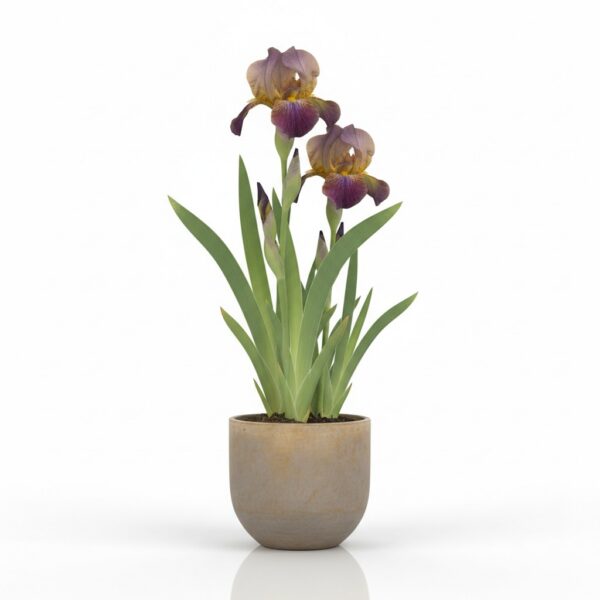
The German Iris is a rhizomatous perennial known for its striking, large flowers and sword-like foliage. It typically grows to a height of 60-90 cm. The flowers come in a wide array of colors, often with intricate patterns and 'beards' on the falls (lower petals). It is primarily an outdoor plant, prized for its ornamental value in gardens and landscapes. People grow it for its beautiful blooms, which add color and elegance to outdoor spaces.
Quick Plant Comparison
| Feature | Galax | German Iris |
|---|---|---|
| Light | Partial to full shade. Avoid direct sunlight, especially during the hottest part of the day. | Full sun (at least 6 hours of direct sunlight per day) |
| Watering | Every 3-7 days, depending on environmental conditions and soil drainage. | Every 1-2 weeks, depending on weather and soil drainage |
| Humidity | 50-70% | 40-60% |
| Temperature | 15-21°C | 10-27°C |
| Care Level | Expert | Expert |
| Growth Rate | Slow | Moderate |
| Max Height | 0.2 - 0.4 meters (indoors unlikely to reach this) | N/A (Outdoor plant) |
| Pet Safety | ✅ Safe | ❌ Toxic To Pets |
| Soil | Well-draining, acidic soil rich in organic matter. A mix of peat moss, compost, and perlite is suitable. | Well-draining soil, slightly acidic to neutral (pH 6.0-7.0). A mix of garden soil, sand, and compost is suitable. |
| Beginner Friendly | ❌ No | ❌ No |
| Weekly Maintenance | 30 minutes weekly (primarily for watering and monitoring humidity) | 15 minutes weekly during growing season |
🔬 Botanical Information — Comparing These Plants
Galax
| Scientific Name | Galax urceolata |
|---|---|
| Family | Diapensiaceae |
| Native To | Southeastern United States (Appalachian region) |
| Also Known As | Galax, Beetleweed, Wandflower, Coltsfoot |
| Leaves | The leaves of Galax are rounded, heart-shaped, and glossy green. They are typically 5-10 cm in diameter and have a leathery texture. In the fall and winter, the leaves turn bronze or reddish-purple, adding seasonal interest. |
| Flowers | Galax produces slender, wand-like spikes of small, white, fragrant flowers in late spring to early summer. Flowering is rare indoors. |
German Iris
| Scientific Name | Iris germanica |
|---|---|
| Family | Iridaceae |
| Native To | Hybrid origin, derived from various European and Middle Eastern Iris species |
| Also Known As | Bearded Iris, Flag Iris |
| Leaves | Sword-shaped, upright leaves that are typically bluish-green in color. They are smooth and slightly waxy in texture, ranging from 30-90 cm in length and 2-4 cm in width. |
| Flowers | Rarely flowers indoors. Outdoors, produces large, showy flowers in a wide range of colors, including purple, blue, white, yellow, pink, and orange. The flowers have three upright petals (standards) and three drooping petals (falls), with a fuzzy 'beard' on the falls. |
📏 Size & Growth — Plant Comparison
Galax
German Iris
🌱 Propagation — Comparing Plant Growth
Galax
Methods: Division, Seed
Difficulty: Moderate
Tips: Divide rhizomes in early spring or fall. Sow seeds in a cold frame in the fall. Ensure the soil is acidic and well-draining.
German Iris
Methods: Rhizome division, Seed
Difficulty: Easy
Tips: Divide rhizomes in late summer or early fall after flowering. Ensure each division has healthy roots and foliage. Plant shallowly with the top of the rhizome exposed.
✨ Benefits & Features — Comparing Plant Value
Galax
Galax is unique for its glossy, heart-shaped leaves that change color seasonally, turning bronze or reddish-purple in the fall and winter. Its wand-like flower spikes add to its charm. It is a native plant of the Appalachian region, making it a valuable addition to native plant gardens.
- ✓ Provides year-round visual interest with its evergreen foliage.
- ✓ Supports local biodiversity in its native habitat.
- ✓ Offers unique foliage for floral arrangements.
- ✓ Creates a calming and natural atmosphere in a shade garden.
- ✓ Requires minimal maintenance once established in the right conditions.
- 🐾 Pet Safe
German Iris
The distinctive 'beard' on the falls of the flower is a key characteristic. The wide range of available flower colors and patterns makes it a highly sought-after ornamental plant. It is relatively drought-tolerant once established.
- ✓ Adds vibrant color to the garden
- ✓ Attracts pollinators like bees and butterflies
- ✓ Drought-tolerant once established
- ✓ Relatively low-maintenance once established
- ✓ Can be easily propagated to expand your garden
- ⚠️ Toxic to pets
📅 Maintenance Schedule — Plant Care Comparison
Galax
German Iris
🌞 Light Requirements
Galax
Partial to full shade. Avoid direct sunlight, especially during the hottest part of the day.
Low light tolerant: ❌ No
German Iris
Full sun (at least 6 hours of direct sunlight per day)
Low light tolerant: ❌ No
💧 Watering Needs
Galax
Keep the soil consistently moist, but not waterlogged. Water when the top inch of soil feels dry to the touch. Overwatering can lead to root rot, while underwatering can cause the leaves to dry out and become brittle.
German Iris
Water deeply when the top inch of soil feels dry. Avoid overhead watering to prevent fungal diseases. Overwatering can lead to rhizome rot, indicated by soft, mushy rhizomes and yellowing leaves. Underwatering results in wilting and browning leaf tips.
🌡️ Temperature & Humidity
Galax
Temperature: 15-21°C
Humidity: 50-70%
German Iris
Temperature: 10-27°C
Humidity: 40-60%
🤔 Which Plant Is Right For You?
Galax
Galax urceolataExperienced gardeners who can replicate the plant's natural woodland habitat.
✅ Choose This Plant If...
- You appreciate unique foliage with seasonal color changes.
- You have an established shade garden with acidic soil.
- You are looking for a native plant for woodland restoration.
- You enjoy using natural elements in floral arrangements.
- You are an experienced gardener seeking a challenging plant.
❌ Skip This Plant If...
- You have limited experience with gardening.
- You cannot provide acidic soil and consistent moisture.
- You are looking for a low-maintenance indoor plant.
German Iris
Iris germanicaGardeners looking to add vibrant and showy flowers to their sunny garden beds.
✅ Choose This Plant If...
- You want a low-maintenance perennial for sunny locations.
- You desire a wide variety of flower colors and patterns.
- You want to attract pollinators to your garden.
- You are looking for a drought-tolerant plant once established.
- You want a plant that can be easily propagated by rhizome division.
❌ Skip This Plant If...
- You have limited sunlight in your garden.
- You are looking for an easy-to-grow indoor plant.
- You have pets that may ingest the plant.
- You live in an area with poorly draining soil.
🎯 Quick Verdict
⚡ Key Differences Between These Plants
Galax has slow growth, while German Iris grows moderate.
💡 Pro Tips For Comparing These Plants
Galax Care Tips
Galax is primarily an outdoor plant and is challenging to grow indoors due to its need for cool temperatures, high humidity, and acidic soil. It requires consistent moisture and shade. Indoor cultivation requires careful monitoring and environmental control.
- Ensure the soil is consistently moist but not waterlogged.
- Provide adequate shade to prevent leaf scorch.
- Amend the soil with peat moss or compost to maintain acidity.
- Monitor for pests and diseases regularly.
- Mulch around the plant to retain moisture and suppress weeds.
German Iris Care Tips
German Iris is primarily an outdoor plant and requires full sun and well-draining soil. Growing it indoors is extremely challenging due to its high light requirements and dormancy needs. It is prone to rhizome rot if overwatered. Indoor cultivation is not recommended.
- Plant rhizomes shallowly with the top exposed to prevent rot.
- Provide full sun for optimal flowering.
- Water deeply but infrequently, allowing the soil to dry out between waterings.
- Divide rhizomes every 3-5 years to prevent overcrowding and maintain vigor.
- Remove spent flower stalks to encourage further blooming.
⚠️ Common Problems & Solutions — Plant Care Comparison
Galax
German Iris
❓ Frequently Asked Questions — Comparing These Plants
Galax
What are the light requirements for Galax?
Galax prefers shady to partially shady locations. Direct sunlight can scorch its delicate leaves, leading to unsightly brown spots and stunted growth. Ideally, provide Galax with dappled sunlight or full shade, especially during the hottest part of the day. An east-facing location is often ideal, providing morning sun followed by shade in the afternoon.
How do I care for Galax?
Galax thrives in shady, woodland-like conditions. Plant in well-draining, acidic soil that is rich in organic matter. Water regularly, especially during dry periods, keeping the soil consistently moist but not waterlogged. Fertilize in early spring with a balanced, slow-release fertilizer formulated for acid-loving plants. Avoid direct sunlight, which can scorch the leaves.
How do I propagate Galax?
Galax can be propagated through division, stem cuttings, or, less commonly, keiki.
German Iris
What are the light requirements for German Iris?
German Irises require at least six hours of direct sunlight per day to thrive and bloom prolifically. Insufficient sunlight will result in weak growth, fewer flowers, and an increased susceptibility to diseases. Choose a planting location that receives full sun throughout the growing season. In hotter climates, some afternoon shade may be beneficial to prevent scorching of the foliage. If growing in containers, rotate the plants regularly to ensure even light exposure. Observe the plants closely and adjust their location as needed to optimize light conditions. Monitor leaf color; pale or yellowing leaves can indicate insufficient light. Supplemental lighting may be necessary in areas with limited sunlight.
How do I care for German Iris?
German Irises thrive in full sun and well-draining soil. Plant rhizomes shallowly, with the top exposed to sunlight to prevent rot. Water deeply but infrequently, allowing the soil to dry out between waterings. Fertilize in early spring and again after blooming with a low-nitrogen fertilizer to promote healthy growth and abundant blooms. Remove spent flower stalks to encourage reblooming and prevent seed formation. Divide rhizomes every 3-5 years to prevent overcrowding and rejuvenate the plants. Provide good air circulation to minimize the risk of fungal diseases. Monitor for pests such as iris borers and treat promptly. Mulch lightly around the base of the plants to suppress weeds and retain moisture. Ensure proper drainage to prevent root rot. Prune away any dead or damaged foliage regularly. Protect from excessive winter moisture in colder climates.
How do I propagate German Iris?
German Irises are easily propagated by dividing the rhizomes. Dig up the rhizomes in late summer or early fall, after blooming. Carefully separate the rhizomes, ensuring that each division has at least one fan of leaves and healthy roots. Trim the leaves back to about 6 inches. Replant the divisions in well-draining soil, spacing them about 12-24 inches apart. Water thoroughly after planting and keep the soil moist until the plants are established. Stem cuttings are not typically used for iris propagation, and keikis (small plantlets that form on the flower stalks) are not common in German Irises.
Last updated: May 4, 2026 — Plant care data reviewed and verified by our editorial team.