
Foxtail Palm vs Mole Plant Plant Comparison
Compare these two plants side by side — care needs, key differences, and which is right for your home.
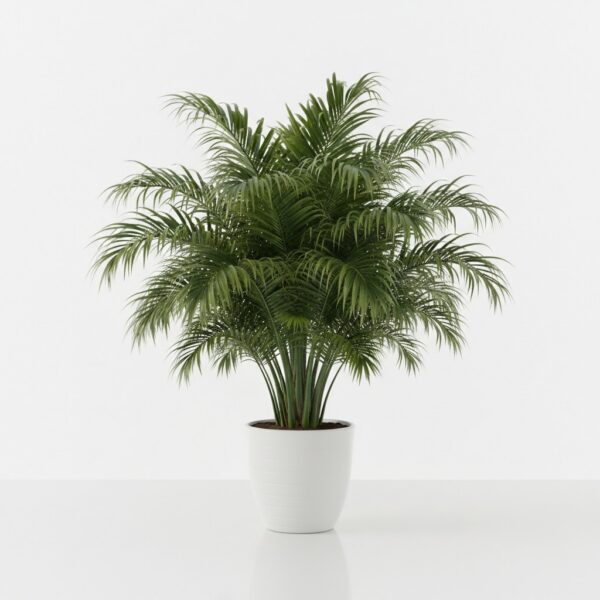
Foxtail Palm
Wodyetia bifurcata
The Foxtail Palm is a striking, single-trunked palm tree known for its gracefully arching fronds that resemble a foxtail. It is primarily an outdoor plant, thriving in warm climates. Its smooth, gray trunk is topped with a crown of feathery, dark green leaves. It is popular in landscaping for its ornamental value, adding a tropical aesthetic to gardens and streetscapes. While young plants can be grown in containers, they will eventually need to be planted in the ground to reach their full potential. It is not naturally an indoor plant and requires very specific conditions to survive indoors long-term.

Mole Plant
Araujia sericifera
Araujia sericifera, commonly known as Mole Plant or Cruel Plant, is a vigorous, twining vine that can grow up to 5-7 meters in length. It's an aggressive climber, often found smothering other vegetation. The plant produces attractive, fragrant, trumpet-shaped flowers, typically white or pale pink with purple tinges. These flowers attract moths and other insects, which can become trapped in the flower's intricate structure, hence the name 'Cruel Plant'. It is primarily an outdoor plant and not suited for indoor cultivation due to its size and invasive nature. People may grow it for its interesting flowers, but its invasive potential makes it a problematic choice.
Quick Plant Comparison
| Feature | Foxtail Palm | Mole Plant |
|---|---|---|
| Light | Full sun to partial shade | Full sun to partial shade |
| Watering | Every 1-2 weeks, depending on weather and soil drainage | Every 1-2 weeks, depending on weather and soil drainage |
| Humidity | 40-60% | 40-60% |
| Temperature | 21-32°C | 15-25°C |
| Care Level | Expert | Expert |
| Growth Rate | Moderate | Fast |
| Max Height | Indoors: Rarely exceeds 2-3 meters in a container; Outdoors: Up to 10 meters | Outdoors: 5-7 meters. Indoors: Not suitable for indoor growing. |
| Pet Safety | ❌ Toxic To Pets | ❌ Toxic To Pets |
| Soil | Well-draining sandy loam | Well-draining soil, such as a sandy loam |
| Beginner Friendly | ❌ No | ❌ No |
| Weekly Maintenance | 15 minutes weekly (mostly watering and occasional pruning) | 30 minutes weekly |
🔬 Botanical Information — Comparing These Plants
Foxtail Palm
| Scientific Name | Wodyetia bifurcata |
|---|---|
| Family | Arecaceae |
| Native To | Queensland, Australia |
| Also Known As | Foxtail Palm |
| Leaves | The leaves are pinnate, meaning they are feather-like, and arranged in a spiral around the crown shaft. They are dark green, glossy, and can grow up to 2-3 meters long. The leaflets are narrow and closely spaced, giving the frond its characteristic foxtail appearance. |
| Flowers | Foxtail Palms produce creamy white flowers in clusters below the crown shaft. Flowering typically occurs in spring and summer. It is possible for container-grown plants to flower, but less common than in ground-planted specimens. |
Mole Plant
| Scientific Name | Araujia sericifera |
|---|---|
| Family | Apocynaceae |
| Native To | South America (Argentina, Brazil, Paraguay, Uruguay) |
| Also Known As | Mole Plant, Cruel Plant, White Bladderflower, Kapok Vine |
| Leaves | The leaves are opposite, oval to lance-shaped, and typically 5-10 cm long. They are smooth and dark green on the upper surface and paler underneath. The leaves produce a milky sap when damaged. |
| Flowers | The flowers are trumpet-shaped, about 2-3 cm in diameter, and typically white or pale pink with purple tinges. They are fragrant and attract moths and other insects. Flowering occurs in summer and autumn. |
📏 Size & Growth — Plant Comparison
Foxtail Palm
Mole Plant
🌱 Propagation — Comparing Plant Growth
Foxtail Palm
Methods: Seed
Difficulty: Moderate
Tips: Soak seeds in warm water for 24 hours before planting in a well-draining seed-starting mix. Maintain consistent moisture and warmth.
Mole Plant
Methods: Seeds, Stem cuttings
Difficulty: Easy
Tips: For seeds, soak them in water for 24 hours before sowing. For stem cuttings, take cuttings in spring or summer and root them in well-draining soil.
✨ Benefits & Features — Comparing Plant Value
Foxtail Palm
The Foxtail Palm is distinguished by its unique, arching fronds that resemble a foxtail. It is also relatively drought-tolerant once established, making it a good choice for xeriscaping. Its single trunk and symmetrical crown make it a visually striking specimen tree.
- ✓ Adds a tropical aesthetic to the landscape.
- ✓ Provides shade.
- ✓ Relatively low-maintenance once established.
- ✓ Drought-tolerant.
- ✓ Increases property value.
- ⚠️ Toxic to pets
Mole Plant
The flowers of Araujia sericifera are known for trapping insects, earning it the name 'Cruel Plant'. The seed pods contain silky parachutes that aid in wind dispersal, contributing to its invasive spread. The milky sap is also a distinguishing characteristic.
- ✓ Provides quick coverage for fences or walls.
- ✓ Attracts pollinators to the garden.
- ✓ Unique and interesting flowers.
- ✓ Can be used for erosion control in certain situations.
- ✓ Provides shade.
- ⚠️ Toxic to pets
📅 Maintenance Schedule — Plant Care Comparison
Foxtail Palm
Mole Plant
🌞 Light Requirements
Foxtail Palm
Full sun to partial shade
Low light tolerant: ❌ No
Mole Plant
Full sun to partial shade
Low light tolerant: ❌ No
💧 Watering Needs
Foxtail Palm
Water deeply when the top inch of soil is dry. Overwatering can lead to root rot, indicated by yellowing leaves and a soft trunk base. Underwatering results in drooping or browning leaf tips. Ensure good drainage.
Mole Plant
Water deeply when the top inch of soil is dry. Avoid overwatering, which can lead to root rot. During the growing season, water more frequently. Reduce watering in the dormant season.
🌡️ Temperature & Humidity
Foxtail Palm
Temperature: 21-32°C
Humidity: 40-60%
Mole Plant
Temperature: 15-25°C
Humidity: 40-60%
🤔 Which Plant Is Right For You?
Foxtail Palm
Wodyetia bifurcataExperienced gardeners in warm climates who want a striking, tropical focal point in their landscape.
✅ Choose This Plant If...
- You live in a warm climate with plenty of sunshine.
- You want a low-maintenance, drought-tolerant palm tree.
- You appreciate the unique foxtail-like appearance of the fronds.
- You have ample space for a large, fast-growing tree.
- You want to create a tropical aesthetic in your landscape.
❌ Skip This Plant If...
- You live in a cold climate with frequent frosts.
- You have limited space for a large tree.
- You are looking for an easy-to-grow indoor plant.
- You have pets that might ingest the toxic seeds.
- You are not prepared to provide full sun and well-draining soil.
Mole Plant
Araujia sericiferaExperienced gardeners in regions where it is not considered an invasive species who are looking for a fast-growing vine with unique flowers.
✅ Choose This Plant If...
- You are looking for a fast-growing vine to cover a large area quickly.
- You appreciate unique and fragrant flowers.
- You are an experienced gardener comfortable managing potentially invasive plants.
- You want to attract moths and other pollinators to your garden.
- You live in a climate where it is not considered an invasive species.
❌ Skip This Plant If...
- You have pets or small children due to its toxicity.
- You live in an area where it is considered an invasive species.
- You are looking for a low-maintenance plant.
- You want a plant suitable for indoor growing.
🎯 Quick Verdict
⚡ Key Differences Between These Plants
Foxtail Palm has moderate growth, while Mole Plant grows fast.
💡 Pro Tips For Comparing These Plants
Foxtail Palm Care Tips
Foxtail Palms are primarily outdoor plants that require full sun and well-draining soil. Indoor cultivation is challenging due to the high light requirements and eventual size of the plant. Maintaining proper humidity and preventing root rot are crucial for indoor survival, but long-term success is unlikely.
- Ensure excellent drainage to prevent root rot.
- Fertilize regularly with a palm-specific fertilizer.
- Protect from frost in colder climates.
- Provide ample sunlight for optimal growth.
- Monitor for pests and diseases regularly.
Mole Plant Care Tips
Araujia sericifera is an aggressive outdoor vine that is not suitable for indoor cultivation. It requires full sun and well-draining soil. Its invasive nature and toxicity make it a challenging plant to manage. It is toxic to pets and can cause skin irritation.
- Monitor for invasive spread and remove seed pods before they mature.
- Provide a strong support structure for the vine to climb.
- Water deeply but infrequently, allowing the soil to dry out between waterings.
- Fertilize during the growing season with a balanced fertilizer.
- Prune regularly to maintain shape and control growth.
⚠️ Common Problems & Solutions — Plant Care Comparison
Foxtail Palm
Mole Plant
❓ Frequently Asked Questions — Comparing These Plants
Foxtail Palm
What are the light requirements for Foxtail Palm?
Foxtail Palms require bright, indirect light to thrive. Insufficient light can lead to slow growth and weak, spindly fronds. An east-facing window is ideal, providing gentle morning sun. A south- or west-facing window can also work, but be sure to diffuse the light with a sheer curtain to prevent scorching.
How do I care for Foxtail Palm?
Foxtail Palms thrive in bright, indirect light. Avoid direct sunlight, which can scorch their leaves. Water thoroughly when the top inch of soil feels dry, allowing excess water to drain. Ensure the pot has drainage holes to prevent root rot. Maintain a humidity level of 50-60%. Fertilize monthly during the growing season (spring and summer) with a balanced liquid fertilizer diluted to half strength.
How do I propagate Foxtail Palm?
Foxtail Palms are primarily propagated by seeds, as division is difficult and often unsuccessful. Start by soaking the seeds in warm water for 24-48 hours to soften the outer shell. Plant the seeds in a well-draining potting mix, keeping them consistently moist but not waterlogged. Maintain a warm temperature of around 80-85°F (27-29°C).
Mole Plant
What are the light requirements for Mole Plant?
Mole Plant thrives best in full sun, requiring at least 6-8 hours of direct sunlight per day. However, it can tolerate partial shade, especially in hotter climates where intense afternoon sun can scorch the leaves. When grown indoors, place it near a south-facing window to maximize light exposure. Rotate the plant regularly to ensure even growth. Insufficient light can lead to leggy growth and reduced flowering. Supplement with grow lights if natural light is limited, especially during winter months. Monitor the plant for signs of stress, such as pale leaves or stunted growth, which may indicate insufficient light.
How do I care for Mole Plant?
Mole Plant thrives in well-draining soil and prefers full sun to partial shade. Water thoroughly when the top inch of soil feels dry, allowing excess water to drain away. Fertilize sparingly, using a balanced liquid fertilizer diluted to half strength during the growing season (spring and summer). Avoid over-fertilizing, which can harm the plant. Provide adequate air circulation to prevent fungal diseases. Prune to remove dead or damaged foliage and to maintain desired shape. Protect from frost and freezing temperatures. Repot when the plant becomes root-bound, usually every 1-2 years. Monitor for pests such as aphids and spider mites, and treat promptly if detected. Remember that Mole Plant is toxic and should be kept away from children and pets.
How do I propagate Mole Plant?
Mole Plant can be propagated through seeds. Collect seeds from dried flower heads. Sow seeds in well-draining soil in spring. Keep soil moist and provide bright, indirect light. Seedlings should emerge in a few weeks. Once large enough to handle, transplant into individual pots. Alternatively, stem cuttings can be taken in spring or summer. Allow the cut end to callous over for a few days before planting in well-draining soil. Keep the soil moist and provide bright, indirect light. Rooting should occur in a few weeks. Division is not generally recommended for Euphorbia lathyris.
Last updated: May 7, 2026 — Plant care data reviewed and verified by our editorial team.