
Foxtail Palm vs Mignonette Plant Comparison
Compare these two plants side by side — care needs, key differences, and which is right for your home.
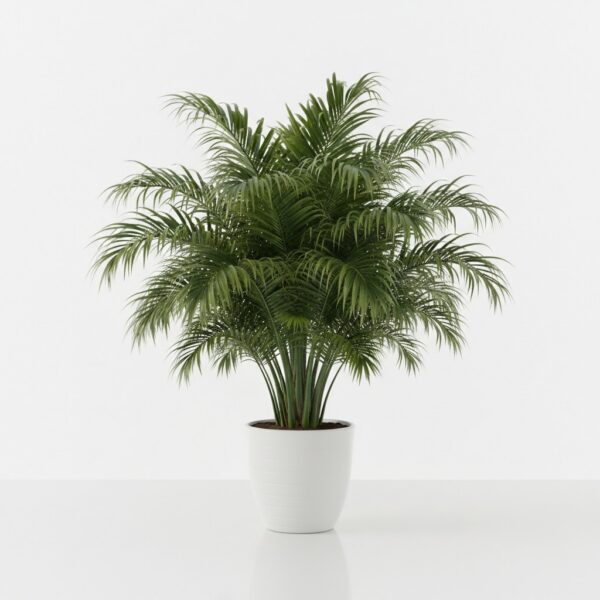
Foxtail Palm
Wodyetia bifurcata
The Foxtail Palm is a striking, single-trunked palm tree known for its gracefully arching fronds that resemble a foxtail. It is primarily an outdoor plant, thriving in warm climates. Its smooth, gray trunk is topped with a crown of feathery, dark green leaves. It is popular in landscaping for its ornamental value, adding a tropical aesthetic to gardens and streetscapes. While young plants can be grown in containers, they will eventually need to be planted in the ground to reach their full potential. It is not naturally an indoor plant and requires very specific conditions to survive indoors long-term.

Mignonette
Reseda odorata
Mignonette is an annual or biennial herbaceous plant known for its intensely fragrant flowers. It typically grows to a height of 20-80 cm. The plant features lance-shaped, grayish-green leaves and inconspicuous, greenish-white to yellowish flowers tinged with orange or red. These flowers, though not visually striking, are highly prized for their sweet, honey-like scent. Mignonette is primarily grown outdoors in gardens for its fragrance, attracting pollinators like bees and butterflies. It is not ideally suited as an indoor plant due to its high light requirements and potential for legginess in low-light conditions.
Quick Plant Comparison
| Feature | Foxtail Palm | Mignonette |
|---|---|---|
| Light | Full sun to partial shade | Full sun to partial shade. Requires at least 6 hours of direct sunlight for optimal growth and flowering. |
| Watering | Every 1-2 weeks, depending on weather and soil drainage | Every 5-7 days, depending on weather and soil drainage. |
| Humidity | 40-60% | 40-60% |
| Temperature | 21-32°C | 15-24°C |
| Care Level | Expert | Expert |
| Growth Rate | Moderate | Moderate |
| Max Height | Indoors: Rarely exceeds 2-3 meters in a container; Outdoors: Up to 10 meters | 20-80 cm outdoors (less likely to thrive indoors) |
| Pet Safety | ❌ Toxic To Pets | ❌ Toxic To Pets |
| Soil | Well-draining sandy loam | Well-draining, fertile soil. A mix of garden soil, compost, and perlite is suitable. |
| Beginner Friendly | ❌ No | ❌ No |
| Weekly Maintenance | 15 minutes weekly (mostly watering and occasional pruning) | 15 minutes weekly |
🔬 Botanical Information — Comparing These Plants
Foxtail Palm
| Scientific Name | Wodyetia bifurcata |
|---|---|
| Family | Arecaceae |
| Native To | Queensland, Australia |
| Also Known As | Foxtail Palm |
| Leaves | The leaves are pinnate, meaning they are feather-like, and arranged in a spiral around the crown shaft. They are dark green, glossy, and can grow up to 2-3 meters long. The leaflets are narrow and closely spaced, giving the frond its characteristic foxtail appearance. |
| Flowers | Foxtail Palms produce creamy white flowers in clusters below the crown shaft. Flowering typically occurs in spring and summer. It is possible for container-grown plants to flower, but less common than in ground-planted specimens. |
Mignonette
| Scientific Name | Reseda odorata |
|---|---|
| Family | Resedaceae |
| Native To | North Africa, Southwest Asia, Europe |
| Also Known As | Mignonette, Common Mignonette, Sweet Reseda |
| Leaves | Lance-shaped, grayish-green leaves, typically 5-10 cm long. The leaves are slightly rough in texture and have a somewhat muted color. |
| Flowers | Flowers are small, greenish-white to yellowish, often tinged with orange or red. They are arranged in dense, terminal spikes. While not showy, they are intensely fragrant. Rarely flowers indoors due to insufficient light. |
📏 Size & Growth — Plant Comparison
Foxtail Palm
Mignonette
🌱 Propagation — Comparing Plant Growth
Foxtail Palm
Methods: Seed
Difficulty: Moderate
Tips: Soak seeds in warm water for 24 hours before planting in a well-draining seed-starting mix. Maintain consistent moisture and warmth.
Mignonette
Methods: Seed
Difficulty: Easy
Tips: Sow seeds directly into the garden in spring or early summer after the last frost. Seeds can also be started indoors 6-8 weeks before the last frost. Keep soil moist until germination.
✨ Benefits & Features — Comparing Plant Value
Foxtail Palm
The Foxtail Palm is distinguished by its unique, arching fronds that resemble a foxtail. It is also relatively drought-tolerant once established, making it a good choice for xeriscaping. Its single trunk and symmetrical crown make it a visually striking specimen tree.
- ✓ Adds a tropical aesthetic to the landscape.
- ✓ Provides shade.
- ✓ Relatively low-maintenance once established.
- ✓ Drought-tolerant.
- ✓ Increases property value.
- ⚠️ Toxic to pets
Mignonette
The inconspicuous flowers belie their intense fragrance, making it a favorite for scent gardens. It's also a historical plant, popular in Victorian times for its sweet scent.
- ✓ Fragrant flowers enhance the garden environment.
- ✓ Attracts beneficial pollinators to the garden.
- ✓ Provides a visually appealing addition to flower beds.
- ✓ Can be used in cut flower arrangements.
- ✓ Offers a sensory experience through its strong fragrance.
- ⚠️ Toxic to pets
📅 Maintenance Schedule — Plant Care Comparison
Foxtail Palm
Mignonette
🌞 Light Requirements
Foxtail Palm
Full sun to partial shade
Low light tolerant: ❌ No
Mignonette
Full sun to partial shade. Requires at least 6 hours of direct sunlight for optimal growth and flowering.
Low light tolerant: ❌ No
💧 Watering Needs
Foxtail Palm
Water deeply when the top inch of soil is dry. Overwatering can lead to root rot, indicated by yellowing leaves and a soft trunk base. Underwatering results in drooping or browning leaf tips. Ensure good drainage.
Mignonette
Water thoroughly when the top inch of soil feels dry. Avoid overwatering, which can lead to root rot. Ensure good drainage. Signs of underwatering include wilting leaves and dry soil. Overwatering signs include yellowing leaves and soggy soil.
🌡️ Temperature & Humidity
Foxtail Palm
Temperature: 21-32°C
Humidity: 40-60%
Mignonette
Temperature: 15-24°C
Humidity: 40-60%
🤔 Which Plant Is Right For You?
Foxtail Palm
Wodyetia bifurcataExperienced gardeners in warm climates who want a striking, tropical focal point in their landscape.
✅ Choose This Plant If...
- You live in a warm climate with plenty of sunshine.
- You want a low-maintenance, drought-tolerant palm tree.
- You appreciate the unique foxtail-like appearance of the fronds.
- You have ample space for a large, fast-growing tree.
- You want to create a tropical aesthetic in your landscape.
❌ Skip This Plant If...
- You live in a cold climate with frequent frosts.
- You have limited space for a large tree.
- You are looking for an easy-to-grow indoor plant.
- You have pets that might ingest the toxic seeds.
- You are not prepared to provide full sun and well-draining soil.
Mignonette
Reseda odorataGardeners who want a fragrant addition to their outdoor gardens and are experienced with managing pests and diseases.
✅ Choose This Plant If...
- You desire a powerfully fragrant plant for your garden.
- You want to attract pollinators like bees and butterflies.
- You enjoy growing traditional garden flowers.
- You have a sunny outdoor space.
- You are prepared to manage potential pest and disease issues.
❌ Skip This Plant If...
- You have pets that might ingest the plant.
- You lack a sunny outdoor space.
- You are looking for a low-maintenance indoor plant.
🎯 Quick Verdict
⚡ Key Differences Between These Plants
Both plants have similar basic care requirements but differ in appearance and specific needs. Compare plants carefully to find the best fit for your space.
💡 Pro Tips For Comparing These Plants
Foxtail Palm Care Tips
Foxtail Palms are primarily outdoor plants that require full sun and well-draining soil. Indoor cultivation is challenging due to the high light requirements and eventual size of the plant. Maintaining proper humidity and preventing root rot are crucial for indoor survival, but long-term success is unlikely.
- Ensure excellent drainage to prevent root rot.
- Fertilize regularly with a palm-specific fertilizer.
- Protect from frost in colder climates.
- Provide ample sunlight for optimal growth.
- Monitor for pests and diseases regularly.
Mignonette Care Tips
Mignonette is primarily an outdoor plant that requires full sun and well-drained soil. It is challenging to grow indoors due to its high light requirements and susceptibility to pests and diseases in enclosed environments. Providing adequate light and ventilation is crucial for success.
- Provide well-draining soil to prevent root rot.
- Ensure at least 6 hours of direct sunlight daily.
- Deadhead spent flowers regularly to encourage continuous blooming.
- Monitor for pests and diseases and treat promptly.
- Water deeply but infrequently, allowing the soil to dry slightly between waterings.
⚠️ Common Problems & Solutions — Plant Care Comparison
Foxtail Palm
Mignonette
❓ Frequently Asked Questions — Comparing These Plants
Foxtail Palm
What are the light requirements for Foxtail Palm?
Foxtail Palms require bright, indirect light to thrive. Insufficient light can lead to slow growth and weak, spindly fronds. An east-facing window is ideal, providing gentle morning sun. A south- or west-facing window can also work, but be sure to diffuse the light with a sheer curtain to prevent scorching.
How do I care for Foxtail Palm?
Foxtail Palms thrive in bright, indirect light. Avoid direct sunlight, which can scorch their leaves. Water thoroughly when the top inch of soil feels dry, allowing excess water to drain. Ensure the pot has drainage holes to prevent root rot. Maintain a humidity level of 50-60%. Fertilize monthly during the growing season (spring and summer) with a balanced liquid fertilizer diluted to half strength.
How do I propagate Foxtail Palm?
Foxtail Palms are primarily propagated by seeds, as division is difficult and often unsuccessful. Start by soaking the seeds in warm water for 24-48 hours to soften the outer shell. Plant the seeds in a well-draining potting mix, keeping them consistently moist but not waterlogged. Maintain a warm temperature of around 80-85°F (27-29°C).
Mignonette
What are the light requirements for Mignonette?
Mignonette thrives best in full sun, requiring at least 6-8 hours of direct sunlight per day to produce abundant blooms and intense fragrance. However, in hotter climates, providing some afternoon shade can prevent scorching of the leaves. If grown indoors, place Mignonette near a sunny window, such as a south-facing window. Insufficient light can lead to leggy growth and reduced flowering. Rotate the plant regularly to ensure even exposure to light. If natural light is inadequate, supplement with artificial grow lights, positioned 6-12 inches above the plant. Monitor the plant for signs of light stress, such as pale leaves or elongated stems, and adjust its position accordingly.
How do I care for Mignonette?
Mignonette is a relatively easy-to-care-for plant, making it a great choice for beginners. It thrives in full sun to partial shade and prefers well-draining soil. Water regularly, keeping the soil consistently moist but not waterlogged, especially during hot weather. Fertilize every 2-3 weeks with a balanced liquid fertilizer during the growing season to encourage blooming. Deadhead spent flowers to promote continuous blooming. Mignonette prefers cooler temperatures and can tolerate light frost. Protect from extreme heat and direct sunlight during the hottest part of the day. Prune lightly to maintain shape and prevent legginess. Provide good air circulation to prevent fungal diseases. Mignonette can be grown in containers or directly in the garden. Regularly check for pests and treat as necessary. Ensure the soil is slightly acidic to neutral for optimal growth.
How do I propagate Mignonette?
Mignonette is most commonly propagated by seeds, but stem cuttings are also possible.
Last updated: May 6, 2026 — Plant care data reviewed and verified by our editorial team.