
Flowering Maple vs Goat's Beard Plant Comparison
Compare these two plants side by side — care needs, key differences, and which is right for your home.

Flowering Maple
Abutilon spp.
Flowering maples are shrubs or small trees known for their maple-like leaves and bell-shaped, pendulous flowers. They are not true maples (Acer spp.). Abutilon species are grown for their attractive foliage and continuous blooming habit, producing flowers in shades of red, orange, yellow, pink, and white. While they can be grown indoors, they thrive best outdoors in warm climates. They are popular for adding color and a tropical feel to gardens and patios.
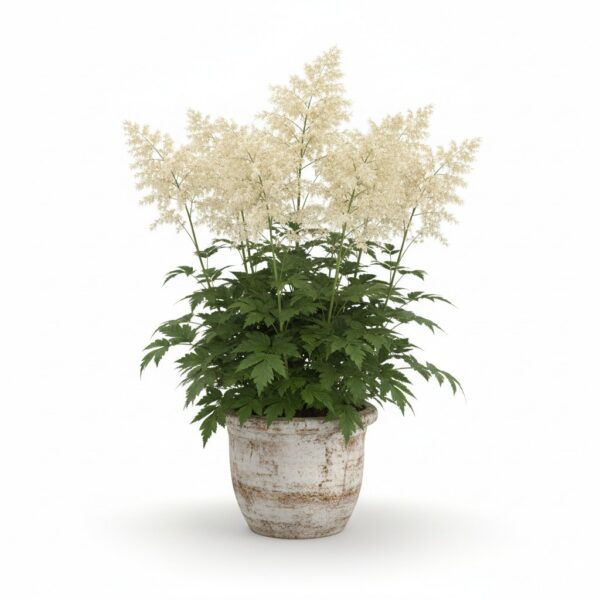
Goat's Beard
Aruncus dioicus
Goat's Beard is a herbaceous perennial known for its impressive size and feathery plumes of creamy-white flowers. It typically grows to a height of 3-6 feet and forms a bushy clump. The plant features deeply divided, fern-like leaves that provide an attractive backdrop to the blooms. It is primarily an outdoor plant, thriving in woodland settings and moist meadows. People grow it for its ornamental value, adding height and texture to gardens, and for attracting pollinators.
Quick Plant Comparison
| Feature | Flowering Maple | Goat's Beard |
|---|---|---|
| Light | Full sun to partial shade. Requires at least 6 hours of direct sunlight daily for optimal flowering. | Full sun to partial shade. Requires at least 4 hours of direct sunlight for optimal flowering. |
| Watering | Every 3-7 days during the growing season, less frequently in winter. | 2-3 times per week, depending on weather and soil drainage. |
| Humidity | 40-60% | 40-60% |
| Temperature | 18-24°C | 15-25°C |
| Care Level | Expert | Expert |
| Growth Rate | Moderate | Moderate |
| Max Height | Indoors: 0.6-1.5 meters (2-5 feet). Outdoors: Up to 3 meters (10 feet). | N/A (Outdoor plant) |
| Pet Safety | ❌ Toxic To Pets | ✅ Safe |
| Soil | Well-draining potting mix, such as a mix of peat moss, perlite, and vermiculite. | Rich, well-drained soil with plenty of organic matter. A mix of garden soil, compost, and peat moss is ideal. |
| Beginner Friendly | ❌ No | ❌ No |
| Weekly Maintenance | 30 minutes weekly | 30 minutes weekly |
🔬 Botanical Information — Comparing These Plants
Flowering Maple
| Scientific Name | Abutilon spp. |
|---|---|
| Family | Malvaceae |
| Native To | Various species originate from tropical and subtropical regions worldwide, including South America, Africa, and Asia. |
| Also Known As | Flowering Maple, Parlor Maple, Chinese Lantern |
| Leaves | The leaves are typically palmate, resembling maple leaves, with 3-5 lobes. They are usually green, but some varieties have variegated foliage. The leaves are generally 5-10 cm (2-4 inches) long and wide, with a slightly rough texture. |
| Flowers | Flowering maples can flower indoors if given sufficient light. The flowers are bell-shaped and pendulous, hanging downwards from the stems. They come in a variety of colors, including red, orange, yellow, pink, and white. Flowering occurs throughout the growing season. |
Goat's Beard
| Scientific Name | Aruncus dioicus |
|---|---|
| Family | Rosaceae |
| Native To | Native to temperate regions of the Northern Hemisphere, including North America, Europe, and Asia. |
| Also Known As | Goat's Beard, Bride's Feathers |
| Leaves | The leaves are deeply divided and fern-like, creating a delicate and airy texture. They are typically medium to dark green in color and can grow up to 12 inches long. The foliage provides an attractive backdrop to the flowers. |
| Flowers | Goat's Beard produces large, feathery plumes of creamy-white flowers in early to mid-summer. The flowers are composed of numerous tiny florets and create a showy display. Male plants tend to have showier flowers than female plants. |
📏 Size & Growth — Plant Comparison
Flowering Maple
Goat's Beard
🌱 Propagation — Comparing Plant Growth
Flowering Maple
Methods: Stem cuttings, Seed
Difficulty: Easy
Tips: Take stem cuttings in spring or summer. Dip the cut end in rooting hormone and plant in moist potting mix. Keep the cutting warm and humid until roots develop. Seeds can be sown in spring after soaking them in water for 24 hours.
Goat's Beard
Methods: Division, Seed
Difficulty: Moderate
Tips: Divide clumps in early spring or fall. Sow seeds in a cold frame in the fall or early spring. Ensure good drainage and consistent moisture.
✨ Benefits & Features — Comparing Plant Value
Flowering Maple
Flowering maples are not true maples, despite their leaf shape. They are known for their continuous blooming habit, producing colorful, bell-shaped flowers throughout the growing season. The pendulous flowers add a unique and graceful touch to any garden or indoor space.
- ✓ Adds vibrant color to indoor or outdoor spaces.
- ✓ Attracts hummingbirds and other pollinators.
- ✓ Provides a tropical aesthetic.
- ✓ Can be pruned and shaped to desired form.
- ✓ Offers a sense of accomplishment for experienced gardeners.
- ⚠️ Toxic to pets
Goat's Beard
Goat's Beard is unique for its impressive size and feathery plumes of creamy-white flowers. Its dioecious nature, with separate male and female plants, adds to its distinctiveness. The plant's ability to attract pollinators and its deer resistance make it a valuable addition to gardens.
- ✓ Attracts pollinators
- ✓ Adds vertical interest to the garden
- ✓ Deer resistant
- ✓ Provides habitat for beneficial insects
- ✓ Creates a natural, wild aesthetic
- 🐾 Pet Safe
📅 Maintenance Schedule — Plant Care Comparison
Flowering Maple
Goat's Beard
🌞 Light Requirements
Flowering Maple
Full sun to partial shade. Requires at least 6 hours of direct sunlight daily for optimal flowering.
Low light tolerant: ❌ No
Goat's Beard
Full sun to partial shade. Requires at least 4 hours of direct sunlight for optimal flowering.
Low light tolerant: ❌ No
💧 Watering Needs
Flowering Maple
Water thoroughly when the top inch of soil feels dry. Avoid overwatering, which can lead to root rot. Ensure good drainage. Reduce watering frequency during the winter months.
Goat's Beard
Water deeply and regularly, especially during dry periods. The soil should be consistently moist but not waterlogged. Overwatering can lead to root rot, indicated by yellowing leaves and a foul odor. Underwatering results in wilting and browning leaf edges.
🌡️ Temperature & Humidity
Flowering Maple
Temperature: 18-24°C
Humidity: 40-60%
Goat's Beard
Temperature: 15-25°C
Humidity: 40-60%
🤔 Which Plant Is Right For You?
Flowering Maple
Abutilon spp.Experienced gardeners who can provide ample light and consistent care, or those in warm climates where it can thrive outdoors.
✅ Choose This Plant If...
- You want a plant with continuous blooms throughout the growing season.
- You have a sunny location, either indoors with supplemental lighting or outdoors.
- You enjoy attracting hummingbirds to your garden.
- You are an experienced gardener looking for a rewarding challenge.
- You appreciate the unique, maple-like foliage and bell-shaped flowers.
❌ Skip This Plant If...
- You have pets that might ingest the plant.
- You cannot provide ample sunlight or supplemental lighting.
- You are a beginner gardener looking for a low-maintenance plant.
Goat's Beard
Aruncus dioicusGardeners looking to add height and texture to their woodland gardens or naturalized areas.
✅ Choose This Plant If...
- You want a tall, dramatic plant for a woodland garden
- You need a plant that attracts pollinators
- You have a consistently moist area in your garden
- You want a deer-resistant option
- You appreciate the feathery texture of the flowers.
❌ Skip This Plant If...
- You have limited space
- You want an indoor plant
- Your garden is very dry.
🎯 Quick Verdict
⚡ Key Differences Between These Plants
Both plants have similar basic care requirements but differ in appearance and specific needs. Compare plants carefully to find the best fit for your space.
💡 Pro Tips For Comparing These Plants
Flowering Maple Care Tips
Flowering maples are best suited for outdoor growing due to their high light requirements. Indoor growing can be challenging, requiring supplemental lighting and careful attention to watering and humidity. They need regular pruning to maintain shape and encourage flowering. Susceptible to pests.
- Provide at least 6 hours of direct sunlight daily, or supplement with grow lights.
- Water thoroughly when the top inch of soil is dry, but avoid overwatering.
- Fertilize regularly during the growing season with a balanced liquid fertilizer.
- Prune regularly to maintain shape and encourage flowering.
- Monitor for pests and treat promptly with insecticidal soap or neem oil.
Goat's Beard Care Tips
Goat's Beard is primarily an outdoor plant and is not well-suited for indoor cultivation. It requires ample space, consistent moisture, and specific light conditions that are difficult to replicate indoors. Attempting to grow it indoors will likely result in a stressed and unhealthy plant.
- Provide consistent moisture, especially during dry periods.
- Amend the soil with plenty of organic matter.
- Choose a location with partial shade in hotter climates.
- Divide clumps every few years to maintain vigor.
- Monitor for pests and diseases and treat promptly.
⚠️ Common Problems & Solutions — Plant Care Comparison
Flowering Maple
Goat's Beard
❓ Frequently Asked Questions — Comparing These Plants
Flowering Maple
What are the light requirements for Flowering Maple?
Flowering Maples flourish in bright, indirect light. Direct sunlight, especially during the hottest part of the day, can burn their delicate leaves. An east-facing window is often ideal, providing gentle morning sun. A south or west-facing window can work if you filter the light with a sheer curtain. Insufficient light can lead to leggy growth and reduced flowering. Rotate your plant regularly to ensure even light exposure on all sides. Watch for signs of light stress, such as pale leaves or stunted growth, and adjust the plant’s location accordingly. Aim for at least 4-6 hours of bright, indirect light daily for optimal growth and bloom production.
How do I care for Flowering Maple?
Flowering Maples thrive in bright, indirect light; direct sunlight can scorch their leaves. Water thoroughly when the top inch of soil feels dry, ensuring good drainage to prevent root rot. Maintain moderate humidity levels, especially during dry winter months; misting or using a humidifier can help. Fertilize regularly during the growing season (spring and summer) with a balanced, liquid fertilizer diluted to half strength to encourage continuous blooming. Prune regularly to maintain shape and remove spent flowers. Repot in spring if the plant becomes root-bound, using a well-draining potting mix. Protect from drafts and sudden temperature changes. Monitor for pests like aphids and spider mites, and treat promptly if detected. Proper care will reward you with abundant blooms.
How do I propagate Flowering Maple?
Flowering Maples can be propagated through stem cuttings. Take a 4-6 inch cutting from a healthy stem, removing the lower leaves. Dip the cut end in rooting hormone and plant it in a well-draining potting mix. Keep the soil moist and provide bright, indirect light. Rooting typically occurs within a few weeks. Division is possible when repotting a mature plant; carefully separate the root ball and plant each section in its own pot. Keiki formation is rare in Flowering Maples; this propagation method is not typically used. Stem cuttings are the most effective and common method for propagating Flowering Maples.
Goat's Beard
What are the light requirements for Goat's Beard?
Goat’s Beard prefers partial to full shade, thriving in locations that receive dappled sunlight or morning sun followed by afternoon shade. Direct sunlight, especially during the hottest part of the day, can scorch the leaves. Ideal placement is under the canopy of trees or on the north side of a building. If growing in a sunnier location, ensure the soil remains consistently moist to compensate for increased evaporation. Insufficient light will result in fewer blooms and leggy growth. Observe the plant for signs of stress, such as pale or yellowing leaves, and adjust its location accordingly. Avoid exposed areas with harsh afternoon sun.
How do I care for Goat's Beard?
Goat’s Beard thrives in partial to full shade, requiring at least 4 hours of indirect sunlight daily. Water deeply and regularly, especially during dry spells, ensuring the soil remains consistently moist but not waterlogged. Well-draining soil enriched with organic matter is essential. Fertilize in early spring with a balanced, slow-release fertilizer to promote healthy growth and abundant blooms. Prune spent flower plumes after blooming to maintain a tidy appearance and encourage reblooming. Mulch around the base of the plant to retain moisture and suppress weeds. Monitor for pests and diseases, addressing any issues promptly. Provide adequate air circulation to prevent fungal problems. Division every few years helps maintain vigor and prevents overcrowding.
How do I propagate Goat's Beard?
Goat’s Beard can be propagated through division, stem cuttings, and seeds. Division is best done in spring or fall. Carefully dig up the plant and separate the root ball into smaller clumps, ensuring each clump has healthy roots and foliage. Replant the divisions in well-draining soil. For stem cuttings, take 4-6 inch cuttings from new growth in spring. Remove the lower leaves and dip the cut end in rooting hormone. Plant the cuttings in moist, well-draining soil. Keep the cuttings humid by covering them with a plastic bag or humidity dome. Seeds can be sown in spring or fall. Sow the seeds on the surface of the soil and lightly cover them with vermiculite. Keep the soil moist until germination occurs.
Last updated: May 6, 2026 — Plant care data reviewed and verified by our editorial team.