
Floss Flower vs Lilac Plant Comparison
Compare these two plants side by side — care needs, key differences, and which is right for your home.
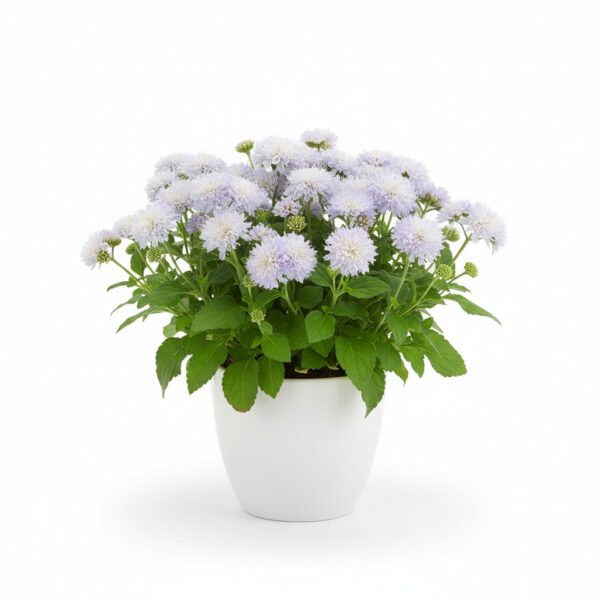
Floss Flower
Ageratum houstonianum
Ageratum houstonianum, commonly known as Floss Flower, is an annual flowering plant characterized by its fuzzy, pom-pom-like flower heads. It typically grows to a height of 6-18 inches. The flowers are most commonly blue, but cultivars are available in pink, white, and purple. It is primarily grown outdoors as a bedding plant or in containers for its long-lasting blooms and attractive appearance. While it can be attempted indoors, it requires very bright light and consistent care to thrive, making it more challenging than other indoor plants.

Lilac
Syringa vulgaris
Syringa vulgaris, the common lilac, is a deciduous shrub or small tree, typically growing to 2-7 meters (6-23 feet) tall. It is widely cultivated for its fragrant, showy flowers that bloom in spring. The flowers are typically lilac to mauve in color, but white, pink, and purple varieties exist. Lilacs are primarily outdoor plants, valued for their beauty and fragrance in gardens and landscapes. They are not well-suited for indoor cultivation due to their high light requirements and need for a dormant period.
Quick Plant Comparison
| Feature | Floss Flower | Lilac |
|---|---|---|
| Light | Full sun to partial shade outdoors. Indoors, requires very bright, direct light for at least 6 hours daily. | Full sun (at least 6 hours of direct sunlight per day) |
| Watering | Every 3-7 days outdoors, depending on weather. Every 5-10 days indoors, depending on light and humidity. | Once or twice a week during the growing season, less frequently during dormancy. |
| Humidity | 40-60% | 30-50% |
| Temperature | 18-24°C | 15-27°C |
| Care Level | Expert | Expert |
| Growth Rate | Moderate | Moderate |
| Max Height | 6-18 inches (15-45 cm) indoors, potentially smaller | 2-7 meters (outdoor) |
| Pet Safety | ❌ Toxic To Pets | ❌ Toxic To Pets |
| Soil | Well-draining potting mix. A mix of peat moss, perlite, and vermiculite is suitable. | Well-draining, slightly acidic to neutral soil (pH 6.0-7.0) |
| Beginner Friendly | ❌ No | ❌ No |
| Weekly Maintenance | 10-15 minutes weekly | 30-60 minutes per week during the growing season, including watering, pruning, and fertilizing. |
🔬 Botanical Information — Comparing These Plants
Floss Flower
| Scientific Name | Ageratum houstonianum |
|---|---|
| Family | Asteraceae |
| Native To | Central America, Mexico |
| Also Known As | Floss Flower, Blueweed, Mexican Ageratum |
| Leaves | The leaves are oval to heart-shaped, with slightly serrated edges. They are typically medium green in color and have a slightly rough texture. |
| Flowers | It flowers readily outdoors. Indoors, flowering is possible with sufficient light, but less reliable. The flowers are small, fuzzy, and clustered together in dense, pom-pom-like heads. They are most commonly blue, but cultivars are available in pink, white, and purple. |
Lilac
| Scientific Name | Syringa vulgaris |
|---|---|
| Family | Oleaceae |
| Native To | Southeastern Europe |
| Also Known As | Common Lilac, French Lilac |
| Leaves | The leaves are simple, opposite, heart-shaped, and typically 5-12 cm (2-5 inches) long. They are smooth and dark green in color, turning yellow-brown in the fall before dropping. |
| Flowers | Lilacs rarely, if ever, flower indoors. Outdoors, they produce large, fragrant panicles of flowers in spring. The flowers are typically lilac to mauve, but white, pink, and purple varieties exist. |
📏 Size & Growth — Plant Comparison
Floss Flower
Lilac
🌱 Propagation — Comparing Plant Growth
Floss Flower
Methods: Seed, Stem cuttings
Difficulty: Easy
Tips: For seeds, sow indoors 6-8 weeks before the last frost. For stem cuttings, take 4-6 inch cuttings in spring or summer and root in water or moist potting mix.
Lilac
Methods: Stem cuttings, layering, grafting, suckers
Difficulty: Moderate
Tips: Take semi-hardwood cuttings in late spring or early summer. Use rooting hormone and provide humidity. Layering can be done in spring or fall. Suckers can be removed and transplanted.
✨ Benefits & Features — Comparing Plant Value
Floss Flower
The fuzzy, pom-pom-like flower heads are unique and add a soft texture to the garden. The plant's long blooming period provides continuous color throughout the growing season. It is also attractive to pollinators, making it a beneficial addition to any garden.
- ✓ Attracts pollinators
- ✓ Adds vibrant color to the garden
- ✓ Long blooming period
- ✓ Relatively easy to propagate
- ✓ Can be used in cut flower arrangements
- ⚠️ Toxic to pets
Lilac
The intense fragrance of the flowers is a defining characteristic. Lilacs also require a period of cold dormancy to bloom properly, making them unsuitable for warm climates.
- ✓ Provides beautiful and fragrant flowers in spring.
- ✓ Attracts pollinators such as bees and butterflies to the garden.
- ✓ Offers a classic and timeless aesthetic.
- ✓ Can be used for cut flowers.
- ✓ Provides a sense of nostalgia and tradition.
- ⚠️ Toxic to pets
📅 Maintenance Schedule — Plant Care Comparison
Floss Flower
Lilac
🌞 Light Requirements
Floss Flower
Full sun to partial shade outdoors. Indoors, requires very bright, direct light for at least 6 hours daily.
Low light tolerant: ❌ No
Lilac
Full sun (at least 6 hours of direct sunlight per day)
Low light tolerant: ❌ No
💧 Watering Needs
Floss Flower
Water thoroughly when the top inch of soil feels dry. Avoid overwatering, which can lead to root rot. Ensure good drainage. Indoors, allow the soil to dry slightly between waterings. Signs of overwatering include yellowing leaves and wilting, while underwatering results in dry, crispy leaves.
Lilac
Water deeply when the top few inches of soil are dry. Avoid overwatering, which can lead to root rot. Signs of underwatering include wilting leaves and dry soil. Signs of overwatering include yellowing leaves and soggy soil.
🌡️ Temperature & Humidity
Floss Flower
Temperature: 18-24°C
Humidity: 40-60%
Lilac
Temperature: 15-27°C
Humidity: 30-50%
🤔 Which Plant Is Right For You?
Floss Flower
Ageratum houstonianumExperienced gardeners who want a colorful, long-blooming annual for outdoor beds and containers, and are aware of the toxicity to pets.
✅ Choose This Plant If...
- You want a long-blooming annual for your garden.
- You need a plant that attracts butterflies and bees.
- You have a sunny outdoor space.
- You are experienced with plant care and can provide the necessary conditions.
- You are looking for a plant with a unique, fuzzy flower texture.
❌ Skip This Plant If...
- You have pets that may ingest the plant.
- You cannot provide full sun or very bright light.
- You are a beginner gardener.
- You prefer low-maintenance plants.
- You are looking for a plant that thrives indoors.
Lilac
Syringa vulgarisExperienced gardeners who want a fragrant, flowering shrub for their outdoor landscape.
✅ Choose This Plant If...
- You want a highly fragrant flowering shrub for your garden.
- You have a sunny location with well-draining soil.
- You enjoy attracting pollinators to your yard.
- You are willing to prune and maintain the plant regularly.
- You appreciate the classic beauty of lilac flowers.
❌ Skip This Plant If...
- You have limited sunlight in your garden.
- You are looking for an easy-to-care-for indoor plant.
- You have pets that might ingest the plant.
- You live in a very warm climate with mild winters.
- You don't have time for regular pruning and maintenance.
🎯 Quick Verdict
⚡ Key Differences Between These Plants
Floss Flower has moderate growth, while Lilac grows moderate.
💡 Pro Tips For Comparing These Plants
Floss Flower Care Tips
Floss Flower is primarily an outdoor plant that requires full sun and well-drained soil. Indoor cultivation is challenging due to its high light requirements. It needs consistent watering and fertilization. Toxicity to pets is a significant concern.
- Provide well-draining soil to prevent root rot.
- Deadhead spent flowers regularly to encourage more blooms.
- Fertilize every 2-4 weeks during the growing season.
- Protect from strong winds.
- Monitor for pests and diseases and treat promptly.
Lilac Care Tips
Lilacs are primarily outdoor plants and are very difficult to grow indoors. They require full sun, a dormant period, and proper pruning to thrive. Indoor cultivation is not recommended due to the difficulty in meeting these needs.
- Prune immediately after flowering to encourage new growth and more blooms next year.
- Ensure good air circulation to prevent powdery mildew.
- Water deeply but infrequently, allowing the soil to dry out slightly between waterings.
- Fertilize in early spring with a balanced fertilizer.
- Protect from strong winds and extreme cold.
⚠️ Common Problems & Solutions — Plant Care Comparison
Floss Flower
Lilac
❓ Frequently Asked Questions — Comparing These Plants
Floss Flower
What are the light requirements for Floss Flower?
Floss Flower requires at least six hours of direct sunlight per day to thrive and produce abundant blooms. A sunny south-facing window is ideal for indoor cultivation. If natural light is insufficient, supplement with grow lights. Insufficient light can lead to leggy growth and reduced flowering. Rotate the plant regularly to ensure even light exposure on all sides. Avoid placing the plant in overly shaded areas, as this can weaken the plant and make it more susceptible to diseases. Early morning sun is preferable to harsh afternoon sun, especially in hot climates.
How do I care for Floss Flower?
Floss Flower thrives in well-draining soil and prefers a sunny location, although it can tolerate partial shade. Water regularly, especially during hot, dry periods, keeping the soil consistently moist but not waterlogged. Fertilize every 2-3 weeks during the growing season with a balanced liquid fertilizer to promote abundant blooms. Deadhead spent flowers regularly to encourage continuous flowering. Prune back leggy growth to maintain a compact shape. Protect from frost and freezing temperatures, as Floss Flower is sensitive to cold. Indoors, ensure adequate air circulation to prevent fungal diseases. Monitor for pests like aphids and spider mites and treat promptly. Repotting is generally not necessary for annual varieties, but container-grown perennials may benefit from repotting every 1-2 years.
How do I propagate Floss Flower?
Floss Flower is easily propagated by seeds. Sow seeds directly into the garden in spring after the last frost or start indoors 6-8 weeks earlier. For stem cuttings, take 4-6 inch cuttings from healthy stems, remove the lower leaves, and place in water or moist potting mix until roots develop. Division is possible for perennial varieties. Carefully dig up the plant and separate the root ball into smaller sections, ensuring each section has healthy roots and foliage. Replant the divisions in fresh soil. Keiki propagation is not applicable to Floss Flower.
Lilac
What are the light requirements for Lilac?
Lilacs demand ample sunlight to produce abundant blooms. Ideally, they need at least six to eight hours of direct sunlight each day. Insufficient sunlight can lead to weak growth, sparse flowering, and increased susceptibility to diseases. When planting, choose a location that receives full sun exposure throughout the day. If your lilac is in a partially shaded area, consider transplanting it to a sunnier spot. Morning sun is particularly beneficial as it helps dry the leaves and reduces the risk of fungal infections. If you live in a region with intense afternoon sun, some light afternoon shade may be beneficial, especially for younger plants.
How do I care for Lilac?
Lilacs thrive in full sun, requiring at least six hours of direct sunlight daily. They prefer well-draining soil with a slightly acidic to neutral pH. Water deeply but infrequently, allowing the soil to dry out slightly between waterings. Fertilize in early spring with a balanced fertilizer formulated for flowering shrubs. Prune immediately after flowering to remove spent blooms and encourage new growth for the following year. Provide good air circulation to prevent fungal diseases. Mulch around the base of the plant to retain moisture and suppress weeds. Protect young plants from harsh winter winds. Monitor for pests like aphids and scale, and treat promptly if necessary. Regularly check the soil for nutrient deficiencies and adjust fertilization as needed. With proper care, your lilac will reward you with years of beautiful blooms.
How do I propagate Lilac?
Lilacs can be propagated through several methods. Division is best done in early spring or fall. Carefully dig up the plant and separate the root ball into sections, ensuring each section has healthy roots and stems. Stem cuttings should be taken in late spring or early summer. Select healthy, non-flowering stems and cut them into 4-6 inch lengths. Remove the lower leaves and dip the cut end in rooting hormone. Plant the cuttings in a well-draining potting mix and keep them moist until they root. Keiki propagation is not applicable to Lilacs, as they do not naturally produce keikis.
Last updated: May 14, 2026 — Plant care data reviewed and verified by our editorial team.