
Floss Flower vs Larch Plant Comparison
Compare these two plants side by side — care needs, key differences, and which is right for your home.
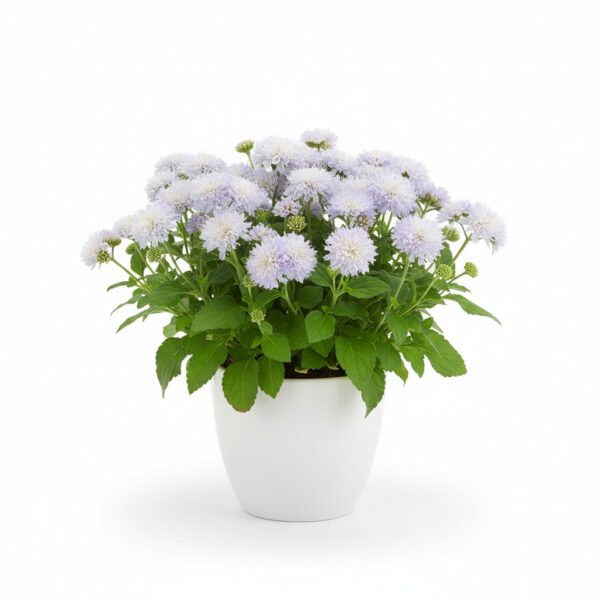
Floss Flower
Ageratum houstonianum
Ageratum houstonianum, commonly known as Floss Flower, is an annual flowering plant characterized by its fuzzy, pom-pom-like flower heads. It typically grows to a height of 6-18 inches. The flowers are most commonly blue, but cultivars are available in pink, white, and purple. It is primarily grown outdoors as a bedding plant or in containers for its long-lasting blooms and attractive appearance. While it can be attempted indoors, it requires very bright light and consistent care to thrive, making it more challenging than other indoor plants.

Larch
Larix decidua
The European Larch (Larix decidua) is a deciduous conifer, meaning it loses its needles in the fall. It's a large tree, typically reaching 25-45 meters (80-150 feet) tall with a conical crown that becomes more irregular with age. The needles are soft, light green, and grow in clusters on short spurs. Larch is primarily grown for its timber, which is strong and durable. It's also planted as an ornamental tree in parks and large gardens, valued for its attractive foliage and golden fall color. It is not suitable as an indoor plant.
Quick Plant Comparison
| Feature | Floss Flower | Larch |
|---|---|---|
| Light | Full sun to partial shade outdoors. Indoors, requires very bright, direct light for at least 6 hours daily. | Full sun (at least 6 hours of direct sunlight per day) |
| Watering | Every 3-7 days outdoors, depending on weather. Every 5-10 days indoors, depending on light and humidity. | Weekly for young trees, monthly or as needed for mature trees during dry periods. |
| Humidity | 40-60% | 30-60% |
| Temperature | 18-24°C | 5-25°C |
| Care Level | Expert | Expert |
| Growth Rate | Moderate | Fast |
| Max Height | 6-18 inches (15-45 cm) indoors, potentially smaller | N/A (Outdoor tree, not suitable for indoor growing) |
| Pet Safety | ❌ Toxic To Pets | ❌ Toxic To Pets |
| Soil | Well-draining potting mix. A mix of peat moss, perlite, and vermiculite is suitable. | Well-drained, slightly acidic soil. Tolerates a range of soil types, including sandy and loamy soils. |
| Beginner Friendly | ❌ No | ❌ No |
| Weekly Maintenance | 10-15 minutes weekly | 30 minutes monthly (mainly for watering and pest control) |
🔬 Botanical Information — Comparing These Plants
Floss Flower
| Scientific Name | Ageratum houstonianum |
|---|---|
| Family | Asteraceae |
| Native To | Central America, Mexico |
| Also Known As | Floss Flower, Blueweed, Mexican Ageratum |
| Leaves | The leaves are oval to heart-shaped, with slightly serrated edges. They are typically medium green in color and have a slightly rough texture. |
| Flowers | It flowers readily outdoors. Indoors, flowering is possible with sufficient light, but less reliable. The flowers are small, fuzzy, and clustered together in dense, pom-pom-like heads. They are most commonly blue, but cultivars are available in pink, white, and purple. |
Larch
| Scientific Name | Larix decidua |
|---|---|
| Family | Pinaceae |
| Native To | Mountains of Central Europe |
| Also Known As | European Larch, Common Larch |
| Leaves | The leaves of Larch are needles, 2-3 cm long, light green, and soft to the touch. They grow in clusters of 30-40 needles on short spurs along the branches. The needles turn golden yellow in the fall before dropping. |
| Flowers | Larch produces small, inconspicuous flowers in the spring. Male flowers are yellow catkins, while female flowers are small, reddish cones. Flowering is not a significant ornamental feature. |
📏 Size & Growth — Plant Comparison
Floss Flower
Larch
🌱 Propagation — Comparing Plant Growth
Floss Flower
Methods: Seed, Stem cuttings
Difficulty: Easy
Tips: For seeds, sow indoors 6-8 weeks before the last frost. For stem cuttings, take 4-6 inch cuttings in spring or summer and root in water or moist potting mix.
Larch
Methods: Seed, Cuttings (difficult)
Difficulty: Difficult
Tips: Seed propagation requires stratification. Cuttings are difficult to root and require specific techniques and rooting hormones.
✨ Benefits & Features — Comparing Plant Value
Floss Flower
The fuzzy, pom-pom-like flower heads are unique and add a soft texture to the garden. The plant's long blooming period provides continuous color throughout the growing season. It is also attractive to pollinators, making it a beneficial addition to any garden.
- ✓ Attracts pollinators
- ✓ Adds vibrant color to the garden
- ✓ Long blooming period
- ✓ Relatively easy to propagate
- ✓ Can be used in cut flower arrangements
- ⚠️ Toxic to pets
Larch
Larch is a deciduous conifer, meaning it loses its needles in the fall, unlike most other conifers. Its soft, light green needles turn a beautiful golden color before dropping, providing a stunning display.
- ✓ Provides valuable timber.
- ✓ Offers beautiful golden fall foliage.
- ✓ Attracts wildlife.
- ✓ Provides shade.
- ✓ Can be used as a windbreak.
- ⚠️ Toxic to pets
📅 Maintenance Schedule — Plant Care Comparison
Floss Flower
Larch
🌞 Light Requirements
Floss Flower
Full sun to partial shade outdoors. Indoors, requires very bright, direct light for at least 6 hours daily.
Low light tolerant: ❌ No
Larch
Full sun (at least 6 hours of direct sunlight per day)
Low light tolerant: ❌ No
💧 Watering Needs
Floss Flower
Water thoroughly when the top inch of soil feels dry. Avoid overwatering, which can lead to root rot. Ensure good drainage. Indoors, allow the soil to dry slightly between waterings. Signs of overwatering include yellowing leaves and wilting, while underwatering results in dry, crispy leaves.
Larch
Young trees require regular watering to establish a strong root system. Mature trees are relatively drought-tolerant but benefit from occasional deep watering during prolonged dry periods. Avoid overwatering, which can lead to root rot. Check soil moisture before watering.
🌡️ Temperature & Humidity
Floss Flower
Temperature: 18-24°C
Humidity: 40-60%
Larch
Temperature: 5-25°C
Humidity: 30-60%
🤔 Which Plant Is Right For You?
Floss Flower
Ageratum houstonianumExperienced gardeners who want a colorful, long-blooming annual for outdoor beds and containers, and are aware of the toxicity to pets.
✅ Choose This Plant If...
- You want a long-blooming annual for your garden.
- You need a plant that attracts butterflies and bees.
- You have a sunny outdoor space.
- You are experienced with plant care and can provide the necessary conditions.
- You are looking for a plant with a unique, fuzzy flower texture.
❌ Skip This Plant If...
- You have pets that may ingest the plant.
- You cannot provide full sun or very bright light.
- You are a beginner gardener.
- You prefer low-maintenance plants.
- You are looking for a plant that thrives indoors.
Larch
Larix deciduaLandowners with ample space looking for a fast-growing timber tree or an ornamental tree with beautiful fall color.
✅ Choose This Plant If...
- You have a large outdoor space to accommodate a large tree.
- You want a fast-growing tree for timber production.
- You appreciate the beauty of deciduous conifers.
- You desire a tree with stunning golden fall foliage.
- You are experienced in caring for large trees.
❌ Skip This Plant If...
- You have a small yard or garden.
- You are looking for an indoor plant.
- You have pets that might ingest the plant.
- You live in a region with very hot, dry summers and poor soil.
- You lack experience caring for trees.
🎯 Quick Verdict
⚡ Key Differences Between These Plants
Floss Flower has moderate growth, while Larch grows fast.
💡 Pro Tips For Comparing These Plants
Floss Flower Care Tips
Floss Flower is primarily an outdoor plant that requires full sun and well-drained soil. Indoor cultivation is challenging due to its high light requirements. It needs consistent watering and fertilization. Toxicity to pets is a significant concern.
- Provide well-draining soil to prevent root rot.
- Deadhead spent flowers regularly to encourage more blooms.
- Fertilize every 2-4 weeks during the growing season.
- Protect from strong winds.
- Monitor for pests and diseases and treat promptly.
Larch Care Tips
Larch is an outdoor tree that requires full sun and well-drained soil. It is not suitable for indoor growing. Indoor attempts will fail due to lack of light, space, and proper dormancy conditions. Requires cold stratification for seed germination.
- Ensure well-drained soil to prevent root rot.
- Water regularly during the first few years to establish a strong root system.
- Monitor for pests and diseases regularly.
- Prune young trees to establish a strong central leader.
- Fertilize in early spring to promote growth.
⚠️ Common Problems & Solutions — Plant Care Comparison
Floss Flower
Larch
❓ Frequently Asked Questions — Comparing These Plants
Floss Flower
What are the light requirements for Floss Flower?
Floss Flower requires at least six hours of direct sunlight per day to thrive and produce abundant blooms. A sunny south-facing window is ideal for indoor cultivation. If natural light is insufficient, supplement with grow lights. Insufficient light can lead to leggy growth and reduced flowering. Rotate the plant regularly to ensure even light exposure on all sides. Avoid placing the plant in overly shaded areas, as this can weaken the plant and make it more susceptible to diseases. Early morning sun is preferable to harsh afternoon sun, especially in hot climates.
How do I care for Floss Flower?
Floss Flower thrives in well-draining soil and prefers a sunny location, although it can tolerate partial shade. Water regularly, especially during hot, dry periods, keeping the soil consistently moist but not waterlogged. Fertilize every 2-3 weeks during the growing season with a balanced liquid fertilizer to promote abundant blooms. Deadhead spent flowers regularly to encourage continuous flowering. Prune back leggy growth to maintain a compact shape. Protect from frost and freezing temperatures, as Floss Flower is sensitive to cold. Indoors, ensure adequate air circulation to prevent fungal diseases. Monitor for pests like aphids and spider mites and treat promptly. Repotting is generally not necessary for annual varieties, but container-grown perennials may benefit from repotting every 1-2 years.
How do I propagate Floss Flower?
Floss Flower is easily propagated by seeds. Sow seeds directly into the garden in spring after the last frost or start indoors 6-8 weeks earlier. For stem cuttings, take 4-6 inch cuttings from healthy stems, remove the lower leaves, and place in water or moist potting mix until roots develop. Division is possible for perennial varieties. Carefully dig up the plant and separate the root ball into smaller sections, ensuring each section has healthy roots and foliage. Replant the divisions in fresh soil. Keiki propagation is not applicable to Floss Flower.
Larch
What are the light requirements for Larch?
Larch trees are sun-loving plants and require bright, direct sunlight to thrive indoors. A south-facing window is ideal, providing at least 6-8 hours of direct sunlight per day. If sufficient natural light is not available, supplement with grow lights. Insufficient light can lead to weak growth, yellowing needles, and poor overall health. Rotate the plant regularly to ensure even light exposure on all sides. During the winter dormancy period, the light requirements are slightly reduced, but still provide as much bright, indirect light as possible. Ensure the tree is not shaded by other plants or objects.
How do I care for Larch?
Larch trees, when grown indoors, require careful attention to mimic their natural environment. Provide bright, direct sunlight, especially during the growing season. Water thoroughly when the top inch of soil is dry, ensuring good drainage to prevent root rot. Use a well-draining bonsai mix or a blend of potting soil, perlite, and sand. Fertilize regularly during the spring and summer with a balanced liquid fertilizer diluted to half strength. Prune regularly to maintain shape and encourage new growth. Repot every 2-3 years, trimming the roots as needed. Provide a period of dormancy in the winter by exposing the tree to cooler temperatures and reduced watering. Maintain adequate humidity, especially during the winter months. Protect from extreme temperature fluctuations and drafts. Monitor for pests and diseases, and treat promptly as needed.
How do I propagate Larch?
Larch trees can be propagated through stem cuttings or air layering. For stem cuttings, take softwood cuttings in the spring or early summer. Dip the cut end in rooting hormone and plant in a well-draining propagation mix. Keep the cuttings moist and provide bright, indirect light. For air layering, make a shallow cut on a branch and wrap it with moist sphagnum moss. Cover the moss with plastic wrap and secure it with tape. Keep the moss moist and wait for roots to develop. Once roots have formed, cut the branch below the roots and plant it in a pot. Both methods require patience and attention to detail. Rooting success can vary depending on the specific Larch species and environmental conditions.
Last updated: May 5, 2026 — Plant care data reviewed and verified by our editorial team.