
Flamingo Flower vs Night Blooming Cereus Plant Comparison
Compare these two plants side by side — care needs, key differences, and which is right for your home.
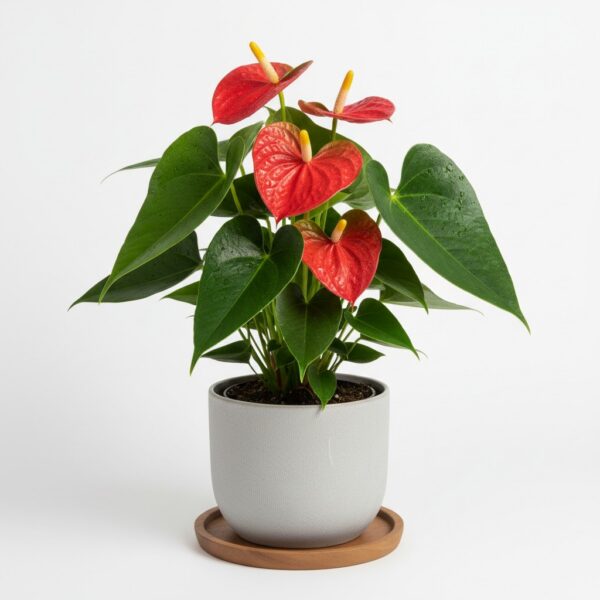
Flamingo Flower
Anthurium andraeanum
Anthurium andraeanum, commonly known as the Flamingo Flower, is a popular tropical plant admired for its vibrant, heart-shaped spathe (modified leaf) and spadix (flower spike). It is an epiphyte in its natural habitat, growing on other plants. While it can be grown indoors, it requires specific conditions to thrive. People grow it for its long-lasting, showy 'flowers' that add a splash of color to indoor spaces. The plant's glossy, dark green foliage also contributes to its ornamental appeal. It is not naturally an indoor plant, but can adapt with proper care.

Night Blooming Cereus
Selenicereus grandiflorus
Selenicereus grandiflorus, commonly known as Night Blooming Cereus, is an epiphytic or lithophytic cactus characterized by its long, sprawling, and often climbing stems. These stems are typically green to grayish-green, ribbed, and may have aerial roots. It is primarily grown for its spectacular, large, white, and highly fragrant flowers that bloom only at night and wither by dawn. This plant is naturally an outdoor plant, thriving in tropical and subtropical climates. People cultivate it for its unique nocturnal blooms and sweet vanilla-like fragrance.
Quick Plant Comparison
| Feature | Flamingo Flower | Night Blooming Cereus |
|---|---|---|
| Light | Bright, indirect light. Avoid direct sunlight, which can scorch the leaves. | Bright indirect light to full sun. Requires several hours of direct sunlight for optimal growth and flowering. |
| Watering | Every 7-10 days, depending on environmental conditions. | Every 1-2 weeks during the growing season, less frequently in winter. |
| Humidity | 60-80% | 40-60% |
| Temperature | 18-27°C | 18-27°C |
| Care Level | Moderate | Expert |
| Growth Rate | Moderate | Moderate |
| Max Height | 30-60 cm | Up to 3 meters (indoors, if supported), much larger outdoors. |
| Pet Safety | ❌ Toxic To Pets | ❌ Toxic To Pets |
| Soil | Well-draining potting mix, such as a mix of peat moss, perlite, and orchid bark. | Well-draining cactus mix or a mix of potting soil, perlite, and sand. |
| Beginner Friendly | With Caution | ❌ No |
| Weekly Maintenance | 15 minutes weekly | 30 minutes weekly (including watering, fertilizing, and pest checks). |
🔬 Botanical Information — Comparing These Plants
Flamingo Flower
| Scientific Name | Anthurium andraeanum |
|---|---|
| Family | Araceae |
| Native To | Colombia and Ecuador |
| Also Known As | Flamingo Flower, Painter's Palette, Tailflower |
| Leaves | Large, heart-shaped leaves with a glossy, dark green color. The leaves are typically 15-30 cm long and have prominent veins. |
| Flowers | Anthurium andraeanum flowers indoors, producing a colorful spathe (modified leaf) that surrounds the spadix (flower spike). The spathe is typically red, pink, white, or orange, and the spadix is usually yellow or white. The flowers can last for several weeks. |
Night Blooming Cereus
| Scientific Name | Selenicereus grandiflorus |
|---|---|
| Family | Cactaceae |
| Native To | Native to the West Indies, Mexico, and Central America |
| Also Known As | Queen of the Night, Large-flowered Cactus, Sweet-scented Cactus, Vanilla Cactus |
| Leaves | The plant does not have true leaves; instead, it has green to grayish-green, ribbed stems that function as photosynthetic organs. The stems are typically 2-3 cm in diameter and have small areoles with spines. |
| Flowers | The flowers are large, white, and highly fragrant, typically 20-30 cm in diameter. They bloom only at night and wither by dawn. Flowering indoors is rare and requires optimal conditions. |
📏 Size & Growth — Plant Comparison
Flamingo Flower
Night Blooming Cereus
🌱 Propagation — Comparing Plant Growth
Flamingo Flower
Methods: Division, Stem cuttings, Seed (though rare indoors)
Difficulty: Moderate
Tips: Divide the plant at the roots during repotting. Stem cuttings can be rooted in water or moist sphagnum moss. Ensure high humidity for successful rooting.
Night Blooming Cereus
Methods: Stem cuttings, Seed
Difficulty: Easy
Tips: Allow stem cuttings to callous over for a few days before planting in well-draining soil. Keep the soil lightly moist until roots develop.
✨ Benefits & Features — Comparing Plant Value
Flamingo Flower
The vibrant, heart-shaped spathe is its most distinctive feature. Unlike true flowers, the spathe is a modified leaf that surrounds the spadix, which bears the actual flowers. The long-lasting nature of the spathe makes it a popular choice for indoor decoration.
- ✓ Adds a vibrant splash of color to indoor spaces.
- ✓ Creates a tropical atmosphere.
- ✓ Relatively long-lasting blooms.
- ✓ Can improve indoor air quality slightly.
- ✓ Offers a sense of accomplishment for successful care.
- 🌬️ NASA-verified air purifier
- ⚠️ Toxic to pets
Night Blooming Cereus
The ephemeral nature of its blooms, opening only for one night, makes it a highly prized and sought-after plant. Its sweet vanilla-like fragrance is also a distinctive characteristic. The plant's epiphytic nature allows it to grow on other plants or rocks in its natural habitat.
- ✓ Unique and dramatic blooms provide a visual spectacle.
- ✓ Sweet fragrance enhances the ambiance of the space, even if briefly.
- ✓ Offers a sense of accomplishment for experienced gardeners.
- ✓ Provides an interesting conversation starter for guests.
- ✓ Can be propagated to create more plants or share with others.
- ⚠️ Toxic to pets
📅 Maintenance Schedule — Plant Care Comparison
Flamingo Flower
Night Blooming Cereus
🌞 Light Requirements
Flamingo Flower
Bright, indirect light. Avoid direct sunlight, which can scorch the leaves.
Low light tolerant: ❌ No
Night Blooming Cereus
Bright indirect light to full sun. Requires several hours of direct sunlight for optimal growth and flowering.
Low light tolerant: ❌ No
💧 Watering Needs
Flamingo Flower
Water thoroughly when the top inch of soil feels dry to the touch. Ensure good drainage to prevent root rot. Overwatering can lead to yellowing leaves and root rot. Underwatering results in drooping leaves and dry, crispy edges.
Night Blooming Cereus
Water thoroughly when the top inch of soil is dry. Reduce watering during the dormant winter months. Overwatering can lead to root rot, indicated by yellowing and mushy stems. Underwatering results in shriveled stems and lack of flowering.
🌡️ Temperature & Humidity
Flamingo Flower
Temperature: 18-27°C
Humidity: 60-80%
Night Blooming Cereus
Temperature: 18-27°C
Humidity: 40-60%
🤔 Which Plant Is Right For You?
Flamingo Flower
Anthurium andraeanumPlant enthusiasts who can provide the necessary humidity and bright, indirect light.
✅ Choose This Plant If...
- You want a long-lasting, colorful 'flower' display indoors.
- You can provide high humidity levels.
- You have a bright, indirectly lit space.
- You enjoy a plant that requires a bit more attention.
- You appreciate the tropical aesthetic.
❌ Skip This Plant If...
- You have pets that might ingest the plant.
- You struggle to maintain high humidity levels.
- You tend to overwater plants.
- You prefer low-maintenance plants.
Night Blooming Cereus
Selenicereus grandiflorusExperienced plant enthusiasts who can provide the necessary light and space for this plant to thrive, ideally in a greenhouse or outdoor setting.
✅ Choose This Plant If...
- You want a plant with dramatic, fragrant blooms, even if only for one night.
- You have a greenhouse or sunny outdoor space where it can thrive.
- You are an experienced gardener who enjoys a challenge.
- You are fascinated by nocturnal plants and their unique adaptations.
- You want to propagate and share cuttings with friends.
❌ Skip This Plant If...
- You have limited space indoors.
- You cannot provide very bright light.
- You have pets that might ingest the plant.
- You are a beginner gardener.
- You want a plant that flowers frequently and for extended periods.
🎯 Quick Verdict
⚡ Key Differences Between These Plants
Flamingo Flower is rated Moderate care level, while Night Blooming Cereus is Expert.
💡 Pro Tips For Comparing These Plants
Flamingo Flower Care Tips
Flamingo Flowers require bright, indirect light, high humidity, and well-draining soil. Maintaining consistent moisture without overwatering is crucial. They are prone to root rot if drainage is poor. Regular fertilization during the growing season promotes flowering. Providing adequate humidity is often the biggest challenge indoors.
- Mist the plant regularly to increase humidity.
- Use filtered water to avoid mineral buildup on leaves.
- Wipe leaves with a damp cloth to remove dust.
- Provide good air circulation to prevent fungal diseases.
- Avoid placing near drafts or heating vents.
Night Blooming Cereus Care Tips
Night Blooming Cereus is primarily an outdoor plant that can be challenging to grow indoors due to its high light requirements and sprawling growth habit. It needs very bright light, well-draining soil, and careful watering to thrive. Flowering indoors is rare without optimal conditions. It is also toxic to pets.
- Provide a trellis or support structure for the stems to climb.
- Ensure excellent drainage to prevent root rot.
- Water deeply but infrequently, allowing the soil to dry out between waterings.
- Fertilize regularly during the growing season to promote flowering.
- Provide a period of cooler temperatures in winter to encourage flower bud formation.
⚠️ Common Problems & Solutions — Plant Care Comparison
Flamingo Flower
Night Blooming Cereus
❓ Frequently Asked Questions — Comparing These Plants
Flamingo Flower
What are the light requirements for Flamingo Flower?
Anthuriums need bright, indirect light to thrive and bloom. Direct sunlight can scorch their delicate leaves, causing unsightly brown spots. The ideal location is near an east-facing window, where they receive gentle morning sun. A north-facing window can also provide adequate light, although you may need to supplement with artificial lighting during the darker winter months.
How do I care for Flamingo Flower?
Anthuriums thrive in bright, indirect light; avoid direct sunlight, which can scorch their leaves. Water thoroughly when the top inch of soil feels dry, allowing excess water to drain. Maintain high humidity (60-80%) by misting regularly, using a humidifier, or placing the plant on a pebble tray filled with water. Use a well-draining potting mix, such as an orchid mix or a mix of peat moss, perlite, and bark.
How do I propagate Flamingo Flower?
Anthuriums can be propagated through division, stem cuttings, or keiki (offsets).
Night Blooming Cereus
What are the light requirements for Night Blooming Cereus?
Night Blooming Cereus thrives in bright, indirect light. Direct sunlight can scorch the stems, especially during the hottest part of the day. An east-facing window is often ideal, providing gentle morning sun. A west-facing window can also work, but be sure to provide some shade during the afternoon.
How do I care for Night Blooming Cereus?
Night Blooming Cereus requires bright, indirect light, especially during the growing season. Water sparingly, allowing the soil to dry out completely between waterings. Overwatering is a common cause of problems. Use a well-draining cactus mix and a pot with drainage holes. Fertilize lightly during the growing season (spring and summer) with a balanced cactus fertilizer.
How do I propagate Night Blooming Cereus?
Night Blooming Cereus can be propagated through offsets, seeds, or grafting. Offsets are the easiest method. Simply detach a healthy offset from the main plant and allow the cut end to callus over for a few days. Then, plant the offset in well-draining cactus mix and water sparingly until roots develop.
Last updated: April 30, 2026 — Plant care data reviewed and verified by our editorial team.