
Flame of the Woods vs Willow Plant Comparison
Compare these two plants side by side — care needs, key differences, and which is right for your home.
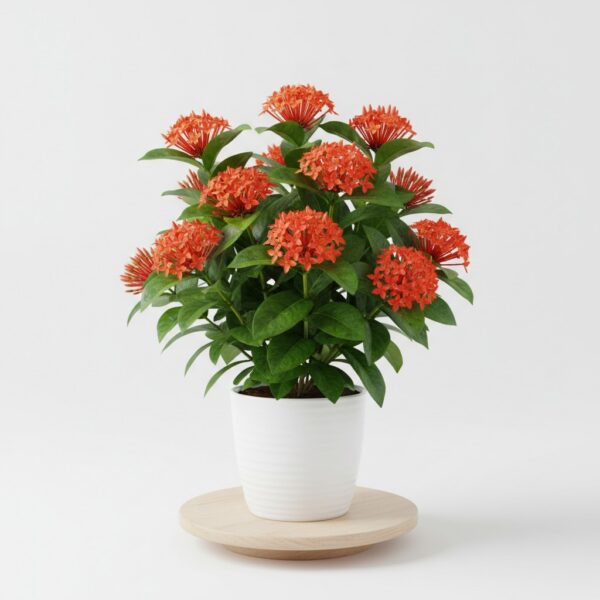
Flame of the Woods
Ixora coccinea
Ixora coccinea, commonly known as Flame of the Woods, is a tropical evergreen shrub or small tree prized for its vibrant clusters of small, star-shaped flowers. The flowers typically come in shades of red, orange, yellow, or pink. It is a popular ornamental plant in warm climates, often used in hedges and foundation plantings. While it can be grown indoors, it requires very specific conditions and is more commonly cultivated outdoors. People grow it for its showy blooms and dense foliage, adding a splash of color to landscapes.

Willow
Salix spp.
Willows are deciduous trees or shrubs characterized by their slender branches and lance-shaped leaves. They are known for their rapid growth and adaptability to moist environments. Many species, such as the Weeping Willow (Salix babylonica), are cultivated for their graceful, drooping branches, making them popular ornamental trees in parks and gardens. Willows are primarily outdoor plants and are rarely, if ever, suitable for indoor cultivation due to their size and environmental needs.
Quick Plant Comparison
| Feature | Flame of the Woods | Willow |
|---|---|---|
| Light | Full sun to partial shade. Requires at least 6 hours of direct sunlight daily to flower profusely. | Full sun to partial shade |
| Watering | Every 2-5 days outdoors, potentially less frequently indoors depending on light and humidity. | 2-3 times per week, depending on weather and soil drainage |
| Humidity | 50-70% | 30-60% |
| Temperature | 21-27°C | 10-25°C |
| Care Level | Expert | Expert |
| Growth Rate | Moderate | Fast |
| Max Height | Indoors: 0.6-1.2 meters (2-4 feet). Outdoors: 1.2-3 meters (4-10 feet). | Rarely grown indoors, but outdoors can reach 15-25 meters |
| Pet Safety | ❌ Toxic To Pets | ❌ Toxic To Pets |
| Soil | Well-draining, slightly acidic soil rich in organic matter. A mix of potting soil, peat moss, and perlite is suitable. | Well-drained, moist soil; tolerates a wide range of soil types, including clay and sandy soils |
| Beginner Friendly | ❌ No | ❌ No |
| Weekly Maintenance | 30 minutes weekly | 15 minutes weekly (watering, checking for pests) |
🔬 Botanical Information — Comparing These Plants
Flame of the Woods
| Scientific Name | Ixora coccinea |
|---|---|
| Family | Rubiaceae |
| Native To | India, Sri Lanka |
| Also Known As | Flame of the Woods, Jungle Flame, Jungle Geranium, Scarlet Ixora |
| Leaves | The leaves of Ixora coccinea are opposite, simple, and oblong-lanceolate in shape. They are typically 5-10 cm long and 2-4 cm wide. The leaves are glossy green and have a leathery texture. |
| Flowers | Ixora coccinea rarely flowers indoors unless provided with very specific conditions. Outdoors, it produces clusters of small, star-shaped flowers in shades of red, orange, yellow, or pink. The flowers are fragrant and attract pollinators. |
Willow
| Scientific Name | Salix spp. |
|---|---|
| Family | Salicaceae |
| Native To | Various species native to temperate and arctic regions of the Northern Hemisphere |
| Also Known As | Willow, Weeping Willow, Pussy Willow |
| Leaves | Willow leaves are typically lance-shaped, long and narrow, with finely toothed margins. The color varies depending on the species, ranging from light green to bluish-green. The leaves are usually alternate along the stem. |
| Flowers | Willows produce catkins, which are cylindrical clusters of small, inconspicuous flowers. They are rarely seen indoors, as willows are not typically grown indoors. |
📏 Size & Growth — Plant Comparison
Flame of the Woods
Willow
🌱 Propagation — Comparing Plant Growth
Flame of the Woods
Methods: Stem cuttings, Air layering, Seed
Difficulty: Moderate
Tips: Take semi-hardwood cuttings in spring or summer. Dip the cut end in rooting hormone and plant in a well-draining potting mix. Keep the cuttings moist and in a warm, humid environment.
Willow
Methods: Stem cuttings, Seed
Difficulty: Easy
Tips: Take stem cuttings in late winter or early spring. Root them in water or directly in moist soil. Willow roots easily.
✨ Benefits & Features — Comparing Plant Value
Flame of the Woods
Ixora coccinea is known for its vibrant, long-lasting flower clusters that come in a variety of colors. Its dense foliage and compact growth habit make it a popular choice for hedges and foundation plantings. It is also a favorite among butterfly and hummingbird enthusiasts.
- ✓ Adds vibrant color to the landscape.
- ✓ Attracts pollinators like butterflies and hummingbirds.
- ✓ Provides a tropical aesthetic.
- ✓ Can be used as a hedge or screen.
- ✓ Offers a sense of accomplishment for experienced gardeners.
- ⚠️ Toxic to pets
Willow
Willows are known for their graceful, weeping branches and their ability to thrive in wet conditions. They are also a source of salicin, a natural compound with pain-relieving properties.
- ✓ Provides shade and shelter for wildlife.
- ✓ Helps prevent soil erosion in wet areas.
- ✓ Adds beauty and elegance to the landscape.
- ✓ Historically used for medicinal purposes.
- ✓ Fast-growing and relatively easy to establish.
- ⚠️ Toxic to pets
📅 Maintenance Schedule — Plant Care Comparison
Flame of the Woods
Willow
🌞 Light Requirements
Flame of the Woods
Full sun to partial shade. Requires at least 6 hours of direct sunlight daily to flower profusely.
Low light tolerant: ❌ No
Willow
Full sun to partial shade
Low light tolerant: ❌ No
💧 Watering Needs
Flame of the Woods
Water thoroughly when the top inch of soil feels dry. Avoid overwatering, which can lead to root rot. Signs of overwatering include yellowing leaves and wilting, even when the soil is moist. Underwatering is indicated by drooping leaves and dry, crispy edges.
Willow
Willows require consistently moist soil, especially when young. Water deeply and regularly, ensuring the soil doesn't dry out completely. Overwatering can lead to root rot, indicated by yellowing leaves and a foul odor from the soil. Underwatering results in wilting and leaf drop.
🌡️ Temperature & Humidity
Flame of the Woods
Temperature: 21-27°C
Humidity: 50-70%
Willow
Temperature: 10-25°C
Humidity: 30-60%
🤔 Which Plant Is Right For You?
Flame of the Woods
Ixora coccineaExperienced gardeners in warm climates who want a vibrant flowering shrub for their landscape.
✅ Choose This Plant If...
- You live in a warm, humid climate with plenty of sunshine.
- You want to attract butterflies and hummingbirds to your garden.
- You are an experienced gardener looking for a rewarding challenge.
- You appreciate vibrant, long-lasting blooms.
- You have a greenhouse or sunroom where you can provide the necessary light and humidity.
❌ Skip This Plant If...
- You have pets that might ingest the plant.
- You live in a cold climate with limited sunlight.
- You are a beginner gardener.
- You don't have the time to provide the high level of care required.
- You don't have a bright, sunny location.
Willow
Salix spp.Gardeners with large outdoor spaces who want a fast-growing, ornamental tree.
✅ Choose This Plant If...
- You have a large outdoor space and want a fast-growing shade tree.
- You need a plant for erosion control in a wet area.
- You appreciate the graceful, weeping form of the tree.
- You want a tree that provides habitat for wildlife.
- You are interested in the historical medicinal uses of willow bark.
❌ Skip This Plant If...
- You have a small garden or limited space.
- You are looking for an indoor plant.
- You have pets that might ingest the plant.
- You live in an arid climate with limited water resources.
🎯 Quick Verdict
⚡ Key Differences Between These Plants
Flame of the Woods has moderate growth, while Willow grows fast.
💡 Pro Tips For Comparing These Plants
Flame of the Woods Care Tips
Ixora coccinea is challenging to grow indoors due to its high light and humidity requirements. It needs bright, direct sunlight and consistently moist, well-draining soil. Maintaining adequate humidity is crucial. Regular fertilization is also necessary to promote flowering. It is best suited for outdoor cultivation in warm climates.
- Provide at least 6 hours of direct sunlight daily.
- Maintain high humidity levels by misting regularly or using a humidifier.
- Water thoroughly when the top inch of soil feels dry, but avoid overwatering.
- Fertilize regularly during the growing season with a balanced fertilizer.
- Prune after flowering to maintain shape and encourage bushier growth.
Willow Care Tips
Willows are primarily outdoor trees and are not suitable for indoor cultivation. Their large size, high light requirements, and need for consistent moisture make them challenging to grow indoors. Attempting to grow a willow indoors will likely result in a stressed and unhealthy plant.
- Plant in a location with ample space for growth.
- Water deeply and regularly, especially during dry periods.
- Prune annually to maintain shape and remove dead or diseased branches.
- Monitor for pests and diseases and treat promptly.
- Mulch around the base of the tree to retain moisture and suppress weeds.
⚠️ Common Problems & Solutions — Plant Care Comparison
Flame of the Woods
Willow
❓ Frequently Asked Questions — Comparing These Plants
Flame of the Woods
What are the light requirements for Flame of the Woods?
Flame of the Woods requires bright, indirect light to thrive and produce abundant blooms. Insufficient light can result in leggy growth and a lack of flowering. A location near an east-facing or west-facing window is ideal, providing ample light without the harshness of direct sunlight. If placed near a south-facing window, use sheer curtains to filter the light. Rotate the plant regularly to ensure even light exposure on all sides. During the winter months, when light levels are lower, consider supplementing with a grow light to maintain adequate illumination. Avoid placing the plant in deep shade, as this will significantly hinder its growth and flowering potential. The plant’s leaves should be a healthy green color; pale or yellowing leaves may indicate insufficient light.
How do I care for Flame of the Woods?
Flame of the Woods thrives with bright, indirect light; direct sunlight can scorch its leaves. Water thoroughly when the top inch of soil feels dry, ensuring proper drainage to prevent root rot. Maintain high humidity levels by misting regularly or using a humidifier, especially in drier climates. Fertilize every 2-3 weeks during the growing season (spring and summer) with a balanced, water-soluble fertilizer formulated for flowering plants. Reduce fertilizing in fall and winter. Prune after flowering to maintain shape and encourage bushier growth. Repot every 1-2 years in spring, using a well-draining potting mix. Keep the plant in temperatures between 65-80°F (18-27°C). Avoid exposing it to temperatures below 60°F (15°C). Check regularly for pests like spider mites and mealybugs, and treat promptly if found. Ensure good air circulation to prevent fungal diseases. Provide a slightly acidic soil pH for optimal growth.
How do I propagate Flame of the Woods?
Flame of the Woods can be propagated through stem cuttings. Take a 4-6 inch cutting from a healthy stem, removing the lower leaves. Dip the cut end in rooting hormone and plant in a well-draining potting mix. Keep the soil moist and provide high humidity by covering the cutting with a plastic bag or dome. Place in bright, indirect light. Roots should develop in 4-6 weeks. Division is possible, but less common. Keiki propagation is not applicable to this species. Ensure the parent plant is healthy before taking cuttings. Maintain a warm environment for successful rooting.
Willow
What are the light requirements for Willow?
Willows grown indoors need bright, indirect light to flourish. A location near an east- or west-facing window is ideal, providing several hours of gentle sunlight each day. Avoid placing your Willow in direct, intense sunlight, especially during the hottest part of the day, as this can cause leaf scorch.
How do I care for Willow?
Indoor Willow trees require bright, indirect light to thrive; avoid direct sunlight, which can scorch the leaves. Water thoroughly when the top inch of soil feels dry to the touch, ensuring proper drainage to prevent root rot. Maintain a consistent level of moisture, but do not allow the plant to sit in standing water.
How do I propagate Willow?
Willows are relatively easy to propagate using stem cuttings or air layering. For stem cuttings, take a 6-8 inch cutting from a healthy branch. Remove the lower leaves and dip the cut end in rooting hormone. Plant the cutting in moist potting mix and cover with a plastic bag to create a humid environment. Keep the soil moist and provide bright, indirect light. Roots should develop within a few weeks.
Last updated: April 22, 2026 — Plant care data reviewed and verified by our editorial team.