
Fern vs Passion Vine Plant Comparison
Compare these two plants side by side — care needs, key differences, and which is right for your home.

Fern
Nephrolepis exaltata
The Boston Fern is a classic houseplant known for its graceful, arching fronds. It's an evergreen perennial that thrives in humid environments. The fronds are composed of numerous small, sword-shaped leaflets (pinnae) giving it a lush, feathery appearance. While naturally an outdoor plant in tropical and subtropical climates, it's widely grown indoors for its air-purifying qualities and aesthetic appeal. It adds a touch of natural elegance to any space, making it a popular choice for homes and offices.
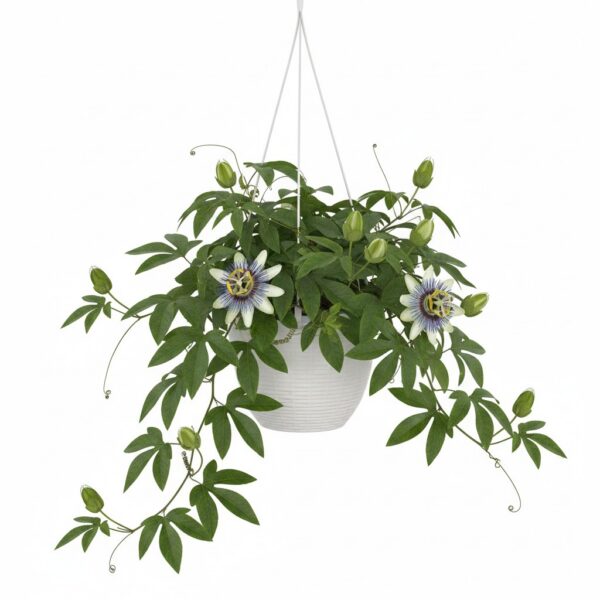
Passion Vine
Passiflora spp.
Passion vines are vigorous, tendril-climbing vines known for their intricate and beautiful flowers. Native to the Americas, they are primarily outdoor plants that thrive in warm climates. The flowers are followed by edible (in some species) fruits. People grow them for their ornamental value, the potential for fruit production, and to attract pollinators like butterflies and hummingbirds. Indoor cultivation is challenging due to high light and humidity needs.
Quick Plant Comparison
| Feature | Fern | Passion Vine |
|---|---|---|
| Light | Bright, indirect light. Avoid direct sunlight, which can scorch the fronds. | Full sun to partial shade. Requires at least 6 hours of direct sunlight daily for optimal growth and flowering. |
| Watering | Every 2-5 days, depending on humidity and light levels | Every 3-7 days, depending on environmental conditions and pot size. |
| Humidity | 50-80% | 50-70% |
| Temperature | 18-24°C | 18-27°C |
| Care Level | Moderate | Expert |
| Growth Rate | Moderate | Fast |
| Max Height | 0.3-1 meter (1-3 feet) indoors | 1-3 meters (indoors, with support) |
| Pet Safety | ✅ Safe | ❌ Toxic To Pets |
| Soil | Well-draining potting mix rich in organic matter, such as peat moss or coco coir. | Well-draining potting mix with added perlite or sand. |
| Beginner Friendly | With Caution | ❌ No |
| Weekly Maintenance | 10-15 minutes weekly | 30 minutes weekly |
🔬 Botanical Information — Comparing These Plants
Fern
| Scientific Name | Nephrolepis exaltata |
|---|---|
| Family | Nephrolepidaceae |
| Native To | Tropical regions worldwide, including Florida, the West Indies, Mexico, Central and South America, Africa, and Polynesia |
| Also Known As | Boston Fern, Sword Fern |
| Leaves | The fronds are light green and finely divided, composed of numerous small, sword-shaped leaflets (pinnae). The fronds are typically 50-75 cm long and create a lush, feathery appearance. |
| Flowers | Ferns do not flower. They reproduce via spores, which are typically found on the underside of the fronds. |
Passion Vine
| Scientific Name | Passiflora spp. |
|---|---|
| Family | Passifloraceae |
| Native To | Americas (primarily tropical and subtropical regions) |
| Also Known As | Passion Flower, Passionfruit Vine, Maypop |
| Leaves | Leaves are typically lobed or palmate, with 3-7 lobes, depending on the species. They are usually green and can vary in size from 5-20 cm in length. |
| Flowers | Passion flowers rarely bloom indoors. Outdoors, the flowers are large (5-10 cm in diameter) and have a distinctive structure with prominent stamens and petals. Colors range from white and pink to purple and red. |
📏 Size & Growth — Plant Comparison
Fern
Passion Vine
🌱 Propagation — Comparing Plant Growth
Fern
Methods: Division, Spores (difficult)
Difficulty: Moderate
Tips: Divide the plant at the root ball during repotting. Ensure each division has healthy fronds and roots. Keep the divisions consistently moist and humid until established.
Passion Vine
Methods: Stem cuttings, Seed
Difficulty: Moderate
Tips: Take stem cuttings in spring or summer. Dip the cut end in rooting hormone and plant in moist potting mix. Keep the cutting in a warm, humid environment. Seeds require scarification and stratification for best results.
✨ Benefits & Features — Comparing Plant Value
Fern
Boston Ferns are known for their gracefully arching fronds and air-purifying abilities. They are relatively easy to care for compared to some other ferns, making them a popular choice for indoor gardeners.
- ✓ Improved air quality
- ✓ Adds a touch of nature to indoor spaces
- ✓ Creates a relaxing and calming atmosphere
- ✓ Relatively easy to propagate
- ✓ Can help regulate humidity levels
- 🌬️ NASA-verified air purifier
- 🐾 Pet Safe
Passion Vine
The intricate and exotic flowers are the most unique characteristic. The flower structure is complex and symbolic. Some species produce edible fruit.
- ✓ Ornamental value with unique and beautiful flowers.
- ✓ Potential for edible fruit (depending on the species).
- ✓ Attracts pollinators like butterflies and hummingbirds.
- ✓ Can provide shade and privacy when grown outdoors.
- ✓ Offers a sense of accomplishment for experienced gardeners.
- ⚠️ Toxic to pets
📅 Maintenance Schedule — Plant Care Comparison
Fern
Passion Vine
🌞 Light Requirements
Fern
Bright, indirect light. Avoid direct sunlight, which can scorch the fronds.
Low light tolerant: ✅ Yes
Passion Vine
Full sun to partial shade. Requires at least 6 hours of direct sunlight daily for optimal growth and flowering.
Low light tolerant: ❌ No
💧 Watering Needs
Fern
Keep the soil consistently moist but not soggy. Water thoroughly when the top inch of soil feels dry to the touch. Overwatering can lead to root rot, while underwatering will cause the fronds to turn brown and crispy. Ensure good drainage.
Passion Vine
Water deeply when the top inch of soil feels dry. Avoid overwatering, which can lead to root rot. Signs of underwatering include wilting leaves and dry soil. Overwatering signs include yellowing leaves and soggy soil.
🌡️ Temperature & Humidity
Fern
Temperature: 18-24°C
Humidity: 50-80%
Passion Vine
Temperature: 18-27°C
Humidity: 50-70%
🤔 Which Plant Is Right For You?
Fern
Nephrolepis exaltataIndividuals who can provide consistent moisture and high humidity for their plants.
✅ Choose This Plant If...
- You want a classic, elegant houseplant
- You are looking for a plant that helps purify the air
- You can provide a humid environment for the plant
- You enjoy the lush, green foliage of ferns
- You have a spot with bright, indirect light
❌ Skip This Plant If...
- You struggle to maintain consistent watering schedules
- You live in a very dry climate and cannot provide adequate humidity
- You are prone to pest infestations and don't want to deal with them
Passion Vine
Passiflora spp.Experienced gardeners who can provide the specific environmental conditions required for this plant to thrive indoors or outdoors in suitable climates.
✅ Choose This Plant If...
- You want a unique and visually stunning plant with intricate flowers.
- You have a greenhouse or sunroom where you can provide ample light and humidity.
- You are an experienced gardener looking for a challenging and rewarding plant to grow.
- You live in a warm climate where you can grow it outdoors and potentially harvest fruit.
- You want to attract pollinators like butterflies and hummingbirds to your garden.
❌ Skip This Plant If...
- You have pets that might ingest the plant.
- You lack a bright, sunny location with high humidity.
- You are a beginner gardener.
- You don't have the time or space to prune and maintain a vigorous vine.
🎯 Quick Verdict
⚡ Key Differences Between These Plants
Fern is rated Moderate care level, while Passion Vine is Expert.
Fern has moderate growth, while Passion Vine grows fast.
💡 Pro Tips For Comparing These Plants
Fern Care Tips
Boston Ferns require consistent moisture and high humidity to thrive indoors. They are relatively easy to care for if their environmental needs are met. Brown fronds are a common issue due to low humidity or inconsistent watering.
- Mist the fronds regularly to increase humidity
- Use distilled or filtered water to avoid mineral buildup on the fronds
- Avoid placing the plant near drafts or heating vents
- Rotate the plant regularly to ensure even growth
- Check for pests regularly and treat promptly
Passion Vine Care Tips
Passion vines are challenging to grow indoors due to their high light, humidity, and space requirements. They need a strong support structure to climb. Regular pruning is necessary to control their vigorous growth. Providing adequate light and humidity is crucial for flowering and overall health.
- Provide a sturdy trellis or support structure for the vine to climb.
- Ensure excellent drainage to prevent root rot.
- Maintain high humidity levels, especially indoors.
- Prune regularly to control growth and encourage flowering.
- Monitor for pests and treat promptly.
⚠️ Common Problems & Solutions — Plant Care Comparison
Fern
Passion Vine
❓ Frequently Asked Questions — Comparing These Plants
Fern
What are the light requirements for Fern?
Ferns prefer bright, indirect light. Direct sunlight can scorch their delicate fronds, causing them to turn brown and crispy. An east-facing window is often ideal, providing gentle morning light. A north-facing window can also work if the light is bright enough. If placed near a south or west-facing window, use a sheer curtain to filter the light. Insufficient light can lead to leggy growth and pale fronds. Observe your fern carefully; if the fronds appear faded or are growing slowly, it may need more light. Rotate the plant regularly to ensure even light exposure on all sides. Artificial light can also supplement natural light, especially during the darker winter months. Fluorescent or LED grow lights are effective options, placed about 12-18 inches above the plant.
How do I care for Fern?
Ferns require consistent moisture and high humidity to thrive. Water thoroughly when the top inch of soil feels dry, ensuring good drainage to prevent root rot. Maintain humidity levels above 60% by misting regularly, using a humidifier, or placing the fern on a pebble tray filled with water. Provide bright, indirect light, avoiding direct sunlight which can scorch the fronds. Use a well-draining potting mix rich in organic matter. Fertilize monthly during the growing season (spring and summer) with a balanced liquid fertilizer diluted to half strength. Repot annually in the spring, selecting a pot only slightly larger than the previous one. Remove any dead or yellowing fronds to encourage new growth. Protect ferns from drafts and sudden temperature changes. Monitor for pests such as spider mites and scale, and treat promptly with insecticidal soap or neem oil. Pruning is generally not necessary, but trimming away damaged fronds can improve the plant’s appearance.
How do I propagate Fern?
Ferns can be propagated through division or by spores. Division is best done in the spring during repotting. Carefully separate the root ball into two or more sections, ensuring each section has healthy fronds and roots. Plant each section in its own pot with fresh potting mix. Keep the soil consistently moist and provide high humidity. Spore propagation is more challenging. Collect spores from mature fronds and sow them on a moist, sterile growing medium. Cover with a humidity dome or plastic bag and keep in a warm, shaded location. Spores require consistently high humidity and can take several weeks or months to germinate. Once the spores have germinated and formed small plantlets, gradually acclimate them to lower humidity levels. Transplant the plantlets into individual pots when they are large enough to handle.
Passion Vine
What are the light requirements for Passion Vine?
Passion Vine thrives in bright, direct sunlight. Aim for at least 6 hours of sunlight per day for optimal flowering and growth. An east- or south-facing window is ideal for indoor plants. If you don’t have access to sufficient natural light, consider supplementing with a grow light. Insufficient light can lead to leggy growth, fewer flowers, and pale leaves. During the summer months, you can move your Passion Vine outdoors to a sunny location, but be sure to acclimate it gradually to prevent sunburn. Rotate the plant regularly to ensure even growth on all sides.
How do I care for Passion Vine?
Caring for Passion Vine involves providing the right balance of light, water, and support. Place your Passion Vine in a location that receives at least 6 hours of direct sunlight per day for optimal flowering. Water thoroughly when the top inch of soil feels dry, ensuring good drainage to prevent root rot. Provide a trellis, fence, or other support structure for the vine to climb and twine. Prune regularly to maintain its shape and encourage bushier growth. Fertilize every 2-4 weeks during the growing season (spring and summer) with a balanced liquid fertilizer. Monitor for pests such as aphids and spider mites, and treat promptly if necessary. Repot every 1-2 years as needed, using a well-draining potting mix. With proper care, your Passion Vine will reward you with stunning blooms and lush foliage.
How do I propagate Passion Vine?
Passion Vine is easily propagated through stem cuttings or layering.
Last updated: May 14, 2026 — Plant care data reviewed and verified by our editorial team.