
Fairy Rose vs Pacific Dogwood Plant Comparison
Compare these two plants side by side — care needs, key differences, and which is right for your home.
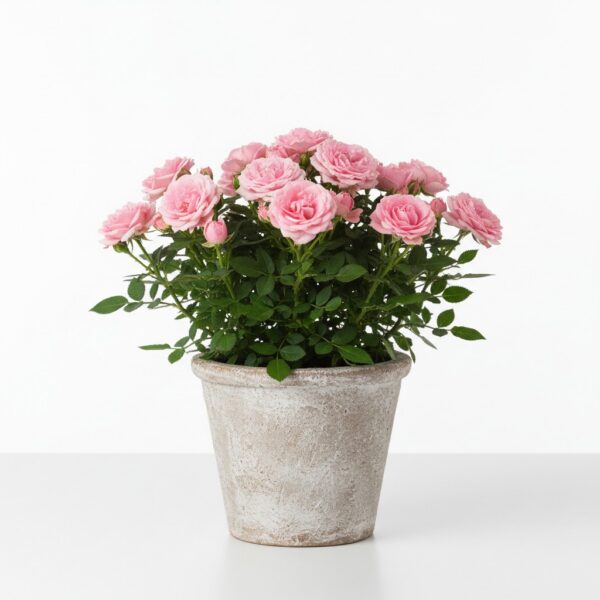
Fairy Rose
Rosa chinensis minima
Fairy Roses, or Miniature Roses, are compact versions of standard roses, typically growing to a height of 6-24 inches. They are characterized by their small, delicate flowers and proportionally sized leaves. These roses are popular for their long blooming season and are often grown in gardens, containers, and sometimes indoors. They are prized for their vibrant colors and classic rose fragrance, though indoor cultivation can be challenging due to their high light requirements.

Pacific Dogwood
Cornus nuttallii
The Pacific Dogwood is a deciduous tree or large shrub, typically reaching 10-25 meters in height. It is known for its showy white bracts that surround the small, inconspicuous true flowers in the spring. These bracts are often mistaken for petals. In the fall, it produces clusters of bright red berries and its leaves turn vibrant shades of red and orange. Primarily an outdoor plant, it's grown for its ornamental value, particularly its beautiful spring blooms and autumn foliage.
Quick Plant Comparison
| Feature | Fairy Rose | Pacific Dogwood |
|---|---|---|
| Light | Requires at least 6 hours of direct sunlight daily. Insufficient light leads to leggy growth and reduced flowering. | Full sun to partial shade. Requires at least 6 hours of direct sunlight for optimal flowering. |
| Watering | Every 2-5 days, depending on environmental conditions and pot size. Check soil moisture regularly. | 1-2 times per week during the growing season, less frequently in winter |
| Humidity | 40-50% | 30-50% |
| Temperature | 18-24°C | 10-24°C |
| Care Level | Expert | Expert |
| Growth Rate | Moderate | Moderate |
| Max Height | 15-60 cm (6-24 inches) | Outdoors: 10-25 meters. Indoors: Not suitable for indoor growing. |
| Pet Safety | ❌ Toxic To Pets | ❌ Toxic To Pets |
| Soil | Well-draining potting mix amended with perlite or sand. A slightly acidic pH (6.0-6.5) is ideal. | Well-draining, slightly acidic soil rich in organic matter. |
| Beginner Friendly | ❌ No | ❌ No |
| Weekly Maintenance | 30 minutes weekly | 1-2 hours per month for watering, fertilizing, and pruning. |
🔬 Botanical Information — Comparing These Plants
Fairy Rose
| Scientific Name | Rosa chinensis minima |
|---|---|
| Family | Rosaceae |
| Native To | China |
| Also Known As | Fairy Rose, Miniature Rose, Pygmy Rose |
| Leaves | Small, oval-shaped leaves with serrated edges. Typically dark green in color, but can vary depending on the variety. |
| Flowers | Yes, it can flower indoors with sufficient light, but flowering is more prolific outdoors. The flowers are small, typically 1-2 inches in diameter, and come in a variety of colors including pink, red, white, and yellow. They have a classic rose shape and fragrance. |
Pacific Dogwood
| Scientific Name | Cornus nuttallii |
|---|---|
| Family | Cornaceae |
| Native To | Western North America, from southern British Columbia to southern California, and eastward to western Montana |
| Also Known As | Pacific Dogwood, Western Dogwood, Mountain Dogwood |
| Leaves | Opposite, simple, oval-shaped leaves with pointed tips. They are typically 8-12 cm long and 4-6 cm wide, with prominent veins. The leaves are dark green in summer and turn vibrant shades of red and orange in the fall. |
| Flowers | The true flowers are small and inconspicuous, clustered in the center of the showy white bracts. The bracts are typically 4-6 in number and can be up to 10 cm long. Flowering occurs in the spring. |
📏 Size & Growth — Plant Comparison
Fairy Rose
Pacific Dogwood
🌱 Propagation — Comparing Plant Growth
Fairy Rose
Methods: Stem cuttings, Seed
Difficulty: Moderate
Tips: Take stem cuttings in spring or early summer. Use rooting hormone and keep the cuttings in a humid environment until roots develop. Seeds require stratification (cold treatment) before sowing.
Pacific Dogwood
Methods: Seed, cuttings, layering
Difficulty: Moderate
Tips: Seed propagation requires stratification. Cuttings should be taken in late spring or early summer and rooted in a well-draining medium. Layering is also a viable option.
✨ Benefits & Features — Comparing Plant Value
Fairy Rose
Fairy Roses are miniature versions of standard roses, offering the same beauty and fragrance in a compact size. Their long blooming season and vibrant colors make them a popular choice for gardens and containers.
- ✓ Aesthetically pleasing with beautiful blooms
- ✓ Classic rose fragrance enhances the environment
- ✓ Attracts pollinators to your garden
- ✓ Can be grown in containers for small spaces
- ✓ Provides a sense of accomplishment when successfully cultivated
- ⚠️ Toxic to pets
Pacific Dogwood
The Pacific Dogwood is known for its large, showy white bracts that surround the true flowers, creating a stunning display in the spring. Its vibrant red berries and colorful fall foliage add to its ornamental appeal. It is also an important food source for birds and other wildlife.
- ✓ Provides beautiful spring blooms and fall color.
- ✓ Attracts birds and other wildlife to the garden.
- ✓ Provides shade in the summer.
- ✓ Increases property value.
- ✓ Offers a connection to nature.
- ⚠️ Toxic to pets
📅 Maintenance Schedule — Plant Care Comparison
Fairy Rose
Pacific Dogwood
🌞 Light Requirements
Fairy Rose
Requires at least 6 hours of direct sunlight daily. Insufficient light leads to leggy growth and reduced flowering.
Low light tolerant: ❌ No
Pacific Dogwood
Full sun to partial shade. Requires at least 6 hours of direct sunlight for optimal flowering.
Low light tolerant: ❌ No
💧 Watering Needs
Fairy Rose
Water thoroughly when the top inch of soil feels dry. Avoid overwatering, which can lead to root rot. Ensure good drainage. Signs of underwatering include wilting leaves; signs of overwatering include yellowing leaves and soggy soil.
Pacific Dogwood
Water deeply and regularly, especially during dry periods. Established trees are relatively drought-tolerant, but young trees need consistent moisture. Overwatering can lead to root rot, so ensure good drainage. Check soil moisture before watering; allow the top inch or two to dry out.
🌡️ Temperature & Humidity
Fairy Rose
Temperature: 18-24°C
Humidity: 40-50%
Pacific Dogwood
Temperature: 10-24°C
Humidity: 30-50%
🤔 Which Plant Is Right For You?
Fairy Rose
Rosa chinensis minimaExperienced gardeners who want a compact rose variety for outdoor containers or gardens.
✅ Choose This Plant If...
- You love the classic look and fragrance of roses but have limited space.
- You want a long-blooming plant for your patio or balcony.
- You enjoy the challenge of caring for a slightly more demanding plant.
- You want to add a touch of romance and elegance to your garden.
- You are looking for a plant that attracts pollinators like bees and butterflies.
❌ Skip This Plant If...
- You have pets that might ingest the plant.
- You cannot provide at least 6 hours of direct sunlight daily.
- You are a beginner gardener looking for a low-maintenance plant.
Pacific Dogwood
Cornus nuttalliiGardeners with ample outdoor space and experience growing trees in their specific climate.
✅ Choose This Plant If...
- You have ample outdoor space for a medium-sized tree.
- You want a tree with beautiful spring blooms and vibrant fall foliage.
- You want to attract birds to your garden.
- You live in a region with a suitable climate for Pacific Dogwood.
- You are an experienced gardener comfortable with tree care.
❌ Skip This Plant If...
- You live in an area with hot, dry summers or extremely cold winters.
- You have limited outdoor space.
- You are looking for an indoor plant.
- You have pets that might ingest the plant.
- You are a beginner gardener.
🎯 Quick Verdict
⚡ Key Differences Between These Plants
Both plants have similar basic care requirements but differ in appearance and specific needs. Compare plants carefully to find the best fit for your space.
💡 Pro Tips For Comparing These Plants
Fairy Rose Care Tips
Fairy Roses are best suited for outdoor gardens or patios. Indoor cultivation requires very bright light, careful watering, and good air circulation. They are prone to pests and diseases, making them a challenging indoor plant.
- Provide excellent drainage to prevent root rot.
- Deadhead spent flowers regularly to encourage more blooms.
- Monitor for pests and diseases and treat promptly.
- Prune after flowering to maintain shape and promote new growth.
- Use a rose-specific fertilizer for optimal growth and flowering.
Pacific Dogwood Care Tips
Pacific Dogwood is primarily an outdoor tree and is not suitable for indoor growing. It requires specific environmental conditions, including full sun, well-draining soil, and adequate moisture. Attempting to grow it indoors will likely result in failure due to insufficient light and space.
- Water deeply during dry periods, especially when the tree is young.
- Protect the trunk from sun scald by wrapping it in winter.
- Prune in late winter or early spring to remove dead or damaged branches.
- Fertilize in early spring with a balanced fertilizer.
- Monitor for pests and diseases and treat promptly.
⚠️ Common Problems & Solutions — Plant Care Comparison
Fairy Rose
Pacific Dogwood
❓ Frequently Asked Questions — Comparing These Plants
Fairy Rose
What are the light requirements for Fairy Rose?
Fairy Roses demand ample sunlight to flourish and produce abundant blooms. They require at least 6 hours of direct sunlight each day, ideally in a south-facing or east-facing location. Insufficient light can lead to leggy growth, reduced flowering, and increased susceptibility to diseases. If growing indoors, supplement natural light with a grow light if needed.
How do I care for Fairy Rose?
Fairy Roses thrive in well-draining soil and require regular watering, allowing the soil to dry slightly between waterings. Provide at least 6 hours of direct sunlight daily for optimal blooming. Fertilize regularly during the growing season (spring and summer) with a balanced rose fertilizer. Prune lightly after each flush of blooms to encourage new growth and maintain a compact shape.
How do I propagate Fairy Rose?
Fairy Roses can be propagated through stem cuttings, division, or from keikis (small plantlets that sometimes form on the stems). For stem cuttings, take a 4-6 inch cutting from a healthy stem, remove the lower leaves, and dip the cut end in rooting hormone. Plant the cutting in a well-draining potting mix and keep it moist.
Pacific Dogwood
What are the light requirements for Pacific Dogwood?
Pacific Dogwood thrives in bright, indirect light when grown indoors. Direct sunlight can scorch the delicate bracts and leaves, so avoid placing it in south-facing windows without some form of shading. An east-facing window is ideal, providing gentle morning sun.
How do I care for Pacific Dogwood?
Caring for a Pacific Dogwood as an indoor tree requires attention to detail and a consistent environment. Provide bright, indirect light, avoiding direct sunlight that can scorch the leaves. Water thoroughly when the top inch of soil feels dry, ensuring proper drainage to prevent root rot.
How do I propagate Pacific Dogwood?
Pacific Dogwood can be propagated through stem cuttings or air layering. For stem cuttings, take 4-6 inch cuttings from new growth in the spring. Remove the lower leaves and dip the cut end in rooting hormone. Plant the cutting in a well-draining potting mix and keep it consistently moist.
Last updated: May 3, 2026 — Plant care data reviewed and verified by our editorial team.