
Fairy Fan Flower vs Sunflower Plant Comparison
Compare these two plants side by side — care needs, key differences, and which is right for your home.
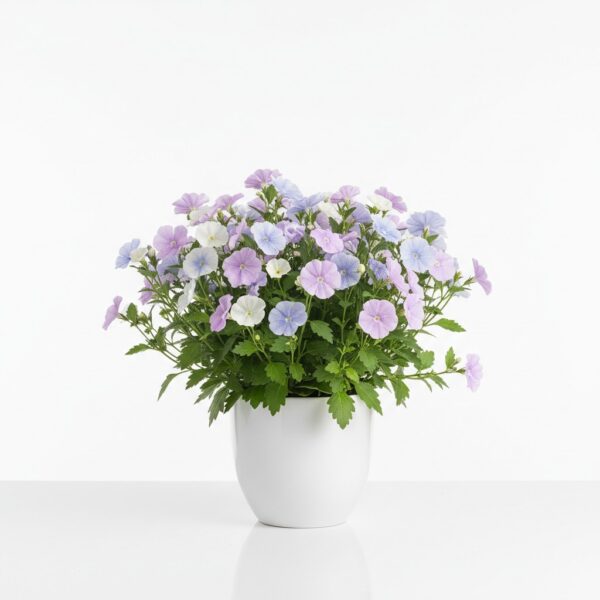
Fairy Fan Flower
Scaevola aemula
Scaevola aemula, commonly known as Fairy Fan Flower, is a flowering plant native to Australia. It is characterized by its distinctive fan-shaped flowers, which are typically blue, purple, pink, or white. The plant is a perennial that grows as a spreading groundcover or a small shrub, reaching heights of up to 0.5 meters. It is widely cultivated as an ornamental plant in gardens and containers due to its attractive flowers and relatively low maintenance requirements. While it can be grown indoors, it thrives best outdoors with ample sunlight and well-drained soil. People grow it for its long blooming season and unique flower shape.

Sunflower
Helianthus annuus
Helianthus annuus, the common sunflower, is an annual plant characterized by its large, daisy-like flower heads. Typically grown outdoors, it can reach impressive heights, often exceeding 6 feet. The plant features a sturdy stalk, large, coarse leaves, and a prominent flower head with bright yellow ray florets surrounding a central disc of brown or yellow disc florets. Sunflowers are cultivated for their edible seeds and oil, as well as for ornamental purposes. While dwarf varieties exist, they are still challenging to grow indoors due to their high light requirements and rapid growth.
Quick Plant Comparison
| Feature | Fairy Fan Flower | Sunflower |
|---|---|---|
| Light | Full sun to partial shade. Requires at least 6 hours of direct sunlight daily for optimal flowering. | Full sun, at least 6-8 hours of direct sunlight daily. Insufficient light will result in weak stems and poor flowering. |
| Watering | Every 2-5 days depending on weather and soil drainage. | Every 2-3 days outdoors during active growth, less frequently in cooler weather. |
| Humidity | 40-60% | 30-50% |
| Temperature | 18-27°C | 18-27°C |
| Care Level | Expert | Expert |
| Growth Rate | Moderate | Fast |
| Max Height | 0.3-0.5 meters (indoors, typically smaller) | Rarely exceeds 1-2 feet indoors, significantly taller outdoors. |
| Pet Safety | ❌ Toxic To Pets | ❌ Toxic To Pets |
| Soil | Well-draining potting mix or garden soil amended with perlite or sand. | Well-draining soil rich in organic matter. A mix of garden soil, compost, and perlite is suitable. |
| Beginner Friendly | ❌ No | ❌ No |
| Weekly Maintenance | 15 minutes weekly | 10 minutes weekly outdoors during growing season. |
🔬 Botanical Information — Comparing These Plants
Fairy Fan Flower
| Scientific Name | Scaevola aemula |
|---|---|
| Family | Goodeniaceae |
| Native To | Australia |
| Also Known As | Fairy Fan Flower, Fan Flower, Scaevola |
| Leaves | The leaves are typically small, oval or lance-shaped, and slightly fleshy. They are usually green in color and have a smooth texture. The leaves are arranged alternately along the stems. |
| Flowers | It rarely flowers indoors due to insufficient light. Outdoors, it produces fan-shaped flowers with five petals arranged on one side, resembling a hand fan. The flowers come in various colors, including blue, purple, pink, and white. |
Sunflower
| Scientific Name | Helianthus annuus |
|---|---|
| Family | Asteraceae |
| Native To | North America |
| Also Known As | Common Sunflower, Sunflower |
| Leaves | Large, coarse, ovate to heart-shaped leaves with toothed edges. The leaves are typically green and rough in texture. |
| Flowers | Sunflowers rarely flower indoors due to insufficient light. Outdoors, they produce large, daisy-like flower heads with yellow ray florets and a central disc of brown or yellow disc florets. |
📏 Size & Growth — Plant Comparison
Fairy Fan Flower
Sunflower
🌱 Propagation — Comparing Plant Growth
Fairy Fan Flower
Methods: Stem cuttings, Seed
Difficulty: Easy
Tips: Take stem cuttings in spring or summer. Dip the cut end in rooting hormone and plant in moist potting mix. Keep the soil consistently moist until roots develop. Seeds can be sown in spring.
Sunflower
Methods: Seed
Difficulty: Easy
Tips: Sow seeds directly into the soil after the last frost. Keep the soil consistently moist until germination.
✨ Benefits & Features — Comparing Plant Value
Fairy Fan Flower
The most distinctive feature is its fan-shaped flowers, which are unlike most other flowering plants. This unique shape adds visual interest and makes it a popular choice for ornamental purposes. It also has a long blooming season, providing color for an extended period.
- ✓ Provides beautiful blooms for extended periods.
- ✓ Attracts pollinators like butterflies and bees.
- ✓ Adds a unique texture and shape to gardens.
- ✓ Relatively drought-tolerant once established.
- ✓ Can be used in hanging baskets and containers to add color and interest.
- ⚠️ Toxic to pets
Sunflower
Sunflowers are known for their heliotropism, the ability to follow the sun's movement. They are also a significant source of edible seeds and oil.
- ✓ Attracts pollinators to your garden
- ✓ Provides edible seeds
- ✓ Adds a cheerful aesthetic to your outdoor space
- ✓ Can be used for cut flowers
- ✓ Provides shade for smaller plants.
- ⚠️ Toxic to pets
📅 Maintenance Schedule — Plant Care Comparison
Fairy Fan Flower
Sunflower
🌞 Light Requirements
Fairy Fan Flower
Full sun to partial shade. Requires at least 6 hours of direct sunlight daily for optimal flowering.
Low light tolerant: ❌ No
Sunflower
Full sun, at least 6-8 hours of direct sunlight daily. Insufficient light will result in weak stems and poor flowering.
Low light tolerant: ❌ No
💧 Watering Needs
Fairy Fan Flower
Water thoroughly when the top inch of soil feels dry to the touch. Avoid overwatering, as this can lead to root rot. Signs of underwatering include wilting leaves and dry soil. Signs of overwatering include yellowing leaves and soggy soil.
Sunflower
Water deeply when the top inch of soil feels dry. Avoid overwatering, which can lead to root rot. Signs of underwatering include wilting leaves. Signs of overwatering include yellowing leaves and a soggy soil.
🌡️ Temperature & Humidity
Fairy Fan Flower
Temperature: 18-27°C
Humidity: 40-60%
Sunflower
Temperature: 18-27°C
Humidity: 30-50%
🤔 Which Plant Is Right For You?
Fairy Fan Flower
Scaevola aemulaGardeners in warm climates looking for a low-maintenance, flowering groundcover for sunny locations.
✅ Choose This Plant If...
- You want a plant with unique fan-shaped flowers.
- You live in a warm climate with plenty of sunshine.
- You want a plant that attracts butterflies.
- You are looking for a low-maintenance groundcover for your garden.
- You want a plant with a long blooming season.
❌ Skip This Plant If...
- You have pets that might ingest the plant.
- You live in a cold climate with limited sunlight.
- You are looking for a low-light indoor plant.
Sunflower
Helianthus annuusGardeners with outdoor space who want to attract pollinators and enjoy the beauty of sunflowers.
✅ Choose This Plant If...
- You have a sunny outdoor garden and want to attract pollinators.
- You want to harvest your own sunflower seeds.
- You enjoy the bright and cheerful appearance of sunflowers.
- You want a fast-growing annual plant.
- You have space for a tall plant in your garden.
❌ Skip This Plant If...
- You only have indoor space with limited sunlight.
- You have pets that might ingest the plant.
- You are looking for a low-maintenance indoor plant.
🎯 Quick Verdict
⚡ Key Differences Between These Plants
Fairy Fan Flower has moderate growth, while Sunflower grows fast.
💡 Pro Tips For Comparing These Plants
Fairy Fan Flower Care Tips
Fairy Fan Flower is primarily an outdoor plant and requires ample sunlight to thrive. Indoor cultivation is challenging due to the high light requirements. It needs well-draining soil, regular watering, and fertilization. It is toxic to pets.
- Provide at least 6 hours of direct sunlight daily for optimal flowering.
- Water thoroughly when the top inch of soil feels dry.
- Fertilize regularly during the growing season with a balanced liquid fertilizer.
- Pinch back stems to encourage bushier growth and more flowers.
- Protect from frost in colder climates.
Sunflower Care Tips
Sunflowers are primarily outdoor plants and are challenging to grow indoors due to their high light requirements and potential size. Dwarf varieties can be attempted, but they still need ample sunlight and careful watering. Expect reduced flowering and overall vigor indoors.
- Choose a dwarf variety if attempting to grow indoors.
- Provide supplemental lighting if natural sunlight is insufficient.
- Ensure good drainage to prevent root rot.
- Fertilize regularly during the growing season.
- Protect from strong winds if grown outdoors.
⚠️ Common Problems & Solutions — Plant Care Comparison
Fairy Fan Flower
Sunflower
❓ Frequently Asked Questions — Comparing These Plants
Fairy Fan Flower
What are the light requirements for Fairy Fan Flower?
Fairy Fan Flower needs bright, indirect sunlight to thrive and produce abundant blooms. Aim for at least six hours of sunlight per day. An east-facing window is often ideal, providing gentle morning light. A south-facing window can also work, but be sure to protect the plant from harsh midday sun, which can scorch the leaves.
How do I care for Fairy Fan Flower?
Fairy Fan Flower thrives in well-draining soil and requires regular watering, allowing the top inch of soil to dry out between waterings. Fertilize every 2-3 weeks during the growing season (spring-fall) with a balanced liquid fertilizer diluted to half strength, or a fertilizer higher in phosphorus to encourage blooming. Provide bright, indirect sunlight, ideally at least 6 hours per day.
How do I propagate Fairy Fan Flower?
Fairy Fan Flower can be propagated through stem cuttings. Take a 4-6 inch stem cutting from a healthy plant, removing the lower leaves. Dip the cut end in rooting hormone. Plant the cutting in a well-draining potting mix. Keep the soil moist and provide bright, indirect light. Roots should develop in 4-6 weeks.
Sunflower
What are the light requirements for Sunflower?
Sunflowers are sun-loving plants and require ample sunlight to thrive. Ideally, they need at least 6-8 hours of direct sunlight each day. When grown indoors, place them near a south-facing window where they can receive the most sunlight. If natural sunlight is insufficient, supplement with grow lights. Rotate the plant regularly to ensure all sides receive adequate light, preventing it from leaning excessively towards the light source. Insufficient light can result in weak, leggy growth and reduced blooming. Consider the intensity of the sunlight; during peak summer hours, some shading may be necessary to prevent scorching. Observe your sunflower closely and adjust its position as needed to ensure optimal light exposure.
How do I care for Sunflower?
Sunflowers thrive in full sun, needing at least 6-8 hours of direct sunlight daily. Water deeply but infrequently, allowing the soil to dry out slightly between waterings. Avoid overhead watering to prevent fungal diseases. Plant in well-draining soil, amending with compost for added nutrients. Fertilize regularly with a balanced fertilizer, increasing phosphorus levels as the plant prepares to bloom. Provide support, such as stakes, for taller varieties to prevent them from toppling over. Monitor for pests like aphids and spider mites, and treat accordingly. Deadhead spent blooms to encourage further flowering. Ensure good air circulation to minimize the risk of fungal problems. Protect from strong winds. Rotate your indoor plant to ensure even growth.
How do I propagate Sunflower?
Sunflowers are typically propagated by seed. Sow seeds directly into the garden after the last frost. Alternatively, start seeds indoors a few weeks earlier. Plant seeds about 1 inch deep and water thoroughly. Keep the soil consistently moist until germination. Thin seedlings to the strongest plant. Sunflowers don’t propagate well from cuttings or division. For optimal results, use fresh seeds. Ensure adequate sunlight and well-draining soil for successful germination and growth. Space plants appropriately to allow for mature size. Choose a sunny location with good air circulation. Mulch around plants to retain moisture and suppress weeds.
Last updated: May 6, 2026 — Plant care data reviewed and verified by our editorial team.