
Fairy Fan Flower vs Pseuderanthemum Plant Comparison
Compare these two plants side by side — care needs, key differences, and which is right for your home.
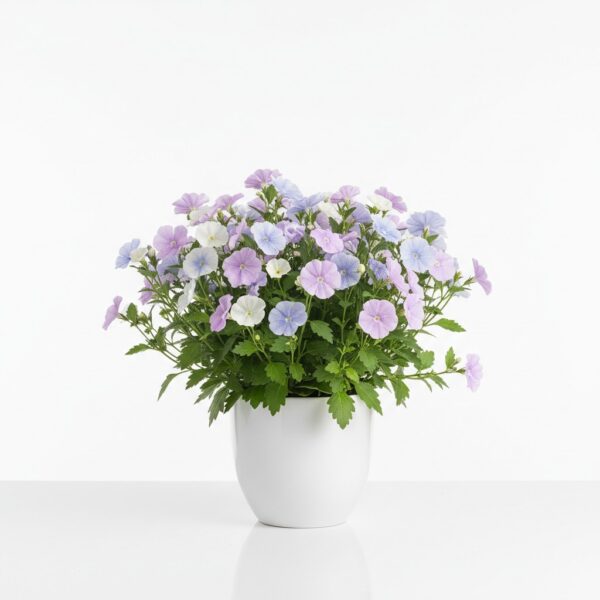
Fairy Fan Flower
Scaevola aemula
Scaevola aemula, commonly known as Fairy Fan Flower, is a flowering plant native to Australia. It is characterized by its distinctive fan-shaped flowers, which are typically blue, purple, pink, or white. The plant is a perennial that grows as a spreading groundcover or a small shrub, reaching heights of up to 0.5 meters. It is widely cultivated as an ornamental plant in gardens and containers due to its attractive flowers and relatively low maintenance requirements. While it can be grown indoors, it thrives best outdoors with ample sunlight and well-drained soil. People grow it for its long blooming season and unique flower shape.

Pseuderanthemum
Pseuderanthemum atropurpureum
Pseuderanthemum atropurpureum, commonly known as the Purple False Eranthemum or Chocolate Plant, is a striking evergreen shrub prized for its vibrant foliage. Native to Polynesia, it typically grows outdoors in tropical and subtropical climates. The plant features large, ovate leaves that are a deep, rich purple, sometimes with green or bronze undertones. While it can be grown indoors, it requires specific conditions to thrive and may not reach its full potential. People grow it for its ornamental value, adding a splash of color to gardens or indoor spaces.
Quick Plant Comparison
| Feature | Fairy Fan Flower | Pseuderanthemum |
|---|---|---|
| Light | Full sun to partial shade. Requires at least 6 hours of direct sunlight daily for optimal flowering. | Bright, indirect light to partial shade. Avoid direct sunlight, which can scorch the leaves. |
| Watering | Every 2-5 days depending on weather and soil drainage. | Every 7-10 days, depending on environmental conditions |
| Humidity | 40-60% | 50-70% |
| Temperature | 18-27°C | 18-27°C |
| Care Level | Expert | Moderate |
| Growth Rate | Moderate | Moderate |
| Max Height | 0.3-0.5 meters (indoors, typically smaller) | 0.3-0.9 meters indoors (1-3 feet) |
| Pet Safety | ❌ Toxic To Pets | ❌ Toxic To Pets |
| Soil | Well-draining potting mix or garden soil amended with perlite or sand. | Well-draining potting mix, such as a mix of peat moss, perlite, and vermiculite |
| Beginner Friendly | ❌ No | With Caution |
| Weekly Maintenance | 15 minutes weekly | 10 minutes weekly |
🔬 Botanical Information — Comparing These Plants
Fairy Fan Flower
| Scientific Name | Scaevola aemula |
|---|---|
| Family | Goodeniaceae |
| Native To | Australia |
| Also Known As | Fairy Fan Flower, Fan Flower, Scaevola |
| Leaves | The leaves are typically small, oval or lance-shaped, and slightly fleshy. They are usually green in color and have a smooth texture. The leaves are arranged alternately along the stems. |
| Flowers | It rarely flowers indoors due to insufficient light. Outdoors, it produces fan-shaped flowers with five petals arranged on one side, resembling a hand fan. The flowers come in various colors, including blue, purple, pink, and white. |
Pseuderanthemum
| Scientific Name | Pseuderanthemum atropurpureum |
|---|---|
| Family | Acanthaceae |
| Native To | Polynesia |
| Also Known As | Purple False Eranthemum, Chocolate Plant |
| Leaves | The leaves are ovate to elliptic, typically 10-15 cm long and 5-8 cm wide. They are a deep, rich purple color, sometimes with green or bronze undertones. The texture is smooth and slightly glossy. |
| Flowers | While it can flower indoors, it is rare. The flowers are small, white or pink, and not particularly showy. |
📏 Size & Growth — Plant Comparison
Fairy Fan Flower
Pseuderanthemum
🌱 Propagation — Comparing Plant Growth
Fairy Fan Flower
Methods: Stem cuttings, Seed
Difficulty: Easy
Tips: Take stem cuttings in spring or summer. Dip the cut end in rooting hormone and plant in moist potting mix. Keep the soil consistently moist until roots develop. Seeds can be sown in spring.
Pseuderanthemum
Methods: Stem cuttings
Difficulty: Easy
Tips: Take stem cuttings with at least two nodes, remove the lower leaves, and place in water or directly into moist potting mix. Keep the cutting in a warm, humid environment until roots develop.
✨ Benefits & Features — Comparing Plant Value
Fairy Fan Flower
The most distinctive feature is its fan-shaped flowers, which are unlike most other flowering plants. This unique shape adds visual interest and makes it a popular choice for ornamental purposes. It also has a long blooming season, providing color for an extended period.
- ✓ Provides beautiful blooms for extended periods.
- ✓ Attracts pollinators like butterflies and bees.
- ✓ Adds a unique texture and shape to gardens.
- ✓ Relatively drought-tolerant once established.
- ✓ Can be used in hanging baskets and containers to add color and interest.
- ⚠️ Toxic to pets
Pseuderanthemum
Pseuderanthemum atropurpureum stands out due to its striking purple foliage, which is uncommon among houseplants. Its vibrant color and relatively easy propagation make it a popular choice for adding a touch of the tropics to indoor spaces.
- ✓ Adds a vibrant splash of color to any space
- ✓ Unique foliage provides visual interest
- ✓ Can improve indoor humidity levels
- ✓ Offers a touch of the tropics indoors
- ✓ Relatively easy to propagate
- ⚠️ Toxic to pets
📅 Maintenance Schedule — Plant Care Comparison
Fairy Fan Flower
Pseuderanthemum
🌞 Light Requirements
Fairy Fan Flower
Full sun to partial shade. Requires at least 6 hours of direct sunlight daily for optimal flowering.
Low light tolerant: ❌ No
Pseuderanthemum
Bright, indirect light to partial shade. Avoid direct sunlight, which can scorch the leaves.
Low light tolerant: ❌ No
💧 Watering Needs
Fairy Fan Flower
Water thoroughly when the top inch of soil feels dry to the touch. Avoid overwatering, as this can lead to root rot. Signs of underwatering include wilting leaves and dry soil. Signs of overwatering include yellowing leaves and soggy soil.
Pseuderanthemum
Water thoroughly when the top inch of soil feels dry to the touch. Ensure good drainage to prevent root rot. Overwatering can lead to yellowing leaves and root issues, while underwatering can cause wilting.
🌡️ Temperature & Humidity
Fairy Fan Flower
Temperature: 18-27°C
Humidity: 40-60%
Pseuderanthemum
Temperature: 18-27°C
Humidity: 50-70%
🤔 Which Plant Is Right For You?
Fairy Fan Flower
Scaevola aemulaGardeners in warm climates looking for a low-maintenance, flowering groundcover for sunny locations.
✅ Choose This Plant If...
- You want a plant with unique fan-shaped flowers.
- You live in a warm climate with plenty of sunshine.
- You want a plant that attracts butterflies.
- You are looking for a low-maintenance groundcover for your garden.
- You want a plant with a long blooming season.
❌ Skip This Plant If...
- You have pets that might ingest the plant.
- You live in a cold climate with limited sunlight.
- You are looking for a low-light indoor plant.
Pseuderanthemum
Pseuderanthemum atropurpureumGardeners who appreciate colorful foliage and can provide the necessary humidity and light.
✅ Choose This Plant If...
- You love plants with unique and vibrant foliage.
- You can provide bright, indirect light and high humidity.
- You are experienced with caring for tropical plants.
- You want a plant that adds a pop of color to your indoor space.
- You are willing to monitor for pests and diseases.
❌ Skip This Plant If...
- You have pets that might ingest the plant.
- You struggle to maintain consistent watering schedules.
- You cannot provide adequate humidity.
🎯 Quick Verdict
⚡ Key Differences Between These Plants
Fairy Fan Flower is rated Expert care level, while Pseuderanthemum is Moderate.
💡 Pro Tips For Comparing These Plants
Fairy Fan Flower Care Tips
Fairy Fan Flower is primarily an outdoor plant and requires ample sunlight to thrive. Indoor cultivation is challenging due to the high light requirements. It needs well-draining soil, regular watering, and fertilization. It is toxic to pets.
- Provide at least 6 hours of direct sunlight daily for optimal flowering.
- Water thoroughly when the top inch of soil feels dry.
- Fertilize regularly during the growing season with a balanced liquid fertilizer.
- Pinch back stems to encourage bushier growth and more flowers.
- Protect from frost in colder climates.
Pseuderanthemum Care Tips
Pseuderanthemum atropurpureum requires bright, indirect light and consistent moisture. It's crucial to avoid direct sunlight and overwatering. Maintaining adequate humidity is also important for healthy growth. While it can be grown indoors, providing the right conditions can be challenging.
- Use a humidifier to maintain adequate humidity levels.
- Rotate the plant regularly to ensure even growth.
- Wipe the leaves occasionally to remove dust and improve light absorption.
- Avoid placing the plant near drafts or heating vents.
- Use rainwater or distilled water to prevent mineral buildup in the soil.
⚠️ Common Problems & Solutions — Plant Care Comparison
Fairy Fan Flower
Pseuderanthemum
❓ Frequently Asked Questions — Comparing These Plants
Fairy Fan Flower
What are the light requirements for Fairy Fan Flower?
Fairy Fan Flower needs bright, indirect sunlight to thrive and produce abundant blooms. Aim for at least six hours of sunlight per day. An east-facing window is often ideal, providing gentle morning light. A south-facing window can also work, but be sure to protect the plant from harsh midday sun, which can scorch the leaves.
How do I care for Fairy Fan Flower?
Fairy Fan Flower thrives in well-draining soil and requires regular watering, allowing the top inch of soil to dry out between waterings. Fertilize every 2-3 weeks during the growing season (spring-fall) with a balanced liquid fertilizer diluted to half strength, or a fertilizer higher in phosphorus to encourage blooming. Provide bright, indirect sunlight, ideally at least 6 hours per day.
How do I propagate Fairy Fan Flower?
Fairy Fan Flower can be propagated through stem cuttings. Take a 4-6 inch stem cutting from a healthy plant, removing the lower leaves. Dip the cut end in rooting hormone. Plant the cutting in a well-draining potting mix. Keep the soil moist and provide bright, indirect light. Roots should develop in 4-6 weeks.
Pseuderanthemum
What are the light requirements for Pseuderanthemum?
Pseuderanthemum plants require bright, indirect light to thrive. Insufficient light can result in leggy growth and reduced flowering, while direct sunlight can cause leaf burn.
How do I care for Pseuderanthemum?
Pseuderanthemum plants thrive in bright, indirect light. Avoid direct sunlight, which can scorch their leaves. Water thoroughly when the top inch of soil feels dry, ensuring good drainage to prevent root rot. Maintain humidity levels of 50-60% through misting or a humidifier.
How do I propagate Pseuderanthemum?
Pseuderanthemum can be easily propagated through stem cuttings. Take a 4-6 inch cutting from a healthy stem, removing the lower leaves. Dip the cut end in rooting hormone and plant in moist, well-draining potting mix. Cover with a plastic bag or humidity dome to maintain moisture. Keep in bright, indirect light and wait for roots to develop (usually 4-6 weeks).
Last updated: May 7, 2026 — Plant care data reviewed and verified by our editorial team.