
Fairy Fan Flower vs Honeysuckle Plant Comparison
Compare these two plants side by side — care needs, key differences, and which is right for your home.
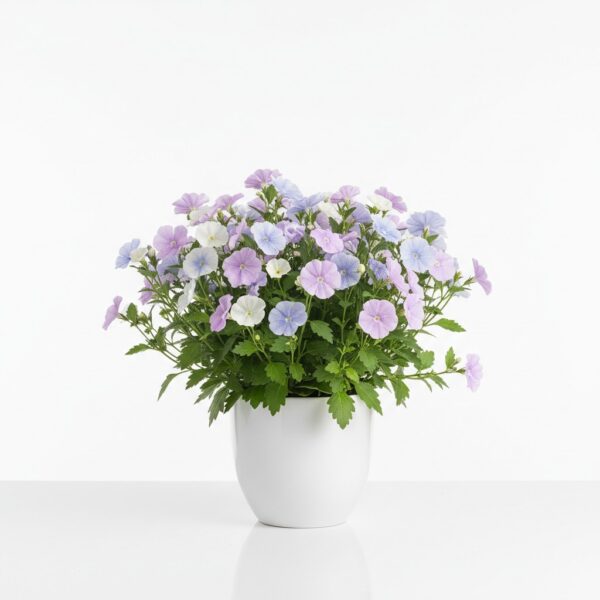
Fairy Fan Flower
Scaevola aemula
Scaevola aemula, commonly known as Fairy Fan Flower, is a flowering plant native to Australia. It is characterized by its distinctive fan-shaped flowers, which are typically blue, purple, pink, or white. The plant is a perennial that grows as a spreading groundcover or a small shrub, reaching heights of up to 0.5 meters. It is widely cultivated as an ornamental plant in gardens and containers due to its attractive flowers and relatively low maintenance requirements. While it can be grown indoors, it thrives best outdoors with ample sunlight and well-drained soil. People grow it for its long blooming season and unique flower shape.

Honeysuckle
Lonicera spp.
Honeysuckles are a diverse group of climbing or shrubby plants known for their fragrant, nectar-rich flowers. They are primarily outdoor plants, valued for their ornamental appeal and ability to attract pollinators like hummingbirds and bees. The flowers come in various colors, including white, yellow, pink, and red, often with a tubular shape. While some varieties are relatively well-behaved, others can be aggressive spreaders, making them challenging to manage in smaller gardens. They are rarely grown indoors due to their high light requirements and sprawling growth habit.
Quick Plant Comparison
| Feature | Fairy Fan Flower | Honeysuckle |
|---|---|---|
| Light | Full sun to partial shade. Requires at least 6 hours of direct sunlight daily for optimal flowering. | Full sun to partial shade. Requires at least 6 hours of direct sunlight for optimal flowering. |
| Watering | Every 2-5 days depending on weather and soil drainage. | Every 7-10 days, depending on weather and soil drainage. |
| Humidity | 40-60% | 40-60% |
| Temperature | 18-27°C | 15-25°C |
| Care Level | Expert | Expert |
| Growth Rate | Moderate | Fast |
| Max Height | 0.3-0.5 meters (indoors, typically smaller) | Rarely grown indoors, but if attempted, expect 1-2 meters with significant pruning. |
| Pet Safety | ❌ Toxic To Pets | ❌ Toxic To Pets |
| Soil | Well-draining potting mix or garden soil amended with perlite or sand. | Well-draining soil, such as a mix of loam, sand, and compost. |
| Beginner Friendly | ❌ No | ❌ No |
| Weekly Maintenance | 15 minutes weekly | 30 minutes weekly (pruning, watering, fertilizing). |
🔬 Botanical Information — Comparing These Plants
Fairy Fan Flower
| Scientific Name | Scaevola aemula |
|---|---|
| Family | Goodeniaceae |
| Native To | Australia |
| Also Known As | Fairy Fan Flower, Fan Flower, Scaevola |
| Leaves | The leaves are typically small, oval or lance-shaped, and slightly fleshy. They are usually green in color and have a smooth texture. The leaves are arranged alternately along the stems. |
| Flowers | It rarely flowers indoors due to insufficient light. Outdoors, it produces fan-shaped flowers with five petals arranged on one side, resembling a hand fan. The flowers come in various colors, including blue, purple, pink, and white. |
Honeysuckle
| Scientific Name | Lonicera spp. |
|---|---|
| Family | Caprifoliaceae |
| Native To | Northern Hemisphere (Europe, Asia, North America) |
| Also Known As | Honeysuckle, Woodbine |
| Leaves | Leaves are typically oval or oblong, arranged oppositely along the stems. They are usually green, but some varieties may have variegated foliage. Leaf size varies depending on the species, ranging from a few centimeters to several inches long. |
| Flowers | Rarely flowers indoors. Outdoors, flowers are tubular, often fragrant, and come in various colors (white, yellow, pink, red). They are produced in clusters and bloom in spring or summer. |
📏 Size & Growth — Plant Comparison
Fairy Fan Flower
Honeysuckle
🌱 Propagation — Comparing Plant Growth
Fairy Fan Flower
Methods: Stem cuttings, Seed
Difficulty: Easy
Tips: Take stem cuttings in spring or summer. Dip the cut end in rooting hormone and plant in moist potting mix. Keep the soil consistently moist until roots develop. Seeds can be sown in spring.
Honeysuckle
Methods: Stem cuttings, layering, seed
Difficulty: Easy
Tips: Take stem cuttings in spring or summer and root them in water or moist soil. Layering involves bending a stem to the ground and covering it with soil until roots form.
✨ Benefits & Features — Comparing Plant Value
Fairy Fan Flower
The most distinctive feature is its fan-shaped flowers, which are unlike most other flowering plants. This unique shape adds visual interest and makes it a popular choice for ornamental purposes. It also has a long blooming season, providing color for an extended period.
- ✓ Provides beautiful blooms for extended periods.
- ✓ Attracts pollinators like butterflies and bees.
- ✓ Adds a unique texture and shape to gardens.
- ✓ Relatively drought-tolerant once established.
- ✓ Can be used in hanging baskets and containers to add color and interest.
- ⚠️ Toxic to pets
Honeysuckle
Honeysuckle is known for its intensely fragrant flowers and its ability to attract hummingbirds. The flowers often have a unique tubular shape, perfectly adapted for pollination by long-tongued insects and birds.
- ✓ Attracts pollinators to your garden
- ✓ Provides a beautiful and fragrant display
- ✓ Can provide privacy when grown on a fence or trellis
- ✓ Offers a natural habitat for birds and insects
- ✓ Enhances the aesthetic appeal of your outdoor space
- ⚠️ Toxic to pets
📅 Maintenance Schedule — Plant Care Comparison
Fairy Fan Flower
Honeysuckle
🌞 Light Requirements
Fairy Fan Flower
Full sun to partial shade. Requires at least 6 hours of direct sunlight daily for optimal flowering.
Low light tolerant: ❌ No
Honeysuckle
Full sun to partial shade. Requires at least 6 hours of direct sunlight for optimal flowering.
Low light tolerant: ❌ No
💧 Watering Needs
Fairy Fan Flower
Water thoroughly when the top inch of soil feels dry to the touch. Avoid overwatering, as this can lead to root rot. Signs of underwatering include wilting leaves and dry soil. Signs of overwatering include yellowing leaves and soggy soil.
Honeysuckle
Water deeply when the top inch of soil feels dry. Avoid overwatering, which can lead to root rot. During hot weather, more frequent watering may be necessary. Signs of underwatering include wilting leaves and dry soil. Overwatering can cause yellowing leaves and soggy soil.
🌡️ Temperature & Humidity
Fairy Fan Flower
Temperature: 18-27°C
Humidity: 40-60%
Honeysuckle
Temperature: 15-25°C
Humidity: 40-60%
🤔 Which Plant Is Right For You?
Fairy Fan Flower
Scaevola aemulaGardeners in warm climates looking for a low-maintenance, flowering groundcover for sunny locations.
✅ Choose This Plant If...
- You want a plant with unique fan-shaped flowers.
- You live in a warm climate with plenty of sunshine.
- You want a plant that attracts butterflies.
- You are looking for a low-maintenance groundcover for your garden.
- You want a plant with a long blooming season.
❌ Skip This Plant If...
- You have pets that might ingest the plant.
- You live in a cold climate with limited sunlight.
- You are looking for a low-light indoor plant.
Honeysuckle
Lonicera spp.Gardeners with ample outdoor space who want to attract pollinators.
✅ Choose This Plant If...
- You want a fragrant flowering vine for your garden.
- You want to attract hummingbirds and bees.
- You have a trellis or fence that needs covering.
- You enjoy the sweet scent of honeysuckle flowers.
- You have ample space for a potentially vigorous plant.
❌ Skip This Plant If...
- You have limited space, especially indoors.
- You have pets that might ingest the berries.
- You live in an area where honeysuckle is considered invasive.
🎯 Quick Verdict
⚡ Key Differences Between These Plants
Fairy Fan Flower has moderate growth, while Honeysuckle grows fast.
💡 Pro Tips For Comparing These Plants
Fairy Fan Flower Care Tips
Fairy Fan Flower is primarily an outdoor plant and requires ample sunlight to thrive. Indoor cultivation is challenging due to the high light requirements. It needs well-draining soil, regular watering, and fertilization. It is toxic to pets.
- Provide at least 6 hours of direct sunlight daily for optimal flowering.
- Water thoroughly when the top inch of soil feels dry.
- Fertilize regularly during the growing season with a balanced liquid fertilizer.
- Pinch back stems to encourage bushier growth and more flowers.
- Protect from frost in colder climates.
Honeysuckle Care Tips
Honeysuckle is primarily an outdoor plant and is difficult to grow indoors due to its high light requirements and sprawling growth habit. It needs regular pruning to control its size and shape. Indoor cultivation is challenging and rarely successful.
- Provide a sturdy support structure for climbing varieties.
- Water deeply and regularly, especially during dry periods.
- Prune after flowering to maintain shape and encourage new growth.
- Fertilize in spring with a balanced fertilizer.
- Monitor for pests and diseases and treat promptly.
⚠️ Common Problems & Solutions — Plant Care Comparison
Fairy Fan Flower
Honeysuckle
❓ Frequently Asked Questions — Comparing These Plants
Fairy Fan Flower
What are the light requirements for Fairy Fan Flower?
Fairy Fan Flower needs bright, indirect sunlight to thrive and produce abundant blooms. Aim for at least six hours of sunlight per day. An east-facing window is often ideal, providing gentle morning light. A south-facing window can also work, but be sure to protect the plant from harsh midday sun, which can scorch the leaves.
How do I care for Fairy Fan Flower?
Fairy Fan Flower thrives in well-draining soil and requires regular watering, allowing the top inch of soil to dry out between waterings. Fertilize every 2-3 weeks during the growing season (spring-fall) with a balanced liquid fertilizer diluted to half strength, or a fertilizer higher in phosphorus to encourage blooming. Provide bright, indirect sunlight, ideally at least 6 hours per day.
How do I propagate Fairy Fan Flower?
Fairy Fan Flower can be propagated through stem cuttings. Take a 4-6 inch stem cutting from a healthy plant, removing the lower leaves. Dip the cut end in rooting hormone. Plant the cutting in a well-draining potting mix. Keep the soil moist and provide bright, indirect light. Roots should develop in 4-6 weeks.
Honeysuckle
What are the light requirements for Honeysuckle?
Honeysuckle vines and climbers thrive in full sun, requiring at least six hours of direct sunlight per day. While they can tolerate partial shade, flowering will be less prolific. In hotter climates, providing some afternoon shade can prevent leaf scorch. When planting, consider the direction of sunlight and choose a location that receives ample morning sun. If growing in a container, rotate the plant regularly to ensure even light exposure. Insufficient light can lead to leggy growth and reduced flowering. Southern or western exposures are typically ideal for maximizing sunlight.
How do I care for Honeysuckle?
Honeysuckle thrives in well-draining soil and prefers full sun to partial shade. Water regularly, especially during dry periods, ensuring the soil remains consistently moist but not waterlogged. Fertilize in early spring with a balanced fertilizer to promote vigorous growth and abundant blooms. Prune annually after flowering to maintain shape and encourage new growth. Provide a sturdy support structure, such as a trellis or fence, for the vine to climb. Monitor for pests and diseases, and treat promptly if necessary. Mulch around the base of the plant to retain moisture and suppress weeds. Regular deadheading of spent flowers will encourage further blooming. Proper air circulation is essential to prevent fungal diseases. Choose a location with good drainage to avoid root rot.
How do I propagate Honeysuckle?
Honeysuckle can be easily propagated through stem cuttings or layering. For stem cuttings, take 4-6 inch cuttings from new growth in spring or summer. Remove the lower leaves and dip the cut end in rooting hormone. Plant the cuttings in a well-draining potting mix and keep them moist. Roots should develop in a few weeks. For layering, bend a low-lying stem to the ground and bury a section of it, leaving the tip exposed. Secure the buried section with a rock or garden staple. Once roots have formed, sever the layered stem from the parent plant and transplant it to a new location. Layering is best done in spring or fall. Ensure adequate moisture for successful rooting in both methods.
Last updated: April 24, 2026 — Plant care data reviewed and verified by our editorial team.