
Evening Primrose vs Meadow Rue Plant Comparison
Compare these two plants side by side — care needs, key differences, and which is right for your home.

Evening Primrose
Oenothera biennis
Evening Primrose is a biennial plant, meaning it completes its life cycle in two years. In the first year, it forms a rosette of leaves. In the second year, it sends up a tall, erect stem, typically 1-2 meters in height. It is primarily an outdoor plant, valued for its fragrant, yellow flowers that open in the evening and attract nocturnal pollinators like moths. People grow it in gardens for its beauty, medicinal properties (seeds contain gamma-linolenic acid), and wildlife attraction.
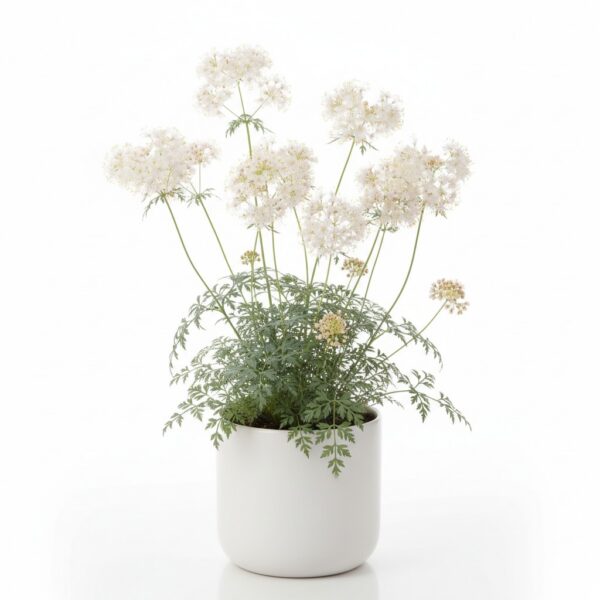
Meadow Rue
Thalictrum spp.
Meadow Rue (Thalictrum spp.) is a genus of herbaceous perennial plants known for their delicate, fern-like foliage and airy clusters of small flowers. They typically grow to heights ranging from 1 to 6 feet, depending on the species. Meadow Rue is primarily an outdoor plant, thriving in woodland gardens, borders, and naturalized areas. People grow it for its graceful appearance, attractive foliage, and the ability to add texture and movement to garden landscapes. It is not generally considered suitable for indoor cultivation due to its need for specific light and temperature conditions.
Quick Plant Comparison
| Feature | Evening Primrose | Meadow Rue |
|---|---|---|
| Light | Full sun to partial shade | Partial shade to full sun, depending on the species. Some species prefer morning sun and afternoon shade. |
| Watering | Every 1-2 weeks, depending on weather and soil drainage | 2-3 times per week outdoors, depending on weather and soil drainage. |
| Humidity | 30-50% | 40-60% |
| Temperature | 15-25°C | 15-25°C |
| Care Level | Expert | Expert |
| Growth Rate | Moderate | Moderate |
| Max Height | Outdoor: 1-2 meters. Indoor (unlikely to thrive): 0.3-0.6 meters | N/A (Outdoor plant) |
| Pet Safety | ❌ Toxic To Pets | ❌ Toxic To Pets |
| Soil | Well-draining soil, sandy or loamy soil is ideal. Can tolerate poor soil conditions. | Well-drained, humus-rich soil. |
| Beginner Friendly | ❌ No | ❌ No |
| Weekly Maintenance | 5 minutes weekly (deadheading, watering) | 15 minutes weekly |
🔬 Botanical Information — Comparing These Plants
Evening Primrose
| Scientific Name | Oenothera biennis |
|---|---|
| Family | Onagraceae |
| Native To | Native to North America, naturalized in Europe and Asia |
| Also Known As | Evening Primrose, Common Evening Primrose, Weedy Evening Primrose, King's Cure-All |
| Leaves | First-year leaves form a rosette, are lance-shaped, and have toothed margins. Second-year leaves are alternate along the stem, smaller, and may be slightly hairy. |
| Flowers | Flowers are bright yellow, cup-shaped, and about 2-5 cm in diameter. They open in the evening and close by midday. Rarely flowers indoors. |
Meadow Rue
| Scientific Name | Thalictrum spp. |
|---|---|
| Family | Ranunculaceae |
| Native To | Various species native to North America, Europe, and Asia |
| Also Known As | Meadow Rue, Quicksilver Weed |
| Leaves | The leaves of Meadow Rue are compound and fern-like, with small, delicate leaflets. The color ranges from green to bluish-green, depending on the species. The texture is soft and delicate, creating a graceful appearance. |
| Flowers | Meadow Rue produces clusters of small, fluffy flowers in shades of white, yellow, pink, or purple, depending on the species. Flowering typically occurs in late spring to summer. It does not flower indoors. |
📏 Size & Growth — Plant Comparison
Evening Primrose
Meadow Rue
🌱 Propagation — Comparing Plant Growth
Evening Primrose
Methods: Seed, Root Cuttings
Difficulty: Easy
Tips: Sow seeds directly into the garden in spring or fall. For root cuttings, take cuttings in late fall or early spring and plant them in well-draining soil.
Meadow Rue
Methods: Seed, Division, Rhizome cuttings
Difficulty: Moderate
Tips: Divide rhizomes in spring or fall. Sow seeds in fall for stratification. Rhizome cuttings should be taken in early spring.
✨ Benefits & Features — Comparing Plant Value
Evening Primrose
Its flowers open in the evening, releasing a sweet fragrance that attracts moths. The seeds are a source of gamma-linolenic acid (GLA). It is a biennial plant, completing its life cycle in two years.
- ✓ Attracts pollinators
- ✓ Fragrant evening blooms
- ✓ Medicinal properties in seeds
- ✓ Adds beauty to the garden
- ✓ Low maintenance once established
- ⚠️ Toxic to pets
Meadow Rue
Meadow Rue stands out with its delicate, fern-like foliage and airy clusters of small flowers. Its graceful appearance adds a touch of elegance to woodland gardens and shady borders. The plant's ability to attract pollinators further enhances its appeal.
- ✓ Attracts pollinators
- ✓ Adds texture and movement to the garden
- ✓ Provides visual interest with its delicate foliage
- ✓ Can be used in cut flower arrangements
- ✓ Supports biodiversity in the garden
- ⚠️ Toxic to pets
📅 Maintenance Schedule — Plant Care Comparison
Evening Primrose
Meadow Rue
🌞 Light Requirements
Evening Primrose
Full sun to partial shade
Low light tolerant: ❌ No
Meadow Rue
Partial shade to full sun, depending on the species. Some species prefer morning sun and afternoon shade.
Low light tolerant: ❌ No
💧 Watering Needs
Evening Primrose
Water thoroughly when the top inch of soil feels dry. Avoid overwatering, which can lead to root rot. In well-draining soil, it can tolerate some drought. Overwatering signs: yellowing leaves, wilting even with moist soil. Underwatering signs: drooping leaves, dry and crispy edges.
Meadow Rue
Water regularly, especially during dry periods. Keep the soil consistently moist but not waterlogged. Overwatering can lead to root rot, while underwatering can cause the foliage to wilt and turn brown. Check soil moisture regularly.
🌡️ Temperature & Humidity
Evening Primrose
Temperature: 15-25°C
Humidity: 30-50%
Meadow Rue
Temperature: 15-25°C
Humidity: 40-60%
🤔 Which Plant Is Right For You?
Evening Primrose
Oenothera biennisGardeners looking to attract nocturnal pollinators and enjoy fragrant evening blooms in an outdoor setting.
✅ Choose This Plant If...
- You want a fragrant garden plant that attracts moths and other nocturnal pollinators.
- You are interested in the medicinal properties of the seeds.
- You have a sunny garden spot with well-draining soil.
- You want a low-maintenance plant once established.
- You enjoy watching flowers open in the evening.
❌ Skip This Plant If...
- You have pets that might ingest the plant.
- You don't have a sunny outdoor space.
- You are looking for an easy indoor plant.
Meadow Rue
Thalictrum spp.Gardeners looking to add delicate foliage and airy flowers to their woodland or shade gardens.
✅ Choose This Plant If...
- You want a plant with delicate, fern-like foliage.
- You need a plant for a shady area in your garden.
- You want to attract pollinators to your garden.
- You appreciate plants with a natural, woodland aesthetic.
- You are an experienced gardener looking for a unique perennial.
❌ Skip This Plant If...
- You have pets that might ingest the plant.
- You are looking for an easy-to-grow indoor plant.
- You have limited space in your garden.
🎯 Quick Verdict
⚡ Key Differences Between These Plants
Both plants have similar basic care requirements but differ in appearance and specific needs. Compare plants carefully to find the best fit for your space.
💡 Pro Tips For Comparing These Plants
Evening Primrose Care Tips
Evening Primrose is primarily an outdoor plant and is challenging to grow indoors due to its high light requirements and need for a distinct dormancy period. It requires full sun and well-draining soil. Indoor cultivation is unlikely to be successful.
- Provide full sun for best flowering.
- Ensure well-draining soil to prevent root rot.
- Deadhead spent flowers to encourage more blooms.
- Monitor for pests like aphids and treat promptly.
- Allow the plant to go dormant in winter for optimal health.
Meadow Rue Care Tips
Meadow Rue is primarily an outdoor plant and is challenging to grow indoors. It requires specific light, temperature, and humidity conditions that are difficult to replicate indoors. It needs well-drained soil and regular watering. It is toxic to pets.
- Provide well-drained soil to prevent root rot.
- Water regularly, especially during dry periods.
- Apply a layer of mulch to help retain moisture.
- Divide plants every few years to maintain vigor.
- Protect from strong winds.
⚠️ Common Problems & Solutions — Plant Care Comparison
Evening Primrose
Meadow Rue
❓ Frequently Asked Questions — Comparing These Plants
Evening Primrose
What are the light requirements for Evening Primrose?
Evening Primrose thrives best in full sun, requiring at least 6-8 hours of direct sunlight per day to promote abundant blooming. Insufficient sunlight can lead to leggy growth and reduced flower production. While the plant can tolerate partial shade, especially in hotter climates, it will not bloom as profusely.
How do I care for Evening Primrose?
Evening Primrose thrives in well-draining soil and prefers full sun to partial shade. Water deeply when the top inch of soil feels dry, but avoid overwatering, which can lead to root rot. Fertilize every 4-6 weeks during the growing season (spring and summer) with a balanced fertilizer to encourage blooming. Deadhead spent flowers to promote continuous blooming and prevent excessive self-seeding.
How do I propagate Evening Primrose?
Evening Primrose can be propagated through seeds, division, or root cuttings. For division, carefully dig up a mature plant in early spring or late fall and divide the root ball into smaller clumps, ensuring each clump has healthy roots and foliage. Replant the divisions in well-draining soil.
Meadow Rue
What are the light requirements for Meadow Rue?
Meadow Rue flourishes in partial to full shade, making it an ideal choice for areas with filtered sunlight or dappled shade. Avoid exposing it to direct sunlight, especially during the hottest parts of the day, as this can scorch the delicate foliage. An east-facing window or a location that receives morning sun and afternoon shade is generally perfect for indoor cultivation. If the leaves start to turn yellow or brown, it may be a sign that the plant is receiving too much light. Conversely, if the plant becomes leggy and produces few flowers, it may need more light. Rotate the plant regularly to ensure even light exposure.
How do I care for Meadow Rue?
Meadow Rue thrives in partial shade to full shade, requiring protection from intense sunlight. Water regularly, keeping the soil consistently moist but not waterlogged, especially during warmer months. Ensure well-draining soil rich in organic matter. Fertilize lightly in spring with a balanced, slow-release fertilizer to promote healthy growth and abundant blooms. Deadhead spent flowers to encourage further blooming. Prune back foliage in late fall or early spring to maintain shape and remove any dead or damaged growth. Provide adequate humidity, especially indoors, using a humidifier or placing the plant on a pebble tray filled with water. Monitor for pests like aphids and spider mites, and treat promptly if detected. Repot every 2-3 years as needed.
How do I propagate Meadow Rue?
Meadow Rue can be propagated through division, stem cuttings, or seeds.
Last updated: May 12, 2026 — Plant care data reviewed and verified by our editorial team.