
European Ginger vs Manzanita Plant Comparison
Compare these two plants side by side — care needs, key differences, and which is right for your home.

European Ginger
Asarum europaeum
Asarum europaeum, commonly known as European ginger, is a low-growing, rhizomatous perennial herb native to Europe. It is characterized by its glossy, kidney-shaped, dark green leaves that are typically 5-10 cm wide. The plant spreads slowly via its rhizomes, forming a dense ground cover. It produces small, bell-shaped, brownish-purple flowers near the ground in spring, which are often hidden beneath the foliage. While it shares the name 'ginger', it is not related to culinary ginger (Zingiber officinale) and should not be consumed. It is primarily grown as an ornamental ground cover in shady gardens for its attractive foliage.
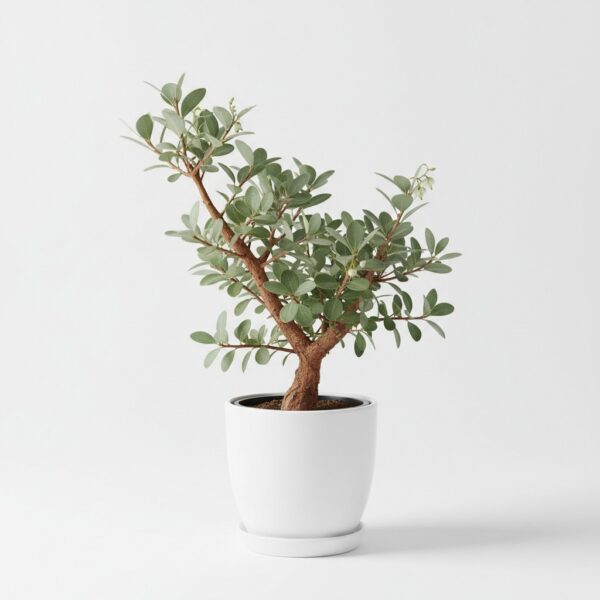
Manzanita
Arctostaphylos spp.
Manzanitas are evergreen shrubs or small trees characterized by smooth, reddish bark, crooked branches, and stiff, leathery leaves. They are native to western North America, particularly California. Manzanitas are highly adapted to dry, Mediterranean climates and are known for their drought tolerance. They are grown for their attractive bark, interesting branching patterns, and delicate pink or white flowers that bloom in late winter or early spring. They are primarily outdoor plants and can be challenging to grow indoors due to their specific light and soil requirements.
Quick Plant Comparison
| Feature | European Ginger | Manzanita |
|---|---|---|
| Light | Full to partial shade. It cannot tolerate direct sunlight. | Full sun to partial shade. Requires at least 6 hours of direct sunlight daily. |
| Watering | Every 5-7 days, depending on weather and soil drainage. | Every 2-4 weeks, depending on weather and soil drainage. |
| Humidity | 50-70% | 20-40% |
| Temperature | 10-21°C | 10-25°C |
| Care Level | Expert | Expert |
| Growth Rate | Slow | Slow To Moderate |
| Max Height | 10-15 cm | Rarely grown indoors, but if attempted, may reach 1-2 meters. |
| Pet Safety | ❌ Toxic To Pets | ❌ Toxic To Pets |
| Soil | Well-draining, humus-rich soil. A mix of potting soil, peat moss, and perlite is suitable. | Well-draining, acidic soil. A mix of sand, gravel, and peat moss is ideal. |
| Beginner Friendly | ❌ No | ❌ No |
| Weekly Maintenance | 5 minutes weekly | 15 minutes weekly outdoors (weeding, watering check) |
🔬 Botanical Information — Comparing These Plants
European Ginger
| Scientific Name | Asarum europaeum |
|---|---|
| Family | Aristolochiaceae |
| Native To | Europe |
| Also Known As | European wild ginger, Hazelwort, Asarabacca |
| Leaves | The leaves are kidney-shaped to rounded, typically 5-10 cm wide, and have a glossy, dark green color. They are evergreen in milder climates and have a leathery texture. The leaves are attached to the rhizome by long petioles. |
| Flowers | It rarely flowers indoors. Outdoors, it produces small, bell-shaped, brownish-purple flowers in spring. The flowers are often hidden beneath the foliage and are not particularly showy. |
Manzanita
| Scientific Name | Arctostaphylos spp. |
|---|---|
| Family | Ericaceae |
| Native To | Western North America |
| Also Known As | Manzanita, Bearberry |
| Leaves | The leaves of Manzanita are evergreen, leathery, and oval or lance-shaped. They are typically a glossy green color and have a smooth texture. The leaves are arranged alternately along the branches. |
| Flowers | Manzanita produces clusters of small, bell-shaped flowers in late winter or early spring. The flowers are typically pink or white and are attractive to pollinators. |
📏 Size & Growth — Plant Comparison
European Ginger
Manzanita
🌱 Propagation — Comparing Plant Growth
European Ginger
Methods: Division, Seed
Difficulty: Moderate
Tips: Divide rhizomes in early spring or fall. Sow seeds in a cold frame in autumn. Division is the easier and more reliable method.
Manzanita
Methods: Seed, Cuttings
Difficulty: Difficult
Tips: Seed propagation requires scarification and stratification. Cuttings should be taken in late summer and rooted in a well-draining medium with rooting hormone.
✨ Benefits & Features — Comparing Plant Value
European Ginger
European ginger is known for its glossy, kidney-shaped leaves and its ability to thrive in deep shade. It is a slow-spreading ground cover that adds a touch of elegance to woodland gardens. Its toxicity distinguishes it from culinary ginger.
- ✓ Provides ground cover in shady areas
- ✓ Adds visual interest with its unique foliage
- ✓ Requires minimal maintenance once established
- ✓ Attracts pollinators to the garden
- ✓ Helps prevent soil erosion.
- ⚠️ Toxic to pets
Manzanita
Manzanita is known for its smooth, reddish bark that peels in thin layers, revealing a new layer of bark underneath. Its crooked branches and evergreen foliage provide year-round interest in the landscape.
- ✓ Drought tolerance reduces water consumption.
- ✓ Provides habitat for native wildlife.
- ✓ Adds visual interest to the landscape with its unique bark and branching.
- ✓ Offers winter blooms, providing color during the dormant season.
- ✓ Requires minimal maintenance once established.
- ⚠️ Toxic to pets
📅 Maintenance Schedule — Plant Care Comparison
European Ginger
Manzanita
🌞 Light Requirements
European Ginger
Full to partial shade. It cannot tolerate direct sunlight.
Low light tolerant: ✅ Yes
Manzanita
Full sun to partial shade. Requires at least 6 hours of direct sunlight daily.
Low light tolerant: ❌ No
💧 Watering Needs
European Ginger
Keep the soil consistently moist, but not waterlogged. Overwatering can lead to root rot, while underwatering can cause the leaves to wilt and brown. Check the soil moisture regularly, especially during dry periods.
Manzanita
Water deeply but infrequently, allowing the soil to dry out completely between waterings. Overwatering can lead to root rot. Signs of underwatering include wilting and leaf drop. Signs of overwatering include yellowing leaves and soggy soil.
🌡️ Temperature & Humidity
European Ginger
Temperature: 10-21°C
Humidity: 50-70%
Manzanita
Temperature: 10-25°C
Humidity: 20-40%
🤔 Which Plant Is Right For You?
European Ginger
Asarum europaeumExperienced gardeners looking for a shade-tolerant ground cover.
✅ Choose This Plant If...
- You need a ground cover for a shady area
- You appreciate unique foliage textures and colors
- You want a low-maintenance plant once established
- You have experience with shade-loving plants
- You are looking for a plant that deer tend to avoid.
❌ Skip This Plant If...
- You have pets or small children who might ingest the plant
- You have a sunny garden
- You are a beginner gardener
- You don't have a shady, moist area in your garden.
Manzanita
Arctostaphylos spp.Experienced gardeners in Mediterranean climates looking for a drought-tolerant, visually interesting shrub for their landscape.
✅ Choose This Plant If...
- You live in a Mediterranean climate with dry summers and mild winters.
- You want a drought-tolerant plant that requires minimal watering.
- You appreciate unique bark textures and branching patterns.
- You want a plant that provides winter interest with its blooms.
- You are an experienced gardener who enjoys a challenge.
❌ Skip This Plant If...
- You live in a climate with cold winters and high humidity.
- You are a beginner gardener.
- You want a low-maintenance indoor plant.
🎯 Quick Verdict
⚡ Key Differences Between These Plants
European Ginger has slow growth, while Manzanita grows slow to moderate.
💡 Pro Tips For Comparing These Plants
European Ginger Care Tips
European ginger is primarily an outdoor plant best suited for shady gardens. It is challenging to grow indoors due to its specific light and humidity requirements. It needs consistently moist soil and protection from direct sunlight. Indoor cultivation is possible with careful attention to these needs, but it is not recommended for beginners.
- Plant in well-draining, humus-rich soil.
- Provide consistent moisture, especially during dry periods.
- Protect from direct sunlight to prevent leaf scorch.
- Apply a layer of mulch to retain moisture and suppress weeds.
- Divide the rhizomes every few years to prevent overcrowding.
Manzanita Care Tips
Manzanita is primarily an outdoor plant and is very difficult to grow indoors. It requires full sun, well-draining acidic soil, and infrequent watering. Indoor cultivation is challenging due to the plant's specific environmental needs and susceptibility to root rot.
- Ensure excellent drainage to prevent root rot.
- Avoid over-fertilizing, as Manzanitas prefer lean soil.
- Prune lightly after flowering to maintain shape and remove deadwood.
- Protect from frost in colder climates.
- Choose a location with full sun for optimal growth and flowering.
⚠️ Common Problems & Solutions — Plant Care Comparison
European Ginger
Manzanita
❓ Frequently Asked Questions — Comparing These Plants
European Ginger
What are the light requirements for European Ginger?
European Ginger thrives in shady conditions. It requires partial to full shade, mimicking its natural woodland habitat. Direct sunlight can scorch the leaves, causing them to turn brown and dry out. The ideal location for European Ginger is under the canopy of trees or on the north side of a building, where it receives filtered sunlight or dappled shade throughout the day.
How do I care for European Ginger?
European Ginger thrives in partial to full shade and prefers consistently moist, well-drained soil rich in organic matter. Water regularly, especially during dry periods, but avoid overwatering, which can lead to root rot. Fertilize sparingly in spring with a balanced, slow-release fertilizer. Mulch around the plants to retain moisture, suppress weeds, and maintain a cool soil temperature.
How do I propagate European Ginger?
European Ginger is most commonly propagated by division. In early spring or fall, carefully dig up an established clump and separate it into smaller sections, ensuring each section has healthy roots and foliage. Replant the divisions in well-draining soil rich in organic matter, spacing them appropriately. Water thoroughly and keep the soil consistently moist until the plants are established.
Manzanita
What are the light requirements for Manzanita?
Manzanita thrives in bright, indirect light. Insufficient light can lead to leggy growth and reduced flowering (if applicable). Aim for at least six hours of bright, indirect light per day. A south- or west-facing window is ideal, but be sure to protect the plant from intense, direct sunlight, especially during the hottest part of the day, as this can scorch the leaves.
How do I care for Manzanita?
Caring for Manzanita indoors requires attention to specific needs. Provide bright, indirect light, ideally near a south- or west-facing window. Use a well-draining potting mix formulated for cacti or succulents to prevent root rot. Water thoroughly when the top inch of soil is dry, then allow excess water to drain away. Avoid overwatering, as Manzanita is drought-tolerant.
How do I propagate Manzanita?
Manzanita can be propagated through stem cuttings and air layering, although success rates can be variable.
Last updated: May 8, 2026 — Plant care data reviewed and verified by our editorial team.