
Eryngium vs Ground Cherry

Eryngium
Eryngium spp.
Eryngium, commonly known as Sea Holly, is a genus of annuals and perennials characterized by their thistle-like appearance and striking metallic blue or silver coloration. Most species are native to coastal or grassland habitats. They feature spiny bracts surrounding cone-shaped flower heads composed of numerous tiny flowers. The foliage is often deeply lobed or divided. Eryngium is primarily grown outdoors for its architectural form, drought tolerance, and long-lasting cut flowers. While some people attempt to grow them indoors, they rarely thrive due to the high light requirements.
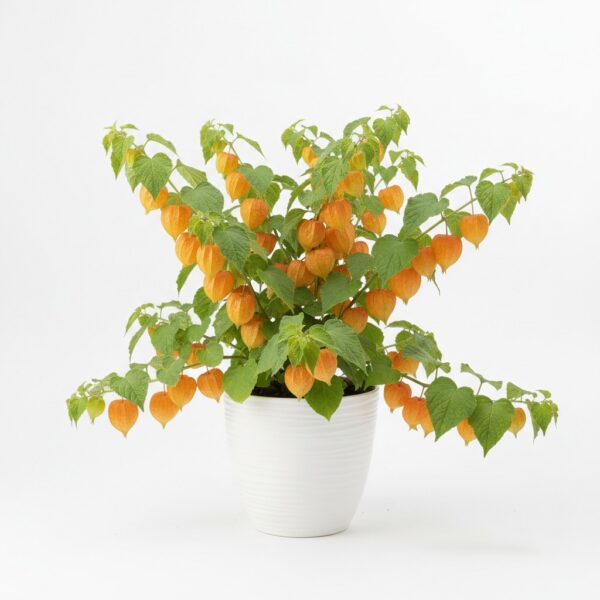
Ground Cherry
Physalis peruviana
Physalis peruviana, commonly known as Cape Gooseberry or Goldenberry, is a sprawling herbaceous plant typically grown as an annual. It reaches about 1-2 meters in height and produces small, globe-shaped fruits enclosed in a papery husk. The plant has heart-shaped leaves and small, bell-shaped yellow flowers. While it can be grown indoors, it requires very bright light and ample space to thrive and produce fruit. It is primarily cultivated for its edible berries, which have a sweet and slightly tart flavor, and are used in jams, desserts, and salads. People grow it for its unique fruit and ornamental value.
Quick Comparison
| Feature | Eryngium | Ground Cherry |
|---|---|---|
| Watering | Every 1-2 weeks, depending on weather and soil drainage | Every 2-5 days, depending on environmental conditions and pot size. Check soil moisture regularly. |
| Humidity | 30-50% | 40-60% |
| Care Level | Expert | Expert |
| Growth Rate | Moderate | Fast |
| Pet Safety | ❌ Toxic To Pets | ❌ Toxic To Pets |
🔬 Botanical Information
Eryngium
| Scientific Name | Eryngium spp. |
|---|---|
| Family | Apiaceae |
| Native To | Varies by species; native to Europe, North Africa, Asia, North and South America |
| Also Known As | Sea Holly, Eryngo |
Ground Cherry
| Scientific Name | Physalis peruviana |
|---|---|
| Family | Solanaceae |
| Native To | South America (likely Peru and Chile) |
| Also Known As | Cape Gooseberry, Goldenberry, Poha Berry, Peruvian Groundcherry |
📏 Size & Growth Comparison
Eryngium
Ground Cherry
🌱 Propagation Comparison
Eryngium
Methods: Seed, Root cuttings, Division
Difficulty: Moderate
Tips: Sow seeds in fall or early spring. Root cuttings should be taken in late winter. Division is best done in spring or fall.
Ground Cherry
Methods: Seed, Stem cuttings
Difficulty: Easy
Tips: For seeds, sow indoors 6-8 weeks before the last expected frost. For stem cuttings, take 4-6 inch cuttings and root them in water or moist soil.
📅 Maintenance Schedule
Eryngium
Ground Cherry
🤔 Which Plant Is Right For You?
Eryngium
Eryngium spp.Experienced gardeners seeking a drought-tolerant and visually striking plant for sunny outdoor gardens.
Ground Cherry
Physalis peruvianaExperienced gardeners who want to grow a unique fruit indoors with supplemental lighting and careful monitoring.
🎯 Quick Verdict
⚡ Key Differences At A Glance
Eryngium requires water deeply when the soil is dry to the touch. avoid overwatering, as eryngium prefers well-drained soil. overwatering can lead to root rot. underwatering will cause wilting and browning of leaves. watering, compared to water thoroughly when the top inch of soil feels dry to the touch. avoid overwatering, which can lead to root rot. ensure good drainage. signs of underwatering include wilting leaves and dry soil. overwatering symptoms include yellowing leaves and soggy soil. for Ground Cherry.
Eryngium has moderate growth, while Ground Cherry grows fast.
💡 Pro Tips For Each Plant
Eryngium Care Tips
Eryngium is primarily an outdoor plant and requires full sun and well-drained soil. Indoor cultivation is challenging due to the high light requirements and difficulty replicating outdoor conditions. It is prone to root rot if overwatered. Expect significantly reduced growth and flowering indoors.
Ground Cherry Care Tips
Ground Cherry is primarily an outdoor plant and requires very specific conditions to thrive indoors. It needs intense sunlight, consistent watering, and proper fertilization to produce fruit. Indoor growing is challenging due to the high light requirements and potential for pest infestations. It's best suited for experienced gardeners.