
Epimedium vs Pumpkin Plant Comparison
Compare these two plants side by side — care needs, key differences, and which is right for your home.

Epimedium
Epimedium spp.
Epimedium is a genus of rhizomatous herbaceous perennials known for their attractive foliage and delicate, spurred flowers. They are primarily grown as ground cover in shady areas, prized for their ability to suppress weeds and add visual interest with their uniquely shaped leaves, which often have bronze or reddish tints in spring and fall. Epimediums are naturally outdoor plants, thriving in woodland conditions. While theoretically possible to grow indoors, they are not well-suited to indoor environments due to their specific light, humidity, and temperature requirements.
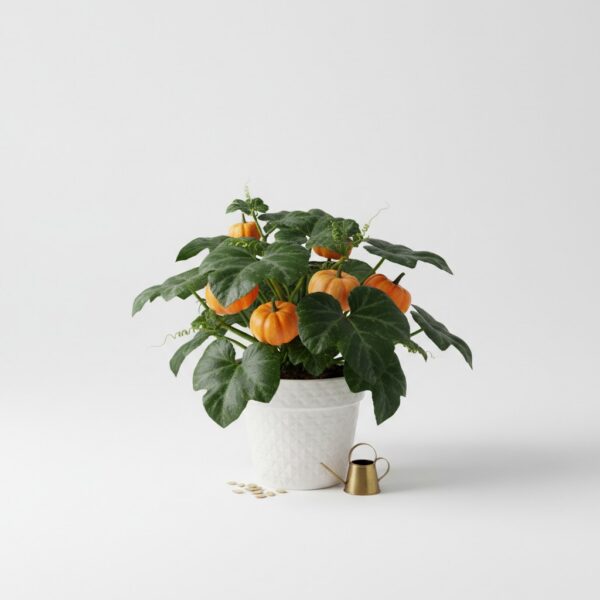
Pumpkin
Cucurbita pepo
Pumpkins are vining annual plants known for their large, round, orange fruit. They are a warm-season crop, requiring ample sunlight and well-drained soil. The plant features large, lobed leaves and produces yellow or orange flowers. While botanically a fruit, pumpkins are often used as vegetables in culinary applications. They are widely cultivated for their edible flesh and seeds, and are a popular symbol of autumn and Halloween. Pumpkins are not naturally suited for indoor growth due to their size and high light requirements.
Quick Plant Comparison
| Feature | Epimedium | Pumpkin |
|---|---|---|
| Light | Partial to full shade. Direct sunlight can scorch the leaves. | Full sun (at least 6-8 hours of direct sunlight daily) |
| Watering | Every 7-10 days, depending on temperature and humidity. | 2-3 times per week, depending on weather and soil drainage |
| Humidity | 40-60% | 40-60% |
| Temperature | 10-24°C | 21-27°C |
| Care Level | Expert | Expert |
| Growth Rate | Moderate | Fast |
| Max Height | 20-45 cm (outdoor). Significantly smaller if attempted indoors. | Not applicable indoors; outdoors, vines can reach 3-6 meters |
| Pet Safety | ❌ Toxic To Pets | ✅ Safe |
| Soil | Well-draining, humus-rich soil. A mix of potting soil, compost, and perlite is suitable. | Well-drained, fertile soil rich in organic matter |
| Beginner Friendly | ❌ No | ❌ No |
| Weekly Maintenance | 10 minutes weekly (weeding, watering). | 30-60 minutes weekly during the growing season |
🔬 Botanical Information — Comparing These Plants
Epimedium
| Scientific Name | Epimedium spp. |
|---|---|
| Family | Berberidaceae |
| Native To | Asia, particularly China, Korea, and Japan, with some species in the Mediterranean region. |
| Also Known As | Barrenwort, Bishop's Hat, Fairy Wings, Horny Goat Weed |
| Leaves | The leaves of Epimedium are typically heart-shaped or arrow-shaped, with a leathery texture. They are often compound, with multiple leaflets. Leaf color varies depending on the species and cultivar, ranging from green to bronze to reddish-purple. Some varieties have variegated foliage. |
| Flowers | Epimedium produces delicate, spurred flowers in spring. The flowers come in a variety of colors, including white, yellow, pink, and purple. They are typically small and nodding, adding a subtle beauty to the plant. Flowering is rare and unlikely indoors. |
Pumpkin
| Scientific Name | Cucurbita pepo |
|---|---|
| Family | Cucurbitaceae |
| Native To | North America |
| Also Known As | Pumpkin, Vegetable marrow, Courgette, Zucchini, Gourd |
| Leaves | Large, lobed leaves with a rough texture. The leaves are typically green in color and can be quite broad. |
| Flowers | Pumpkins produce large, yellow or orange flowers. These flowers are essential for pollination and fruit development. Flowering occurs outdoors during the summer months. |
📏 Size & Growth — Plant Comparison
Epimedium
Pumpkin
🌱 Propagation — Comparing Plant Growth
Epimedium
Methods: Division, Seed
Difficulty: Moderate
Tips: Divide rhizomes in early spring or fall. Sow seeds in fall for germination the following spring. Ensure good drainage and consistent moisture during propagation.
Pumpkin
Methods: Seed
Difficulty: Easy
Tips: Sow seeds directly into the ground after the last frost. Ensure the soil is warm and moist. Germination typically occurs within 7-10 days.
✨ Benefits & Features — Comparing Plant Value
Epimedium
Epimedium's spurred flowers are unique and delicate, adding a touch of elegance to shady gardens. Its foliage often displays bronze or reddish tints in spring and fall, providing year-round interest. The plant's rhizomatous growth habit allows it to spread and form a dense ground cover.
- ✓ Suppresses weeds in shady areas.
- ✓ Provides attractive ground cover.
- ✓ Adds seasonal color to the garden.
- ✓ Requires minimal maintenance once established.
- ✓ Attracts pollinators.
- ⚠️ Toxic to pets
Pumpkin
Pumpkins are unique for their large size and vibrant orange color. They are also a culturally significant symbol of autumn and Halloween.
- ✓ Provides edible fruit and seeds
- ✓ Offers a rewarding gardening experience
- ✓ Adds seasonal beauty to the garden
- ✓ Supports local ecosystems by attracting pollinators
- ✓ Can be used for educational purposes, especially for children
- 🐾 Pet Safe
📅 Maintenance Schedule — Plant Care Comparison
Epimedium
Pumpkin
🌞 Light Requirements
Epimedium
Partial to full shade. Direct sunlight can scorch the leaves.
Low light tolerant: ❌ No
Pumpkin
Full sun (at least 6-8 hours of direct sunlight daily)
Low light tolerant: ❌ No
💧 Watering Needs
Epimedium
Water thoroughly when the top inch of soil feels dry. Avoid overwatering, as this can lead to root rot. Ensure good drainage.
Pumpkin
Water deeply when the top inch of soil feels dry. Avoid overhead watering to prevent fungal diseases. Overwatering can lead to root rot, indicated by wilting leaves and a foul smell from the soil. Underwatering results in stunted growth and dry, brittle leaves.
🌡️ Temperature & Humidity
Epimedium
Temperature: 10-24°C
Humidity: 40-60%
Pumpkin
Temperature: 21-27°C
Humidity: 40-60%
🤔 Which Plant Is Right For You?
Epimedium
Epimedium spp.Gardeners looking for a shade-tolerant ground cover with attractive foliage and delicate flowers.
✅ Choose This Plant If...
- You need a shade-tolerant ground cover.
- You want to suppress weeds in a shady area.
- You appreciate unique foliage with seasonal color changes.
- You are looking for a low-maintenance plant once established.
- You want to add delicate, spurred flowers to your garden in spring.
❌ Skip This Plant If...
- You need a plant that thrives indoors.
- You have pets that might ingest toxic plants.
- You want a plant that tolerates full sun.
Pumpkin
Cucurbita pepoGardeners with ample outdoor space and a sunny location.
✅ Choose This Plant If...
- You have a large outdoor garden with plenty of sunlight.
- You want to grow your own pumpkins for Halloween or cooking.
- You enjoy the challenge of growing a large and rewarding crop.
- You live in a climate with warm summers and a long growing season.
- You want to experience the satisfaction of harvesting your own food.
❌ Skip This Plant If...
- You have limited space, especially indoors.
- You do not have access to full sunlight.
- You live in a climate with short, cool summers.
- You are looking for a low-maintenance plant.
- You want an indoor plant.
🎯 Quick Verdict
⚡ Key Differences Between These Plants
Epimedium has moderate growth, while Pumpkin grows fast.
💡 Pro Tips For Comparing These Plants
Epimedium Care Tips
Epimediums are best suited for outdoor gardens. Indoor cultivation is challenging due to their need for specific light, humidity, and temperature conditions. They require well-draining soil, consistent moisture, and protection from direct sunlight. Rhizomatous spread can be aggressive in ideal conditions.
- Plant in well-draining, humus-rich soil.
- Provide consistent moisture, especially during dry periods.
- Protect from direct sunlight to prevent leaf scorch.
- Cut back old foliage in late winter to encourage new growth.
- Divide rhizomes every few years to control spread and rejuvenate the plant.
Pumpkin Care Tips
Pumpkins are not suitable for indoor growing due to their high light and space requirements. They require full sun, well-drained soil, and regular watering. Indoor cultivation is extremely challenging and unlikely to be successful.
- Prepare the soil well with plenty of compost or manure before planting.
- Water deeply and regularly, especially during dry spells.
- Protect young plants from pests and diseases.
- Provide support for the vines if needed.
- Harvest pumpkins when the stems are dry and the skin is hard.
⚠️ Common Problems & Solutions — Plant Care Comparison
Epimedium
Pumpkin
❓ Frequently Asked Questions — Comparing These Plants
Epimedium
What are the light requirements for Epimedium?
Epimedium prefers partial to full shade, thriving in locations with dappled sunlight or morning sun and afternoon shade. Direct sunlight, especially during the hottest part of the day, can scorch the leaves and inhibit flowering. When planting, choose a spot under trees or shrubs that provide ample shade. In areas with intense sunlight, consider using shade cloth to protect the plants. Observe the foliage for signs of sun stress, such as bleached or brown leaves, and adjust the plant’s location accordingly. Ideally, aim for a location that receives 2-4 hours of filtered sunlight per day.
How do I care for Epimedium?
Epimedium thrives in partial to full shade, requiring well-drained soil rich in organic matter. Water regularly, especially during dry periods, but avoid overwatering to prevent root rot. Fertilize in early spring with a balanced, slow-release fertilizer to promote healthy growth and abundant blooms. Mulch around the plants to retain moisture, suppress weeds, and keep the soil cool. Trim back old foliage in late winter or early spring before new growth emerges. Divide established clumps every few years to rejuvenate the plants and prevent overcrowding. Protect from harsh afternoon sun, especially in hotter climates. Ensure good air circulation to minimize the risk of fungal diseases. Deadhead spent flowers to encourage continued blooming. Monitor for pests such as slugs and snails, and take appropriate action if necessary.
How do I propagate Epimedium?
Epimedium can be propagated by division, which is best done in early spring or fall. Carefully dig up an established clump and divide it into smaller sections, ensuring each section has healthy roots and foliage. Replant the divisions in well-drained soil and water thoroughly. Stem cuttings are not the typical route of propagation for Epimedium. Keiki, or baby plants, are not produced by Epimedium. For division, prepare the new planting site before dividing, ensuring it has adequate shade and well-drained soil. Water regularly until the new plants are established. Mulch around the plants to retain moisture and suppress weeds.
Pumpkin
What are the light requirements for Pumpkin?
Pumpkins demand abundant sunlight to fuel their rapid growth and fruit development. They require a minimum of 6-8 hours of direct sunlight daily to thrive. Insufficient light can result in weak, leggy growth, reduced flowering, and smaller, less flavorful pumpkins. Choose a planting location that receives full sun throughout the day. If growing in a partially shaded area, consider using reflective materials to maximize light exposure. Rotating the plants periodically can also help ensure even light distribution. For indoor starts, utilize grow lights to supplement natural sunlight, positioning the lights close to the seedlings.
How do I care for Pumpkin?
Pumpkins thrive in warm weather and require full sunlight, ideally at least 6-8 hours per day. Plant seeds directly into well-draining soil enriched with compost or aged manure. Water deeply and consistently, especially during dry periods, ensuring the soil remains moist but not waterlogged. Fertilize regularly with a balanced fertilizer, switching to a fertilizer higher in phosphorus as the plants begin to flower to encourage fruit production. Provide ample space for the vines to spread, or train them to grow vertically on a trellis. Monitor for pests and diseases, addressing any issues promptly. Harvest pumpkins when the rinds are hard and the stems begin to dry. Proper spacing and air circulation are crucial to prevent fungal diseases.
How do I propagate Pumpkin?
Pumpkins are typically grown from seeds, but propagation through cuttings is possible, though less common.
Last updated: April 18, 2026 — Plant care data reviewed and verified by our editorial team.