
English Ivy vs Lacecap Hydrangea Plant Comparison
Compare these two plants side by side — care needs, key differences, and which is right for your home.
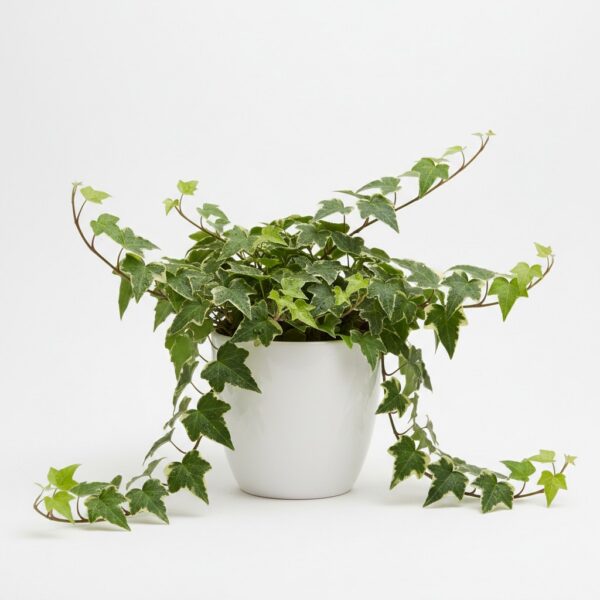
English Ivy
Hedera helix
English Ivy (Hedera helix) is a vigorous, evergreen, climbing vine. In its natural habitat, it's an outdoor plant that can climb trees and walls using aerial rootlets. It features lobed, dark green leaves and can develop a shrub-like form as it matures. While often grown indoors, it can be challenging to maintain due to specific light and humidity needs. People grow it for its attractive foliage and trailing habit, often using it in hanging baskets or to cascade over shelves. However, its aggressive growth and potential toxicity should be considered.

Lacecap Hydrangea
Hydrangea macrophylla 'Lacecap'
Lacecap Hydrangeas are deciduous shrubs known for their distinctive flower heads. They feature a central cluster of tiny, fertile flowers surrounded by a ring of larger, showy sterile flowers. This creates a delicate, lace-like appearance. Typically grown outdoors in gardens and landscapes, they offer beautiful blooms in shades of pink, blue, or white, depending on the soil pH. They are not naturally indoor plants and require specific conditions to thrive indoors, making them a challenging choice for indoor cultivation.
Quick Plant Comparison
| Feature | English Ivy | Lacecap Hydrangea |
|---|---|---|
| Light | Bright indirect light to partial shade. Avoid direct sunlight, which can scorch the leaves. | Partial shade to full sun (morning sun, afternoon shade is ideal) |
| Watering | Every 1-2 weeks, depending on environmental conditions and pot size. | 2-3 times per week outdoors, depending on weather |
| Humidity | 40-60% | 40-60% |
| Temperature | 16-21°C | 15-24°C |
| Care Level | Expert | Expert |
| Growth Rate | Fast | Moderate |
| Max Height | Indoors, typically 1-3 meters as a trailing plant. | 1-2 meters outdoors |
| Pet Safety | ❌ Toxic To Pets | ❌ Toxic To Pets |
| Soil | Well-draining potting mix, such as a mix of peat moss, perlite, and vermiculite. | Well-draining, slightly acidic soil rich in organic matter |
| Beginner Friendly | ❌ No | ❌ No |
| Weekly Maintenance | 15 minutes weekly | 30 minutes weekly outdoors |
🔬 Botanical Information — Comparing These Plants
English Ivy
| Scientific Name | Hedera helix |
|---|---|
| Family | Araliaceae |
| Native To | Europe and Western Asia |
| Also Known As | English Ivy, Common Ivy, European Ivy |
| Leaves | Leaves are typically 3-5 lobed, dark green, and waxy. Some varieties have variegated leaves with white or yellow markings. The leaves are alternate and have a leathery texture. |
| Flowers | Rarely flowers indoors. Outdoors, mature plants produce greenish-yellow flowers in late summer or early fall, followed by black berries. |
Lacecap Hydrangea
| Scientific Name | Hydrangea macrophylla 'Lacecap' |
|---|---|
| Family | Hydrangeaceae |
| Native To | Japan |
| Also Known As | Lacecap Hydrangea, Hortensia |
| Leaves | The leaves of Lacecap hydrangeas are large, ovate, and serrated, typically 10-15 cm long. They have a deep green color and a slightly coarse texture. The leaves provide a lush backdrop for the delicate flower heads, contributing to the overall aesthetic appeal of the plant. |
| Flowers | Lacecap hydrangeas rarely flower indoors due to the specific light, temperature, and dormancy requirements they need. Outdoors, they produce distinctive flower heads with a central cluster of small, fertile flowers surrounded by a ring of larger, sterile flowers. The flower color can range from pink to blue, depending on the soil pH. |
📏 Size & Growth — Plant Comparison
English Ivy
Lacecap Hydrangea
🌱 Propagation — Comparing Plant Growth
English Ivy
Methods: Stem cuttings, layering
Difficulty: Easy
Tips: Take stem cuttings with at least 3-4 nodes. Remove the bottom leaves and place the cutting in water or directly into moist potting mix. Keep the cutting in a warm, humid environment until roots develop.
Lacecap Hydrangea
Methods: Stem cuttings, layering
Difficulty: Moderate
Tips: Take softwood cuttings in late spring or early summer. Dip the cut end in rooting hormone and plant in a well-draining potting mix. Keep the cuttings moist and in a humid environment until roots develop.
✨ Benefits & Features — Comparing Plant Value
English Ivy
English Ivy is known for its ability to climb and adhere to surfaces using aerial rootlets. It has two distinct growth phases: a juvenile climbing phase and a mature, shrub-like phase where it produces flowers and berries (though rarely indoors).
- ✓ Adds a classic, elegant touch to any space.
- ✓ Can help to improve indoor air quality (though minimally).
- ✓ Provides a sense of nature indoors.
- ✓ Easy to propagate and share with friends.
- ✓ Can be trained to climb or trail, offering versatility in decor.
- ⚠️ Toxic to pets
Lacecap Hydrangea
Lacecap hydrangeas have a unique flower structure with a central cluster of fertile flowers surrounded by larger, sterile flowers, creating a delicate, lace-like appearance. The flower color can be manipulated by adjusting the soil pH, offering a dynamic and customizable aesthetic. This characteristic distinguishes them from other hydrangea varieties.
- ✓ Adds beauty and visual interest to the garden.
- ✓ Provides cut flowers for arrangements.
- ✓ Attracts pollinators to the garden.
- ✓ Can be used to create a privacy screen or border.
- ✓ Offers a sense of accomplishment for experienced gardeners.
- ⚠️ Toxic to pets
📅 Maintenance Schedule — Plant Care Comparison
English Ivy
Lacecap Hydrangea
🌞 Light Requirements
English Ivy
Bright indirect light to partial shade. Avoid direct sunlight, which can scorch the leaves.
Low light tolerant: ✅ Yes
Lacecap Hydrangea
Partial shade to full sun (morning sun, afternoon shade is ideal)
Low light tolerant: ❌ No
💧 Watering Needs
English Ivy
Water thoroughly when the top inch of soil feels dry to the touch. Ensure good drainage to prevent root rot. Overwatering can lead to yellowing leaves and root rot, while underwatering can cause the leaves to become dry and crispy.
Lacecap Hydrangea
Water deeply when the top inch of soil feels dry. Avoid overwatering, which can lead to root rot. Lacecaps are sensitive to both drought and consistently soggy soil. Check soil moisture regularly, especially during hot weather. Yellowing leaves can indicate overwatering, while wilting can indicate underwatering.
🌡️ Temperature & Humidity
English Ivy
Temperature: 16-21°C
Humidity: 40-60%
Lacecap Hydrangea
Temperature: 15-24°C
Humidity: 40-60%
🤔 Which Plant Is Right For You?
English Ivy
Hedera helixExperienced plant owners who can provide the specific environmental conditions required for healthy growth.
✅ Choose This Plant If...
- You want a trailing plant for a hanging basket or shelf.
- You are experienced with plant care and can provide the right conditions.
- You appreciate the classic look of ivy.
- You want a plant that can be propagated easily.
- You are looking for a plant that can tolerate some neglect.
❌ Skip This Plant If...
- You are a beginner plant owner.
- You have pets that might ingest the plant.
- You cannot provide bright, indirect light and high humidity.
Lacecap Hydrangea
Hydrangea macrophylla 'Lacecap'Gardeners with experience growing hydrangeas in outdoor settings.
✅ Choose This Plant If...
- You have an outdoor garden with partial shade.
- You want to experiment with changing flower color by adjusting soil pH.
- You appreciate the delicate, lace-like appearance of the flower heads.
- You live in a climate with mild summers and winters.
- You are experienced with caring for hydrangeas and understand their specific needs.
❌ Skip This Plant If...
- You live in an apartment with limited outdoor space.
- You are looking for a low-maintenance indoor plant.
- You have pets that may ingest the plant.
- You live in a climate with harsh winters or extremely hot summers.
🎯 Quick Verdict
⚡ Key Differences Between These Plants
English Ivy has fast growth, while Lacecap Hydrangea grows moderate.
💡 Pro Tips For Comparing These Plants
English Ivy Care Tips
English Ivy can be challenging to grow indoors due to its need for high humidity and bright, indirect light. It's prone to spider mites and requires regular pruning to maintain its shape. Consistent watering and proper ventilation are essential to prevent fungal diseases. It's an aggressive grower and can quickly outgrow its pot.
- Provide bright, indirect light to prevent leggy growth.
- Maintain high humidity by misting regularly or using a humidifier.
- Water thoroughly but allow the soil to dry slightly between waterings.
- Inspect regularly for pests, especially spider mites.
- Prune regularly to maintain shape and encourage bushier growth.
Lacecap Hydrangea Care Tips
Lacecap Hydrangeas are best suited for outdoor gardens. Indoor cultivation is challenging due to their high light requirements, humidity needs, and dormancy requirements. They need specific soil pH to achieve desired flower color. Indoor attempts often result in poor growth and lack of flowering.
- Test your soil pH to determine the best fertilizer and amendments for your desired flower color.
- Water deeply and regularly, especially during hot weather.
- Protect from intense afternoon sun to prevent leaf scorch.
- Prune after flowering to encourage new growth and maintain shape.
- Mulch around the base of the plant to retain moisture and suppress weeds.
⚠️ Common Problems & Solutions — Plant Care Comparison
English Ivy
Lacecap Hydrangea
❓ Frequently Asked Questions — Comparing These Plants
English Ivy
What are the light requirements for English Ivy?
English Ivy thrives in bright, indirect light. Avoid direct sunlight, especially during the hottest parts of the day, as it can scorch the leaves. An east-facing window is ideal, providing gentle morning sun. If you only have south- or west-facing windows, place the plant further away from the window or use sheer curtains to filter the light. Insufficient light can lead to leggy growth and loss of variegation in some varieties.
How do I care for English Ivy?
English Ivy thrives in bright, indirect light, though it can tolerate lower light conditions. Water thoroughly when the top inch of soil feels dry, ensuring good drainage to prevent root rot. Maintain moderate humidity levels, especially in drier climates, by misting the plant regularly or using a humidifier. Fertilize monthly during the growing season (spring and summer) with a balanced liquid fertilizer diluted to half strength.
How do I propagate English Ivy?
English Ivy is easily propagated through stem cuttings or layering. For stem cuttings, take a 4-6 inch cutting from a healthy vine, removing the lower leaves. Dip the cut end in rooting hormone and plant it in moist potting mix. Keep the soil consistently moist and provide high humidity by covering the cutting with a plastic bag or humidity dome. Roots should develop in a few weeks.
Lacecap Hydrangea
What are the light requirements for Lacecap Hydrangea?
Lacecap Hydrangeas prefer partial shade to dappled sunlight. They need at least 4 hours of sunlight each day, but too much direct sun can scorch their leaves and fade their blooms. Morning sun is ideal, followed by afternoon shade. Avoid planting them in locations that receive intense, direct sunlight, especially during the hottest part of the day.
How do I care for Lacecap Hydrangea?
Lacecap Hydrangeas thrive in partial shade with morning sun and afternoon shade being ideal. Water deeply when the top inch of soil feels dry, especially during hot weather. Maintain consistent moisture but avoid soggy conditions. Fertilize in early spring with a balanced, slow-release fertilizer formulated for hydrangeas. Amend soil with organic matter for drainage and fertility.
How do I propagate Lacecap Hydrangea?
Lacecap Hydrangeas can be propagated through several methods, including division, stem cuttings, and, less commonly, from keikis (though keikis are not typical for hydrangeas).
Last updated: May 14, 2026 — Plant care data reviewed and verified by our editorial team.