
Elm Tree vs Goat's Beard Plant Comparison
Compare these two plants side by side — care needs, key differences, and which is right for your home.
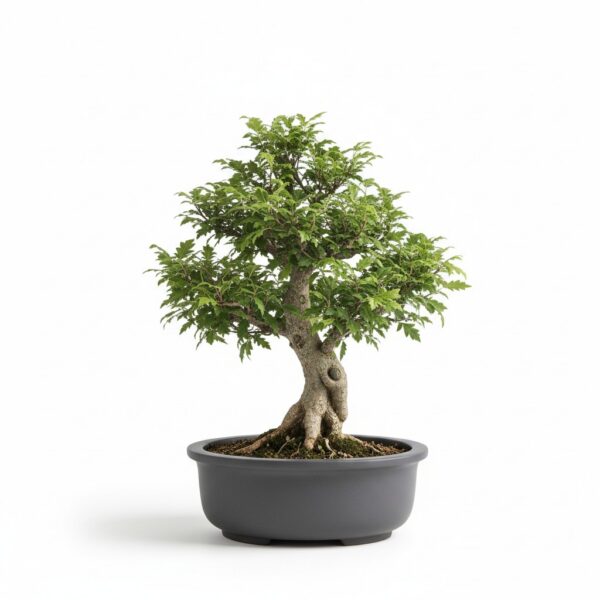
Elm Tree
Ulmus americana
The American Elm is a large, deciduous tree known for its vase-like shape and arching branches. It's a classic shade tree, historically planted along streets and in parks. It typically reaches heights of 60-80 feet, with a broad canopy. While primarily an outdoor tree, its graceful form and historical significance make it a desirable species. However, it's extremely challenging to grow indoors due to its size and need for full sun. People grow it for its beauty and shade.
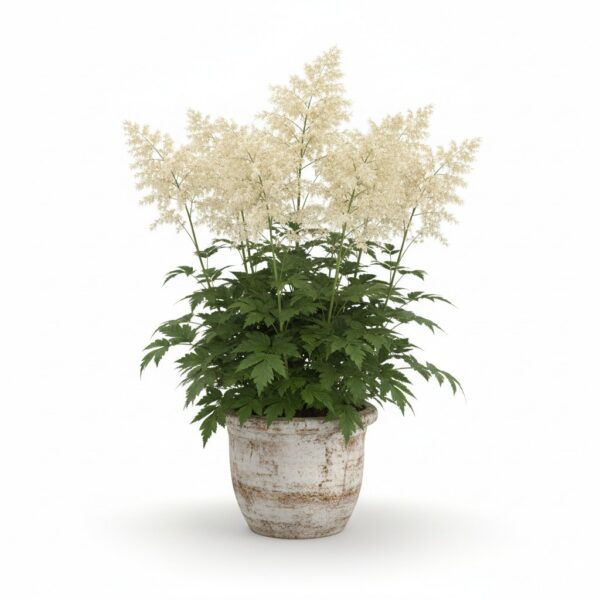
Goat's Beard
Aruncus dioicus
Goat's Beard is a herbaceous perennial known for its impressive size and feathery plumes of creamy-white flowers. It typically grows to a height of 3-6 feet and forms a bushy clump. The plant features deeply divided, fern-like leaves that provide an attractive backdrop to the blooms. It is primarily an outdoor plant, thriving in woodland settings and moist meadows. People grow it for its ornamental value, adding height and texture to gardens, and for attracting pollinators.
Quick Plant Comparison
| Feature | Elm Tree | Goat's Beard |
|---|---|---|
| Light | Full sun (at least 6 hours of direct sunlight per day) | Full sun to partial shade. Requires at least 4 hours of direct sunlight for optimal flowering. |
| Watering | Outdoors: As needed during dry periods. Indoors (discouraged): When top inch of soil is dry. | 2-3 times per week, depending on weather and soil drainage. |
| Humidity | 30-50% | 40-60% |
| Temperature | 10-27°C | 15-25°C |
| Care Level | Expert | Expert |
| Growth Rate | Fast | Moderate |
| Max Height | Outdoors: 19-38 meters. Indoors: Highly unlikely to reach significant size; stunted and unhealthy. | N/A (Outdoor plant) |
| Pet Safety | ✅ Safe | ✅ Safe |
| Soil | Well-drained soil, adaptable to various soil types including clay, loam, and sand. | Rich, well-drained soil with plenty of organic matter. A mix of garden soil, compost, and peat moss is ideal. |
| Beginner Friendly | ❌ No | ❌ No |
| Weekly Maintenance | Outdoors: 1-2 hours per month (pruning, watering, monitoring). Indoors: Significantly more time with little chance of success. | 30 minutes weekly |
🔬 Botanical Information — Comparing These Plants
Elm Tree
| Scientific Name | Ulmus americana |
|---|---|
| Family | Ulmaceae |
| Native To | Eastern North America |
| Also Known As | American Elm, White Elm, Water Elm, Swamp Elm |
| Leaves | The leaves of the American Elm are alternate, simple, and ovate to elliptical in shape. They are typically 7-15 cm long and have a serrated margin. The upper surface is rough, while the lower surface is paler and slightly hairy. The leaves turn yellow in the fall. |
| Flowers | American Elms produce small, inconspicuous flowers in early spring before the leaves emerge. They are wind-pollinated and not showy. |
Goat's Beard
| Scientific Name | Aruncus dioicus |
|---|---|
| Family | Rosaceae |
| Native To | Native to temperate regions of the Northern Hemisphere, including North America, Europe, and Asia. |
| Also Known As | Goat's Beard, Bride's Feathers |
| Leaves | The leaves are deeply divided and fern-like, creating a delicate and airy texture. They are typically medium to dark green in color and can grow up to 12 inches long. The foliage provides an attractive backdrop to the flowers. |
| Flowers | Goat's Beard produces large, feathery plumes of creamy-white flowers in early to mid-summer. The flowers are composed of numerous tiny florets and create a showy display. Male plants tend to have showier flowers than female plants. |
📏 Size & Growth — Plant Comparison
Elm Tree
Goat's Beard
🌱 Propagation — Comparing Plant Growth
Elm Tree
Methods: Seed, cuttings, grafting
Difficulty: Moderate
Tips: Collect seeds in the fall and stratify them before planting. Cuttings can be taken in late spring or early summer. Grafting is often used to propagate disease-resistant cultivars.
Goat's Beard
Methods: Division, Seed
Difficulty: Moderate
Tips: Divide clumps in early spring or fall. Sow seeds in a cold frame in the fall or early spring. Ensure good drainage and consistent moisture.
✨ Benefits & Features — Comparing Plant Value
Elm Tree
The American Elm is known for its distinctive vase-like shape and arching branches, creating a graceful silhouette. Its historical significance as a popular street tree makes it a symbol of American landscapes.
- ✓ Provides significant shade during hot summer months.
- ✓ Enhances the aesthetic appeal of a landscape.
- ✓ Offers habitat and food for birds and other wildlife.
- ✓ Contributes to carbon sequestration.
- ✓ Historically significant and culturally valuable.
- 🐾 Pet Safe
Goat's Beard
Goat's Beard is unique for its impressive size and feathery plumes of creamy-white flowers. Its dioecious nature, with separate male and female plants, adds to its distinctiveness. The plant's ability to attract pollinators and its deer resistance make it a valuable addition to gardens.
- ✓ Attracts pollinators
- ✓ Adds vertical interest to the garden
- ✓ Deer resistant
- ✓ Provides habitat for beneficial insects
- ✓ Creates a natural, wild aesthetic
- 🐾 Pet Safe
📅 Maintenance Schedule — Plant Care Comparison
Elm Tree
Goat's Beard
🌞 Light Requirements
Elm Tree
Full sun (at least 6 hours of direct sunlight per day)
Low light tolerant: ❌ No
Goat's Beard
Full sun to partial shade. Requires at least 4 hours of direct sunlight for optimal flowering.
Low light tolerant: ❌ No
💧 Watering Needs
Elm Tree
Outdoors: Water deeply during dry periods, especially when young. Indoors (highly discouraged): Keep soil consistently moist, but not waterlogged. Overwatering can lead to root rot, while underwatering will cause leaf drop and stress.
Goat's Beard
Water deeply and regularly, especially during dry periods. The soil should be consistently moist but not waterlogged. Overwatering can lead to root rot, indicated by yellowing leaves and a foul odor. Underwatering results in wilting and browning leaf edges.
🌡️ Temperature & Humidity
Elm Tree
Temperature: 10-27°C
Humidity: 30-50%
Goat's Beard
Temperature: 15-25°C
Humidity: 40-60%
🤔 Which Plant Is Right For You?
Elm Tree
Ulmus americanaThose with large outdoor spaces seeking a classic shade tree.
✅ Choose This Plant If...
- You have a large yard and want a classic shade tree.
- You appreciate the historical significance of the American Elm.
- You are willing to invest in disease-resistant cultivars.
- You want to provide habitat for birds and other wildlife.
- You enjoy the graceful, arching branches and vase-like shape.
❌ Skip This Plant If...
- You have limited space, especially indoors.
- You are not prepared to deal with potential disease or pest issues.
- You cannot provide full sun exposure.
Goat's Beard
Aruncus dioicusGardeners looking to add height and texture to their woodland gardens or naturalized areas.
✅ Choose This Plant If...
- You want a tall, dramatic plant for a woodland garden
- You need a plant that attracts pollinators
- You have a consistently moist area in your garden
- You want a deer-resistant option
- You appreciate the feathery texture of the flowers.
❌ Skip This Plant If...
- You have limited space
- You want an indoor plant
- Your garden is very dry.
🎯 Quick Verdict
⚡ Key Differences Between These Plants
Elm Tree has fast growth, while Goat's Beard grows moderate.
💡 Pro Tips For Comparing These Plants
Elm Tree Care Tips
The American Elm is an outdoor tree that is extremely difficult to grow indoors. It requires full sun, ample space, and proper watering. Indoor cultivation is highly discouraged due to its size and light requirements. Maintaining proper humidity and preventing pests are also challenges.
- Plant disease-resistant cultivars to avoid Dutch Elm Disease.
- Water deeply during dry periods, especially when young.
- Prune regularly to remove dead or damaged branches.
- Monitor for pests and diseases and treat promptly.
- Provide adequate space for the tree to grow to its mature size.
Goat's Beard Care Tips
Goat's Beard is primarily an outdoor plant and is not well-suited for indoor cultivation. It requires ample space, consistent moisture, and specific light conditions that are difficult to replicate indoors. Attempting to grow it indoors will likely result in a stressed and unhealthy plant.
- Provide consistent moisture, especially during dry periods.
- Amend the soil with plenty of organic matter.
- Choose a location with partial shade in hotter climates.
- Divide clumps every few years to maintain vigor.
- Monitor for pests and diseases and treat promptly.
⚠️ Common Problems & Solutions — Plant Care Comparison
Elm Tree
Goat's Beard
❓ Frequently Asked Questions — Comparing These Plants
Elm Tree
What are the light requirements for Elm Tree?
Indoor Elm trees thrive in bright, indirect light. Direct sunlight can scorch their delicate leaves, so avoid placing them in south-facing windows unless filtered by a sheer curtain. East- or west-facing windows are generally ideal, providing ample light without the harsh intensity. If your Elm is not receiving enough light, it may exhibit leggy growth or pale leaves. Consider supplementing with artificial grow lights, especially during winter months when natural light is limited. Rotate the plant regularly to ensure even light exposure on all sides, promoting balanced growth.
How do I care for Elm Tree?
Elm trees grown indoors require consistent care to flourish. Bright, indirect light is crucial; avoid direct sunlight, which can scorch the leaves. Water thoroughly when the top inch of soil feels dry, ensuring good drainage to prevent root rot. Maintain moderate humidity, especially during dry winter months, by misting regularly or using a humidifier. Fertilize every 4-6 weeks during the growing season (spring and summer) with a balanced liquid fertilizer diluted to half strength. Prune regularly to maintain desired shape and remove any dead or damaged branches. Repot every 1-2 years into a slightly larger pot with well-draining potting mix. Monitor for pests and diseases, addressing any issues promptly. Provide stable temperatures, avoiding drafts and sudden temperature changes.
How do I propagate Elm Tree?
Elm trees can be propagated through stem cuttings or air layering. For stem cuttings, take a 4-6 inch cutting from a healthy stem in spring or summer. Remove the lower leaves and dip the cut end in rooting hormone. Plant the cutting in a well-draining potting mix and keep it moist. For air layering, make a small incision in a stem, wrap it with moist sphagnum moss, and cover it with plastic wrap. Once roots develop, cut the stem below the moss and plant it in a pot. Both methods require patience and consistent moisture. Propagation is best done during the active growing season.
Goat's Beard
What are the light requirements for Goat's Beard?
Goat’s Beard prefers partial to full shade, thriving in locations that receive dappled sunlight or morning sun followed by afternoon shade. Direct sunlight, especially during the hottest part of the day, can scorch the leaves. Ideal placement is under the canopy of trees or on the north side of a building. If growing in a sunnier location, ensure the soil remains consistently moist to compensate for increased evaporation. Insufficient light will result in fewer blooms and leggy growth. Observe the plant for signs of stress, such as pale or yellowing leaves, and adjust its location accordingly. Avoid exposed areas with harsh afternoon sun.
How do I care for Goat's Beard?
Goat’s Beard thrives in partial to full shade, requiring at least 4 hours of indirect sunlight daily. Water deeply and regularly, especially during dry spells, ensuring the soil remains consistently moist but not waterlogged. Well-draining soil enriched with organic matter is essential. Fertilize in early spring with a balanced, slow-release fertilizer to promote healthy growth and abundant blooms. Prune spent flower plumes after blooming to maintain a tidy appearance and encourage reblooming. Mulch around the base of the plant to retain moisture and suppress weeds. Monitor for pests and diseases, addressing any issues promptly. Provide adequate air circulation to prevent fungal problems. Division every few years helps maintain vigor and prevents overcrowding.
How do I propagate Goat's Beard?
Goat’s Beard can be propagated through division, stem cuttings, and seeds. Division is best done in spring or fall. Carefully dig up the plant and separate the root ball into smaller clumps, ensuring each clump has healthy roots and foliage. Replant the divisions in well-draining soil. For stem cuttings, take 4-6 inch cuttings from new growth in spring. Remove the lower leaves and dip the cut end in rooting hormone. Plant the cuttings in moist, well-draining soil. Keep the cuttings humid by covering them with a plastic bag or humidity dome. Seeds can be sown in spring or fall. Sow the seeds on the surface of the soil and lightly cover them with vermiculite. Keep the soil moist until germination occurs.
Last updated: April 25, 2026 — Plant care data reviewed and verified by our editorial team.