
Elephant Ear vs Meadow Rue Plant Comparison
Compare these two plants side by side — care needs, key differences, and which is right for your home.

Elephant Ear
Alocasia spp. and Colocasia spp.
Elephant Ears encompass various species within the Alocasia and Colocasia genera, prized for their large, dramatic foliage resembling elephant ears. These plants are typically grown outdoors in warm climates as striking focal points in gardens or container arrangements. Alocasia leaves often point upwards, while Colocasia leaves tend to droop. They are rhizomatous perennials, meaning they grow from underground stems. While sometimes grown indoors, they require specific conditions to thrive and often struggle to maintain their vibrant appearance.
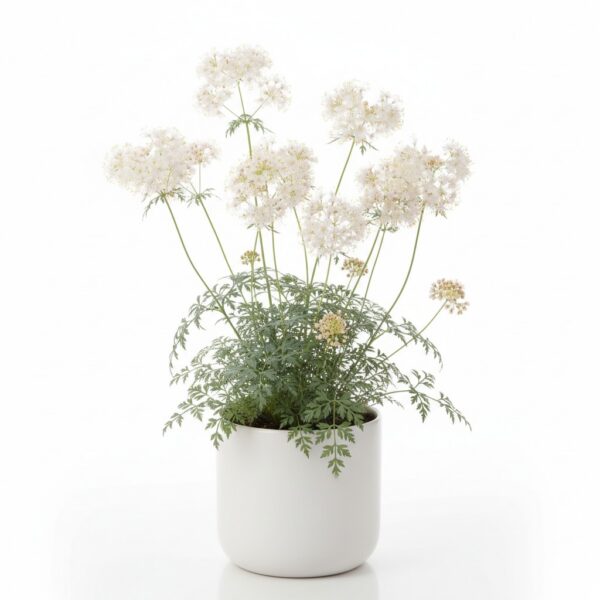
Meadow Rue
Thalictrum spp.
Meadow Rue (Thalictrum spp.) is a genus of herbaceous perennial plants known for their delicate, fern-like foliage and airy clusters of small flowers. They typically grow to heights ranging from 1 to 6 feet, depending on the species. Meadow Rue is primarily an outdoor plant, thriving in woodland gardens, borders, and naturalized areas. People grow it for its graceful appearance, attractive foliage, and the ability to add texture and movement to garden landscapes. It is not generally considered suitable for indoor cultivation due to its need for specific light and temperature conditions.
Quick Plant Comparison
| Feature | Elephant Ear | Meadow Rue |
|---|---|---|
| Light | Bright, indirect light. Avoid direct sunlight, which can scorch the leaves. | Partial shade to full sun, depending on the species. Some species prefer morning sun and afternoon shade. |
| Watering | Every 3-7 days, depending on environmental conditions and pot size. | 2-3 times per week outdoors, depending on weather and soil drainage. |
| Humidity | 60-80% | 40-60% |
| Temperature | 18-27°C | 15-25°C |
| Care Level | Expert | Expert |
| Growth Rate | Fast | Moderate |
| Max Height | 0.6-1.2 meters (indoors, often smaller) | N/A (Outdoor plant) |
| Pet Safety | ❌ Toxic To Pets | ❌ Toxic To Pets |
| Soil | Well-draining potting mix rich in organic matter, such as a mix of peat moss, perlite, and vermiculite. | Well-drained, humus-rich soil. |
| Beginner Friendly | ❌ No | ❌ No |
| Weekly Maintenance | 15-30 minutes weekly | 15 minutes weekly |
🔬 Botanical Information — Comparing These Plants
Elephant Ear
| Scientific Name | Alocasia spp. and Colocasia spp. |
|---|---|
| Family | Araceae |
| Native To | Tropical and subtropical Asia and Eastern Australia (Alocasia); Southeast Asia and India (Colocasia) |
| Also Known As | Elephant Ear, Taro, Cocoyam |
| Leaves | Large, heart-shaped or arrow-shaped leaves with prominent veins. Leaf color varies depending on the species and cultivar, ranging from deep green to purple to variegated. The leaves can grow up to several feet long and wide. |
| Flowers | Rarely flowers indoors. When they do flower, the blooms are typically inconspicuous spathes and spadices, similar to other members of the Araceae family. |
Meadow Rue
| Scientific Name | Thalictrum spp. |
|---|---|
| Family | Ranunculaceae |
| Native To | Various species native to North America, Europe, and Asia |
| Also Known As | Meadow Rue, Quicksilver Weed |
| Leaves | The leaves of Meadow Rue are compound and fern-like, with small, delicate leaflets. The color ranges from green to bluish-green, depending on the species. The texture is soft and delicate, creating a graceful appearance. |
| Flowers | Meadow Rue produces clusters of small, fluffy flowers in shades of white, yellow, pink, or purple, depending on the species. Flowering typically occurs in late spring to summer. It does not flower indoors. |
📏 Size & Growth — Plant Comparison
Elephant Ear
Meadow Rue
🌱 Propagation — Comparing Plant Growth
Elephant Ear
Methods: Division of rhizomes, corms, or tubers.
Difficulty: Moderate
Tips: Divide rhizomes in spring or early summer. Ensure each division has at least one growth point (eye). Plant in well-draining soil and keep moist until new growth appears.
Meadow Rue
Methods: Seed, Division, Rhizome cuttings
Difficulty: Moderate
Tips: Divide rhizomes in spring or fall. Sow seeds in fall for stratification. Rhizome cuttings should be taken in early spring.
✨ Benefits & Features — Comparing Plant Value
Elephant Ear
The dramatic size and shape of the leaves are its most distinctive feature. Different species and cultivars offer a wide range of leaf colors and patterns, from deep green to purple to variegated.
- ✓ Adds a tropical aesthetic to your space.
- ✓ Creates a lush, vibrant atmosphere.
- ✓ Can be a conversation starter.
- ✓ Offers a sense of connection to nature.
- ✓ Provides a visually stimulating focal point.
- ⚠️ Toxic to pets
Meadow Rue
Meadow Rue stands out with its delicate, fern-like foliage and airy clusters of small flowers. Its graceful appearance adds a touch of elegance to woodland gardens and shady borders. The plant's ability to attract pollinators further enhances its appeal.
- ✓ Attracts pollinators
- ✓ Adds texture and movement to the garden
- ✓ Provides visual interest with its delicate foliage
- ✓ Can be used in cut flower arrangements
- ✓ Supports biodiversity in the garden
- ⚠️ Toxic to pets
📅 Maintenance Schedule — Plant Care Comparison
Elephant Ear
Meadow Rue
🌞 Light Requirements
Elephant Ear
Bright, indirect light. Avoid direct sunlight, which can scorch the leaves.
Low light tolerant: ❌ No
Meadow Rue
Partial shade to full sun, depending on the species. Some species prefer morning sun and afternoon shade.
Low light tolerant: ❌ No
💧 Watering Needs
Elephant Ear
Keep the soil consistently moist but not waterlogged. Allow the top inch of soil to dry out slightly before watering again. Overwatering can lead to root rot, while underwatering can cause the leaves to droop and brown. Ensure good drainage.
Meadow Rue
Water regularly, especially during dry periods. Keep the soil consistently moist but not waterlogged. Overwatering can lead to root rot, while underwatering can cause the foliage to wilt and turn brown. Check soil moisture regularly.
🌡️ Temperature & Humidity
Elephant Ear
Temperature: 18-27°C
Humidity: 60-80%
Meadow Rue
Temperature: 15-25°C
Humidity: 40-60%
🤔 Which Plant Is Right For You?
Elephant Ear
Alocasia spp. and Colocasia spp.Experienced plant enthusiasts in warm climates who want a dramatic focal point in their garden or are willing to provide the specific conditions needed for indoor growth.
✅ Choose This Plant If...
- You love the look of large, tropical foliage.
- You have a bright, humid space to dedicate to the plant.
- You are experienced with plant care and can provide the specific conditions it needs.
- You want a statement plant that will be a conversation starter.
- You are prepared to deal with potential pest and disease issues.
❌ Skip This Plant If...
- You have pets that might ingest the plant.
- You have limited space or low light conditions.
- You are a beginner plant owner.
- You are not able to provide high humidity.
- You are prone to forgetting to water plants.
Meadow Rue
Thalictrum spp.Gardeners looking to add delicate foliage and airy flowers to their woodland or shade gardens.
✅ Choose This Plant If...
- You want a plant with delicate, fern-like foliage.
- You need a plant for a shady area in your garden.
- You want to attract pollinators to your garden.
- You appreciate plants with a natural, woodland aesthetic.
- You are an experienced gardener looking for a unique perennial.
❌ Skip This Plant If...
- You have pets that might ingest the plant.
- You are looking for an easy-to-grow indoor plant.
- You have limited space in your garden.
🎯 Quick Verdict
⚡ Key Differences Between These Plants
Elephant Ear has fast growth, while Meadow Rue grows moderate.
💡 Pro Tips For Comparing These Plants
Elephant Ear Care Tips
Elephant Ears are primarily outdoor plants and require specific conditions to thrive indoors. They need high humidity, bright indirect light, and consistent moisture. They are prone to pests and diseases and can be challenging to maintain indoors due to their size and environmental needs. Indoor growth is often less vigorous than outdoor growth.
- Provide consistent moisture, but avoid overwatering.
- Increase humidity by misting regularly or using a humidifier.
- Fertilize regularly during the growing season.
- Monitor for pests and diseases and treat promptly.
- Provide bright, indirect light to prevent leaf scorch.
Meadow Rue Care Tips
Meadow Rue is primarily an outdoor plant and is challenging to grow indoors. It requires specific light, temperature, and humidity conditions that are difficult to replicate indoors. It needs well-drained soil and regular watering. It is toxic to pets.
- Provide well-drained soil to prevent root rot.
- Water regularly, especially during dry periods.
- Apply a layer of mulch to help retain moisture.
- Divide plants every few years to maintain vigor.
- Protect from strong winds.
⚠️ Common Problems & Solutions — Plant Care Comparison
Elephant Ear
Meadow Rue
❓ Frequently Asked Questions — Comparing These Plants
Elephant Ear
What are the light requirements for Elephant Ear?
Elephant Ears thrive in bright, indirect light. Avoid direct sunlight, especially during the hottest part of the day, as it can scorch their sensitive leaves. An east-facing window is ideal, providing gentle morning sun. A north-facing window can also work if supplemented with grow lights. If placing near a south- or west-facing window, use sheer curtains to filter the light. Insufficient light can lead to leggy growth and smaller, less vibrant leaves. Rotate the plant regularly to ensure even light exposure on all sides. Observe the plant for signs of stress, such as leaf burn or pale coloration, and adjust the light accordingly.
How do I care for Elephant Ear?
Elephant Ears require bright, indirect light; avoid direct sunlight, which can scorch the leaves. Water thoroughly when the top inch of soil feels dry; ensure good drainage to prevent root rot. Maintain high humidity levels, ideally above 60%; use a humidifier or place the plant on a pebble tray filled with water. Fertilize regularly during the growing season (spring and summer) with a balanced liquid fertilizer diluted to half strength. Repot annually in spring into a slightly larger pot with well-draining potting mix. Prune away any yellowing or damaged leaves. Protect from drafts and sudden temperature changes. Monitor for pests like spider mites and aphids, and treat promptly. Provide support if the plant becomes too top-heavy.
How do I propagate Elephant Ear?
Elephant Ears can be propagated by division, stem cuttings, or air layering.
Meadow Rue
What are the light requirements for Meadow Rue?
Meadow Rue flourishes in partial to full shade, making it an ideal choice for areas with filtered sunlight or dappled shade. Avoid exposing it to direct sunlight, especially during the hottest parts of the day, as this can scorch the delicate foliage. An east-facing window or a location that receives morning sun and afternoon shade is generally perfect for indoor cultivation. If the leaves start to turn yellow or brown, it may be a sign that the plant is receiving too much light. Conversely, if the plant becomes leggy and produces few flowers, it may need more light. Rotate the plant regularly to ensure even light exposure.
How do I care for Meadow Rue?
Meadow Rue thrives in partial shade to full shade, requiring protection from intense sunlight. Water regularly, keeping the soil consistently moist but not waterlogged, especially during warmer months. Ensure well-draining soil rich in organic matter. Fertilize lightly in spring with a balanced, slow-release fertilizer to promote healthy growth and abundant blooms. Deadhead spent flowers to encourage further blooming. Prune back foliage in late fall or early spring to maintain shape and remove any dead or damaged growth. Provide adequate humidity, especially indoors, using a humidifier or placing the plant on a pebble tray filled with water. Monitor for pests like aphids and spider mites, and treat promptly if detected. Repot every 2-3 years as needed.
How do I propagate Meadow Rue?
Meadow Rue can be propagated through division, stem cuttings, or seeds.
Last updated: April 30, 2026 — Plant care data reviewed and verified by our editorial team.