
Elder vs Pussy Willow Plant Comparison
Compare these two plants side by side — care needs, key differences, and which is right for your home.

Elder
Sambucus nigra
Sambucus nigra, commonly known as Elder or Elderberry, is a deciduous shrub or small tree typically growing to 5-10 meters tall. It features pinnately compound leaves and produces large, flat-topped clusters of creamy-white flowers in late spring to early summer, followed by clusters of small, dark purple to black berries in late summer. While primarily an outdoor plant, it is sometimes grown in large containers, though it requires significant space and is unlikely to thrive indoors long-term. People grow it for its ornamental value, edible berries (when cooked), and medicinal properties.
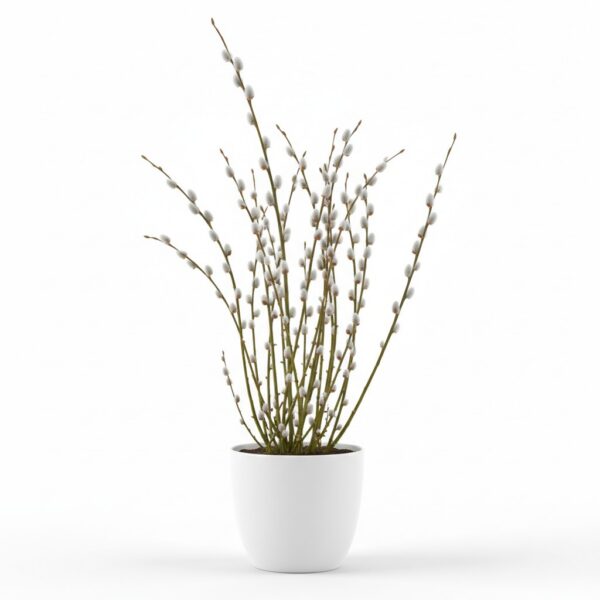
Pussy Willow
Salix discolor
Salix discolor, commonly known as Pussy Willow, is a deciduous shrub or small tree native to North America. It is characterized by its velvety, silver catkins that appear in late winter or early spring before the leaves emerge. These catkins are highly ornamental and are the primary reason people cultivate this plant. Pussy Willow is typically an outdoor plant, thriving in moist, sunny locations. While branches can be brought indoors for decorative purposes, it's not suited for long-term indoor growth due to its size and environmental needs.
Quick Plant Comparison
| Feature | Elder | Pussy Willow |
|---|---|---|
| Light | Full sun to partial shade. Requires at least 6 hours of direct sunlight for optimal growth and berry production. | Full sun to partial shade |
| Watering | Every 7-10 days during the growing season, less frequently in winter. | Outdoors: 1-2 times per week, depending on rainfall and temperature. Cuttings in water: Change water every 2-3 days. |
| Humidity | 30-50% | 30-60% |
| Temperature | 10-24°C | 10-24°C |
| Care Level | Expert | Expert |
| Growth Rate | Fast | Fast |
| Max Height | 2-3 meters (indoors, unlikely to reach full outdoor size) | Outdoors: 2-6 meters. Indoors (cuttings): Limited lifespan, typically less than a month. |
| Pet Safety | ❌ Toxic To Pets | ❌ Toxic To Pets |
| Soil | Well-draining, fertile soil rich in organic matter. A slightly acidic to neutral pH (6.0-7.0) is ideal. | Well-drained, moist soil rich in organic matter. Tolerates a range of soil types, including clay and sandy soils. |
| Beginner Friendly | ❌ No | ❌ No |
| Weekly Maintenance | 30 minutes weekly (primarily for watering, pruning, and pest control) | 30 minutes weekly (outdoor care) |
🔬 Botanical Information — Comparing These Plants
Elder
| Scientific Name | Sambucus nigra |
|---|---|
| Family | Adoxaceae |
| Native To | Europe, North Africa, Western Asia |
| Also Known As | Elder, Elderberry, Black Elder, European Elder |
| Leaves | The leaves are pinnately compound, with 5-9 leaflets. Each leaflet is oval to lance-shaped, with serrated edges and a dark green color. The leaves are typically 5-10 cm long. |
| Flowers | Elder produces large, flat-topped clusters of creamy-white flowers in late spring to early summer. The flower clusters are typically 10-20 cm in diameter and have a sweet, floral fragrance. Flowering is rare indoors. |
Pussy Willow
| Scientific Name | Salix discolor |
|---|---|
| Family | Salicaceae |
| Native To | North America |
| Also Known As | Pussy Willow, American Pussy Willow, Glaucous Willow |
| Leaves | The leaves are alternate, simple, lanceolate to oblong-lanceolate, and typically 5-12 cm long. They are green on the upper surface and paler, often glaucous (bluish-white), underneath. The leaf margins are finely serrated. |
| Flowers | The flowers are borne in catkins. Male and female flowers are on separate plants (dioecious). The catkins are most notable in late winter/early spring before the leaves emerge. Indoor branches will not produce true flowers, but the catkins are the main ornamental feature. |
📏 Size & Growth — Plant Comparison
Elder
Pussy Willow
🌱 Propagation — Comparing Plant Growth
Elder
Methods: Stem cuttings, Seed, Layering
Difficulty: Moderate
Tips: Take softwood cuttings in late spring or hardwood cuttings in late fall. Rooting hormone can improve success. For seeds, cold stratification is required.
Pussy Willow
Methods: Stem cuttings
Difficulty: Easy
Tips: Take softwood cuttings in spring or hardwood cuttings in late fall or winter. Dip the cut end in rooting hormone and plant in moist soil or place in water until roots develop.
✨ Benefits & Features — Comparing Plant Value
Elder
Elder is known for its dual purpose as both an ornamental plant and a source of edible and medicinal berries. Its distinctive flowers and berries make it easily recognizable.
- ✓ Edible berries (when cooked) for jams, pies, and wines.
- ✓ Medicinal properties (antiviral, anti-inflammatory).
- ✓ Attracts pollinators to the garden.
- ✓ Ornamental value with attractive flowers and foliage.
- ✓ Provides habitat for wildlife.
- ⚠️ Toxic to pets
Pussy Willow
The defining characteristic of the Pussy Willow is its soft, velvety catkins that appear in late winter or early spring. These catkins are not only visually appealing but also provide an important early food source for pollinators. The plant's ability to thrive in moist conditions also sets it apart.
- ✓ Provides early spring interest with its unique catkins.
- ✓ Attracts pollinators and supports local wildlife.
- ✓ Can be used for cut flower arrangements.
- ✓ Adds a natural element to the landscape.
- ✓ Relatively easy to propagate from cuttings.
- ⚠️ Toxic to pets
📅 Maintenance Schedule — Plant Care Comparison
Elder
Pussy Willow
🌞 Light Requirements
Elder
Full sun to partial shade. Requires at least 6 hours of direct sunlight for optimal growth and berry production.
Low light tolerant: ❌ No
Pussy Willow
Full sun to partial shade
Low light tolerant: ❌ No
💧 Watering Needs
Elder
Water deeply when the top inch of soil feels dry. Avoid overwatering, which can lead to root rot. During hot, dry periods, more frequent watering may be necessary. Reduce watering in the winter when the plant is dormant. Signs of overwatering include yellowing leaves and soggy soil. Underwatering is indicated by wilting and dry leaf edges.
Pussy Willow
Pussy Willows prefer consistently moist soil, especially when young. Water deeply when the top inch of soil feels dry. Overwatering can lead to root rot, indicated by yellowing leaves and a musty smell. Underwatering results in wilting and leaf drop.
🌡️ Temperature & Humidity
Elder
Temperature: 10-24°C
Humidity: 30-50%
Pussy Willow
Temperature: 10-24°C
Humidity: 30-60%
🤔 Which Plant Is Right For You?
Elder
Sambucus nigraExperienced gardeners with outdoor space who want to grow their own elderberries.
✅ Choose This Plant If...
- You have ample outdoor space and want to grow elderberries for culinary or medicinal purposes.
- You are an experienced gardener looking for a challenging and rewarding plant.
- You appreciate the ornamental value of the flowers and foliage.
- You want to attract pollinators to your garden.
- You are interested in a plant with a long history of traditional use.
❌ Skip This Plant If...
- You have limited space, especially indoors.
- You are a beginner gardener.
- You have pets or small children who might ingest toxic plant parts.
Pussy Willow
Salix discolorGardeners looking for an early spring ornamental shrub with unique catkins.
✅ Choose This Plant If...
- You want an early-blooming shrub that provides visual interest in late winter.
- You need a plant that tolerates moist soil conditions.
- You want to attract pollinators to your garden.
- You enjoy using cut branches in floral arrangements.
- You have space for a shrub that can reach a mature size of several meters.
❌ Skip This Plant If...
- You have pets that may ingest the plant.
- You lack a sunny outdoor space.
- You are looking for a low-maintenance indoor plant.
🎯 Quick Verdict
⚡ Key Differences Between These Plants
Both plants have similar basic care requirements but differ in appearance and specific needs. Compare plants carefully to find the best fit for your space.
💡 Pro Tips For Comparing These Plants
Elder Care Tips
Elder is primarily an outdoor plant and is challenging to grow indoors due to its need for full sun, large size, and dormancy requirements. It requires a very large container, careful watering, and attention to potential pest issues. Indoor growth is unlikely to be successful long-term.
- Provide full sun for optimal berry production.
- Ensure well-draining soil to prevent root rot.
- Prune annually to maintain shape and encourage fruiting.
- Protect from strong winds.
- Monitor for pests and diseases regularly.
Pussy Willow Care Tips
Pussy Willow is primarily an outdoor plant and requires full sun and consistently moist soil. While branches can be brought indoors for decorative purposes, they will not thrive long-term. Maintaining proper humidity and preventing pests are crucial for short-term indoor displays. Due to its toxicity to pets, keep out of reach.
- Plant in a location with full sun for optimal catkin production.
- Ensure the soil remains consistently moist, especially during dry periods.
- Prune after flowering to maintain shape and encourage new growth.
- Monitor for pests and diseases and treat promptly.
- Consider planting near a water source, such as a stream or pond.
⚠️ Common Problems & Solutions — Plant Care Comparison
Elder
Pussy Willow
❓ Frequently Asked Questions — Comparing These Plants
Elder
What are the light requirements for Elder?
Elder trees thrive in bright, indirect light. While they can tolerate some direct morning sun, prolonged exposure to intense afternoon sun can scorch their delicate leaves. Place your indoor Elder near an east- or west-facing window where it will receive plenty of filtered sunlight. If you notice the leaves becoming pale or yellowing, it may be a sign that the plant is receiving too much direct light. Conversely, if the plant becomes leggy or the leaves lose their vibrancy, it may need more light. Supplement with a grow light if natural light is insufficient, especially during the darker winter months. Monitor the plant’s growth and adjust its placement as needed to ensure optimal light exposure.
How do I care for Elder?
Provide your indoor Elder tree with bright, indirect light. Too much direct sun can scorch the leaves. Water thoroughly when the top inch of soil feels dry, ensuring good drainage to prevent root rot. Use a well-draining potting mix formulated for trees or shrubs. Maintain a stable environment, avoiding sudden temperature fluctuations and drafts. Fertilize monthly during the growing season (spring and summer) with a balanced liquid fertilizer diluted to half strength. Prune regularly to maintain shape and size, removing any dead or damaged branches. Repot every 1-2 years, or when the plant becomes root-bound, into a slightly larger pot. Check regularly for pests and treat promptly. Provide adequate humidity, especially during dry winter months, by misting the plant or using a humidifier. Ensure the pot has drainage holes. Rotate the plant periodically to ensure even growth.
How do I propagate Elder?
Elder can be propagated through stem cuttings or air layering. For stem cuttings, take a 4-6 inch cutting from a healthy stem in spring or summer. Remove the lower leaves and dip the cut end in rooting hormone. Plant the cutting in moist, well-draining potting mix. Cover with a plastic bag to create a humid environment and keep in bright, indirect light. Roots should develop in a few weeks. For air layering, wound a section of stem and wrap it with moist sphagnum moss. Cover the moss with plastic wrap and secure it with tape. Keep the moss moist. Once roots have formed, cut the stem below the roots and plant in a pot. Ensure the pot is appropriately sized.
Pussy Willow
What are the light requirements for Pussy Willow?
Pussy Willow requires bright, indirect sunlight to thrive indoors. Aim for at least 6 hours of sunlight per day. An east-facing window is ideal, providing gentle morning light. A south-facing window can also work, but be sure to filter the light with a sheer curtain to prevent scorching.
How do I care for Pussy Willow?
Pussy Willow thrives indoors with proper care. Place it in a location with bright, indirect sunlight. Water regularly, keeping the soil consistently moist but not waterlogged. Ensure adequate drainage to prevent root rot. A well-draining potting mix is essential.
How do I propagate Pussy Willow?
Pussy Willow is easily propagated through stem cuttings. Take a 6-8 inch cutting from a healthy stem, removing the lower leaves. Dip the cut end in rooting hormone and plant in a well-draining potting mix. Keep the soil consistently moist and provide bright, indirect light. Roots should develop in 4-6 weeks.
Last updated: April 18, 2026 — Plant care data reviewed and verified by our editorial team.