
Easter Lily vs Rain Lily Plant Comparison
Compare these two plants side by side — care needs, key differences, and which is right for your home.

Easter Lily
Lilium longiflorum
The Easter Lily is a striking perennial bulb plant prized for its large, fragrant, trumpet-shaped white flowers that bloom in spring. It is commonly forced into bloom for the Easter holiday. Naturally an outdoor plant, it can be grown indoors with specific care, but often struggles to thrive long-term in typical indoor conditions. It features upright stems with lance-shaped, dark green leaves. People grow it for its elegant flowers and symbolic association with Easter.
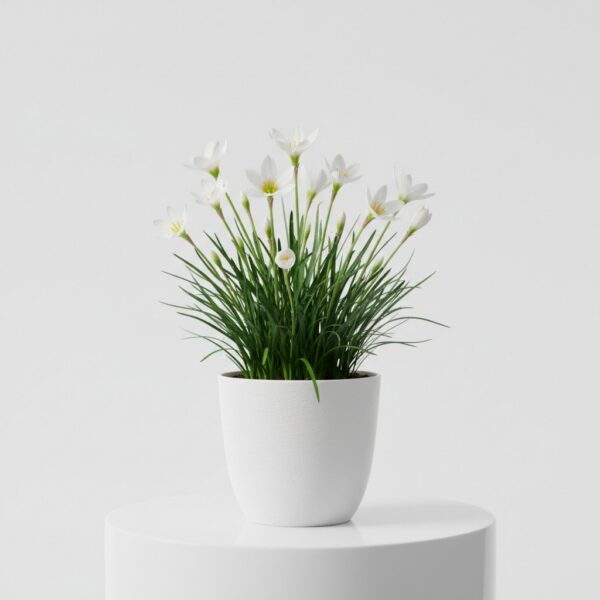
Rain Lily
Zephyranthes spp.
Rain Lilies are small, bulbous perennials known for their delightful, trumpet-shaped flowers that often appear after rainfall, hence the name. They typically grow to a height of 15-30 cm. The foliage consists of slender, grass-like leaves. While they can be grown indoors, they thrive outdoors in well-draining soil and plenty of sunlight. People grow them for their charming blooms, ease of care (outdoors), and ability to naturalize in suitable climates. They are popular in rock gardens, borders, and containers.
Quick Plant Comparison
| Feature | Easter Lily | Rain Lily |
|---|---|---|
| Light | Bright, indirect light to full sun. Requires at least 6 hours of direct sunlight daily to thrive. | Full sun to partial shade. Requires at least 6 hours of direct sunlight daily for optimal flowering. |
| Watering | Every 3-7 days, depending on light and temperature. | Every 7-10 days during the growing season, less frequently during dormancy. |
| Humidity | 40-60% | 40-60% |
| Temperature | 16-21°C | 18-27°C |
| Care Level | Expert | Expert |
| Growth Rate | Moderate | Moderate |
| Max Height | 30-60 cm indoors | 15-30 cm |
| Pet Safety | ❌ Toxic To Pets | ❌ Toxic To Pets |
| Soil | Well-draining potting mix with added perlite or sand. | Well-draining soil mix, such as a sandy loam or a mix of potting soil, perlite, and sand. |
| Beginner Friendly | ❌ No | ❌ No |
| Weekly Maintenance | 15 minutes weekly | 5 minutes weekly (outdoors) |
🔬 Botanical Information — Comparing These Plants
Easter Lily
| Scientific Name | Lilium longiflorum |
|---|---|
| Family | Liliaceae |
| Native To | Ryukyu Islands of Japan |
| Also Known As | Easter Lily, Trumpet Lily, White Trumpet Lily |
| Leaves | Lance-shaped, dark green, glossy leaves that are typically 10-20 cm long and 2-4 cm wide. They are arranged alternately along the stem. |
| Flowers | Flowers indoors, but only when forced. Large, trumpet-shaped, pure white flowers that are highly fragrant. Each flower is typically 15-20 cm long. |
Rain Lily
| Scientific Name | Zephyranthes spp. |
|---|---|
| Family | Amaryllidaceae |
| Native To | Americas, from the United States to Argentina |
| Also Known As | Rain Lily, Fairy Lily, Zephyr Lily |
| Leaves | The leaves are slender, linear, and grass-like, typically 15-30 cm long and 0.5-1 cm wide. They are usually a medium green color and have a smooth texture. |
| Flowers | Rain Lilies can flower indoors, but it is less common and less prolific than outdoors. The flowers are trumpet-shaped, with six petals, and come in various colors, including white, pink, yellow, and red. They typically last for a few days. |
📏 Size & Growth — Plant Comparison
Easter Lily
Rain Lily
🌱 Propagation — Comparing Plant Growth
Easter Lily
Methods: Bulb offsets, scaling, seed (difficult)
Difficulty: Moderate
Tips: Separate bulb offsets after flowering and replant in well-draining soil. Scaling involves removing individual scales from the bulb and planting them to form new bulblets.
Rain Lily
Methods: Division, Seed
Difficulty: Easy
Tips: Divide bulbs after flowering or collect and sow seeds in spring. For division, gently separate offsets from the main bulb and replant them in well-draining soil. For seeds, sow them in a seed-starting mix and keep them moist until germination.
✨ Benefits & Features — Comparing Plant Value
Easter Lily
The Easter Lily is known for its large, trumpet-shaped white flowers and intense fragrance. It is often associated with Easter and symbolizes purity and hope. Its toxicity to pets is a significant concern for pet owners.
- ✓ Beautiful and fragrant flowers
- ✓ Symbolic of Easter and new beginnings
- ✓ Can be a rewarding challenge for experienced plant owners
- ✓ Adds a touch of elegance to any room
- ✓ Can be forced to rebloom with proper care
- ⚠️ Toxic to pets
Rain Lily
The most unique characteristic is their tendency to bloom after rainfall, a phenomenon that is triggered by the sudden increase in moisture. This makes them a delightful surprise in the garden. The flowers are also relatively short-lived, adding to their ephemeral charm.
- ✓ Attracts pollinators to the garden.
- ✓ Adds a splash of color to the landscape.
- ✓ Low maintenance once established.
- ✓ Can be grown in containers or in the ground.
- ✓ Provides a natural, informal aesthetic.
- ⚠️ Toxic to pets
📅 Maintenance Schedule — Plant Care Comparison
Easter Lily
Rain Lily
🌞 Light Requirements
Easter Lily
Bright, indirect light to full sun. Requires at least 6 hours of direct sunlight daily to thrive.
Low light tolerant: ❌ No
Rain Lily
Full sun to partial shade. Requires at least 6 hours of direct sunlight daily for optimal flowering.
Low light tolerant: ❌ No
💧 Watering Needs
Easter Lily
Water thoroughly when the top inch of soil feels dry. Ensure good drainage to prevent root rot. Overwatering can lead to yellowing leaves and bulb rot. Underwatering can cause wilting and bud drop.
Rain Lily
Water thoroughly when the top inch of soil feels dry. Avoid overwatering, which can lead to bulb rot. Reduce watering during dormancy. Signs of overwatering include yellowing leaves and a mushy bulb. Underwatering results in dry, brittle leaves and stunted growth.
🌡️ Temperature & Humidity
Easter Lily
Temperature: 16-21°C
Humidity: 40-60%
Rain Lily
Temperature: 18-27°C
Humidity: 40-60%
🤔 Which Plant Is Right For You?
Easter Lily
Lilium longiflorumExperienced plant enthusiasts who are aware of the plant's toxicity and can provide the specific care it needs.
✅ Choose This Plant If...
- You love the fragrance of lilies and are willing to provide bright light.
- You are aware of the toxicity to pets and can keep it away from them.
- You enjoy the challenge of replicating outdoor conditions indoors.
- You want a plant that symbolizes Easter and spring.
- You have experience with bulb plants and understand their dormancy needs.
❌ Skip This Plant If...
- You have pets (especially cats) due to the extreme toxicity.
- You are a beginner plant owner and prefer low-maintenance plants.
- You have limited natural light in your home.
Rain Lily
Zephyranthes spp.Gardeners in warm climates looking for low-maintenance, flowering plants for borders, rock gardens, or containers.
✅ Choose This Plant If...
- You live in a warm climate with mild winters.
- You want a low-maintenance plant for your garden.
- You enjoy flowers that bloom after rainfall.
- You have a sunny garden or rock garden.
- You want to attract pollinators to your garden.
❌ Skip This Plant If...
- You live in a cold climate with harsh winters.
- You have pets that might ingest the plant.
- You don't have a sunny location.
- You want a plant that flowers reliably indoors.
🎯 Quick Verdict
⚡ Key Differences Between These Plants
Both plants have similar basic care requirements but differ in appearance and specific needs. Compare plants carefully to find the best fit for your space.
💡 Pro Tips For Comparing These Plants
Easter Lily Care Tips
Easter Lilies are challenging to maintain indoors long-term. They require bright light, careful watering, and specific temperature conditions. They are often discarded after flowering due to the difficulty of replicating their natural outdoor environment indoors. Toxicity to pets is a major concern.
- Provide at least 6 hours of direct sunlight or very bright indirect light daily.
- Water thoroughly when the top inch of soil is dry, but avoid overwatering.
- Fertilize regularly during the growing season with a balanced liquid fertilizer.
- After flowering, cut back the stem and allow the bulb to rest in a cool, dark place for several weeks before attempting to force rebloom.
- Be extremely cautious if you have pets, as all parts of the plant are highly toxic.
Rain Lily Care Tips
Rain Lilies are best suited for outdoor cultivation. Indoor growing is challenging due to high light requirements. They need well-draining soil, regular watering during the growing season, and protection from frost. Indoor plants rarely flower as prolifically as outdoor ones.
- Plant bulbs in well-draining soil to prevent rot.
- Provide full sun for optimal flowering.
- Water deeply but infrequently, allowing the soil to dry out between waterings.
- Fertilize during the growing season to encourage blooms.
- Protect from frost in colder climates.
⚠️ Common Problems & Solutions — Plant Care Comparison
Easter Lily
Rain Lily
❓ Frequently Asked Questions — Comparing These Plants
Easter Lily
What are the light requirements for Easter Lily?
Easter Lilies thrive in bright, indirect light. Direct sunlight can scorch the leaves, so it’s best to place them near an east- or west-facing window where they receive filtered sunlight. A south-facing window can also work if you use a sheer curtain to diffuse the light. Insufficient light can lead to weak stems, pale leaves, and a lack of blooms. Rotate the plant regularly to ensure even light exposure on all sides. During the darker winter months, you may need to supplement with artificial light, such as a grow light, to provide the necessary illumination for healthy growth. Observe your plant closely and adjust its placement as needed to ensure it receives the optimal amount of light.
How do I care for Easter Lily?
Easter Lilies prefer bright, indirect light and well-draining soil. Water thoroughly when the top inch of soil feels dry, allowing excess water to drain away. Avoid overwatering, as this can lead to root rot. Maintain a temperature between 60-75°F (15-24°C). Fertilize every 2-4 weeks during the growing season with a balanced liquid fertilizer diluted to half strength. After the blooms fade, cut back the stem to just above the soil line. You can then transplant the bulb outdoors in the spring in a sunny location with well-draining soil. Monitor for pests such as aphids and spider mites and treat accordingly. Provide adequate humidity, especially in dry indoor environments. Deadhead spent blooms to encourage new growth. Ensure good air circulation to prevent fungal diseases. Avoid placing near drafts or heat sources.
How do I propagate Easter Lily?
Easter Lilies can be propagated through bulb division, stem cuttings, or keiki (small plantlets that form on the stem).
Rain Lily
What are the light requirements for Rain Lily?
Rain Lilies thrive in bright, indirect light. Indoors, place them near an east- or west-facing window where they can receive several hours of sunlight daily. If you notice the leaves becoming pale or leggy, it indicates insufficient light. Conversely, scorching can occur if they are exposed to intense, direct sunlight, especially during the hottest part of the day. Rotate the pot regularly to ensure even light exposure on all sides of the plant. Supplement with grow lights if natural light is limited, especially during winter months.
How do I care for Rain Lily?
Rain Lilies are relatively easy to care for, requiring well-draining soil and bright, indirect light. Water thoroughly when the top inch of soil feels dry, and allow the soil to dry out slightly between waterings. Fertilize with a balanced liquid fertilizer during the growing season (spring and summer) to encourage blooming. Repot every 2-3 years or when the bulbs become overcrowded. Protect from frost in colder climates by bringing potted plants indoors or mulching garden beds. Deadhead spent flowers to promote further blooming. Provide adequate drainage to prevent root rot, and ensure good air circulation. Avoid overwatering, especially during dormancy.
How do I propagate Rain Lily?
Rain Lilies can be easily propagated by division. When repotting, gently separate the bulbs and plant them in individual pots. Offsets, or small bulbs that form around the base of the main bulb, can also be removed and planted. Stem cuttings are not applicable for Rain Lilies as they grow from bulbs. Keikis are not applicable for Rain Lilies. Ensure each division has healthy roots. Plant in well-draining soil and water thoroughly. Keep the soil consistently moist until new growth appears.
Last updated: May 14, 2026 — Plant care data reviewed and verified by our editorial team.