
Dianthus vs English Holly Plant Comparison
Compare these two plants side by side — care needs, key differences, and which is right for your home.

Dianthus
Dianthus caryophyllus
Dianthus caryophyllus, commonly known as carnation, is a herbaceous perennial plant that typically grows to a height of 80 cm. It is native to the Mediterranean and is widely cultivated for its beautiful and fragrant flowers. The flowers are typically 3-5 cm in diameter and come in a variety of colors, including pink, red, white, yellow, and purple. Carnations are popular for cut flowers, garden displays, and pot plants. They are known for their clove-like scent and long-lasting blooms. While technically perennial, they are often grown as annuals or biennials, especially in colder climates.
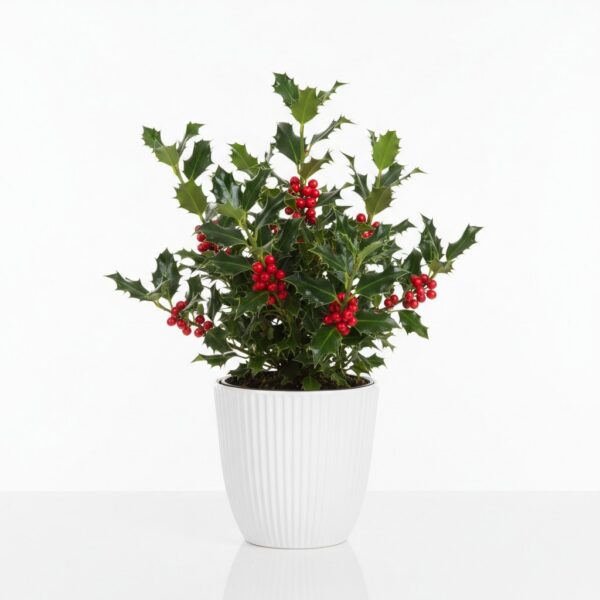
English Holly
Ilex aquifolium
English Holly is an evergreen tree or shrub, typically growing outdoors. It's known for its glossy, spiny-edged leaves and bright red berries (on female plants with a male pollinator nearby). It's a popular ornamental plant, especially during the Christmas season, for its festive appearance. While it can be grown in containers, it's primarily an outdoor plant and faces challenges when grown indoors due to its need for specific light and temperature conditions. It can reach significant sizes outdoors.
Quick Plant Comparison
| Feature | Dianthus | English Holly |
|---|---|---|
| Light | Full sun (at least 6 hours of direct sunlight per day) | Full sun to partial shade. Requires at least 6 hours of direct sunlight outdoors. |
| Watering | Every 5-7 days outdoors, less frequently indoors if attempted | Every 1-2 weeks indoors, depending on humidity and temperature. More frequently outdoors during hot, dry periods. |
| Humidity | 40-60% | 30-50% |
| Temperature | 15-24°C | 10-21°C |
| Care Level | Expert | Expert |
| Growth Rate | Moderate | Slow |
| Max Height | 30-80 cm (outdoors), less indoors (20-40cm) | 1-2 meters indoors (much larger outdoors, up to 15-25 meters) |
| Pet Safety | ❌ Toxic To Pets | ❌ Toxic To Pets |
| Soil | Well-draining, slightly alkaline soil (pH 6.75-7.5). A mix of potting soil, perlite, and sand is suitable. | Well-draining, slightly acidic soil. A mix of potting soil, peat moss, and perlite is suitable. |
| Beginner Friendly | ❌ No | ❌ No |
| Weekly Maintenance | 15-30 minutes weekly | 30 minutes weekly |
🔬 Botanical Information — Comparing These Plants
Dianthus
| Scientific Name | Dianthus caryophyllus |
|---|---|
| Family | Caryophyllaceae |
| Native To | Mediterranean region |
| Also Known As | Carnation, Clove Pink, Gillyflower |
| Leaves | The leaves of carnations are linear, lance-shaped, and grayish-green in color. They are typically 5-15 cm long and have a slightly waxy texture. |
| Flowers | Carnations can flower indoors if provided with sufficient light, but it is rare and requires supplemental lighting. Outdoors, they produce showy, fragrant flowers in a variety of colors, including pink, red, white, yellow, and purple. The flowers are typically 3-5 cm in diameter and have ruffled petals. |
English Holly
| Scientific Name | Ilex aquifolium |
|---|---|
| Family | Aquifoliaceae |
| Native To | Europe, Northwest Africa, and Southwest Asia |
| Also Known As | English Holly, Common Holly, European Holly, Christmas Holly |
| Leaves | The leaves are typically 5-12 cm long and 2-6 cm wide, glossy dark green, leathery, and have spiny margins. Some varieties have smooth margins. New growth can be lighter green. |
| Flowers | English Holly rarely flowers indoors. Outdoors, it produces small, white, fragrant flowers in spring. |
📏 Size & Growth — Plant Comparison
Dianthus
English Holly
🌱 Propagation — Comparing Plant Growth
Dianthus
Methods: Stem cuttings, Seed, Division
Difficulty: Moderate
Tips: Take stem cuttings in spring or early summer. Use rooting hormone and keep the cuttings moist. Divide established plants in spring or fall. Sow seeds indoors 6-8 weeks before the last frost.
English Holly
Methods: Stem cuttings, Seed
Difficulty: Moderate
Tips: Take semi-hardwood cuttings in late summer or early fall. Use rooting hormone and provide consistent moisture. Seed propagation is slow and requires stratification.
✨ Benefits & Features — Comparing Plant Value
Dianthus
Carnations are known for their distinctive clove-like fragrance and their ruffled petals. They come in a wide variety of colors and have a long vase life when cut. They are also relatively easy to propagate.
- ✓ Beautiful and fragrant flowers
- ✓ Attracts pollinators to the garden
- ✓ Can be used for cut flowers
- ✓ Adds color and vibrancy to outdoor spaces
- ✓ Can improve mood and reduce stress
- ⚠️ Toxic to pets
English Holly
English Holly is known for its spiny, evergreen leaves and bright red berries, making it a popular Christmas decoration. It is dioecious, meaning male and female flowers are on separate plants, and only female plants produce berries when pollinated.
- ✓ Provides visual interest with its glossy leaves and bright berries.
- ✓ Offers a traditional Christmas aesthetic.
- ✓ Can be used for ornamental purposes in wreaths and decorations.
- ✓ Provides shelter and food for birds outdoors.
- ✓ Adds a touch of elegance to the garden.
- ⚠️ Toxic to pets
📅 Maintenance Schedule — Plant Care Comparison
Dianthus
English Holly
🌞 Light Requirements
Dianthus
Full sun (at least 6 hours of direct sunlight per day)
Low light tolerant: ❌ No
English Holly
Full sun to partial shade. Requires at least 6 hours of direct sunlight outdoors.
Low light tolerant: ❌ No
💧 Watering Needs
Dianthus
Water thoroughly when the top inch of soil feels dry to the touch. Avoid overwatering, as this can lead to root rot. Allow excess water to drain away. Signs of overwatering include yellowing leaves and a musty smell. Underwatering is indicated by wilting and dry, crispy leaves.
English Holly
Water thoroughly when the top inch of soil is dry. Avoid overwatering, which can lead to root rot. Outdoors, established plants are relatively drought-tolerant. Indoors, monitor soil moisture carefully. Overwatering signs: yellowing leaves, leaf drop. Underwatering signs: dry, crispy leaves.
🌡️ Temperature & Humidity
Dianthus
Temperature: 15-24°C
Humidity: 40-60%
English Holly
Temperature: 10-21°C
Humidity: 30-50%
🤔 Which Plant Is Right For You?
Dianthus
Dianthus caryophyllusExperienced gardeners who can provide the specific light and environmental conditions required for healthy growth.
✅ Choose This Plant If...
- You want a fragrant, colorful flower for your garden.
- You have a sunny outdoor space.
- You enjoy cutting flowers for bouquets.
- You are an experienced gardener looking for a rewarding challenge.
- You want a plant with a long blooming season.
❌ Skip This Plant If...
- You have pets that might ingest the plant.
- You lack a sunny outdoor space.
- You are a beginner gardener.
- You struggle with watering plants correctly.
- You don't want to deal with potential pest or disease issues.
English Holly
Ilex aquifoliumExperienced plant enthusiasts who want a challenging indoor project or those looking for an ornamental outdoor plant.
✅ Choose This Plant If...
- You appreciate its festive appearance, especially during the holidays.
- You have experience with challenging plants and can provide the necessary care.
- You want an evergreen shrub or small tree for your outdoor garden.
- You are willing to provide the bright light and cool temperatures it needs indoors.
- You are careful to keep it away from pets and children due to its toxicity.
❌ Skip This Plant If...
- You have pets or small children who might ingest the berries or leaves.
- You lack a bright, sunny location to provide adequate light.
- You are a beginner gardener looking for an easy-care plant.
🎯 Quick Verdict
⚡ Key Differences Between These Plants
Dianthus has moderate growth, while English Holly grows slow.
💡 Pro Tips For Comparing These Plants
Dianthus Care Tips
Carnations are primarily outdoor plants and require full sun to thrive. Growing them indoors is challenging due to the need for intense light and proper ventilation. They are susceptible to fungal diseases if kept too humid or poorly ventilated. Requires careful watering and feeding.
- Provide at least 6 hours of direct sunlight daily.
- Ensure well-draining soil to prevent root rot.
- Deadhead spent flowers regularly to encourage more blooms.
- Fertilize every 2-4 weeks during the growing season.
- Protect from frost in colder climates.
English Holly Care Tips
English Holly is primarily an outdoor plant and requires expert care to thrive indoors. It needs bright light, cool temperatures, and well-draining soil. Maintaining adequate humidity and preventing pest infestations are crucial for indoor success. It's challenging to replicate its natural outdoor environment indoors.
- Provide bright, indirect light indoors, or full sun outdoors.
- Water thoroughly when the top inch of soil is dry, but avoid overwatering.
- Maintain cool temperatures, especially during the winter months.
- Fertilize sparingly in spring and early summer.
- Prune to maintain shape and remove dead or diseased branches.
⚠️ Common Problems & Solutions — Plant Care Comparison
Dianthus
English Holly
❓ Frequently Asked Questions — Comparing These Plants
Dianthus
What are the light requirements for Dianthus?
Dianthus requires at least 6 hours of direct sunlight per day to thrive and produce abundant blooms. A south-facing window is ideal for indoor plants. If natural light is insufficient, supplement with grow lights. Insufficient light leads to leggy growth, fewer blooms, and faded foliage.
How do I care for Dianthus?
Dianthus thrives in well-draining soil and requires at least 6 hours of sunlight daily. Water thoroughly when the top inch of soil feels dry, avoiding overwatering which can lead to root rot. Fertilize monthly during the growing season (spring and summer) with a balanced, diluted fertilizer to promote blooming. Deadhead spent flowers regularly to encourage continuous blooming.
How do I propagate Dianthus?
Dianthus can be propagated by division, stem cuttings, or seed. For division, carefully separate the root ball of an established plant in spring or fall. For stem cuttings, take 4-6 inch cuttings from non-flowering stems in spring or summer, remove the lower leaves, and root in moist potting mix.
English Holly
What are the light requirements for English Holly?
English Holly thrives best in bright, indirect light. Direct sunlight can scorch the leaves, especially when grown indoors. A location near an east-facing or west-facing window is ideal. If you only have a south-facing window, use a sheer curtain to diffuse the light. Insufficient light can lead to leggy growth and a lack of berry production. Rotate the plant regularly to ensure even light exposure on all sides. Artificial grow lights can supplement natural light, particularly during winter months. Monitor the plant for signs of stress, such as pale leaves, which can indicate too much light.
How do I care for English Holly?
English Holly thrives indoors with bright, indirect light. Water thoroughly when the top inch of soil feels dry, allowing excess water to drain. Maintain moderate humidity levels, especially during dry winter months. Fertilize monthly during the growing season (spring and summer) with a balanced liquid fertilizer diluted to half strength. Repot every 2-3 years into a slightly larger pot with well-draining potting mix. Prune regularly to maintain shape and remove any dead or damaged foliage. Ensure stable temperatures between 60-75°F (15-24°C). Monitor for pests like spider mites and scale, treating promptly if detected. Provide good air circulation to prevent fungal diseases. Avoid drafts and sudden temperature changes. Regular cleaning of the leaves will help maintain their shine.
How do I propagate English Holly?
English Holly can be propagated through stem cuttings or air layering. For stem cuttings, take a 4-6 inch cutting from new growth in late summer. Remove the lower leaves and dip the cut end in rooting hormone. Plant the cutting in a well-draining potting mix and keep it moist. Cover with a plastic bag to maintain humidity. Roots should develop in 6-8 weeks. For air layering, make a small incision on a stem and wrap it with moist sphagnum moss. Cover the moss with plastic wrap and secure it with tape. Once roots appear, cut the stem below the roots and plant it in a pot. Ensure both methods provide stable conditions and humidity.
Last updated: April 29, 2026 — Plant care data reviewed and verified by our editorial team.