
Devil's Ivy vs Plume Celosia Plant Comparison
Compare these two plants side by side — care needs, key differences, and which is right for your home.
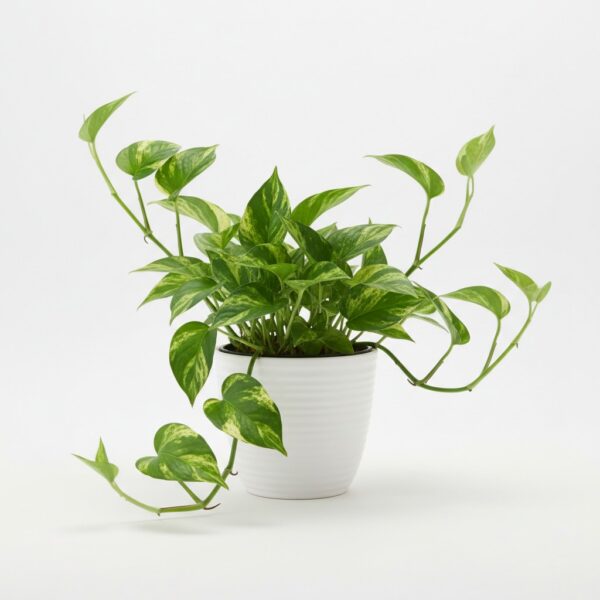
Devil's Ivy
Epipremnum aureum
Epipremnum aureum, commonly known as Devil's Ivy or Golden Pothos, is a popular evergreen vine prized for its ease of care and attractive foliage. Native to Moorea, it's widely cultivated as an ornamental plant. Its leaves are heart-shaped and glossy, often variegated with shades of yellow or white. Devil's Ivy is a climbing plant in its natural habitat, but indoors it is typically grown in hanging baskets or trained to climb on supports. People grow it for its air-purifying qualities and aesthetic appeal, adding a touch of greenery to homes and offices.

Plume Celosia
Celosia argentea var. plumosa
Plume Celosia is an annual flowering plant characterized by its upright growth habit and feathery, plume-like flowerheads. These flowers come in a range of vibrant colors, including red, pink, orange, yellow, and purple. Typically grown outdoors as a bedding plant or in containers, it adds a burst of color to gardens and landscapes. Celosia is valued for its long-lasting blooms and relatively easy care. It is not naturally an indoor plant, but can be grown indoors with significant effort to meet its light requirements.
Quick Plant Comparison
| Feature | Devil's Ivy | Plume Celosia |
|---|---|---|
| Light | Bright, indirect light is ideal. Can tolerate lower light conditions, but variegation may fade. | Full sun (at least 6-8 hours of direct sunlight per day) |
| Watering | Every 1-2 weeks, depending on environmental conditions. | Every 2-3 days outdoors in warm weather; every 5-7 days indoors, adjusting based on environmental conditions. |
| Humidity | 40-70% | 40-60% |
| Temperature | 18-27°C | 18-27°C |
| Care Level | Easy | Expert |
| Growth Rate | Fast | Moderate |
| Max Height | Indoors, typically 0.6-3 meters (2-10 feet) | Indoors: 30-60 cm (1-2 feet); Outdoors: 30-90 cm (1-3 feet) |
| Pet Safety | ❌ Toxic To Pets | ✅ Safe |
| Soil | Well-draining potting mix, such as a mix of peat moss, perlite, and vermiculite. | Well-draining potting mix rich in organic matter. A mix of garden soil, peat moss, and perlite is suitable. |
| Beginner Friendly | ✅ Yes | ❌ No |
| Weekly Maintenance | 5 minutes weekly | 10-15 minutes weekly |
🔬 Botanical Information — Comparing These Plants
Devil's Ivy
| Scientific Name | Epipremnum aureum |
|---|---|
| Family | Araceae |
| Native To | Moorea, French Polynesia |
| Also Known As | Devil's Ivy, Golden Pothos, Pothos, Hunter's Robe, Ivy Arum, Money Plant |
| Leaves | Heart-shaped leaves, typically 5-10 cm (2-4 inches) long. Glossy texture with variegation in shades of yellow, white, or light green. The amount of variegation can vary depending on light exposure. |
| Flowers | Rarely flowers indoors. In its natural habitat, it can produce small, inconspicuous flowers on a spadix, but this is extremely uncommon in indoor cultivation. |
Plume Celosia
| Scientific Name | Celosia argentea var. plumosa |
|---|---|
| Family | Amaranthaceae |
| Native To | Tropical Africa, Southeast Asia |
| Also Known As | Plume Celosia, Feather Celosia, Plumed Celosia, Prince of Wales Feather |
| Leaves | The leaves are lance-shaped, typically green, and have a slightly rough texture. They are arranged alternately along the stems. |
| Flowers | It flowers readily outdoors. Indoors, flowering is possible with sufficient light. The flowers are densely packed, feathery plumes in vibrant colors like red, pink, orange, yellow, and purple. They are long-lasting and retain their color even when dried. |
📏 Size & Growth — Plant Comparison
Devil's Ivy
Plume Celosia
🌱 Propagation — Comparing Plant Growth
Devil's Ivy
Methods: Stem cuttings
Difficulty: Easy
Tips: Take stem cuttings with at least one node. Place the cutting in water or directly into moist potting mix. Roots will typically develop within a few weeks.
Plume Celosia
Methods: Seed
Difficulty: Easy
Tips: Sow seeds indoors 6-8 weeks before the last expected frost or directly outdoors after the danger of frost has passed. Keep soil consistently moist until germination.
✨ Benefits & Features — Comparing Plant Value
Devil's Ivy
Devil's Ivy is known for its resilience and ability to thrive in a wide range of conditions. Its variegated leaves add visual interest, and it's an effective air purifier. It can adapt to different light levels, making it a versatile houseplant.
- ✓ Air purification, removing toxins like formaldehyde and xylene.
- ✓ Easy to care for, requiring minimal maintenance.
- ✓ Visually appealing, adding a touch of greenery to any space.
- ✓ Versatile, can be grown in various ways and locations.
- ✓ Boosts mood and reduces stress, creating a more relaxing environment.
- 🌬️ NASA-verified air purifier
- ⚠️ Toxic to pets
Plume Celosia
The feathery, plume-like flowerheads distinguish Plume Celosia from other Celosia varieties. Its vibrant colors and long-lasting blooms make it a popular choice for adding visual interest to gardens and containers. Unlike some plants, its flowers retain their color even when dried.
- ✓ Adds vibrant color to gardens and containers
- ✓ Attracts pollinators like butterflies and bees
- ✓ Provides long-lasting blooms for cut flower arrangements
- ✓ Relatively easy to grow outdoors in the right conditions
- ✓ Edible flowers can be used in culinary applications
- 🐾 Pet Safe
📅 Maintenance Schedule — Plant Care Comparison
Devil's Ivy
Plume Celosia
🌞 Light Requirements
Devil's Ivy
Bright, indirect light is ideal. Can tolerate lower light conditions, but variegation may fade.
Low light tolerant: ✅ Yes
Plume Celosia
Full sun (at least 6-8 hours of direct sunlight per day)
Low light tolerant: ❌ No
💧 Watering Needs
Devil's Ivy
Water thoroughly when the top inch of soil is dry. Allow excess water to drain away. Overwatering can lead to root rot, indicated by yellowing leaves and a musty smell. Underwatering results in wilting and dry, crispy leaf edges.
Plume Celosia
Water thoroughly when the top inch of soil feels dry to the touch. Avoid overwatering, as this can lead to root rot. Ensure good drainage. Signs of overwatering include wilting, yellowing leaves, and soggy soil. Underwatering is indicated by drooping leaves and dry, brittle soil.
🌡️ Temperature & Humidity
Devil's Ivy
Temperature: 18-27°C
Humidity: 40-70%
Plume Celosia
Temperature: 18-27°C
Humidity: 40-60%
🤔 Which Plant Is Right For You?
Devil's Ivy
Epipremnum aureumBeginners looking for a low-maintenance, visually appealing houseplant.
✅ Choose This Plant If...
- You want a plant that is easy to care for and can tolerate neglect.
- You want a plant that can help purify the air in your home.
- You want a plant that can be grown in a variety of ways, such as in a hanging basket or trained to climb.
- You want a plant that is relatively inexpensive and readily available.
- You want a plant that adds a touch of greenery to your home without requiring a lot of maintenance.
❌ Skip This Plant If...
- You have pets that may chew on plants, as it is toxic to them.
- You are looking for a plant that requires very little light, as it needs some light to thrive.
- You are looking for a plant that stays small, as it can grow quite long.
Plume Celosia
Celosia argentea var. plumosaGardeners looking for vibrant, long-lasting color in their outdoor beds and containers, or experienced indoor gardeners willing to provide intense supplemental light.
✅ Choose This Plant If...
- You want a plant with vibrant, long-lasting blooms.
- You have a sunny outdoor garden or balcony.
- You are looking for a plant that attracts pollinators.
- You enjoy cutting flowers for arrangements.
- You are an experienced gardener willing to provide the intense light needed for indoor growth.
❌ Skip This Plant If...
- You have limited sunlight indoors.
- You are a beginner gardener.
- You prefer low-maintenance houseplants.
🎯 Quick Verdict
⚡ Key Differences Between These Plants
Devil's Ivy is rated Easy care level, while Plume Celosia is Expert.
Devil's Ivy has fast growth, while Plume Celosia grows moderate.
💡 Pro Tips For Comparing These Plants
Devil's Ivy Care Tips
Devil's Ivy is a low-maintenance plant that thrives in a variety of conditions. It is relatively tolerant of neglect, making it a good choice for beginners. However, it is toxic to pets and should be kept out of their reach.
- Allow the top inch of soil to dry out completely before watering to prevent root rot.
- Provide bright, indirect light for optimal growth and variegation.
- Fertilize regularly during the growing season (spring and summer) with a balanced liquid fertilizer.
- Prune regularly to control size and shape, and to encourage bushier growth.
- Wipe leaves occasionally with a damp cloth to remove dust and improve air purification.
Plume Celosia Care Tips
Plume Celosia is relatively easy to grow outdoors in full sun and well-draining soil. Indoor cultivation is challenging due to its high light requirements. Supplemental lighting is almost always necessary for indoor success. Consistent watering and fertilization are essential for healthy growth and vibrant blooms.
- Provide at least 6-8 hours of direct sunlight daily for optimal growth and flowering.
- Water deeply when the top inch of soil feels dry, but avoid overwatering.
- Fertilize regularly during the growing season with a balanced liquid fertilizer.
- Deadhead spent flowers to encourage continued blooming.
- Protect from strong winds and heavy rain, which can damage the delicate flowerheads.
⚠️ Common Problems & Solutions — Plant Care Comparison
Devil's Ivy
Plume Celosia
❓ Frequently Asked Questions — Comparing These Plants
Devil's Ivy
What are the light requirements for Devil's Ivy?
Devil’s Ivy thrives in bright, indirect light. Placing it near an east-facing window is often ideal, as it receives gentle morning sun. Avoid direct sunlight, especially during the hottest part of the day, as it can cause the leaves to burn. If the leaves start to lose their variegation, it may indicate that the plant is not receiving enough light. Rotate the plant regularly to ensure even growth. Devil’s Ivy can tolerate low light conditions, but its growth will be slower and the variegation may be less pronounced. Artificial grow lights can supplement natural light, especially during the darker months.
How do I care for Devil's Ivy?
Devil’s Ivy is a relatively easy plant to care for. Place it in bright, indirect light to maintain its vibrant variegation; avoid direct sunlight, which can scorch the leaves. Water thoroughly when the top inch of soil feels dry, allowing excess water to drain away. Overwatering can lead to root rot, so ensure the pot has good drainage. Maintain humidity levels of 50-70% by misting regularly or using a humidifier, especially in dry climates. Fertilize monthly during the growing season (spring and summer) with a balanced liquid fertilizer diluted to half strength. Repot every 1-2 years in spring, using a well-draining potting mix. Prune regularly to maintain shape and encourage bushier growth. Keep temperatures between 65-85°F (18-29°C).
How do I propagate Devil's Ivy?
Devil’s Ivy is easily propagated through stem cuttings. Cut a 4-6 inch section of stem with at least one node. Remove the lower leaves and place the cutting in water. Roots will typically develop within a few weeks. Once the roots are an inch or two long, plant the cutting in well-draining potting mix. For division, carefully separate the root ball of a mature plant into smaller sections, ensuring each section has healthy roots and foliage. Plant each section in its own pot. Air layering involves wrapping a stem node with moist sphagnum moss and covering it with plastic wrap until roots develop, then cutting the stem below the roots and planting.
Plume Celosia
What are the light requirements for Plume Celosia?
Plume Celosia requires ample sunlight to flourish and produce its signature feathery blooms. Ideally, it needs at least 6 hours of direct sunlight each day. When grown indoors, place it near a south-facing window where it can receive the most intense light. Insufficient light can lead to leggy growth, fewer blooms, and faded flower colors. If natural light is limited, supplement with grow lights to provide the necessary intensity. Rotate the plant regularly to ensure even light exposure on all sides, preventing it from leaning towards the light source. A lack of light can also increase susceptibility to pests and diseases.
How do I care for Plume Celosia?
Plume Celosia thrives in full sun, requiring at least 6 hours of direct sunlight daily. Water thoroughly when the top inch of soil feels dry, ensuring good drainage to prevent root rot. Fertilize every 2-3 weeks during the growing season with a balanced, water-soluble fertilizer diluted to half strength to encourage abundant blooms. Maintain a temperature range of 60-80°F (15-27°C) and moderate humidity. Deadhead spent flowers regularly to promote continuous blooming. Plant in well-draining soil with a slightly acidic to neutral pH. Protect from strong winds and extreme temperature fluctuations. Monitor for pests like aphids and spider mites, and treat promptly if necessary. Prune lightly to maintain shape and encourage bushier growth. Provide support if the plant becomes top-heavy with blooms.
How do I propagate Plume Celosia?
Plume Celosia is most commonly propagated by seed. Collect seeds from dried flower heads. Sow seeds indoors or directly in the garden after the last frost. For stem cuttings, take a 4-6 inch cutting from a healthy plant, remove the lower leaves, and place it in water or moist potting mix. Keep the cutting in a warm, humid environment until roots develop. Division is not typically used for Plume Celosia. While theoretically possible, keiki propagation is not applicable to Celosia as they do not produce keikis. Ensure well-draining soil and adequate sunlight for successful propagation.
Last updated: April 25, 2026 — Plant care data reviewed and verified by our editorial team.