
Dead Nettle vs Ground Cherry Plant Comparison
Compare these two plants side by side — care needs, key differences, and which is right for your home.

Dead Nettle
Lamium purpureum
Purple Dead Nettle is a low-growing annual plant, typically reaching heights of 5-30 cm. It features characteristic square stems and heart-shaped, slightly hairy leaves with toothed edges. The upper leaves often exhibit a purplish hue, giving the plant its name. Small, pink to purple flowers bloom in clusters in the upper leaf axils. It's primarily an outdoor plant, thriving in disturbed soils and gardens. People may grow it for its early spring nectar source for pollinators and its edible leaves, though it's often considered a weed.
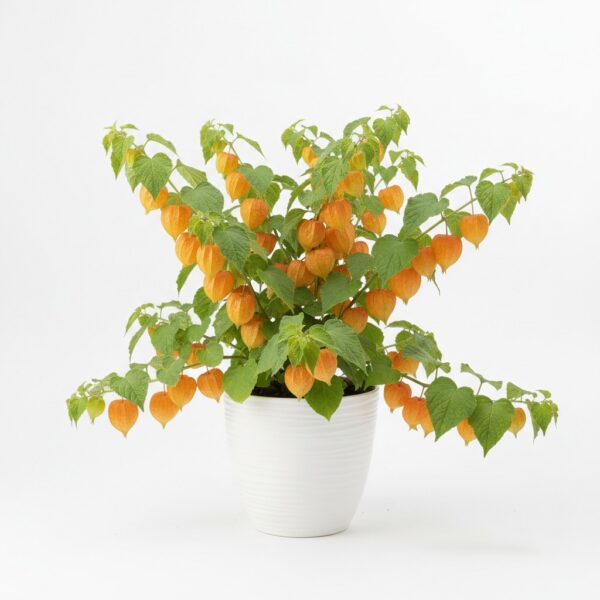
Ground Cherry
Physalis peruviana
Physalis peruviana, commonly known as Cape Gooseberry or Goldenberry, is a sprawling herbaceous plant typically grown as an annual. It reaches about 1-2 meters in height and produces small, globe-shaped fruits enclosed in a papery husk. The plant has heart-shaped leaves and small, bell-shaped yellow flowers. While it can be grown indoors, it requires very bright light and ample space to thrive and produce fruit. It is primarily cultivated for its edible berries, which have a sweet and slightly tart flavor, and are used in jams, desserts, and salads. People grow it for its unique fruit and ornamental value.
Quick Plant Comparison
| Feature | Dead Nettle | Ground Cherry |
|---|---|---|
| Light | Full sun to partial shade | Full sun (at least 6-8 hours of direct sunlight daily) |
| Watering | Every 5-7 days during active growth, less frequently in cooler months | Every 2-5 days, depending on environmental conditions and pot size. Check soil moisture regularly. |
| Humidity | 30-50% | 40-60% |
| Temperature | 10-25°C | 18-24°C |
| Care Level | Expert | Expert |
| Growth Rate | Fast | Fast |
| Max Height | N/A (Primarily an outdoor plant, indoor growth is limited) | 0.5-1 meter indoors (significantly smaller than outdoors) |
| Pet Safety | ❌ Toxic To Pets | ❌ Toxic To Pets |
| Soil | Well-draining soil; tolerates a wide range of soil types including sandy, loamy, and clay soils. | Well-draining loamy soil with a slightly acidic to neutral pH (6.0-7.0) |
| Beginner Friendly | ❌ No | ❌ No |
| Weekly Maintenance | 5-10 minutes weekly (weeding, deadheading) | 30 minutes weekly |
🔬 Botanical Information — Comparing These Plants
Dead Nettle
| Scientific Name | Lamium purpureum |
|---|---|
| Family | Lamiaceae |
| Native To | Native to Europe and Asia; naturalized worldwide |
| Also Known As | Purple Dead Nettle, Red Dead Nettle, Purple Archangel |
| Leaves | Heart-shaped, slightly hairy leaves with toothed edges. The upper leaves often have a purplish hue, while the lower leaves are typically green. Leaves are opposite and about 2-4 cm long. |
| Flowers | Small, pink to purple flowers bloom in clusters in the upper leaf axils during spring and early summer. Flowering is rare and unlikely indoors. |
Ground Cherry
| Scientific Name | Physalis peruviana |
|---|---|
| Family | Solanaceae |
| Native To | South America (likely Peru and Chile) |
| Also Known As | Cape Gooseberry, Goldenberry, Poha Berry, Peruvian Groundcherry |
| Leaves | Heart-shaped leaves with slightly serrated edges. They are typically 6-15 cm long and 4-10 cm wide, with a slightly fuzzy texture and a medium green color. |
| Flowers | It can flower indoors with sufficient light. The flowers are small, bell-shaped, and yellow with purple-brown spots in the throat. They are self-pollinating, but hand-pollination can improve fruit set indoors. |
📏 Size & Growth — Plant Comparison
Dead Nettle
Ground Cherry
🌱 Propagation — Comparing Plant Growth
Dead Nettle
Methods: Seed, Stem cuttings
Difficulty: Easy
Tips: Sow seeds directly into the soil in spring or fall. Stem cuttings can be taken in spring or summer and rooted in water or moist soil.
Ground Cherry
Methods: Seed, Stem cuttings
Difficulty: Easy
Tips: For seeds, sow indoors 6-8 weeks before the last expected frost. For stem cuttings, take 4-6 inch cuttings and root them in water or moist soil.
✨ Benefits & Features — Comparing Plant Value
Dead Nettle
It's an early spring bloomer providing a valuable nectar source for pollinators when few other plants are in flower. Its purplish upper leaves and non-stinging nature distinguish it from true nettles.
- ✓ Attracts pollinators
- ✓ Provides early spring color
- ✓ Edible leaves
- ✓ Tolerates poor soil
- ✓ Easy to propagate
- ⚠️ Toxic to pets
Ground Cherry
The fruit is enclosed in a papery husk, which is derived from the calyx of the flower. The fruit has a distinctive sweet and slightly tart flavor, often described as a combination of pineapple and tomato.
- ✓ Provides fresh, unique fruit.
- ✓ Offers an interesting ornamental display with its papery husks.
- ✓ Can be a rewarding challenge for experienced gardeners.
- ✓ Supports local food production.
- ✓ Adds a touch of the exotic to your indoor garden.
- ⚠️ Toxic to pets
📅 Maintenance Schedule — Plant Care Comparison
Dead Nettle
Ground Cherry
🌞 Light Requirements
Dead Nettle
Full sun to partial shade
Low light tolerant: ❌ No
Ground Cherry
Full sun (at least 6-8 hours of direct sunlight daily)
Low light tolerant: ❌ No
💧 Watering Needs
Dead Nettle
Water thoroughly when the top inch of soil feels dry. Avoid overwatering, which can lead to root rot. Signs of underwatering include wilting leaves, while overwatering can cause yellowing and mushy stems.
Ground Cherry
Water thoroughly when the top inch of soil feels dry to the touch. Avoid overwatering, which can lead to root rot. Ensure good drainage. Signs of underwatering include wilting leaves and dry soil. Overwatering symptoms include yellowing leaves and soggy soil.
🌡️ Temperature & Humidity
Dead Nettle
Temperature: 10-25°C
Humidity: 30-50%
Ground Cherry
Temperature: 18-24°C
Humidity: 40-60%
🤔 Which Plant Is Right For You?
Dead Nettle
Lamium purpureumGardeners looking for an early spring nectar source for pollinators in their outdoor garden.
✅ Choose This Plant If...
- You want to attract early pollinators to your garden.
- You are looking for an edible wild plant.
- You need a ground cover for a disturbed area.
- You want a plant that tolerates a wide range of soil conditions.
- You appreciate the early spring color it provides.
❌ Skip This Plant If...
- You are looking for an indoor plant.
- You want a plant that is guaranteed pet-safe.
- You want a plant that stays contained and doesn't spread.
Ground Cherry
Physalis peruvianaExperienced gardeners who want to grow a unique fruit indoors with supplemental lighting and careful monitoring.
✅ Choose This Plant If...
- You enjoy a challenge and have experience growing fruiting plants indoors.
- You have access to very bright, direct sunlight or grow lights.
- You are looking for a unique and flavorful fruit to grow at home.
- You are interested in the ornamental value of the plant's papery husks.
- You are willing to dedicate time to hand-pollinating the flowers if needed.
❌ Skip This Plant If...
- You have limited sunlight in your home.
- You are a beginner gardener.
- You have pets that might ingest the plant.
- You don't have time for regular pruning and pest control.
- You expect easy and abundant fruit production indoors.
🎯 Quick Verdict
⚡ Key Differences Between These Plants
Dead Nettle needs full sun to partial shade, while Ground Cherry prefers full sun (at least 6-8 hours of direct sunlight daily).
💡 Pro Tips For Comparing These Plants
Dead Nettle Care Tips
Purple Dead Nettle is primarily an outdoor plant and is not well-suited for indoor cultivation. It requires full sun to partial shade and well-draining soil. While it's relatively easy to grow outdoors, attempting to keep it indoors will be challenging due to its light and space requirements.
- Control its spread by removing unwanted plants promptly.
- Provide well-draining soil to prevent root rot.
- Fertilize lightly in spring to promote growth.
- Monitor for aphids and treat as needed.
- Allow some plants to self-seed to ensure future generations.
Ground Cherry Care Tips
Ground Cherry is primarily an outdoor plant and requires very specific conditions to thrive indoors. It needs intense sunlight, consistent watering, and proper fertilization to produce fruit. Indoor growing is challenging due to the high light requirements and potential for pest infestations. It's best suited for experienced gardeners.
- Provide at least 6-8 hours of direct sunlight daily, supplementing with grow lights if necessary.
- Water deeply when the top inch of soil is dry, ensuring good drainage.
- Fertilize regularly during the growing season with a balanced liquid fertilizer.
- Hand-pollinate the flowers if you're not seeing fruit production.
- Monitor for pests and diseases regularly, and treat promptly.
⚠️ Common Problems & Solutions — Plant Care Comparison
Dead Nettle
Ground Cherry
❓ Frequently Asked Questions — Comparing These Plants
Dead Nettle
What are the light requirements for Dead Nettle?
Dead Nettle thrives best in partial shade to full shade. While it can tolerate some morning sun, direct afternoon sun can scorch its leaves, especially in warmer climates. Indoors, place it near a north-facing or east-facing window where it will receive bright, indirect light. If the leaves start to fade or become pale, it may be getting too much light.
How do I care for Dead Nettle?
Dead Nettle is a relatively easy plant to care for, making it a great choice for beginners. Provide it with well-draining soil that is rich in organic matter. Water when the top inch of soil feels dry to the touch, avoiding overwatering which can lead to root rot. Dead Nettle prefers partial shade to full shade, especially in hotter climates. Fertilize during the growing season (spring and summer) with a balanced liquid fertilizer diluted to half strength, to encourage blooming.
How do I propagate Dead Nettle?
Dead Nettle is easily propagated through several methods.
Ground Cherry
What are the light requirements for Ground Cherry?
Ground cherries demand ample sunlight to flourish and produce a generous yield of fruit. Aim for at least 6-8 hours of direct sunlight daily. A south-facing location is ideal, providing the most intense light exposure. If growing indoors, supplement with grow lights to ensure adequate illumination. Insufficient light can result in leggy growth, reduced flowering, and smaller, less flavorful fruit. Rotate the plant regularly to ensure even light exposure on all sides. Monitor the plant’s growth and adjust its position as needed to maximize light absorption. Proper light is crucial for the plant’s overall health and productivity.
How do I care for Ground Cherry?
Ground cherries thrive in well-draining soil and require full sun for optimal fruit production. Water deeply but infrequently, allowing the soil to dry slightly between waterings. Fertilize regularly with a balanced fertilizer during the growing season to encourage abundant blooms and fruit. Prune as needed to maintain shape and remove any dead or damaged foliage. Provide support for the plant as it grows, especially when laden with fruit. Monitor for pests and diseases, addressing any issues promptly. Harvest the fruits when they fall from the plant, indicating ripeness. Maintain consistent care to enjoy a bountiful harvest of these delightful fruits. Ensure adequate air circulation to prevent fungal diseases.
How do I propagate Ground Cherry?
Ground cherries can be propagated from seeds or stem cuttings. For seeds, sow them indoors 6-8 weeks before the last frost. For stem cuttings, take 4-6 inch cuttings from healthy stems, remove the lower leaves, and place them in water or well-draining soil until roots develop. Once rooted, transplant into individual pots. Division is less common but possible with established plants; carefully separate the root ball in spring. Ensure each division has healthy roots and foliage. Replant in well-draining soil and water thoroughly. Provide adequate light and moisture to encourage new growth. Proper sanitation is crucial to prevent fungal diseases.
Last updated: May 4, 2026 — Plant care data reviewed and verified by our editorial team.