
Date Palm vs Goat's Beard Plant Comparison
Compare these two plants side by side — care needs, key differences, and which is right for your home.

Date Palm
Phoenix dactylifera
The Date Palm is a tall, majestic tree known for its edible fruit, the date. It features a single trunk topped with a crown of long, arching, pinnate (feather-like) leaves. Primarily an outdoor plant, it thrives in hot, arid climates. While young plants are sometimes kept indoors, they require very bright light and significant space to grow. People cultivate it for its ornamental value and, of course, for its sweet and nutritious dates.
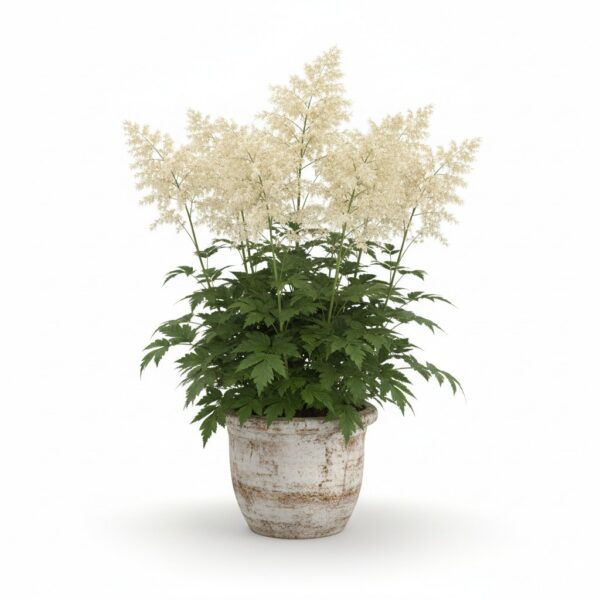
Goat's Beard
Aruncus dioicus
Goat's Beard is a herbaceous perennial known for its impressive size and feathery plumes of creamy-white flowers. It typically grows to a height of 3-6 feet and forms a bushy clump. The plant features deeply divided, fern-like leaves that provide an attractive backdrop to the blooms. It is primarily an outdoor plant, thriving in woodland settings and moist meadows. People grow it for its ornamental value, adding height and texture to gardens, and for attracting pollinators.
Quick Plant Comparison
| Feature | Date Palm | Goat's Beard |
|---|---|---|
| Light | Full sun, at least 6-8 hours of direct sunlight daily. Insufficient light will lead to stunted growth and poor health. | Full sun to partial shade. Requires at least 4 hours of direct sunlight for optimal flowering. |
| Watering | Every 1-2 weeks, depending on environmental conditions and pot size. Allow soil to dry out significantly between waterings. | 2-3 times per week, depending on weather and soil drainage. |
| Humidity | 40-60% | 40-60% |
| Temperature | 20-30°C | 15-25°C |
| Care Level | Expert | Expert |
| Growth Rate | Slow | Moderate |
| Max Height | Indoors, typically 1-3 meters (difficult to maintain long-term). Outdoors, up to 20-30 meters. | N/A (Outdoor plant) |
| Pet Safety | ❌ Toxic To Pets | ✅ Safe |
| Soil | Well-draining sandy loam soil. A mix of potting soil, sand, and perlite is suitable. | Rich, well-drained soil with plenty of organic matter. A mix of garden soil, compost, and peat moss is ideal. |
| Beginner Friendly | ❌ No | ❌ No |
| Weekly Maintenance | 30 minutes weekly (checking for pests, watering, pruning) | 30 minutes weekly |
🔬 Botanical Information — Comparing These Plants
Date Palm
| Scientific Name | Phoenix dactylifera |
|---|---|
| Family | Arecaceae |
| Native To | Middle East, North Africa |
| Also Known As | Date Palm, Date |
| Leaves | Pinnate (feather-like) leaves, typically 3-5 meters long. Each leaf is composed of numerous leaflets that are green and lance-shaped. The leaves arch gracefully from the crown of the tree. |
| Flowers | Date Palms are dioecious, meaning they have separate male and female plants. Flowering is rare indoors. Outdoors, small, inconspicuous flowers appear on inflorescences (flower clusters) in the spring. Pollination is required for fruit production. |
Goat's Beard
| Scientific Name | Aruncus dioicus |
|---|---|
| Family | Rosaceae |
| Native To | Native to temperate regions of the Northern Hemisphere, including North America, Europe, and Asia. |
| Also Known As | Goat's Beard, Bride's Feathers |
| Leaves | The leaves are deeply divided and fern-like, creating a delicate and airy texture. They are typically medium to dark green in color and can grow up to 12 inches long. The foliage provides an attractive backdrop to the flowers. |
| Flowers | Goat's Beard produces large, feathery plumes of creamy-white flowers in early to mid-summer. The flowers are composed of numerous tiny florets and create a showy display. Male plants tend to have showier flowers than female plants. |
📏 Size & Growth — Plant Comparison
Date Palm
Goat's Beard
🌱 Propagation — Comparing Plant Growth
Date Palm
Methods: Seed, Offsets (suckers)
Difficulty: Moderate
Tips: Soak seeds in warm water for 24-48 hours before planting. Offsets should be carefully removed from the base of the parent plant and potted in well-draining soil.
Goat's Beard
Methods: Division, Seed
Difficulty: Moderate
Tips: Divide clumps in early spring or fall. Sow seeds in a cold frame in the fall or early spring. Ensure good drainage and consistent moisture.
✨ Benefits & Features — Comparing Plant Value
Date Palm
The Date Palm is unique for its ability to produce edible dates and its majestic appearance. It is a symbol of the Middle East and has been cultivated for thousands of years. Its long, arching fronds create a dramatic silhouette.
- ✓ Adds a tropical aesthetic to your space
- ✓ Provides a sense of connection to nature
- ✓ Can potentially produce edible dates (outdoors)
- ✓ Offers a unique and exotic look
- ✓ Can improve indoor air quality to a small extent (through photosynthesis)
- ⚠️ Toxic to pets
Goat's Beard
Goat's Beard is unique for its impressive size and feathery plumes of creamy-white flowers. Its dioecious nature, with separate male and female plants, adds to its distinctiveness. The plant's ability to attract pollinators and its deer resistance make it a valuable addition to gardens.
- ✓ Attracts pollinators
- ✓ Adds vertical interest to the garden
- ✓ Deer resistant
- ✓ Provides habitat for beneficial insects
- ✓ Creates a natural, wild aesthetic
- 🐾 Pet Safe
📅 Maintenance Schedule — Plant Care Comparison
Date Palm
Goat's Beard
🌞 Light Requirements
Date Palm
Full sun, at least 6-8 hours of direct sunlight daily. Insufficient light will lead to stunted growth and poor health.
Low light tolerant: ❌ No
Goat's Beard
Full sun to partial shade. Requires at least 4 hours of direct sunlight for optimal flowering.
Low light tolerant: ❌ No
💧 Watering Needs
Date Palm
Water thoroughly when the top inch of soil is dry. Ensure good drainage to prevent root rot. Overwatering symptoms include yellowing leaves and a musty smell from the soil. Underwatering symptoms include drooping or browning leaf tips.
Goat's Beard
Water deeply and regularly, especially during dry periods. The soil should be consistently moist but not waterlogged. Overwatering can lead to root rot, indicated by yellowing leaves and a foul odor. Underwatering results in wilting and browning leaf edges.
🌡️ Temperature & Humidity
Date Palm
Temperature: 20-30°C
Humidity: 40-60%
Goat's Beard
Temperature: 15-25°C
Humidity: 40-60%
🤔 Which Plant Is Right For You?
Date Palm
Phoenix dactyliferaExperienced plant enthusiasts with a very sunny indoor space or those living in suitable outdoor climates.
✅ Choose This Plant If...
- You have a very sunny indoor space and want a statement plant
- You live in a warm climate and want to grow your own dates
- You are an experienced plant owner looking for a challenge
- You appreciate the historical significance of the date palm
- You want a unique and exotic plant in your collection
❌ Skip This Plant If...
- You have limited sunlight indoors
- You are a beginner plant owner
- You have limited space
Goat's Beard
Aruncus dioicusGardeners looking to add height and texture to their woodland gardens or naturalized areas.
✅ Choose This Plant If...
- You want a tall, dramatic plant for a woodland garden
- You need a plant that attracts pollinators
- You have a consistently moist area in your garden
- You want a deer-resistant option
- You appreciate the feathery texture of the flowers.
❌ Skip This Plant If...
- You have limited space
- You want an indoor plant
- Your garden is very dry.
🎯 Quick Verdict
⚡ Key Differences Between These Plants
Date Palm has slow growth, while Goat's Beard grows moderate.
💡 Pro Tips For Comparing These Plants
Date Palm Care Tips
Date Palms are challenging to grow indoors due to their high light requirements and eventual large size. They need very bright, direct sunlight and well-draining soil. Overwatering is a common problem. Regular fertilization during the growing season is beneficial. Requires significant space and specialized care to thrive indoors.
- Provide as much direct sunlight as possible. Supplement with grow lights if needed.
- Ensure excellent drainage to prevent root rot.
- Fertilize regularly during the growing season.
- Protect from frost if grown outdoors.
- Monitor for pests and treat promptly.
Goat's Beard Care Tips
Goat's Beard is primarily an outdoor plant and is not well-suited for indoor cultivation. It requires ample space, consistent moisture, and specific light conditions that are difficult to replicate indoors. Attempting to grow it indoors will likely result in a stressed and unhealthy plant.
- Provide consistent moisture, especially during dry periods.
- Amend the soil with plenty of organic matter.
- Choose a location with partial shade in hotter climates.
- Divide clumps every few years to maintain vigor.
- Monitor for pests and diseases and treat promptly.
⚠️ Common Problems & Solutions — Plant Care Comparison
Date Palm
Goat's Beard
❓ Frequently Asked Questions — Comparing These Plants
Date Palm
What are the light requirements for Date Palm?
Date Palms require bright, indirect light to thrive. Direct sunlight can scorch their delicate fronds, especially when they are young. An east- or west-facing window that provides several hours of filtered sunlight is ideal. If you are placing your Date Palm near a south-facing window, use a sheer curtain to diffuse the light. Insufficient light can lead to slow growth and yellowing leaves. Rotate your plant regularly to ensure even growth on all sides. Artificial grow lights can supplement natural light, especially during the darker winter months. Observe your plant closely for signs of light stress, such as burnt tips or pale leaves, and adjust its placement accordingly.
How do I care for Date Palm?
Date Palms thrive in bright, indirect light; direct sunlight can scorch their leaves. Water thoroughly when the top inch of soil feels dry, allowing excess water to drain away. Ensure consistent moisture but avoid overwatering, which can lead to root rot. Maintain moderate humidity levels; misting the fronds occasionally can be beneficial. Fertilize during the growing season (spring and summer) with a balanced palm fertilizer. Repot young plants annually, and mature plants every few years, using a well-draining potting mix. Prune away any dead or yellowing fronds to maintain a tidy appearance. Protect from drafts and sudden temperature changes. Provide good air circulation to prevent fungal diseases. Monitor for pests like spider mites and treat promptly. Regular cleaning of fronds can help prevent pest infestations and improve light absorption.
How do I propagate Date Palm?
Date Palms can be propagated by seeds or by dividing offshoots (suckers) from the base of a mature plant. Seed propagation is a slow process. Soak the seeds in warm water for 24-48 hours before planting them in a well-draining seed-starting mix. Keep the soil consistently moist and provide warmth. Division is a faster method. Carefully separate the offshoots from the parent plant, ensuring they have their own roots. Plant the offshoots in individual pots with well-draining potting mix. Water thoroughly and keep the soil consistently moist. Provide bright, indirect light. Rooting hormone can aid in the propagation process. Be patient, as it can take several weeks for the offshoots to establish new roots.
Goat's Beard
What are the light requirements for Goat's Beard?
Goat’s Beard prefers partial to full shade, thriving in locations that receive dappled sunlight or morning sun followed by afternoon shade. Direct sunlight, especially during the hottest part of the day, can scorch the leaves. Ideal placement is under the canopy of trees or on the north side of a building. If growing in a sunnier location, ensure the soil remains consistently moist to compensate for increased evaporation. Insufficient light will result in fewer blooms and leggy growth. Observe the plant for signs of stress, such as pale or yellowing leaves, and adjust its location accordingly. Avoid exposed areas with harsh afternoon sun.
How do I care for Goat's Beard?
Goat’s Beard thrives in partial to full shade, requiring at least 4 hours of indirect sunlight daily. Water deeply and regularly, especially during dry spells, ensuring the soil remains consistently moist but not waterlogged. Well-draining soil enriched with organic matter is essential. Fertilize in early spring with a balanced, slow-release fertilizer to promote healthy growth and abundant blooms. Prune spent flower plumes after blooming to maintain a tidy appearance and encourage reblooming. Mulch around the base of the plant to retain moisture and suppress weeds. Monitor for pests and diseases, addressing any issues promptly. Provide adequate air circulation to prevent fungal problems. Division every few years helps maintain vigor and prevents overcrowding.
How do I propagate Goat's Beard?
Goat’s Beard can be propagated through division, stem cuttings, and seeds. Division is best done in spring or fall. Carefully dig up the plant and separate the root ball into smaller clumps, ensuring each clump has healthy roots and foliage. Replant the divisions in well-draining soil. For stem cuttings, take 4-6 inch cuttings from new growth in spring. Remove the lower leaves and dip the cut end in rooting hormone. Plant the cuttings in moist, well-draining soil. Keep the cuttings humid by covering them with a plastic bag or humidity dome. Seeds can be sown in spring or fall. Sow the seeds on the surface of the soil and lightly cover them with vermiculite. Keep the soil moist until germination occurs.
Last updated: April 29, 2026 — Plant care data reviewed and verified by our editorial team.