
Dandelion vs Potentilla Plant Comparison
Compare these two plants side by side — care needs, key differences, and which is right for your home.
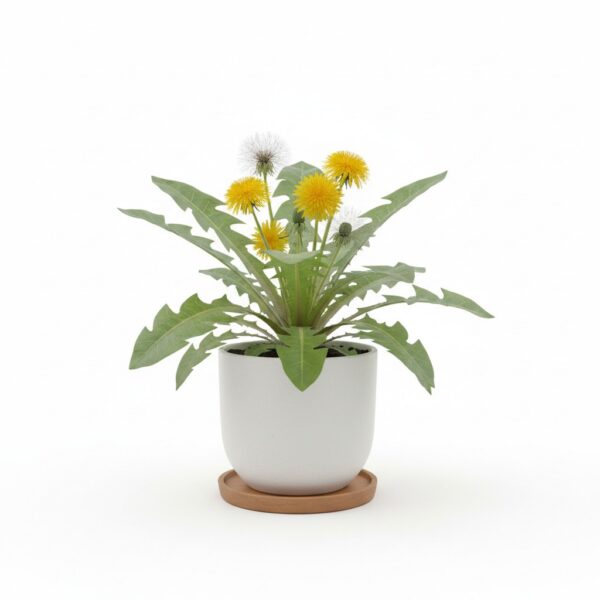
Dandelion
Taraxacum officinale
The common dandelion is a perennial herbaceous plant characterized by its rosette of deeply toothed leaves and bright yellow flower heads. These flower heads mature into spherical seed heads (blowballs) composed of numerous single-seeded fruits (achenes) attached to a pappus that aids in wind dispersal. It is primarily an outdoor plant, thriving in sunny locations with well-drained soil. People grow dandelions for their edible leaves, roots, and flowers, as well as for their medicinal properties. It is often considered a weed due to its prolific seed production and ability to thrive in disturbed areas.

Potentilla
Potentilla fruticosa
Potentilla fruticosa, or Shrubby Cinquefoil, is a deciduous shrub known for its extended blooming period and adaptability. Typically reaching 1-4 feet in height and spread, it features numerous small, five-petaled flowers that come in shades of yellow, white, pink, or orange. The plant has finely divided, pinnately compound leaves, giving it a delicate texture. Primarily an outdoor plant, it thrives in sunny locations and well-drained soil. People grow it for its long-lasting floral display, hardiness, and use in borders, hedges, or as a ground cover. It is not typically grown indoors due to its need for full sun and dormancy period.
Quick Plant Comparison
| Feature | Dandelion | Potentilla |
|---|---|---|
| Light | Full sun to partial shade | Full sun (at least 6 hours of direct sunlight daily) |
| Watering | Every 7-14 days, depending on weather and soil conditions | Every 1-2 weeks, depending on weather and soil drainage |
| Humidity | 30-50% | 30-50% |
| Temperature | 10-25°C | 10-24°C |
| Care Level | Expert | Expert |
| Growth Rate | Fast, Aggressive Spreader | Moderate |
| Max Height | 0.1-0.3 meters (outdoors) | 1-4 feet (outdoor) |
| Pet Safety | ❌ Toxic To Pets | ✅ Safe |
| Soil | Well-drained soil, tolerates a wide range of soil types including sandy, loamy, and clay soils. | Well-drained soil; tolerates a wide range of soil types, including sandy and loamy soils. Prefers slightly acidic to neutral pH. |
| Beginner Friendly | ❌ No | ❌ No |
| Weekly Maintenance | 5-10 minutes weekly (weeding, harvesting) | 15 minutes weekly (primarily for watering and occasional pruning) |
🔬 Botanical Information — Comparing These Plants
Dandelion
| Scientific Name | Taraxacum officinale |
|---|---|
| Family | Asteraceae |
| Native To | Eurasia, but now naturalized worldwide |
| Also Known As | Common Dandelion, Blowball, Lion's Tooth, Priest's Crown |
| Leaves | Dandelion leaves are typically 5-25 cm long and deeply lobed or toothed, resembling a lion's tooth (hence the name). The leaves are hairless and have a slightly bitter taste. The color ranges from light green to dark green, depending on the growing conditions. |
| Flowers | Dandelions produce bright yellow flower heads that are composed of numerous ray florets. They rarely flower indoors, as they require intense sunlight. Outdoors, they flower primarily in spring and summer. |
Potentilla
| Scientific Name | Potentilla fruticosa |
|---|---|
| Family | Rosaceae |
| Native To | Northern Hemisphere (North America, Europe, Asia) |
| Also Known As | Shrubby Cinquefoil, Bush Cinquefoil, Golden Hardhack |
| Leaves | Finely divided, pinnately compound leaves, typically 1-2 inches long. Each leaf consists of 3-7 leaflets, which are oblong to lance-shaped and have a slightly toothed margin. The leaves are usually green but can have a grayish-green hue. |
| Flowers | Flowers are typically five-petaled and come in shades of yellow, white, pink, or orange. They are about 1 inch in diameter and are produced in abundance throughout the blooming season. It is highly unlikely to flower indoors due to the need for full sun and seasonal dormancy. |
📏 Size & Growth — Plant Comparison
Dandelion
Potentilla
🌱 Propagation — Comparing Plant Growth
Dandelion
Methods: Seed, Root cuttings, Division
Difficulty: Easy
Tips: Seeds germinate readily in moist soil. Root cuttings should be taken in early spring or late fall. Division can be done by carefully separating the root crown.
Potentilla
Methods: Stem cuttings, Seed, Division
Difficulty: Moderate
Tips: Take semi-hardwood cuttings in late spring or early summer. Rooting hormone can improve success. For seed propagation, cold stratify seeds for several weeks before sowing. Division can be done in early spring or fall.
✨ Benefits & Features — Comparing Plant Value
Dandelion
Dandelions are unique for their ability to thrive in disturbed areas and their highly efficient seed dispersal mechanism. All parts of the plant are edible and have been used for both food and medicinal purposes for centuries.
- ✓ Edible leaves and flowers provide nutrients.
- ✓ Attracts pollinators to the garden.
- ✓ Roots can improve soil health.
- ✓ Used in traditional medicine for various ailments.
- ✓ Adds a cheerful yellow color to the landscape.
- ⚠️ Toxic to pets
Potentilla
Potentilla fruticosa is unique for its exceptionally long blooming period, often flowering from late spring to late fall. Its adaptability to various soil types and its hardiness make it a versatile choice for many gardens.
- ✓ Attracts pollinators like bees and butterflies.
- ✓ Provides long-lasting color in the garden.
- ✓ Offers erosion control on slopes.
- ✓ Requires minimal maintenance once established.
- ✓ Tolerates a wide range of soil conditions.
- 🐾 Pet Safe
📅 Maintenance Schedule — Plant Care Comparison
Dandelion
Potentilla
🌞 Light Requirements
Dandelion
Full sun to partial shade
Low light tolerant: ❌ No
Potentilla
Full sun (at least 6 hours of direct sunlight daily)
Low light tolerant: ❌ No
💧 Watering Needs
Dandelion
Water deeply when the top inch of soil is dry. Dandelions are relatively drought-tolerant once established. Overwatering can lead to root rot, especially in poorly drained soils. Signs of underwatering include wilting leaves. Signs of overwatering include yellowing leaves and a mushy crown.
Potentilla
Water deeply when the top inch of soil feels dry. Avoid overwatering, which can lead to root rot. During establishment, water regularly. Once established, it is relatively drought-tolerant. Signs of underwatering include wilting and yellowing leaves. Overwatering symptoms include yellowing leaves and potential fungal growth.
🌡️ Temperature & Humidity
Dandelion
Temperature: 10-25°C
Humidity: 30-50%
Potentilla
Temperature: 10-24°C
Humidity: 30-50%
🤔 Which Plant Is Right For You?
Dandelion
Taraxacum officinaleGardeners looking for edible greens or medicinal herbs, and those who don't mind a plant that spreads easily.
✅ Choose This Plant If...
- You want a plant with edible leaves and flowers.
- You are interested in herbal remedies.
- You want to attract pollinators to your garden.
- You have a sunny outdoor space where it can thrive.
- You don't mind a plant that spreads easily.
❌ Skip This Plant If...
- You have pets who might ingest it.
- You don't want a plant that spreads aggressively.
- You don't have a sunny outdoor space.
Potentilla
Potentilla fruticosaGardeners looking for a hardy, long-blooming shrub for sunny locations.
✅ Choose This Plant If...
- You want a shrub with a long blooming season.
- You need a plant that tolerates full sun.
- You live in a colder climate where hardiness is essential.
- You want to attract pollinators to your garden.
- You are looking for a low-maintenance shrub once established.
❌ Skip This Plant If...
- You want an indoor plant.
- You have limited sunlight.
- You prefer plants that require minimal pruning.
🎯 Quick Verdict
⚡ Key Differences Between These Plants
Dandelion needs full sun to partial shade, while Potentilla prefers full sun (at least 6 hours of direct sunlight daily).
Dandelion has fast, aggressive spreader growth, while Potentilla grows moderate.
💡 Pro Tips For Comparing These Plants
Dandelion Care Tips
Dandelions are primarily outdoor plants and are challenging to grow indoors due to their high light requirements and aggressive growth habit. They need full sun and well-drained soil. Indoor cultivation is not recommended due to the difficulty in replicating their natural environment.
- Provide full sun for optimal growth.
- Ensure well-drained soil to prevent root rot.
- Harvest leaves regularly to encourage new growth.
- Remove spent flower heads to control seed dispersal.
- Monitor for pests and diseases and treat promptly.
Potentilla Care Tips
Potentilla fruticosa is primarily an outdoor plant that requires full sun and well-drained soil. It is not well-suited for indoor growing due to its high light requirements and need for a dormancy period. Indoor attempts will likely result in weak growth and reduced flowering.
- Plant in well-drained soil to prevent root rot.
- Prune annually to maintain shape and encourage flowering.
- Water deeply during dry spells, especially when newly planted.
- Apply a layer of mulch around the base to retain moisture and suppress weeds.
- Monitor for pests and diseases and treat promptly.
⚠️ Common Problems & Solutions — Plant Care Comparison
Dandelion
Potentilla
❓ Frequently Asked Questions — Comparing These Plants
Dandelion
What are the light requirements for Dandelion?
Dandelions thrive in full sun, requiring at least 6 hours of direct sunlight per day to promote vigorous growth and abundant flowering. While they can tolerate partial shade, their flowering will be less prolific in shadier conditions. When growing dandelions indoors, place them near a south-facing window to maximize light exposure.
How do I care for Dandelion?
Dandelions are remarkably low-maintenance plants, thriving with minimal intervention. They prefer full sun to partial shade and well-drained soil. Water deeply when the top inch of soil feels dry, avoiding overwatering. Fertilize sparingly, if at all, as excessive nutrients can hinder flowering. Dandelions are relatively pest-resistant, but watch out for aphids. Remove spent flower heads to encourage further blooming.
How do I propagate Dandelion?
Dandelions are easily propagated through seed. Allow the seed heads to dry completely, then collect the seeds. Sow seeds directly into well-draining soil in spring or fall. Keep the soil consistently moist until germination. Dandelions can also be propagated by root division. Carefully dig up a mature plant and divide the root ball into smaller sections, ensuring each section has healthy roots and foliage. Replant the divisions in separate pots or directly into the garden.
Potentilla
What are the light requirements for Potentilla?
Potentilla plants require at least six hours of direct sunlight per day to thrive and produce abundant blooms. A location with full sun exposure is ideal, but they can tolerate partial shade, especially in hotter climates. Insufficient light can lead to leggy growth and reduced flowering. When grown indoors, place Potentilla near a sunny window, preferably south-facing. Rotate the plant regularly to ensure even light exposure on all sides. If natural light is limited, consider supplementing with grow lights to provide the necessary light intensity.
How do I care for Potentilla?
Potentilla thrives in well-drained soil and prefers full sun to partial shade. Water regularly, especially during dry periods, but avoid overwatering, as this can lead to root rot. Fertilize in spring with a balanced fertilizer to promote healthy growth and abundant blooms. Prune lightly after flowering to maintain its shape and encourage reblooming. Deadhead spent flowers regularly to prolong the blooming season. Potentilla is generally hardy and low-maintenance, but it can be susceptible to pests like aphids and spider mites. Monitor your plant regularly and treat any infestations promptly. Provide good air circulation to prevent fungal diseases. Mulch around the base of the plant to retain moisture and suppress weeds.
How do I propagate Potentilla?
Potentilla can be easily propagated through division, stem cuttings, or seeds. For division, carefully dig up the plant in spring or fall and separate the root ball into smaller sections, ensuring each section has healthy roots and foliage. Replant the divisions in well-draining soil. For stem cuttings, take 4-6 inch cuttings from healthy stems in spring or early summer. Remove the lower leaves and dip the cut end in rooting hormone. Plant the cuttings in a well-draining potting mix and keep them moist until they root. Seeds can be sown indoors in early spring or directly outdoors after the last frost.
Last updated: May 9, 2026 — Plant care data reviewed and verified by our editorial team.