
Daffodil vs Swedish Ivy Plant Comparison
Compare these two plants side by side — care needs, key differences, and which is right for your home.
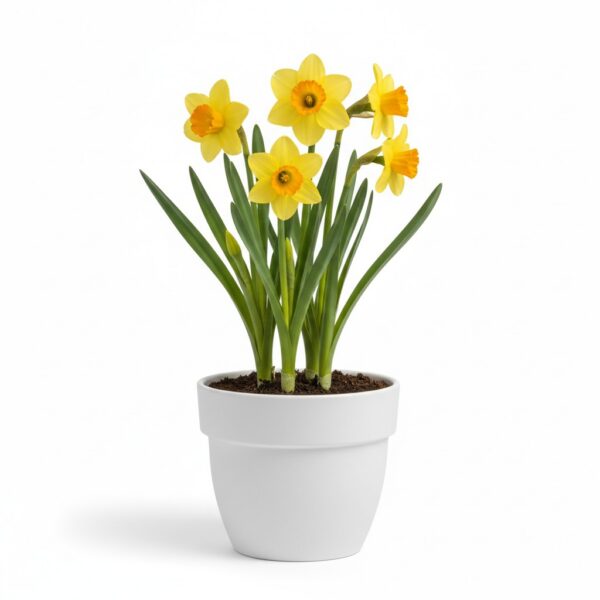
Daffodil
Narcissus spp.
Daffodils are perennial bulbous plants known for their vibrant trumpet-shaped flowers and strap-like leaves. They are primarily grown outdoors in gardens and naturalized areas for their cheerful spring blooms. Daffodils range in size from dwarf varieties to larger cultivars, with flower colors including yellow, white, orange, and pink. They are not typically grown indoors long-term due to their need for a cold dormancy period and high light requirements. People grow them for their early spring color and ease of cultivation outdoors.

Swedish Ivy
Plectranthus verticillatus
Swedish Ivy, despite its common name, is not a true ivy nor is it from Sweden. It's a succulent-like perennial, often grown as a houseplant for its attractive, cascading foliage. It features glossy, rounded, scalloped-edged leaves and a trailing growth habit, making it ideal for hanging baskets or displaying on shelves where its stems can spill over the edges. While it can be grown outdoors in warm climates, it's primarily favored as an indoor plant for its ease of care and ability to brighten up spaces with its vibrant green foliage. People grow it for its aesthetic appeal and relatively low maintenance requirements.
Quick Plant Comparison
| Feature | Daffodil | Swedish Ivy |
|---|---|---|
| Light | Full sun to partial shade outdoors. Indoors, requires very bright, direct light. | Bright indirect light |
| Watering | Every 1-2 weeks outdoors, depending on rainfall. Indoors, every 5-7 days during active growth. | Every 7-10 days, depending on environmental conditions and pot size. |
| Humidity | 40-60% | 40-60% |
| Temperature | 10-18°C | 18-24°C |
| Care Level | Expert | Easy |
| Growth Rate | Moderate | Fast |
| Max Height | Indoors: 15-45 cm (6-18 inches) | 15-30 cm |
| Pet Safety | ❌ Toxic To Pets | ❌ Toxic To Pets |
| Soil | Well-draining, fertile soil. A mix of potting soil, sand, and compost is suitable. | Well-draining potting mix, such as a mix of peat moss, perlite, and vermiculite. |
| Beginner Friendly | ❌ No | ✅ Yes |
| Weekly Maintenance | 5 minutes weekly during the growing season. | 5 minutes weekly |
🔬 Botanical Information — Comparing These Plants
Daffodil
| Scientific Name | Narcissus spp. |
|---|---|
| Family | Amaryllidaceae |
| Native To | Europe, North Africa, and Asia |
| Also Known As | Daffodil, Jonquil, Narcissus |
| Leaves | Strap-like, linear leaves that are typically green or bluish-green. They emerge from the bulb in early spring. |
| Flowers | Flowers are typically solitary on a stem, with a central trumpet-shaped corona surrounded by six petals (tepals). Flower colors include yellow, white, orange, pink, and bi-colors. Rarely flowers indoors unless forced. |
Swedish Ivy
| Scientific Name | Plectranthus verticillatus |
|---|---|
| Family | Lamiaceae |
| Native To | Southeastern Africa |
| Also Known As | Swedish Ivy, Creeping Charlie, Whorled Plectranthus, Money Plant (sometimes) |
| Leaves | The leaves are rounded to oval in shape, with scalloped edges. They are typically a glossy, bright green color. The leaves are succulent-like and store water, contributing to the plant's drought tolerance. They are typically 2-5 cm in diameter. |
| Flowers | Swedish Ivy can flower indoors, but it is relatively uncommon. The flowers are small, white or pale lavender, and grow in clusters on long stems. They are not particularly showy and are often removed to encourage foliage growth. |
📏 Size & Growth — Plant Comparison
Daffodil
Swedish Ivy
🌱 Propagation — Comparing Plant Growth
Daffodil
Methods: Bulb offsets (division), Seed
Difficulty: Easy
Tips: Divide bulbs after foliage dies back in late summer. Replant offsets immediately. Seed propagation is slow and may take several years to produce flowering plants.
Swedish Ivy
Methods: Stem cuttings
Difficulty: Easy
Tips: Take stem cuttings with at least 2-3 nodes. Remove the lower leaves and place the cutting in water or directly into moist potting mix. Roots will typically develop within a few weeks.
✨ Benefits & Features — Comparing Plant Value
Daffodil
Daffodils are known for their trumpet-shaped flowers and early spring bloom time. They contain alkaloids that make them deer-resistant and toxic to pets.
- ✓ Provides early spring color and cheer
- ✓ Deer resistant
- ✓ Attracts pollinators
- ✓ Relatively low maintenance outdoors
- ✓ Can be used for cut flowers
- ⚠️ Toxic to pets
Swedish Ivy
Despite its common name, it's not a true ivy and is native to southeastern Africa. Its scalloped leaves and trailing growth habit make it a visually appealing and versatile houseplant.
- ✓ Adds a touch of greenery to indoor spaces
- ✓ Easy to propagate and share
- ✓ Relatively low-maintenance
- ✓ Can improve indoor air quality by absorbing some pollutants (though not a significant air purifier)
- ✓ Provides a calming and relaxing atmosphere
- ⚠️ Toxic to pets
📅 Maintenance Schedule — Plant Care Comparison
Daffodil
Swedish Ivy
🌞 Light Requirements
Daffodil
Full sun to partial shade outdoors. Indoors, requires very bright, direct light.
Low light tolerant: ❌ No
Swedish Ivy
Bright indirect light
Low light tolerant: ✅ Yes
💧 Watering Needs
Daffodil
Outdoors, water thoroughly when the top inch of soil is dry. Indoors, keep the soil consistently moist during the growing season, but reduce watering after flowering as the bulb enters dormancy. Overwatering can lead to bulb rot. Underwatering will cause the foliage to wilt and the bulb to dry out.
Swedish Ivy
Water thoroughly when the top inch of soil feels dry to the touch. Ensure good drainage to prevent root rot. Overwatering can lead to yellowing leaves and stem rot, while underwatering will cause the leaves to droop and become crispy.
🌡️ Temperature & Humidity
Daffodil
Temperature: 10-18°C
Humidity: 40-60%
Swedish Ivy
Temperature: 18-24°C
Humidity: 40-60%
🤔 Which Plant Is Right For You?
Daffodil
Narcissus spp.Gardeners looking for early spring color in their outdoor landscapes.
✅ Choose This Plant If...
- You want early spring blooms in your garden.
- You need a deer-resistant plant.
- You enjoy the classic look of trumpet-shaped flowers.
- You have a sunny garden spot.
- You want to naturalize bulbs in a meadow or woodland area.
❌ Skip This Plant If...
- You have pets that might ingest the plant.
- You lack a suitable outdoor space.
- You want a plant that thrives indoors year-round.
Swedish Ivy
Plectranthus verticillatusBeginners looking for an easy-to-grow trailing plant that adds a touch of greenery to their indoor spaces.
✅ Choose This Plant If...
- It's incredibly easy to propagate from cuttings, making it a great plant to share with friends.
- It has a beautiful trailing habit, perfect for hanging baskets or shelves.
- It tolerates a wide range of indoor conditions, making it adaptable to different environments.
- It's relatively low-maintenance, requiring minimal care once established.
- Its vibrant green foliage adds a touch of freshness to any room.
❌ Skip This Plant If...
- It is toxic to pets and should be kept out of their reach.
- It can become leggy if not pruned regularly.
- It is susceptible to common houseplant pests like mealybugs and spider mites.
🎯 Quick Verdict
⚡ Key Differences Between These Plants
Daffodil is rated Expert care level, while Swedish Ivy is Easy.
Daffodil has moderate growth, while Swedish Ivy grows fast.
💡 Pro Tips For Comparing These Plants
Daffodil Care Tips
Daffodils are best suited for outdoor cultivation. Indoor growing is challenging due to their need for a cold dormancy period and high light. Forcing bulbs indoors is possible, but they may not rebloom the following year without proper dormancy.
- Plant bulbs in well-draining soil at the correct depth (usually 2-3 times the bulb's height).
- Provide a cold dormancy period for optimal blooming.
- Fertilize in early spring as foliage emerges.
- Allow foliage to die back naturally after flowering.
- Protect from excessive moisture to prevent bulb rot.
Swedish Ivy Care Tips
Swedish Ivy is an easy-to-care-for houseplant that thrives in bright, indirect light and well-draining soil. Regular watering and occasional fertilization will keep it healthy and vibrant. It is toxic to pets, so keep it out of reach.
- Pinch back the stems regularly to encourage bushier growth.
- Rotate the plant regularly to ensure even growth on all sides.
- Allow the top inch of soil to dry out between waterings to prevent root rot.
- Fertilize regularly during the growing season to promote healthy growth.
- Monitor for pests and treat promptly to prevent infestations.
⚠️ Common Problems & Solutions — Plant Care Comparison
Daffodil
Swedish Ivy
❓ Frequently Asked Questions — Comparing These Plants
Daffodil
What are the light requirements for Daffodil?
Daffodils require at least six hours of direct sunlight per day for optimal growth and flowering. In warmer climates, providing some afternoon shade can help prevent scorching of the foliage. When grown indoors, place daffodils near a sunny window where they can receive ample light. Insufficient light can result in weak, leggy growth and reduced bloom production.
How do I care for Daffodil?
Daffodils thrive in well-draining soil and prefer a location that receives full sun to partial shade. Plant bulbs in the fall, typically 4-6 inches deep and 4-6 inches apart. Water thoroughly after planting. During the growing season, water regularly, especially during dry periods, ensuring the soil remains consistently moist but not waterlogged. Fertilize in early spring as shoots emerge with a balanced fertilizer to promote healthy growth and abundant blooms.
How do I propagate Daffodil?
Daffodils are most commonly propagated through bulb division. This is best done in late summer or early fall when the foliage has died back. Carefully dig up the clump of bulbs and gently separate the individual bulbs, ensuring each has healthy roots. Replant the separated bulbs at the recommended depth and spacing.
Swedish Ivy
What are the light requirements for Swedish Ivy?
Swedish Ivy prefers bright, indirect light. Direct sunlight can scorch its delicate leaves, leading to unsightly brown spots. An east-facing window is often ideal, providing gentle morning sun. A north-facing window can also work, but growth may be slower. If you only have south or west-facing windows, position the plant a few feet away from the window or use sheer curtains to filter the light. Insufficient light can result in leggy growth and pale leaves. Observe your plant closely and adjust its location as needed to ensure it receives adequate but not excessive light. Regularly rotate the plant to ensure all sides receive even light exposure.
How do I care for Swedish Ivy?
Swedish Ivy thrives in bright, indirect light; avoid direct sunlight, which can scorch the leaves. Water thoroughly when the top inch of soil feels dry, ensuring good drainage to prevent root rot. Maintain a humidity level of 40-60% by misting regularly or using a humidifier. The ideal temperature range is 65-75°F (18-24°C). Fertilize monthly during the growing season (spring and summer) with a balanced liquid fertilizer diluted to half strength. Prune regularly to maintain shape and encourage bushier growth. Repot in spring every 1-2 years into a slightly larger pot with well-draining potting mix. Monitor for pests such as spider mites and mealybugs, and treat promptly. Ensure good air circulation to prevent fungal diseases. Rotate the plant occasionally to promote even growth. Provide support if desired for climbing.
How do I propagate Swedish Ivy?
Swedish Ivy is easily propagated through stem cuttings, division, and air layering. For stem cuttings, take a 4-6 inch cutting from a healthy stem, removing the lower leaves. Place the cutting in water or directly into moist potting mix. Roots should develop within a few weeks. For division, gently separate the root ball of a mature plant into smaller sections and repot each section into its own pot. For air layering, make a small cut on a stem, wrap it with moist sphagnum moss, and cover with plastic wrap. Once roots develop, cut the stem below the roots and pot the new plant. Provide adequate light and moisture for successful propagation.
Last updated: April 30, 2026 — Plant care data reviewed and verified by our editorial team.