
Cushion Spurge vs Strawflower Plant Comparison
Compare these two plants side by side — care needs, key differences, and which is right for your home.

Cushion Spurge
Euphorbia polychroma
Cushion Spurge is a mounded, herbaceous perennial prized for its vibrant spring foliage and long-lasting floral display. It forms a dense, cushion-like shape, typically reaching 1-3 feet in height and spread. The plant features bright green leaves that turn brilliant shades of yellow, orange, and red in the fall. While it produces small, inconspicuous flowers, the colorful bracts (modified leaves) surrounding the flowers are the main attraction, providing weeks of vibrant color. It is primarily an outdoor plant, grown in gardens and borders for its ornamental value and drought tolerance. It is not suited for indoor growing.
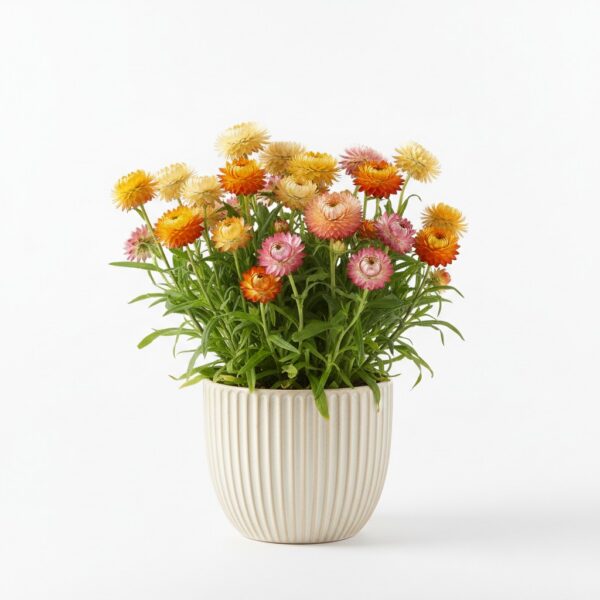
Strawflower
Xerochrysum bracteatum
Strawflower (Xerochrysum bracteatum) is an annual or short-lived perennial native to Australia. It's characterized by its papery, daisy-like flowerheads that come in a wide array of colors, including white, yellow, orange, pink, red, and bronze. The plant typically grows to a height of 2 to 3 feet. It is primarily grown outdoors for its vibrant flowers, which retain their color and shape when dried, making them popular for dried flower arrangements. While technically possible to grow indoors, it requires very bright light and is challenging to maintain.
Quick Plant Comparison
| Feature | Cushion Spurge | Strawflower |
|---|---|---|
| Light | Full sun to partial shade | Full sun (at least 6 hours of direct sunlight daily) |
| Watering | Every 1-2 weeks, depending on weather and soil conditions | Every 1-2 weeks, depending on weather and soil drainage. |
| Humidity | 30-50% | 30-50% |
| Temperature | 15-27°C | 18-27°C |
| Care Level | Expert | Expert |
| Growth Rate | Moderate | Moderate |
| Max Height | N/A (Outdoor plant) | 0.6-0.9 meters (2-3 feet) outdoors; smaller indoors if grown |
| Pet Safety | ❌ Toxic To Pets | ✅ Safe |
| Soil | Well-draining soil, such as a sandy loam or a mix of garden soil, perlite, and compost | Well-draining potting mix or garden soil |
| Beginner Friendly | ❌ No | ❌ No |
| Weekly Maintenance | 10 minutes weekly (weeding, deadheading) | 15 minutes weekly |
🔬 Botanical Information — Comparing These Plants
Cushion Spurge
| Scientific Name | Euphorbia polychroma |
|---|---|
| Family | Euphorbiaceae |
| Native To | Southeastern Europe, Turkey |
| Also Known As | Cushion Spurge, Rainbow Spurge |
| Leaves | The leaves are lance-shaped, bright green, and arranged alternately along the stems. They turn brilliant shades of yellow, orange, and red in the fall, providing additional seasonal interest. The leaves are typically 2-4 inches long. |
| Flowers | The true flowers are small and inconspicuous, but they are surrounded by showy, bright yellow bracts (modified leaves) that create a long-lasting floral display in spring and early summer. It will not flower indoors. |
Strawflower
| Scientific Name | Xerochrysum bracteatum |
|---|---|
| Family | Asteraceae |
| Native To | Australia |
| Also Known As | Strawflower, Golden everlasting |
| Leaves | The leaves are lance-shaped, slightly hairy, and typically green to grayish-green in color. They are arranged alternately along the stems. |
| Flowers | Flowers readily outdoors. The flowerheads are daisy-like with papery bracts in a variety of colors, surrounding a yellow center. They bloom profusely throughout the summer and fall. |
📏 Size & Growth — Plant Comparison
Cushion Spurge
Strawflower
🌱 Propagation — Comparing Plant Growth
Cushion Spurge
Methods: Division, Seed, Stem cuttings
Difficulty: Moderate
Tips: Divide established clumps in spring or fall. Take stem cuttings in late spring or early summer, allowing the cut end to callous over before planting. Wear gloves when handling cuttings to avoid skin irritation from the sap.
Strawflower
Methods: Seed, Stem cuttings
Difficulty: Easy
Tips: For seeds, sow indoors 6-8 weeks before the last frost or directly outdoors after the last frost. For stem cuttings, take 4-6 inch cuttings in spring or summer and root them in water or moist potting mix.
✨ Benefits & Features — Comparing Plant Value
Cushion Spurge
Cushion Spurge is known for its vibrant spring foliage and long-lasting floral display. The colorful bracts surrounding the flowers provide weeks of vibrant color, making it a standout in the garden. Its drought tolerance and deer resistance make it a low-maintenance choice for many landscapes.
- ✓ Adds vibrant color to the garden
- ✓ Drought-tolerant, reducing water consumption
- ✓ Attracts pollinators
- ✓ Deer-resistant, protecting other plants
- ✓ Low-maintenance, saving time and effort
- ⚠️ Toxic to pets
Strawflower
The papery bracts of the flowers are unique and retain their color and shape when dried, making them ideal for dried flower arrangements. They are also attractive to pollinators.
- ✓ Provides beautiful cut flowers for arrangements.
- ✓ Attracts beneficial pollinators to the garden.
- ✓ Adds vibrant color to outdoor spaces.
- ✓ Dried flowers retain their color for long-lasting beauty.
- ✓ Relatively easy to grow from seed.
- 🐾 Pet Safe
📅 Maintenance Schedule — Plant Care Comparison
Cushion Spurge
Strawflower
🌞 Light Requirements
Cushion Spurge
Full sun to partial shade
Low light tolerant: ❌ No
Strawflower
Full sun (at least 6 hours of direct sunlight daily)
Low light tolerant: ❌ No
💧 Watering Needs
Cushion Spurge
Water deeply when the top inch of soil feels dry. Avoid overwatering, as this can lead to root rot. Allow the soil to dry out slightly between waterings. Signs of overwatering include yellowing leaves and a mushy stem. Signs of underwatering include wilting and dry, crispy leaves.
Strawflower
Water thoroughly when the top inch of soil feels dry. Avoid overwatering, as this can lead to root rot. Allow the soil to drain completely after watering. Signs of overwatering include yellowing leaves and a soggy soil surface. Underwatering is indicated by wilting and dry, crispy leaves.
🌡️ Temperature & Humidity
Cushion Spurge
Temperature: 15-27°C
Humidity: 30-50%
Strawflower
Temperature: 18-27°C
Humidity: 30-50%
🤔 Which Plant Is Right For You?
Cushion Spurge
Euphorbia polychromaGardeners looking for a low-maintenance, drought-tolerant perennial with vibrant spring foliage and long-lasting color.
✅ Choose This Plant If...
- You want a drought-tolerant plant for a sunny garden location.
- You desire a plant with vibrant spring and fall color.
- You need a deer-resistant option for your landscape.
- You appreciate low-maintenance perennials.
- You want a plant that attracts pollinators.
❌ Skip This Plant If...
- You have pets or small children who might ingest the plant.
- You are looking for an indoor plant.
- You have a shady garden.
Strawflower
Xerochrysum bracteatumGardeners looking for colorful, long-lasting flowers for cutting and drying.
✅ Choose This Plant If...
- You want flowers that can be dried and used in arrangements.
- You need a plant that attracts pollinators to your garden.
- You have a sunny outdoor space.
- You want a variety of bright colors in your garden.
- You enjoy the process of deadheading to encourage more blooms.
❌ Skip This Plant If...
- You don't have a sunny outdoor space.
- You are looking for a low-maintenance indoor plant.
- You live in a very humid climate where powdery mildew is prevalent.
🎯 Quick Verdict
⚡ Key Differences Between These Plants
Cushion Spurge needs full sun to partial shade, while Strawflower prefers full sun (at least 6 hours of direct sunlight daily).
💡 Pro Tips For Comparing These Plants
Cushion Spurge Care Tips
Cushion Spurge is an outdoor perennial that requires full sun and well-draining soil. It is not suitable for indoor growing due to its high light requirements and need for a cold dormancy period. Indoor attempts will likely result in weak growth and failure to thrive.
- Plant in well-draining soil to prevent root rot.
- Provide full sun for best foliage color.
- Water deeply but infrequently, allowing the soil to dry out between waterings.
- Apply a balanced fertilizer in early spring.
- Wear gloves when handling the plant to avoid skin irritation from the sap.
Strawflower Care Tips
Strawflower is primarily an outdoor plant that requires full sun and well-draining soil. Indoor cultivation is challenging due to the high light requirements. It is relatively drought-tolerant once established. Regular deadheading encourages more blooms. It is not a good choice for indoor growing unless you can provide intense supplemental light.
- Provide full sun for best flowering.
- Deadhead spent blooms regularly to encourage more flowers.
- Ensure well-draining soil to prevent root rot.
- Water deeply but infrequently, allowing the soil to dry slightly between waterings.
- Fertilize regularly during the growing season with a balanced fertilizer.
⚠️ Common Problems & Solutions — Plant Care Comparison
Cushion Spurge
Strawflower
❓ Frequently Asked Questions — Comparing These Plants
Cushion Spurge
What are the light requirements for Cushion Spurge?
Cushion Spurge thrives in bright, direct sunlight. Ideally, it should receive at least six hours of direct sunlight per day. Insufficient light can lead to etiolation, where the plant stretches and becomes leggy in search of light.
How do I care for Cushion Spurge?
Cushion Spurge requires well-draining soil, such as a cactus mix, and bright, direct sunlight for at least six hours per day. Water thoroughly only when the soil is completely dry, typically every 2-4 weeks, depending on the environment and season. Avoid overwatering, as this can lead to root rot.
How do I propagate Cushion Spurge?
Cushion Spurge can be propagated through several methods:
Strawflower
What are the light requirements for Strawflower?
Strawflowers need at least 6-8 hours of direct sunlight daily to thrive and produce abundant blooms. When grown indoors, place them near a south-facing window where they can receive ample sunlight. If natural light is insufficient, supplement with grow lights to ensure adequate light exposure. Insufficient light can lead to leggy growth and reduced flowering. Rotate the plant regularly to ensure even light exposure on all sides. Seedlings require bright, indirect light before being gradually introduced to full sun. Light intensity is crucial for vibrant flower colors and overall plant health.
How do I care for Strawflower?
Strawflowers thrive in full sun and well-draining soil. Water regularly, allowing the soil to dry slightly between waterings, especially during hot weather. Fertilize every 2-3 weeks with a balanced, water-soluble fertilizer during the growing season to encourage abundant blooms. Deadhead spent flowers to promote continued blooming. Provide support for taller varieties to prevent them from flopping over. Ensure good air circulation to prevent fungal diseases. In cooler climates, treat strawflowers as annuals or bring them indoors before the first frost. Protect from strong winds. Monitor for pests like aphids and spider mites, and treat promptly if necessary. Regularly inspect plants for signs of disease and address them quickly.
How do I propagate Strawflower?
Strawflowers are easily propagated from seeds. Sow seeds directly into the garden after the last frost or start them indoors 6-8 weeks earlier. Press the seeds lightly into the soil and keep them moist. Germination typically occurs within 7-14 days. Strawflowers can also be propagated by stem cuttings. Take 4-6 inch cuttings from healthy stems, remove the lower leaves, and dip the cut end in rooting hormone. Plant the cuttings in well-draining soil and keep them moist until roots develop. While not as common, division is also possible. Carefully dig up the plant and separate the root ball into smaller sections, ensuring each section has healthy roots and foliage. Replant the divisions in well-draining soil.
Last updated: April 27, 2026 — Plant care data reviewed and verified by our editorial team.