
Crabapple vs Dutchman's Breeches Plant Comparison
Compare these two plants side by side — care needs, key differences, and which is right for your home.
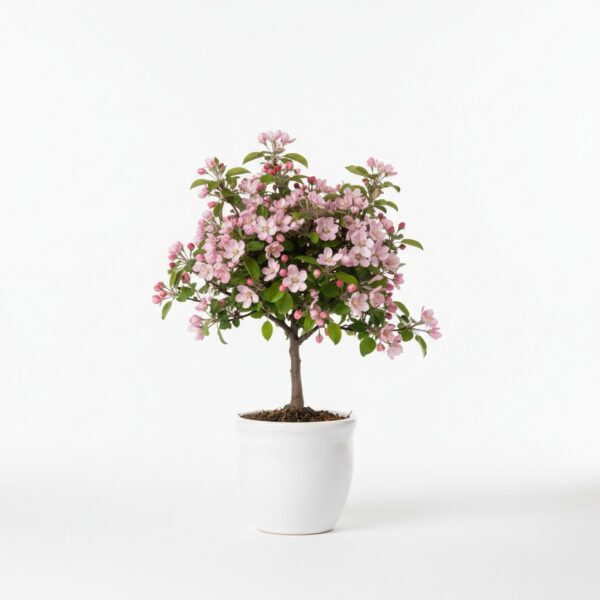
Crabapple
Malus spp.
Crabapples are deciduous trees or shrubs known for their profuse spring blossoms and small, apple-like fruits. They range in size from small shrubs to medium-sized trees. The flowers are typically pink or white, and the fruits can be red, yellow, or green. Crabapples are primarily grown for their ornamental value, adding beauty to landscapes with their showy flowers and colorful fruits. They are not typically grown indoors due to their size and high light requirements. The fruit is edible but often tart.

Dutchman's Breeches
Dicentra cucullaria
Dutchman's Breeches is a spring ephemeral, meaning it emerges, blooms, and dies back all within a short period in the spring. It's characterized by its distinctive, nodding, white flowers that resemble upside-down trousers or breeches, hence the name. The plant has delicate, fern-like foliage that adds to its charm. It's primarily an outdoor plant, thriving in woodland environments. People grow it for its unique and attractive flowers, which provide early-season interest in shady gardens. It is not suitable for long-term indoor cultivation due to its specific dormancy requirements and light needs.
Quick Plant Comparison
| Feature | Crabapple | Dutchman's Breeches |
|---|---|---|
| Light | Full sun (at least 6 hours of direct sunlight per day) | Partial to full shade. Requires bright, indirect light in spring and deep shade during summer dormancy. |
| Watering | Weekly during the growing season, less frequently during dormancy | Water deeply 2-3 times per week during the growing season, depending on rainfall and soil drainage. |
| Humidity | 30-50% | 40-60% |
| Temperature | 10-24°C | 10-21°C |
| Care Level | Expert | Expert |
| Growth Rate | Moderate | Moderate |
| Max Height | Not applicable for indoor growing. Outdoors: 6-30 feet | 15-30 cm |
| Pet Safety | ❌ Toxic To Pets | ❌ Toxic To Pets |
| Soil | Well-draining soil, slightly acidic to neutral pH | Well-draining, humus-rich soil |
| Beginner Friendly | ❌ No | ❌ No |
| Weekly Maintenance | 30 minutes weekly (including watering, pruning, and pest control) | 10 minutes weekly during the growing season. |
🔬 Botanical Information — Comparing These Plants
Crabapple
| Scientific Name | Malus spp. |
|---|---|
| Family | Rosaceae |
| Native To | Native to North America, Asia, and Europe |
| Also Known As | Crabapple, Wild Apple |
| Leaves | The leaves are typically oval or elliptical, with serrated edges. They are usually green, but some varieties may have reddish or purplish foliage. The leaves are deciduous and turn yellow or reddish in the fall. |
| Flowers | Crabapples produce abundant flowers in the spring. The flowers are typically pink or white, but some varieties may have red or purple flowers. The flowers are usually fragrant and attract pollinators. |
Dutchman's Breeches
| Scientific Name | Dicentra cucullaria |
|---|---|
| Family | Papaveraceae |
| Native To | Eastern North America |
| Also Known As | Dutchman's Breeches, Bleeding Heart |
| Leaves | The leaves are deeply divided and fern-like, with a delicate and lacy appearance. They are typically bluish-green in color and emerge directly from the rhizome. |
| Flowers | Flowers bloom in early spring. The flowers are white, nodding, and uniquely shaped like upside-down trousers or breeches. They are borne on slender, arching stems. |
📏 Size & Growth — Plant Comparison
Crabapple
Dutchman's Breeches
🌱 Propagation — Comparing Plant Growth
Crabapple
Methods: Seed, Grafting, Cuttings
Difficulty: Moderate
Tips: Grafting is the most reliable method for propagating specific cultivars. Take semi-hardwood cuttings in summer. Stratify seeds before planting.
Dutchman's Breeches
Methods: Division, Seed
Difficulty: Moderate
Tips: Divide rhizomes in late summer or early fall after the foliage has died back. Sow seeds in fall for germination the following spring. Seeds require a period of cold stratification.
✨ Benefits & Features — Comparing Plant Value
Crabapple
Crabapples are known for their showy spring blossoms and persistent fruit that provides winter interest. They are also important pollinators for apple orchards and attract birds to the garden.
- ✓ Provides beautiful spring blossoms.
- ✓ Attracts birds and wildlife.
- ✓ Offers colorful fruit in the fall and winter.
- ✓ Can be used to make jams and jellies.
- ✓ Provides shade in the summer.
- ⚠️ Toxic to pets
Dutchman's Breeches
The distinctive flower shape resembling upside-down breeches makes this plant easily recognizable. Its ephemeral nature, disappearing after spring bloom, adds to its mystique and charm.
- ✓ Attracts pollinators
- ✓ Adds beauty to shady gardens
- ✓ Provides early-season color
- ✓ Supports biodiversity
- ✓ Offers a unique and interesting plant for collectors
- ⚠️ Toxic to pets
📅 Maintenance Schedule — Plant Care Comparison
Crabapple
Dutchman's Breeches
🌞 Light Requirements
Crabapple
Full sun (at least 6 hours of direct sunlight per day)
Low light tolerant: ❌ No
Dutchman's Breeches
Partial to full shade. Requires bright, indirect light in spring and deep shade during summer dormancy.
Low light tolerant: ❌ No
💧 Watering Needs
Crabapple
Water deeply when the top few inches of soil are dry. Avoid overwatering, which can lead to root rot. During the growing season, water more frequently. Reduce watering in the dormant season. Signs of overwatering include yellowing leaves and soggy soil. Underwatering is indicated by wilting leaves and dry soil.
Dutchman's Breeches
Keep soil consistently moist during the growing season (spring). Reduce watering significantly after the foliage dies back in summer. Overwatering during dormancy can cause root rot. Underwatering during the growing season will cause premature dormancy.
🌡️ Temperature & Humidity
Crabapple
Temperature: 10-24°C
Humidity: 30-50%
Dutchman's Breeches
Temperature: 10-21°C
Humidity: 40-60%
🤔 Which Plant Is Right For You?
Crabapple
Malus spp.Gardeners with outdoor space who want ornamental trees with spring blossoms and colorful fruit.
✅ Choose This Plant If...
- You want a tree with beautiful spring flowers.
- You want a tree that attracts birds to your yard.
- You enjoy making homemade jams and jellies.
- You have a sunny location in your yard.
- You want a tree with year-round interest due to its fruit.
❌ Skip This Plant If...
- You have limited outdoor space.
- You are looking for an indoor plant.
- You have pets that might ingest the plant.
- You live in an area prone to apple scab or fire blight.
Dutchman's Breeches
Dicentra cucullariaExperienced gardeners seeking a unique and early-blooming plant for shady woodland gardens.
✅ Choose This Plant If...
- You want a unique and interesting spring flower.
- You have a shady woodland garden.
- You want to attract early-season pollinators.
- You appreciate ephemeral plants.
- You are an experienced gardener looking for a challenge.
❌ Skip This Plant If...
- You are looking for a low-maintenance houseplant.
- You have pets that may ingest toxic plants.
- You do not have a suitable outdoor environment with shade and well-draining soil.
🎯 Quick Verdict
⚡ Key Differences Between These Plants
Both plants have similar basic care requirements but differ in appearance and specific needs. Compare plants carefully to find the best fit for your space.
💡 Pro Tips For Comparing These Plants
Crabapple Care Tips
Crabapples are outdoor trees and are not suitable for indoor growing. They require full sun, well-draining soil, and regular pruning. Indoor attempts will likely fail due to insufficient light and space.
- Plant in well-draining soil to prevent root rot.
- Prune annually to maintain shape and remove deadwood.
- Monitor for pests and diseases regularly.
- Fertilize in early spring with a balanced fertilizer.
- Water deeply during dry periods.
Dutchman's Breeches Care Tips
Dutchman's Breeches is primarily an outdoor plant that is very difficult to grow indoors. It requires a cool, shady environment and a distinct dormancy period. Indoor cultivation is challenging due to the difficulty in replicating these conditions. It is best suited for woodland gardens.
- Ensure well-draining soil to prevent root rot.
- Provide adequate shade, especially during hot afternoons.
- Allow foliage to die back naturally after blooming.
- Protect from slugs and snails.
- Provide a cold dormancy period during winter for optimal blooming.
⚠️ Common Problems & Solutions — Plant Care Comparison
Crabapple
Dutchman's Breeches
❓ Frequently Asked Questions — Comparing These Plants
Crabapple
What are the light requirements for Crabapple?
Crabapple trees thrive in bright, indirect light indoors. A south-facing or east-facing window is ideal, providing ample sunlight without direct, harsh rays that can scorch leaves. If a south-facing window is too intense, diffuse the light with a sheer curtain. Insufficient light can lead to leggy growth, reduced flowering, and a lack of fruit production. Rotate the plant regularly to ensure all sides receive adequate light. During winter months, supplemental lighting may be necessary to compensate for shorter days and lower light levels. Consider using a grow light to provide additional illumination, especially if natural light is limited.
How do I care for Crabapple?
Indoor Crabapple trees require well-draining potting mix and a pot with drainage holes to prevent waterlogging. Water thoroughly when the top inch of soil feels dry, allowing excess water to drain away. Fertilize monthly during the growing season (spring and summer) with a balanced liquid fertilizer diluted to half strength. Provide bright, indirect light, ideally near a sunny window. Prune regularly to maintain shape and encourage branching. Rotate the plant periodically to ensure even growth. Maintain stable temperatures between 60-75°F (15-24°C) and avoid sudden changes. Provide adequate humidity, especially during winter months, using a humidifier or pebble tray. Repot every 2-3 years as needed, using a slightly larger container. Monitor for pests and diseases, and treat promptly if necessary.
How do I propagate Crabapple?
Crabapples can be propagated through stem cuttings or air layering.
Dutchman's Breeches
What are the light requirements for Dutchman's Breeches?
Dutchman’s Breeches thrives in partial to full shade. In its natural woodland habitat, it receives dappled sunlight in early spring before the trees fully leaf out. Avoid planting in areas that receive direct sunlight, especially during the hottest part of the day, as this can scorch the foliage.
How do I care for Dutchman's Breeches?
Dutchman’s Breeches requires specific care to thrive. Plant in well-draining, humus-rich soil in a shady location. Water regularly during the growing season, keeping the soil consistently moist but not soggy. Fertilize lightly in early spring with a balanced, slow-release fertilizer to encourage blooming.
How do I propagate Dutchman's Breeches?
Dutchman’s Breeches is best propagated by division. This is best done in the fall when the plant is dormant. Carefully dig up the clump of bulbs. Gently separate the bulbs, ensuring that each division has roots and a growth point. Replant the divisions in well-draining, humus-rich soil in a shady location.
Last updated: April 30, 2026 — Plant care data reviewed and verified by our editorial team.