
Cotton vs Flamingo Flower Plant Comparison
Compare these two plants side by side — care needs, key differences, and which is right for your home.

Cotton
Gossypium spp.
Cotton plants are shrubs native to tropical and subtropical regions. They are primarily grown for their fiber, which surrounds the seeds in a boll. The plant typically grows to a height of 1-2 meters. While it can be grown indoors, it requires very specific conditions and is more commonly cultivated outdoors in agricultural settings. People grow cotton for its valuable fiber used in textiles and other products.
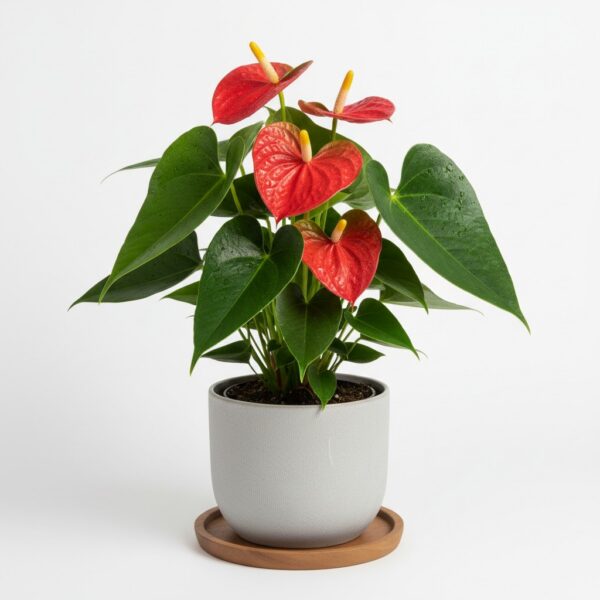
Flamingo Flower
Anthurium andraeanum
Anthurium andraeanum, commonly known as the Flamingo Flower, is a popular tropical plant admired for its vibrant, heart-shaped spathe (modified leaf) and spadix (flower spike). It is an epiphyte in its natural habitat, growing on other plants. While it can be grown indoors, it requires specific conditions to thrive. People grow it for its long-lasting, showy 'flowers' that add a splash of color to indoor spaces. The plant's glossy, dark green foliage also contributes to its ornamental appeal. It is not naturally an indoor plant, but can adapt with proper care.
Quick Plant Comparison
| Feature | Cotton | Flamingo Flower |
|---|---|---|
| Light | Full sun (at least 6-8 hours of direct sunlight per day) | Bright, indirect light. Avoid direct sunlight, which can scorch the leaves. |
| Watering | Every 3-7 days, depending on environmental conditions and pot size | Every 7-10 days, depending on environmental conditions. |
| Humidity | 40-60% | 60-80% |
| Temperature | 20-30°C | 18-27°C |
| Care Level | Expert | Moderate |
| Growth Rate | Moderate | Moderate |
| Max Height | 0.5-1 meter indoors (smaller than outdoor growth) | 30-60 cm |
| Pet Safety | ❌ Toxic To Pets | ❌ Toxic To Pets |
| Soil | Well-draining, loamy soil with a slightly acidic to neutral pH (6.0-7.0) | Well-draining potting mix, such as a mix of peat moss, perlite, and orchid bark. |
| Beginner Friendly | ❌ No | With Caution |
| Weekly Maintenance | 30 minutes weekly | 15 minutes weekly |
🔬 Botanical Information — Comparing These Plants
Cotton
| Scientific Name | Gossypium spp. |
|---|---|
| Family | Malvaceae |
| Native To | Tropical and subtropical regions around the world |
| Also Known As | Cotton, Upland Cotton, Egyptian Cotton, Sea Island Cotton |
| Leaves | The leaves are typically broad, lobed, and green. They are arranged alternately on the stems and have a slightly rough texture. |
| Flowers | Cotton plants can flower indoors under the right conditions, producing creamy white or yellowish flowers that eventually turn pink or red. The flowers are followed by the development of the cotton bolls. |
Flamingo Flower
| Scientific Name | Anthurium andraeanum |
|---|---|
| Family | Araceae |
| Native To | Colombia and Ecuador |
| Also Known As | Flamingo Flower, Painter's Palette, Tailflower |
| Leaves | Large, heart-shaped leaves with a glossy, dark green color. The leaves are typically 15-30 cm long and have prominent veins. |
| Flowers | Anthurium andraeanum flowers indoors, producing a colorful spathe (modified leaf) that surrounds the spadix (flower spike). The spathe is typically red, pink, white, or orange, and the spadix is usually yellow or white. The flowers can last for several weeks. |
📏 Size & Growth — Plant Comparison
Cotton
Flamingo Flower
🌱 Propagation — Comparing Plant Growth
Cotton
Methods: Seed, Stem cuttings
Difficulty: Moderate
Tips: For seeds, scarify the seed coat and soak in water for 24 hours before planting. For stem cuttings, take cuttings from new growth and root in water or well-draining soil.
Flamingo Flower
Methods: Division, Stem cuttings, Seed (though rare indoors)
Difficulty: Moderate
Tips: Divide the plant at the roots during repotting. Stem cuttings can be rooted in water or moist sphagnum moss. Ensure high humidity for successful rooting.
✨ Benefits & Features — Comparing Plant Value
Cotton
Cotton is unique for its production of soft, fluffy fibers used in textiles. The plant's growth cycle and boll formation are also distinctive.
- ✓ Unique and interesting plant to grow.
- ✓ Educational experience in plant cultivation.
- ✓ Opportunity to harvest your own cotton fibers (though limited indoors).
- ✓ Aesthetically pleasing foliage.
- ✓ Can be a conversation starter.
- ⚠️ Toxic to pets
Flamingo Flower
The vibrant, heart-shaped spathe is its most distinctive feature. Unlike true flowers, the spathe is a modified leaf that surrounds the spadix, which bears the actual flowers. The long-lasting nature of the spathe makes it a popular choice for indoor decoration.
- ✓ Adds a vibrant splash of color to indoor spaces.
- ✓ Creates a tropical atmosphere.
- ✓ Relatively long-lasting blooms.
- ✓ Can improve indoor air quality slightly.
- ✓ Offers a sense of accomplishment for successful care.
- 🌬️ NASA-verified air purifier
- ⚠️ Toxic to pets
📅 Maintenance Schedule — Plant Care Comparison
Cotton
Flamingo Flower
🌞 Light Requirements
Cotton
Full sun (at least 6-8 hours of direct sunlight per day)
Low light tolerant: ❌ No
Flamingo Flower
Bright, indirect light. Avoid direct sunlight, which can scorch the leaves.
Low light tolerant: ❌ No
💧 Watering Needs
Cotton
Water deeply when the top inch of soil feels dry. Avoid overwatering, which can lead to root rot. Signs of overwatering include yellowing leaves and a soggy soil surface. Underwatering is indicated by wilting leaves and dry, cracked soil.
Flamingo Flower
Water thoroughly when the top inch of soil feels dry to the touch. Ensure good drainage to prevent root rot. Overwatering can lead to yellowing leaves and root rot. Underwatering results in drooping leaves and dry, crispy edges.
🌡️ Temperature & Humidity
Cotton
Temperature: 20-30°C
Humidity: 40-60%
Flamingo Flower
Temperature: 18-27°C
Humidity: 60-80%
🤔 Which Plant Is Right For You?
Cotton
Gossypium spp.Experienced gardeners who want a unique challenge and can provide the specific conditions required for cotton to thrive indoors.
✅ Choose This Plant If...
- You are an experienced gardener looking for a unique challenge.
- You have a very sunny indoor space or grow lights.
- You are interested in the process of growing your own cotton.
- You are willing to provide consistent care and monitoring.
- You understand the plant's specific needs and can meet them.
❌ Skip This Plant If...
- You are a beginner gardener.
- You have pets that may ingest the plant.
- You cannot provide ample sunlight.
- You are looking for a low-maintenance houseplant.
Flamingo Flower
Anthurium andraeanumPlant enthusiasts who can provide the necessary humidity and bright, indirect light.
✅ Choose This Plant If...
- You want a long-lasting, colorful 'flower' display indoors.
- You can provide high humidity levels.
- You have a bright, indirectly lit space.
- You enjoy a plant that requires a bit more attention.
- You appreciate the tropical aesthetic.
❌ Skip This Plant If...
- You have pets that might ingest the plant.
- You struggle to maintain high humidity levels.
- You tend to overwater plants.
- You prefer low-maintenance plants.
🎯 Quick Verdict
⚡ Key Differences Between These Plants
Cotton is rated Expert care level, while Flamingo Flower is Moderate.
💡 Pro Tips For Comparing These Plants
Cotton Care Tips
Cotton is primarily an outdoor plant and requires very specific conditions to thrive indoors, including intense sunlight and careful watering. It is susceptible to pests and diseases, making indoor cultivation challenging. Requires diligent monitoring and care.
- Provide at least 6-8 hours of direct sunlight daily.
- Use well-draining soil to prevent root rot.
- Monitor for pests regularly and treat promptly.
- Fertilize every 2-4 weeks during the growing season.
- Maintain moderate humidity levels.
Flamingo Flower Care Tips
Flamingo Flowers require bright, indirect light, high humidity, and well-draining soil. Maintaining consistent moisture without overwatering is crucial. They are prone to root rot if drainage is poor. Regular fertilization during the growing season promotes flowering. Providing adequate humidity is often the biggest challenge indoors.
- Mist the plant regularly to increase humidity.
- Use filtered water to avoid mineral buildup on leaves.
- Wipe leaves with a damp cloth to remove dust.
- Provide good air circulation to prevent fungal diseases.
- Avoid placing near drafts or heating vents.
⚠️ Common Problems & Solutions — Plant Care Comparison
Cotton
Flamingo Flower
❓ Frequently Asked Questions — Comparing These Plants
Cotton
What are the light requirements for Cotton?
Cotton plants are sun-loving and require ample light to thrive and produce cotton bolls. Aim for at least 6-8 hours of direct sunlight each day. Insufficient light can lead to leggy growth, reduced flowering, and smaller cotton yields. If growing indoors, place your cotton plant near a south-facing window where it can receive maximum sunlight. If natural light is limited, supplement with grow lights. Rotate the plant regularly to ensure even light exposure on all sides. During the summer months, when sunlight is intense, you may need to provide some afternoon shade to prevent scorching, especially for younger plants. Monitoring the plant’s growth and adjusting its position accordingly is crucial for optimal light exposure.
How do I care for Cotton?
Cotton plants thrive in warm, sunny conditions. Provide at least 6-8 hours of direct sunlight daily. Water deeply when the top inch of soil feels dry, ensuring good drainage to prevent root rot. Use a well-draining potting mix rich in organic matter. Fertilize regularly during the growing season (spring and summer) with a balanced fertilizer, switching to a high-phosphorus fertilizer to promote flowering. Maintain a consistent temperature between 65-85°F (18-29°C). Prune as needed to maintain shape and remove any dead or damaged foliage. Provide adequate humidity, especially indoors, using a humidifier or by placing the plant on a pebble tray filled with water. Monitor for pests like aphids and spider mites, and treat promptly with insecticidal soap or neem oil. Harvest cotton bolls when they are fully mature and the fibers are easily pulled.
How do I propagate Cotton?
Cotton can be propagated through seeds and stem cuttings. For seed propagation, sow seeds in a well-draining mix and keep moist. Germination usually occurs within 7-14 days. For stem cuttings, take a 4-6 inch cutting from a healthy plant. Remove the lower leaves and dip the cut end in rooting hormone. Plant the cutting in a well-draining potting mix and keep moist. Cover with a plastic bag to increase humidity. Roots should develop in a few weeks. Once rooted, transplant into a larger pot. Division isn’t a common method for cotton. Keiki propagation is not applicable as cotton does not produce keikis. Ensure the propagation environment is warm and bright for best results.
Flamingo Flower
What are the light requirements for Flamingo Flower?
Anthuriums need bright, indirect light to thrive and bloom. Direct sunlight can scorch their delicate leaves, causing unsightly brown spots. The ideal location is near an east-facing window, where they receive gentle morning sun. A north-facing window can also provide adequate light, although you may need to supplement with artificial lighting during the darker winter months.
How do I care for Flamingo Flower?
Anthuriums thrive in bright, indirect light; avoid direct sunlight, which can scorch their leaves. Water thoroughly when the top inch of soil feels dry, allowing excess water to drain. Maintain high humidity (60-80%) by misting regularly, using a humidifier, or placing the plant on a pebble tray filled with water. Use a well-draining potting mix, such as an orchid mix or a mix of peat moss, perlite, and bark.
How do I propagate Flamingo Flower?
Anthuriums can be propagated through division, stem cuttings, or keiki (offsets).
Last updated: May 1, 2026 — Plant care data reviewed and verified by our editorial team.