
Cobaea vs Mare's Tail Plant Comparison
Compare these two plants side by side — care needs, key differences, and which is right for your home.
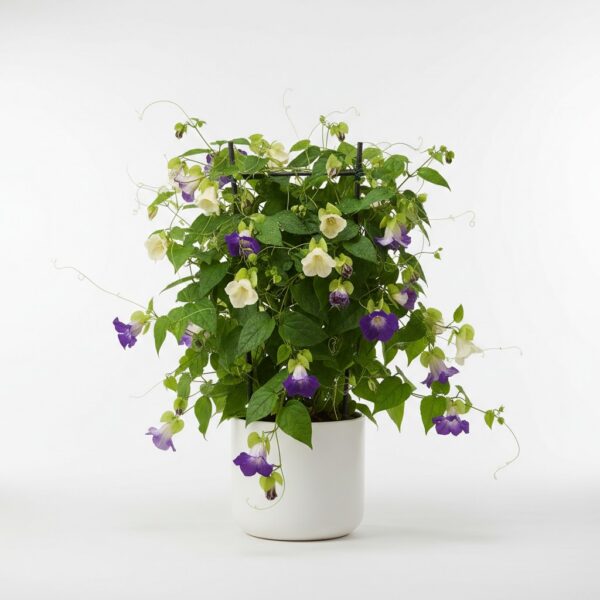
Cobaea
Cobaea scandens
Cobaea scandens is a vigorous, fast-growing perennial vine, often grown as an annual in temperate climates. It is characterized by its twining habit and ability to quickly cover structures. The vine features distinctive cup-shaped flowers with prominent saucers, initially greenish-white, maturing to a rich purple. It's primarily an outdoor plant, valued for its rapid growth and attractive flowers, making it ideal for covering fences, arbors, and trellises. Indoor cultivation is challenging due to its high light and space requirements.

Mare's Tail
Equisetum arvense
Equisetum arvense, commonly known as Mare's Tail or Horsetail, is a perennial plant characterized by its distinctive segmented stems that resemble a horse's tail. It grows from creeping rhizomes, allowing it to spread aggressively. The plant has two types of stems: fertile stems that produce spores and sterile stems that are green and photosynthetic. It is primarily an outdoor plant, thriving in moist environments. People grow it for its unique appearance, though its aggressive spreading habit can make it a challenging garden plant. It is not typically grown indoors due to its specific environmental needs and invasive nature.
Quick Plant Comparison
| Feature | Cobaea | Mare's Tail |
|---|---|---|
| Light | Full sun to partial shade outdoors. Requires at least 6 hours of direct sunlight daily. | Full sun to partial shade |
| Watering | Every 2-5 days outdoors, depending on weather conditions. | Every 2-3 days, depending on weather and soil drainage |
| Humidity | 40-60% | 50-70% |
| Temperature | 18-27°C | 10-25°C |
| Care Level | Expert | Expert |
| Growth Rate | Fast | Fast |
| Max Height | Rarely flowers or reaches full size indoors; outdoors up to 9-12 meters | 30-60 cm (outdoor) |
| Pet Safety | ❌ Toxic To Pets | ❌ Toxic To Pets |
| Soil | Well-draining, fertile soil. A mix of garden soil, compost, and perlite is suitable. | Moist, well-draining soil; tolerates a wide range of soil types, including clay and sandy soils |
| Beginner Friendly | ❌ No | ❌ No |
| Weekly Maintenance | 30 minutes weekly during growing season. | 30 minutes weekly (due to aggressive spreading) |
🔬 Botanical Information — Comparing These Plants
Cobaea
| Scientific Name | Cobaea scandens |
|---|---|
| Family | Polemoniaceae |
| Native To | Mexico |
| Also Known As | Cup-and-Saucer Vine, Cathedral Bells, Mexican Ivy |
| Leaves | The leaves are pinnately compound, with 3-5 oval-shaped leaflets. The leaflets are typically 5-10 cm long and have a smooth texture. They are a medium green color. The tendrils emerge from the leaf axils and are used for climbing. |
| Flowers | It rarely flowers indoors. Outdoors, the flowers are bell-shaped, about 5 cm across, and have a prominent saucer-like calyx. They start out greenish-white and mature to a deep purple color. The flowers have a sweet, slightly musky fragrance. |
Mare's Tail
| Scientific Name | Equisetum arvense |
|---|---|
| Family | Equisetaceae |
| Native To | Native to temperate regions of the Northern Hemisphere, including North America, Europe, and Asia |
| Also Known As | Horsetail, Field Horsetail, Bottle Brush, Paddock Pipes |
| Leaves | Leaves are reduced to small, scale-like sheaths that encircle the stem at each node. The main photosynthetic function is carried out by the green stems. |
| Flowers | Does not flower. Reproduces via spores produced on fertile stems, which are different from the green, photosynthetic stems. |
📏 Size & Growth — Plant Comparison
Cobaea
Mare's Tail
🌱 Propagation — Comparing Plant Growth
Cobaea
Methods: Seed, Stem cuttings
Difficulty: Moderate
Tips: For seeds, scarify and soak them before planting. Stem cuttings should be taken in spring or summer and rooted in a well-draining medium.
Mare's Tail
Methods: Rhizome division, spores (difficult)
Difficulty: Moderate
Tips: Divide rhizomes in spring or fall. Ensure each division has healthy roots and stems. Plant in moist soil and keep well-watered.
✨ Benefits & Features — Comparing Plant Value
Cobaea
The cup-and-saucer shape of the flowers is quite distinctive and unusual. The flowers also change color as they mature, adding to their visual appeal. The rapid growth rate makes it a great choice for quickly covering a large area.
- ✓ Provides shade and privacy.
- ✓ Attracts pollinators like bees and hummingbirds.
- ✓ Adds vertical interest to the garden.
- ✓ Offers a visually appealing display of unique flowers.
- ✓ Can be used to create a natural screen or backdrop.
- ⚠️ Toxic to pets
Mare's Tail
Mare's Tail is a living fossil, with ancestors dating back millions of years. Its high silica content gives it a rough texture and makes it resistant to pests and diseases. Its aggressive spreading habit allows it to quickly colonize wet areas.
- ✓ Unique aesthetic appeal in a natural setting.
- ✓ Can help stabilize soil in wet areas.
- ✓ Provides habitat for some insects.
- ✓ Historically used for medicinal purposes (though not recommended due to toxicity).
- ✓ Adds a touch of prehistoric charm to the landscape.
- ⚠️ Toxic to pets
📅 Maintenance Schedule — Plant Care Comparison
Cobaea
Mare's Tail
🌞 Light Requirements
Cobaea
Full sun to partial shade outdoors. Requires at least 6 hours of direct sunlight daily.
Low light tolerant: ❌ No
Mare's Tail
Full sun to partial shade
Low light tolerant: ❌ No
💧 Watering Needs
Cobaea
Water deeply when the top inch of soil feels dry. Avoid overwatering, which can lead to root rot. In hot weather, more frequent watering may be necessary. Reduce watering in cooler months.
Mare's Tail
Requires consistently moist soil. Water deeply when the top inch of soil feels dry. Overwatering can lead to root rot, especially in poorly drained soils. Underwatering will cause the stems to dry out and turn brown.
🌡️ Temperature & Humidity
Cobaea
Temperature: 18-27°C
Humidity: 40-60%
Mare's Tail
Temperature: 10-25°C
Humidity: 50-70%
🤔 Which Plant Is Right For You?
Cobaea
Cobaea scandensGardeners with outdoor space looking for a fast-growing vine to cover structures.
✅ Choose This Plant If...
- You have a large outdoor space to cover quickly.
- You want a vine with unique and attractive flowers.
- You live in a warm climate where it can thrive year-round.
- You are experienced with managing fast-growing vines.
- You want to attract pollinators to your garden.
❌ Skip This Plant If...
- You have limited indoor space.
- You are a beginner gardener.
- You have pets that might ingest the plant.
- You live in a climate with harsh winters.
- You cannot provide full sun.
Mare's Tail
Equisetum arvenseExperienced gardeners looking for a unique plant for a specific outdoor environment, understanding its invasive potential and toxicity.
✅ Choose This Plant If...
- You want a unique, prehistoric-looking plant for a bog garden or water feature.
- You have a very wet area where other plants struggle to grow.
- You are interested in the historical uses of plants and their connection to ancient ecosystems.
- You are prepared to manage its aggressive spreading habit.
- You have a secure outdoor location where pets and livestock cannot access it.
❌ Skip This Plant If...
- You have pets or livestock that might ingest the plant.
- You are looking for a low-maintenance plant.
- You want a plant that stays contained and doesn't spread aggressively.
- You are looking for an indoor plant.
- You are a beginner gardener.
🎯 Quick Verdict
⚡ Key Differences Between These Plants
Both plants have similar basic care requirements but differ in appearance and specific needs. Compare plants carefully to find the best fit for your space.
💡 Pro Tips For Comparing These Plants
Cobaea Care Tips
Cobaea scandens is primarily an outdoor plant that requires full sun, regular watering, and support for climbing. Indoor cultivation is extremely difficult due to the plant's high light requirements and vigorous growth habit. Expect challenges with flowering and overall plant health indoors.
- Provide a sturdy support structure for the vine to climb.
- Water deeply and regularly, especially during hot weather.
- Fertilize every 2-4 weeks during the growing season.
- Prune regularly to control growth and shape.
- Monitor for pests and diseases and treat promptly.
Mare's Tail Care Tips
Mare's Tail is primarily an outdoor plant that requires consistently moist soil and ample sunlight. Its aggressive spreading habit makes it challenging to contain in a garden setting. It is not suitable for indoor cultivation due to its specific environmental needs and invasive nature. Toxicity to pets is a significant concern.
- Use physical barriers to contain the spread of rhizomes.
- Ensure adequate drainage to prevent root rot.
- Monitor for signs of thiamine deficiency in animals if they have access to the plant.
- Wear gloves when handling the plant to avoid skin irritation from the silica content.
- Consider growing it in a container sunk into the ground to control its spread.
⚠️ Common Problems & Solutions — Plant Care Comparison
Cobaea
Mare's Tail
❓ Frequently Asked Questions — Comparing These Plants
Cobaea
What are the light requirements for Cobaea?
Cobaea scandens requires plenty of sunlight to thrive and produce abundant blooms. Ideally, it should receive at least 6 hours of direct sunlight each day. In hotter climates, some afternoon shade can prevent leaf scorch. If growing indoors, place it near a south-facing window where it can receive the most intense light. Insufficient light can lead to leggy growth, reduced flowering, and pale foliage. If natural light is limited, consider supplementing with grow lights. Rotate the plant regularly to ensure even light exposure on all sides. Provide adequate support structures so the plant can grow towards the light source.
How do I care for Cobaea?
Cobaea thrives in well-draining soil and requires regular watering, especially during the growing season. Provide a sturdy support structure like a trellis or fence for the vine to climb. Prune regularly to control its size and shape, encouraging bushier growth and more blooms. Fertilize every 2-3 weeks with a balanced liquid fertilizer during the spring and summer months. Ensure it receives ample sunlight, ideally at least 6 hours of direct sun per day. Protect from frost, as it’s not fully hardy in colder climates. Monitor for pests like aphids and spider mites, and treat promptly. Repot young plants annually in the spring to provide fresh soil and room for growth. A location with good air circulation is essential.
How do I propagate Cobaea?
Cobaea can be propagated easily through stem cuttings or layering. For stem cuttings, take a 4-6 inch cutting from a healthy stem in spring or summer. Remove the lower leaves and dip the cut end in rooting hormone. Plant the cutting in moist, well-draining potting mix. Cover with a plastic bag or humidity dome to maintain moisture. Keep in a warm, bright location until roots develop, usually within a few weeks. For layering, bend a long stem down to the ground and bury a section of it in the soil, leaving the tip exposed. Secure the stem with a rock or garden staple. Once roots have formed, sever the new plant from the parent plant and transplant it.
Mare's Tail
What are the light requirements for Mare's Tail?
Mare’s Tail requires moderate to high lighting for optimal growth. Insufficient light can lead to leggy growth and a decline in the plant’s health. In aquariums, provide at least 8-10 hours of light per day using fluorescent or LED aquarium lights. If growing Mare’s Tail outdoors in a pond, ensure it receives several hours of direct sunlight each day, but avoid excessive exposure to intense midday sun, which can scorch the leaves. Adjust the lighting intensity and duration based on the plant’s response. Watch for signs of etiolation (stretching towards the light) and adjust lighting accordingly.
How do I care for Mare's Tail?
Mare’s Tail thrives in aquatic or semi-aquatic environments. For submerged growth, maintain a water temperature between 60-75°F (15-24°C). Provide moderate to high lighting to encourage healthy growth. Ensure the water is clean and well-oxygenated, performing regular water changes (25-50% weekly) to remove accumulated nitrates and maintain water quality. Fertilize sparingly with a liquid fertilizer specifically formulated for aquatic plants, following the manufacturer’s instructions. If grown in a semi-aquatic setup, keep the roots consistently moist. Trim any dead or decaying foliage to prevent the spread of disease. Monitor for algae growth and address as needed with appropriate algaecides or by manually removing the algae.
How do I propagate Mare's Tail?
Mare’s Tail is easily propagated through cuttings.
Last updated: May 14, 2026 — Plant care data reviewed and verified by our editorial team.