
Club Moss vs Ground Cherry
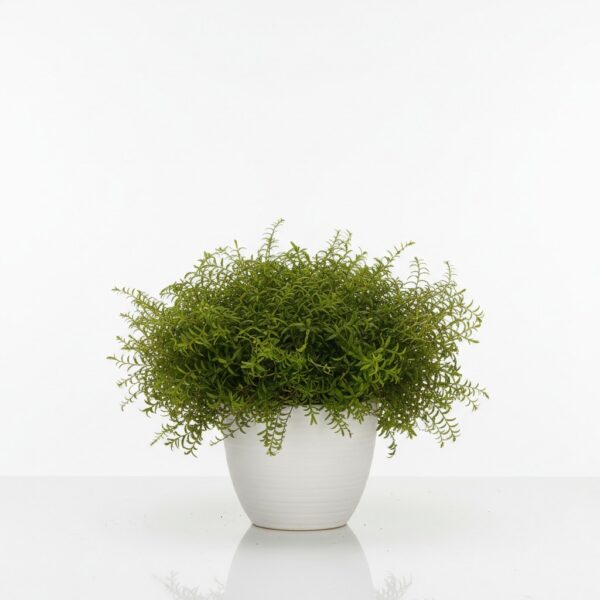
Club Moss
Lycopodium clavatum
Lycopodium clavatum, commonly known as Club Moss, is a creeping, evergreen perennial plant that resembles a moss but is actually a vascular plant. It spreads via rhizomes, forming extensive mats in acidic, well-drained soils. The plant features trailing stems with small, scale-like leaves arranged spirally around the stem. It produces erect strobili (spore-bearing cones) at the tips of its branches, giving it a distinctive club-like appearance. While historically used medicinally and for other purposes, it's primarily an outdoor plant. People may attempt to grow it indoors for its unique texture and appearance, but success is limited.
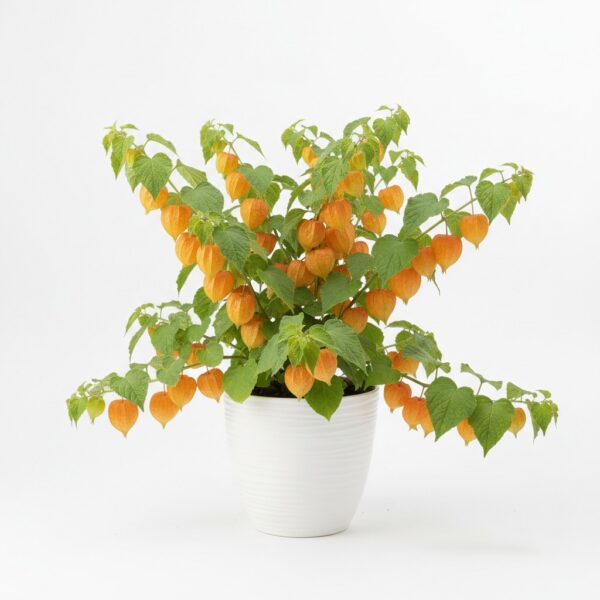
Ground Cherry
Physalis peruviana
Physalis peruviana, commonly known as Cape Gooseberry or Goldenberry, is a sprawling herbaceous plant typically grown as an annual. It reaches about 1-2 meters in height and produces small, globe-shaped fruits enclosed in a papery husk. The plant has heart-shaped leaves and small, bell-shaped yellow flowers. While it can be grown indoors, it requires very bright light and ample space to thrive and produce fruit. It is primarily cultivated for its edible berries, which have a sweet and slightly tart flavor, and are used in jams, desserts, and salads. People grow it for its unique fruit and ornamental value.
Quick Comparison
| Feature | Club Moss | Ground Cherry |
|---|---|---|
| Watering | Outdoors: Depends on rainfall. Indoors: Every 2-3 days, adjusting based on humidity and light. | Every 2-5 days, depending on environmental conditions and pot size. Check soil moisture regularly. |
| Humidity | 60-80% | 40-60% |
| Care Level | Expert | Expert |
| Growth Rate | Moderate To Fast, Aggressive Spreader Via Rhizomes. | Fast |
| Pet Safety | ❌ Toxic To Pets | ❌ Toxic To Pets |
🔬 Botanical Information
Club Moss
| Scientific Name | Lycopodium clavatum |
|---|---|
| Family | Lycopodiaceae |
| Native To | Cosmopolitan; found in temperate and boreal regions worldwide |
| Also Known As | Club Moss, Staghorn Clubmoss, Running Clubmoss, Ground Pine |
Ground Cherry
| Scientific Name | Physalis peruviana |
|---|---|
| Family | Solanaceae |
| Native To | South America (likely Peru and Chile) |
| Also Known As | Cape Gooseberry, Goldenberry, Poha Berry, Peruvian Groundcherry |
📏 Size & Growth Comparison
Club Moss
Ground Cherry
🌱 Propagation Comparison
Club Moss
Methods: Division, Spores
Difficulty: Moderate To Difficult
Tips: Division is the easiest method. Carefully separate sections of the rhizome and plant them in a suitable soil mix. Spore propagation is more challenging and requires specific conditions.
Ground Cherry
Methods: Seed, Stem cuttings
Difficulty: Easy
Tips: For seeds, sow indoors 6-8 weeks before the last expected frost. For stem cuttings, take 4-6 inch cuttings and root them in water or moist soil.
📅 Maintenance Schedule
Club Moss
Ground Cherry
🤔 Which Plant Is Right For You?
Club Moss
Lycopodium clavatumExperienced plant enthusiasts who can provide the specific environmental conditions required for its survival.
Ground Cherry
Physalis peruvianaExperienced gardeners who want to grow a unique fruit indoors with supplemental lighting and careful monitoring.
🎯 Quick Verdict
⚡ Key Differences At A Glance
Club Moss needs partial shade to full shade outdoors. indoors, bright indirect light is required, but difficult to achieve. light, while Ground Cherry prefers full sun (at least 6-8 hours of direct sunlight daily) light.
Club Moss requires keep the soil consistently moist but not waterlogged. overwatering can lead to root rot, while underwatering will cause the foliage to dry out and turn brown. check soil moisture regularly. watering, compared to water thoroughly when the top inch of soil feels dry to the touch. avoid overwatering, which can lead to root rot. ensure good drainage. signs of underwatering include wilting leaves and dry soil. overwatering symptoms include yellowing leaves and soggy soil. for Ground Cherry.
Club Moss has moderate to fast, aggressive spreader via rhizomes. growth, while Ground Cherry grows fast.
💡 Pro Tips For Each Plant
Club Moss Care Tips
Club Moss is primarily an outdoor plant that requires specific conditions to thrive indoors. High humidity, consistent moisture, and acidic soil are essential. It's prone to root rot and drying out, making it a challenging houseplant. Regular division is needed to manage its spreading growth.
Ground Cherry Care Tips
Ground Cherry is primarily an outdoor plant and requires very specific conditions to thrive indoors. It needs intense sunlight, consistent watering, and proper fertilization to produce fruit. Indoor growing is challenging due to the high light requirements and potential for pest infestations. It's best suited for experienced gardeners.