
Clover vs Ginkgo Plant Comparison
Compare these two plants side by side — care needs, key differences, and which is right for your home.

Clover
Trifolium spp.
Clover encompasses various species of the genus Trifolium, characterized by their three-lobed (trifoliate) leaves, although some species, like the 'lucky' four-leaf clover, exhibit variations. These herbaceous plants are typically low-growing and spread through stolons or rhizomes. Clovers are primarily outdoor plants, valued for their nitrogen-fixing abilities, making them beneficial for soil health in lawns and gardens. They are also grown as forage for livestock and are appreciated for their delicate flowers, which attract pollinators. Indoor cultivation is challenging due to high light requirements and spreading growth habit.
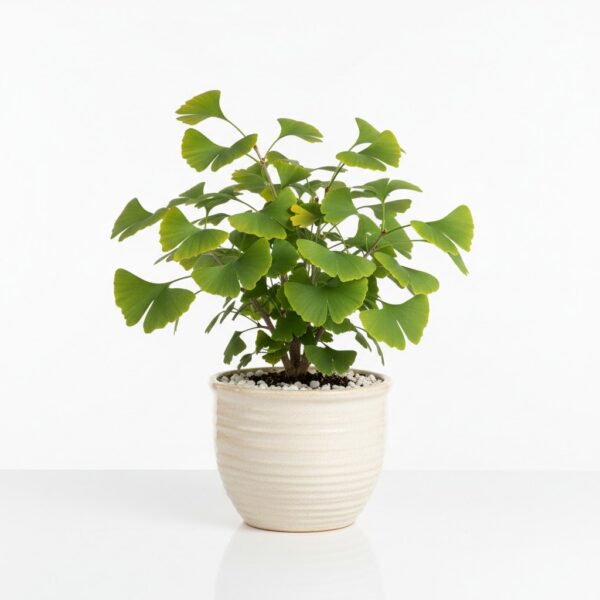
Ginkgo
Ginkgo biloba
Ginkgo biloba, the Maidenhair Tree, is a unique species of tree with no close living relatives. It's characterized by its fan-shaped leaves that turn a vibrant golden yellow in the fall. Ginkgos are dioecious, meaning there are separate male and female trees. Female trees produce seeds with a fleshy outer layer that has a very unpleasant odor when ripe. Ginkgos are incredibly hardy and long-lived, often planted as ornamental trees in parks and gardens. They are deciduous and lose their leaves in the winter. Ginkgos are not suitable for indoor growing due to their size and high light requirements.
Quick Plant Comparison
| Feature | Clover | Ginkgo |
|---|---|---|
| Light | Full sun to partial shade. Requires at least 6 hours of direct sunlight daily for optimal growth. | Full sun (at least 6 hours of direct sunlight per day) |
| Watering | Every 1-2 weeks outdoors, depending on weather conditions. Less frequent indoors if attempted. | Once or twice a week during the growing season, less frequently in winter. |
| Humidity | 30-50% | 30-50% |
| Temperature | 15-24°C | 10-25°C |
| Care Level | Expert | Expert |
| Growth Rate | Fast | Moderate To Fast |
| Max Height | 15-30 cm outdoors. Less if grown indoors. | Not applicable for indoor growing. Outdoors: 20-35 meters (66-115 feet) |
| Pet Safety | ❌ Toxic To Pets | ❌ Toxic To Pets |
| Soil | Well-draining soil. A mix of garden soil, sand, and compost is suitable. | Well-draining soil, such as a mix of loam, sand, and compost. |
| Beginner Friendly | ❌ No | ❌ No |
| Weekly Maintenance | 5-10 minutes weekly outdoors for watering and occasional weeding. | 15 minutes weekly (mostly watering and occasional pruning) |
🔬 Botanical Information — Comparing These Plants
Clover
| Scientific Name | Trifolium spp. |
|---|---|
| Family | Fabaceae |
| Native To | Europe, Asia, Africa, and the Americas |
| Also Known As | Clover, Shamrock, Trefoil |
| Leaves | The leaves of clover are typically trifoliate, meaning they consist of three leaflets. Each leaflet is oval or heart-shaped, with smooth or slightly toothed edges. The leaves are usually green, but some varieties may have reddish or purplish hues. The texture is smooth and slightly waxy. |
| Flowers | Clover produces small, globe-shaped flower heads composed of numerous tiny flowers. The flowers come in various colors, including white, pink, red, and purple. While it can flower outdoors, it rarely flowers indoors due to insufficient light. |
Ginkgo
| Scientific Name | Ginkgo biloba |
|---|---|
| Family | Ginkgoaceae |
| Native To | China |
| Also Known As | Maidenhair Tree |
| Leaves | The leaves of Ginkgo biloba are fan-shaped, typically 5-10 cm (2-4 inches) wide, with veins radiating from the base. They are a light green color in spring and summer, turning a vibrant golden yellow in the fall before dropping. |
| Flowers | Ginkgo biloba is dioecious, meaning male and female flowers are on separate trees. The flowers are inconspicuous and not typically noticeable. They are wind-pollinated. |
📏 Size & Growth — Plant Comparison
Clover
Ginkgo
🌱 Propagation — Comparing Plant Growth
Clover
Methods: Seed, Division, Stolons/Rhizomes
Difficulty: Easy
Tips: For seed propagation, sow seeds in spring or fall. For division, separate rhizomes or stolons and replant. Ensure adequate moisture and sunlight.
Ginkgo
Methods: Seed, Cuttings, Grafting
Difficulty: Moderate To Difficult
Tips: Seed propagation requires stratification. Cuttings are best taken from semi-hardwood in summer. Grafting is often used to propagate specific cultivars.
✨ Benefits & Features — Comparing Plant Value
Clover
Clover's ability to fix nitrogen from the atmosphere makes it a valuable cover crop and soil amendment. Its trifoliate leaves and delicate flowers add a touch of natural beauty to gardens and lawns. The plant's association with luck and Irish culture further enhances its appeal.
- ✓ Improves soil health through nitrogen fixation.
- ✓ Attracts pollinators like bees and butterflies.
- ✓ Provides a natural ground cover.
- ✓ Suppresses weed growth.
- ✓ Aesthetically pleasing in gardens and lawns.
- ⚠️ Toxic to pets
Ginkgo
Ginkgo biloba is a living fossil, being the only surviving species in its plant division. Its fan-shaped leaves are unlike any other tree, and its golden fall color is spectacular. The tree is also known for its resilience and tolerance of urban pollution.
- ✓ Provides shade in the summer
- ✓ Adds beauty to the landscape with its unique foliage and golden fall color
- ✓ Tolerates urban pollution
- ✓ Long lifespan
- ✓ Relatively low-maintenance once established
- ⚠️ Toxic to pets
📅 Maintenance Schedule — Plant Care Comparison
Clover
Ginkgo
🌞 Light Requirements
Clover
Full sun to partial shade. Requires at least 6 hours of direct sunlight daily for optimal growth.
Low light tolerant: ❌ No
Ginkgo
Full sun (at least 6 hours of direct sunlight per day)
Low light tolerant: ❌ No
💧 Watering Needs
Clover
Water thoroughly when the top inch of soil is dry. Avoid overwatering, which can lead to root rot. Allow soil to dry slightly between waterings. Signs of overwatering include yellowing leaves and a musty smell. Underwatering results in wilting and dry, crispy leaves.
Ginkgo
Water deeply when the top few inches of soil are dry, especially during the growing season. Established trees are drought-tolerant but benefit from occasional watering during prolonged dry spells. Overwatering can lead to root rot, so ensure good drainage.
🌡️ Temperature & Humidity
Clover
Temperature: 15-24°C
Humidity: 30-50%
Ginkgo
Temperature: 10-25°C
Humidity: 30-50%
🤔 Which Plant Is Right For You?
Clover
Trifolium spp.Gardeners looking for a natural ground cover or those wanting to improve soil health.
✅ Choose This Plant If...
- You want a natural ground cover that requires minimal maintenance.
- You need a plant that improves soil health through nitrogen fixation.
- You want to attract pollinators to your garden.
- You appreciate the traditional symbolism associated with clovers.
- You have a sunny outdoor space where clover can thrive.
❌ Skip This Plant If...
- You have pets that might ingest the plant, as it is toxic.
- You lack a sunny outdoor space.
- You prefer plants that are easy to grow indoors.
Ginkgo
Ginkgo bilobaGardeners with large outdoor spaces who appreciate unique trees with beautiful fall color.
✅ Choose This Plant If...
- You have a large outdoor space and want a unique shade tree with beautiful fall color.
- You live in an urban environment and need a pollution-tolerant tree.
- You appreciate the historical significance of a 'living fossil'.
- You are looking for a low-maintenance tree once it is established.
- You want a tree that will provide shade for many years to come.
❌ Skip This Plant If...
- You have a small garden or limited space.
- You are looking for an indoor plant.
- You are sensitive to strong odors (female trees produce foul-smelling fruit).
🎯 Quick Verdict
⚡ Key Differences Between These Plants
Clover has fast growth, while Ginkgo grows moderate to fast.
💡 Pro Tips For Comparing These Plants
Clover Care Tips
Clover is primarily an outdoor plant and challenging to grow indoors due to its high light requirements and aggressive spreading habit. It needs full sun, well-draining soil, and careful watering. Indoor cultivation requires significant effort to mimic outdoor conditions.
- Ensure well-draining soil to prevent root rot.
- Provide at least 6 hours of direct sunlight daily.
- Water deeply but infrequently, allowing the soil to dry slightly between waterings.
- Fertilize sparingly with a balanced fertilizer in spring and summer.
- Monitor for pests and diseases, and treat promptly.
Ginkgo Care Tips
Ginkgo biloba is not suitable for indoor growing. It requires full sun, ample space, and specific temperature fluctuations to thrive. It's a large outdoor tree that is relatively low-maintenance once established, but requires careful consideration of location due to its potential size and the unpleasant odor of the fruit from female trees.
- Choose a male tree to avoid the unpleasant odor of the fruit from female trees.
- Ensure well-draining soil to prevent root rot.
- Water deeply but infrequently, allowing the soil to dry out between waterings.
- Protect young trees from strong winds.
- Fertilize in early spring with a balanced fertilizer.
⚠️ Common Problems & Solutions — Plant Care Comparison
Clover
Ginkgo
❓ Frequently Asked Questions — Comparing These Plants
Clover
What are the light requirements for Clover?
Clover flourishes in bright, indirect sunlight. Insufficient light can lead to leggy growth and reduced flowering. Indoors, place your clover near an east- or west-facing window where it can receive ample light without direct, harsh rays. If natural light is limited, supplement with a grow light to ensure sufficient illumination. Rotate the plant regularly to promote even growth and prevent it from leaning towards the light source. Avoid placing clover in dark or shady areas, as this will hinder its growth and flowering potential.
How do I care for Clover?
Clover thrives in well-draining soil and requires moderate watering, allowing the soil to dry slightly between waterings. Provide bright, indirect sunlight for optimal growth and blooming. Fertilize regularly during the growing season (spring and summer) with a balanced fertilizer to encourage abundant flowering. Prune spent blooms to promote continuous flowering. Maintain moderate humidity levels. Repot only when necessary, typically every 1-2 years, into a slightly larger pot. Protect from frost and extreme temperatures. Monitor for pests like aphids and spider mites and treat promptly. Proper ventilation is essential to prevent fungal diseases.
How do I propagate Clover?
Clover can be propagated through division, stem cuttings, and sometimes from seed.
Ginkgo
What are the light requirements for Ginkgo?
Ginkgo trees thrive in bright, indirect light. Too little light can lead to leggy growth and pale leaves, while direct sun can cause scorching. An east-facing window is ideal, providing gentle morning sun. A south- or west-facing window can also work, but filter the light with a sheer curtain to prevent leaf damage. If natural light is insufficient, supplement with a grow light. Rotate your Ginkgo regularly to ensure all sides receive adequate light, promoting even growth and preventing it from leaning towards the light source. Monitor the leaves for signs of overexposure (scorching) or underexposure (paleness).
How do I care for Ginkgo?
Indoor Ginkgo trees require bright, indirect light; direct sunlight can scorch their leaves. Water thoroughly when the top inch of soil feels dry, ensuring good drainage to prevent root rot. Use a well-draining potting mix. Fertilize sparingly during the growing season (spring and summer) with a balanced liquid fertilizer diluted to half strength. Maintain moderate humidity levels. Prune lightly to shape the tree and remove any dead or damaged branches. Repot every few years as needed, choosing a pot only slightly larger than the previous one. Protect from extreme temperature fluctuations and drafts. Regularly check for pests and address promptly. Provide consistent care to ensure healthy growth and vibrant foliage. Rotate the plant regularly to ensure even growth on all sides.
How do I propagate Ginkgo?
Ginkgo can be propagated through stem cuttings or air layering. For stem cuttings, take a 4-6 inch cutting from new growth in the spring. Remove the lower leaves and dip the cut end in rooting hormone. Plant the cutting in a well-draining potting mix and keep it moist. Cover with a plastic bag to maintain humidity. Rooting can take several weeks. For air layering, make a shallow cut on a stem and wrap it with moist sphagnum moss. Cover the moss with plastic wrap and secure it with tape. Keep the moss moist. Once roots develop, cut the stem below the roots and plant it in a pot. Both methods require patience and consistent care. Ensure adequate humidity and warmth for successful propagation.
Last updated: April 24, 2026 — Plant care data reviewed and verified by our editorial team.