
Climbing Rose vs Fairy Rose Plant Comparison
Compare these two plants side by side — care needs, key differences, and which is right for your home.

Climbing Rose
Rosa spp. (Climbing Varieties)
Climbing roses are vigorous plants characterized by their long, arching canes that can be trained to grow along fences, walls, arbors, and other structures. Unlike true vines, they don't have tendrils or suckers; they climb by using thorns to hook onto supports. The flowers are typically large and fragrant, available in a wide range of colors. They are primarily outdoor plants and require significant sunlight and space to thrive. People grow them for their beautiful blooms, fragrance, and ability to add vertical interest to gardens.
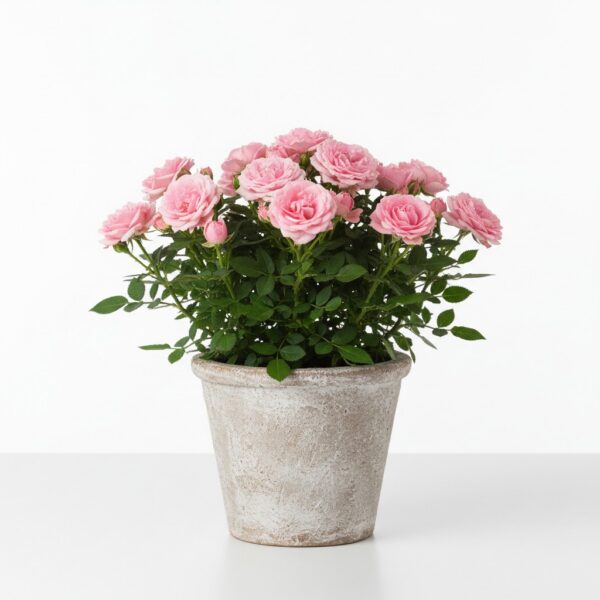
Fairy Rose
Rosa chinensis minima
Fairy Roses, or Miniature Roses, are compact versions of standard roses, typically growing to a height of 6-24 inches. They are characterized by their small, delicate flowers and proportionally sized leaves. These roses are popular for their long blooming season and are often grown in gardens, containers, and sometimes indoors. They are prized for their vibrant colors and classic rose fragrance, though indoor cultivation can be challenging due to their high light requirements.
Quick Plant Comparison
| Feature | Climbing Rose | Fairy Rose |
|---|---|---|
| Light | Full sun (at least 6 hours of direct sunlight per day) | Requires at least 6 hours of direct sunlight daily. Insufficient light leads to leggy growth and reduced flowering. |
| Watering | Every 1-2 weeks, depending on weather and soil drainage | Every 2-5 days, depending on environmental conditions and pot size. Check soil moisture regularly. |
| Humidity | 40-60% | 40-50% |
| Temperature | 15-25°C | 18-24°C |
| Care Level | Expert | Expert |
| Growth Rate | Fast | Moderate |
| Max Height | 2-6 meters (outdoors) | 15-60 cm (6-24 inches) |
| Pet Safety | ❌ Toxic To Pets | ❌ Toxic To Pets |
| Soil | Well-draining, loamy soil with a slightly acidic pH (6.0-6.5) | Well-draining potting mix amended with perlite or sand. A slightly acidic pH (6.0-6.5) is ideal. |
| Beginner Friendly | ❌ No | ❌ No |
| Weekly Maintenance | 30-60 minutes weekly (pruning, watering, pest control) | 30 minutes weekly |
🔬 Botanical Information — Comparing These Plants
Climbing Rose
| Scientific Name | Rosa spp. (Climbing Varieties) |
|---|---|
| Family | Rosaceae |
| Native To | Various, depending on the specific cultivar. Roses in general originated in Asia, Europe, and North America. |
| Also Known As | Climbing Rose, Rambling Rose |
| Leaves | The leaves are typically dark green, glossy, and compound, consisting of 5-9 leaflets. The leaflets are oval-shaped with serrated edges. |
| Flowers | Climbing roses produce large, often fragrant flowers in a variety of colors, depending on the cultivar. They rarely, if ever, flower indoors due to insufficient light. |
Fairy Rose
| Scientific Name | Rosa chinensis minima |
|---|---|
| Family | Rosaceae |
| Native To | China |
| Also Known As | Fairy Rose, Miniature Rose, Pygmy Rose |
| Leaves | Small, oval-shaped leaves with serrated edges. Typically dark green in color, but can vary depending on the variety. |
| Flowers | Yes, it can flower indoors with sufficient light, but flowering is more prolific outdoors. The flowers are small, typically 1-2 inches in diameter, and come in a variety of colors including pink, red, white, and yellow. They have a classic rose shape and fragrance. |
📏 Size & Growth — Plant Comparison
Climbing Rose
Fairy Rose
🌱 Propagation — Comparing Plant Growth
Climbing Rose
Methods: Stem cuttings, layering, budding
Difficulty: Moderate
Tips: Take stem cuttings in late spring or early summer. Use rooting hormone and keep the cuttings in a humid environment. Layering involves bending a cane to the ground and burying a section until roots form.
Fairy Rose
Methods: Stem cuttings, Seed
Difficulty: Moderate
Tips: Take stem cuttings in spring or early summer. Use rooting hormone and keep the cuttings in a humid environment until roots develop. Seeds require stratification (cold treatment) before sowing.
✨ Benefits & Features — Comparing Plant Value
Climbing Rose
Climbing roses are not true vines; they use thorns to grip onto supports. Their long canes can be trained into various shapes and designs, adding a unique architectural element to the garden.
- ✓ Adds beauty and fragrance to the garden
- ✓ Provides a habitat for pollinators
- ✓ Can be used to create privacy screens
- ✓ Increases property value
- ✓ Offers a sense of accomplishment through gardening
- ⚠️ Toxic to pets
Fairy Rose
Fairy Roses are miniature versions of standard roses, offering the same beauty and fragrance in a compact size. Their long blooming season and vibrant colors make them a popular choice for gardens and containers.
- ✓ Aesthetically pleasing with beautiful blooms
- ✓ Classic rose fragrance enhances the environment
- ✓ Attracts pollinators to your garden
- ✓ Can be grown in containers for small spaces
- ✓ Provides a sense of accomplishment when successfully cultivated
- ⚠️ Toxic to pets
📅 Maintenance Schedule — Plant Care Comparison
Climbing Rose
Fairy Rose
🌞 Light Requirements
Climbing Rose
Full sun (at least 6 hours of direct sunlight per day)
Low light tolerant: ❌ No
Fairy Rose
Requires at least 6 hours of direct sunlight daily. Insufficient light leads to leggy growth and reduced flowering.
Low light tolerant: ❌ No
💧 Watering Needs
Climbing Rose
Water deeply when the top inch of soil feels dry. Avoid overhead watering to prevent fungal diseases. Overwatering can lead to root rot, indicated by yellowing leaves and a musty smell. Underwatering results in wilting and dry, crispy leaves.
Fairy Rose
Water thoroughly when the top inch of soil feels dry. Avoid overwatering, which can lead to root rot. Ensure good drainage. Signs of underwatering include wilting leaves; signs of overwatering include yellowing leaves and soggy soil.
🌡️ Temperature & Humidity
Climbing Rose
Temperature: 15-25°C
Humidity: 40-60%
Fairy Rose
Temperature: 18-24°C
Humidity: 40-50%
🤔 Which Plant Is Right For You?
Climbing Rose
Rosa spp. (Climbing Varieties)Experienced gardeners who want to add a romantic and fragrant element to their outdoor landscape.
✅ Choose This Plant If...
- You have a sunny outdoor space to dedicate to a climbing rose
- You want to add a romantic and fragrant element to your garden
- You enjoy training plants and creating vertical displays
- You are willing to dedicate time to pruning and pest control
- You want to attract pollinators to your garden
❌ Skip This Plant If...
- You only have indoor space
- You are not prepared to deal with pests and diseases
- You live in a climate with very harsh winters
Fairy Rose
Rosa chinensis minimaExperienced gardeners who want a compact rose variety for outdoor containers or gardens.
✅ Choose This Plant If...
- You love the classic look and fragrance of roses but have limited space.
- You want a long-blooming plant for your patio or balcony.
- You enjoy the challenge of caring for a slightly more demanding plant.
- You want to add a touch of romance and elegance to your garden.
- You are looking for a plant that attracts pollinators like bees and butterflies.
❌ Skip This Plant If...
- You have pets that might ingest the plant.
- You cannot provide at least 6 hours of direct sunlight daily.
- You are a beginner gardener looking for a low-maintenance plant.
🎯 Quick Verdict
⚡ Key Differences Between These Plants
Climbing Rose has fast growth, while Fairy Rose grows moderate.
💡 Pro Tips For Comparing These Plants
Climbing Rose Care Tips
Climbing roses are primarily outdoor plants and are extremely difficult to grow indoors due to their high light requirements, need for air circulation, and large size. They are susceptible to pests and diseases. Indoor cultivation is generally not recommended.
- Provide adequate support for the canes to climb
- Water deeply and regularly, especially during dry periods
- Fertilize regularly during the growing season
- Monitor for pests and diseases and treat promptly
- Prune regularly to maintain shape and encourage blooming
Fairy Rose Care Tips
Fairy Roses are best suited for outdoor gardens or patios. Indoor cultivation requires very bright light, careful watering, and good air circulation. They are prone to pests and diseases, making them a challenging indoor plant.
- Provide excellent drainage to prevent root rot.
- Deadhead spent flowers regularly to encourage more blooms.
- Monitor for pests and diseases and treat promptly.
- Prune after flowering to maintain shape and promote new growth.
- Use a rose-specific fertilizer for optimal growth and flowering.
⚠️ Common Problems & Solutions — Plant Care Comparison
Climbing Rose
Fairy Rose
❓ Frequently Asked Questions — Comparing These Plants
Climbing Rose
What are the light requirements for Climbing Rose?
Climbing Roses thrive in full sun, requiring a minimum of 6 hours of direct sunlight per day. Ideally, they should receive morning sun, which helps dry the foliage and reduce the risk of fungal diseases. Insufficient sunlight can lead to reduced flowering, weak growth, and increased susceptibility to pests and diseases.
How do I care for Climbing Rose?
Climbing Roses need at least 6 hours of direct sunlight daily for optimal blooming. Plant in well-draining soil amended with compost. Water deeply but infrequently, allowing the soil to dry slightly between waterings. Fertilize regularly during the growing season with a balanced rose fertilizer, following package instructions. Prune annually in late winter or early spring to remove dead, damaged, or crossing canes and to shape the plant. Provide support, such as a trellis or fence, for the canes to climb.
How do I propagate Climbing Rose?
Climbing Roses can be propagated through several methods. Stem cuttings are a common approach. Take a 6-8 inch cutting from a healthy cane in late spring or early summer. Remove the lower leaves and dip the cut end in rooting hormone. Plant the cutting in a well-draining potting mix and keep it moist. Division is possible for some varieties, carefully separating rooted sections of the plant.
Fairy Rose
What are the light requirements for Fairy Rose?
Fairy Roses demand ample sunlight to flourish and produce abundant blooms. They require at least 6 hours of direct sunlight each day, ideally in a south-facing or east-facing location. Insufficient light can lead to leggy growth, reduced flowering, and increased susceptibility to diseases. If growing indoors, supplement natural light with a grow light if needed.
How do I care for Fairy Rose?
Fairy Roses thrive in well-draining soil and require regular watering, allowing the soil to dry slightly between waterings. Provide at least 6 hours of direct sunlight daily for optimal blooming. Fertilize regularly during the growing season (spring and summer) with a balanced rose fertilizer. Prune lightly after each flush of blooms to encourage new growth and maintain a compact shape.
How do I propagate Fairy Rose?
Fairy Roses can be propagated through stem cuttings, division, or from keikis (small plantlets that sometimes form on the stems). For stem cuttings, take a 4-6 inch cutting from a healthy stem, remove the lower leaves, and dip the cut end in rooting hormone. Plant the cutting in a well-draining potting mix and keep it moist.
Last updated: May 4, 2026 — Plant care data reviewed and verified by our editorial team.