
Chusan Palm vs Gooseberry Plant Comparison
Compare these two plants side by side — care needs, key differences, and which is right for your home.
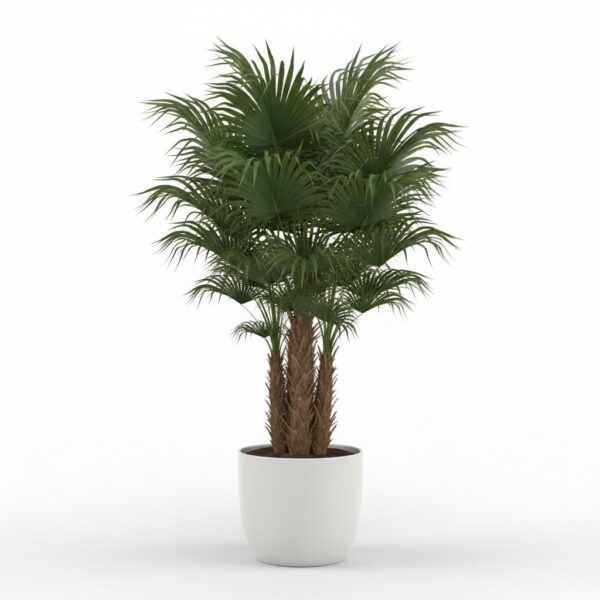
Chusan Palm
Trachycarpus fortunei
The Chusan Palm, or Windmill Palm, is a hardy, slow-growing evergreen palm tree known for its distinctive fan-shaped leaves and fibrous trunk. It typically reaches heights of 10-20 meters outdoors. While adaptable, it is primarily an outdoor plant that can be challenging to maintain indoors long-term. People grow it for its tropical appearance, cold hardiness, and ability to create a focal point in gardens and landscapes. It's often used to add a touch of the exotic to temperate climates.

Gooseberry
Ribes uva-crispa
The European Gooseberry (Ribes uva-crispa) is a deciduous shrub typically growing to 1-1.5 meters tall. It features thorny branches and lobed leaves. It is primarily an outdoor plant, cultivated for its tart, edible berries. Gooseberries are popular for making jams, pies, and other preserves. While it can be grown in containers, it requires specific conditions and is not ideally suited for indoor environments due to its need for a cold dormancy period and susceptibility to pests and diseases in indoor settings.
Quick Plant Comparison
| Feature | Chusan Palm | Gooseberry |
|---|---|---|
| Light | Full sun to partial shade. Requires at least 6 hours of direct sunlight daily for optimal growth. | Full sun to partial shade (at least 6 hours of direct sunlight outdoors) |
| Watering | Every 1-2 weeks, depending on weather and soil drainage. | Outdoors: Every 7-10 days, depending on weather and soil drainage. Indoors (not recommended): Monitor closely and water when the top inch of soil is dry. |
| Humidity | 40-60% | 40-60% |
| Temperature | 10-27°C | 10-24°C |
| Care Level | Expert | Expert |
| Growth Rate | Slow | Moderate |
| Max Height | 1-2 meters (indoors, if attempted, but unlikely to thrive) | Outdoors: 1-1.5 meters. Indoors (unlikely to thrive): Smaller, stunted growth. |
| Pet Safety | ✅ Safe | ❌ Toxic To Pets |
| Soil | Well-draining soil mix, such as a blend of potting soil, sand, and perlite. | Well-draining, slightly acidic soil (pH 6.0-6.5) |
| Beginner Friendly | ❌ No | ❌ No |
| Weekly Maintenance | 30 minutes monthly (primarily for pruning and fertilizing) | 30 minutes weekly (including watering, pruning, and pest monitoring) |
🔬 Botanical Information — Comparing These Plants
Chusan Palm
| Scientific Name | Trachycarpus fortunei |
|---|---|
| Family | Arecaceae |
| Native To | Central China, Myanmar |
| Also Known As | Chusan Palm, Windmill Palm, Chinese Windmill Palm |
| Leaves | Large, fan-shaped leaves (fronds) that are typically 1-2 meters in diameter. The leaves are dark green and divided into numerous segments. The leaf stalks (petioles) are armed with small teeth. |
| Flowers | Rarely flowers indoors. Outdoors, it produces small, yellow flowers in spring, followed by blue-black fruits. |
Gooseberry
| Scientific Name | Ribes uva-crispa |
|---|---|
| Family | Grossulariaceae |
| Native To | Europe, Northwest Africa, and Western Asia |
| Also Known As | European Gooseberry, Gooseberry |
| Leaves | Lobed, alternate leaves with serrated edges. Typically green in color. |
| Flowers | Small, inconspicuous flowers that bloom in spring, followed by the development of berries. |
📏 Size & Growth — Plant Comparison
Chusan Palm
Gooseberry
🌱 Propagation — Comparing Plant Growth
Chusan Palm
Methods: Seed
Difficulty: Moderate
Tips: Soak seeds in warm water for 24 hours before planting in a well-draining seed starting mix. Maintain consistent moisture and warmth.
Gooseberry
Methods: Stem cuttings, layering, seed
Difficulty: Moderate
Tips: Take hardwood cuttings in late fall or early winter. Layering can be done in spring or fall. Seeds require stratification.
✨ Benefits & Features — Comparing Plant Value
Chusan Palm
The Chusan Palm is known for its exceptional cold hardiness compared to other palm species. Its fibrous trunk and fan-shaped leaves give it a distinctive appearance. It's also relatively slow-growing, making it suitable for smaller gardens.
- ✓ Adds a tropical aesthetic to your garden
- ✓ Provides shade and visual interest
- ✓ Cold-hardy and adaptable to various soil types
- ✓ Long-lived and relatively low-maintenance once established
- ✓ Can increase property value
- 🐾 Pet Safe
Gooseberry
Gooseberries are known for their tart flavor and thorny branches. They require a cold dormancy period to produce fruit.
- ✓ Provides fresh, homegrown fruit.
- ✓ Rich in Vitamin C and antioxidants.
- ✓ Adds visual interest to the garden with its foliage and berries.
- ✓ Supports local biodiversity by attracting pollinators.
- ✓ Offers a rewarding gardening experience.
- ⚠️ Toxic to pets
📅 Maintenance Schedule — Plant Care Comparison
Chusan Palm
Gooseberry
🌞 Light Requirements
Chusan Palm
Full sun to partial shade. Requires at least 6 hours of direct sunlight daily for optimal growth.
Low light tolerant: ❌ No
Gooseberry
Full sun to partial shade (at least 6 hours of direct sunlight outdoors)
Low light tolerant: ❌ No
💧 Watering Needs
Chusan Palm
Water deeply when the top inch of soil is dry. Overwatering can lead to root rot, especially in poorly draining soil. Underwatering will cause the fronds to droop and turn brown at the tips. Allow the soil to dry slightly between waterings.
Gooseberry
Water deeply when the top inch of soil is dry. Avoid overwatering, which can lead to root rot. Gooseberries prefer consistently moist soil, especially during fruit development. Signs of underwatering include wilting leaves and dry soil. Overwatering symptoms include yellowing leaves and soggy soil.
🌡️ Temperature & Humidity
Chusan Palm
Temperature: 10-27°C
Humidity: 40-60%
Gooseberry
Temperature: 10-24°C
Humidity: 40-60%
🤔 Which Plant Is Right For You?
Chusan Palm
Trachycarpus fortuneiGardeners in temperate climates seeking a cold-hardy palm for their landscape.
✅ Choose This Plant If...
- You live in a temperate climate and want a cold-hardy palm for your garden.
- You have a sunny outdoor space where the palm can thrive.
- You appreciate the tropical look and texture of palm trees.
- You are willing to provide the necessary care and maintenance for an outdoor palm.
- You want a slow-growing, long-lived tree.
❌ Skip This Plant If...
- You lack a sunny outdoor space.
- You are looking for an easy-to-care-for indoor plant.
- You live in a very cold climate with prolonged freezing temperatures.
- You have limited space, as this palm can eventually grow quite large.
Gooseberry
Ribes uva-crispaGardeners with outdoor space looking to grow their own fruit for jams, pies, and other preserves.
✅ Choose This Plant If...
- You have an outdoor garden with full sun or partial shade.
- You want to grow your own fruit for making jams and pies.
- You are experienced with fruit-bearing shrubs.
- You live in a climate with cold winters that provide the necessary dormancy period.
- You are prepared to monitor for pests and diseases.
❌ Skip This Plant If...
- You only have indoor space.
- You are looking for a low-maintenance plant.
- You are not prepared to deal with thorny branches and potential pests.
- You live in a very warm climate without a cold dormancy period.
- You have pets that might ingest the plant.
🎯 Quick Verdict
⚡ Key Differences Between These Plants
Chusan Palm has slow growth, while Gooseberry grows moderate.
💡 Pro Tips For Comparing These Plants
Chusan Palm Care Tips
The Chusan Palm is primarily an outdoor plant. Indoor cultivation is challenging due to high light requirements and space limitations. It needs ample sunlight, well-draining soil, and careful watering to prevent root rot. Expect significantly slower growth indoors.
- Plant in well-draining soil to prevent root rot.
- Water deeply but infrequently, allowing the soil to dry slightly between waterings.
- Fertilize with a slow-release palm fertilizer in spring and summer.
- Protect from strong winds, which can damage the fronds.
- Remove dead or damaged fronds regularly to maintain appearance.
Gooseberry Care Tips
Gooseberries are best suited for outdoor cultivation. Indoor growing is challenging due to the plant's need for a cold dormancy period, specific light requirements, and susceptibility to pests and diseases in a controlled environment. Requires careful monitoring and specific conditions to even survive indoors.
- Provide adequate sunlight for optimal fruit production.
- Prune annually to maintain shape and improve air circulation.
- Monitor for pests and diseases regularly.
- Water deeply during dry periods, especially when fruit is developing.
- Apply a balanced fertilizer in early spring.
⚠️ Common Problems & Solutions — Plant Care Comparison
Chusan Palm
Gooseberry
❓ Frequently Asked Questions — Comparing These Plants
Chusan Palm
What are the light requirements for Chusan Palm?
Chusan Palms thrive in bright, indirect light. While they can tolerate some direct sunlight, prolonged exposure to intense sun can scorch their fronds. An east-facing or west-facing window is ideal, providing ample light without the harshness of direct midday sun. If placing your palm in a south-facing window, use a sheer curtain to filter the light. Insufficient light can lead to slow growth and pale fronds. Rotate your palm regularly to ensure even light exposure on all sides. Outdoor plants should be situated in a location that receives morning sun and afternoon shade.
How do I care for Chusan Palm?
Chusan Palms are relatively easy to care for, making them a great choice for both beginners and experienced plant enthusiasts. Place your palm in a location with bright, indirect light. Water thoroughly when the top inch of soil feels dry, allowing excess water to drain away. Maintain moderate humidity levels, especially indoors. Fertilize during the growing season (spring and summer) with a balanced liquid fertilizer. Repot every few years as needed, using a well-draining potting mix. Prune away any dead or damaged fronds to maintain its appearance. Protect from extreme cold temperatures, especially if grown in containers outdoors. Monitor for pests and address any infestations promptly. Consistent care will ensure a healthy and thriving Chusan Palm.
How do I propagate Chusan Palm?
Chusan Palms can be propagated from seeds, although this process can be slow and require patience. Seeds should be soaked in warm water for 24 hours before planting in a well-draining seed starting mix. Keep the soil consistently moist and provide warmth. Germination can take several weeks or months. For clumping varieties, division is possible. Carefully separate the clumps at the root ball, ensuring each division has healthy roots and foliage. Replant each division into its own pot with well-draining potting mix. Water thoroughly and provide bright, indirect light. Propagation is best done in the spring or summer.
Gooseberry
What are the light requirements for Gooseberry?
Gooseberries require ample sunlight to thrive and produce abundant fruit. Aim for at least six hours of direct sunlight per day. Morning sun is particularly beneficial, as it helps to dry the foliage and reduce the risk of fungal diseases. In hotter climates, some afternoon shade may be beneficial to prevent scorching.
How do I care for Gooseberry?
Gooseberries thrive in well-drained soil with a slightly acidic pH (6.0-6.5). Plant in a location that receives at least 6 hours of sunlight per day. Water deeply and regularly, especially during dry periods, but avoid waterlogging. Fertilize in early spring with a balanced fertilizer, and again after fruiting. Prune annually in late winter or early spring to remove dead, damaged, or crossing branches, promoting good air circulation and fruit production.
How do I propagate Gooseberry?
Gooseberries can be propagated through several methods:
Last updated: May 13, 2026 — Plant care data reviewed and verified by our editorial team.