
Chrysanthemum vs Marmalade Bush Plant Comparison
Compare these two plants side by side — care needs, key differences, and which is right for your home.
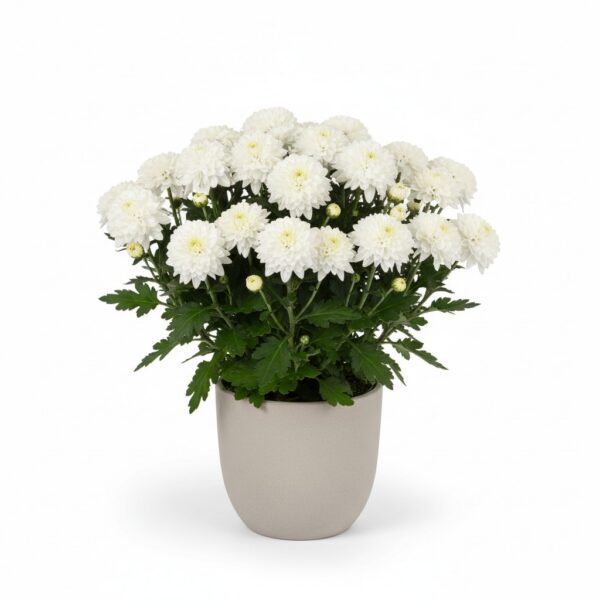
Chrysanthemum
Chrysanthemum × morifolium
Chrysanthemums are popular flowering plants known for their vibrant and diverse flower shapes and colors. They are herbaceous perennials, typically grown as annuals or short-lived perennials in many climates. While naturally outdoor plants, they are often forced into bloom for indoor display. They feature a bushy growth habit and are prized for their late-season blooms, adding color to gardens and homes in the fall. They are grown for ornamental purposes, cut flowers, and in some cultures, for medicinal uses and teas.

Marmalade Bush
Streptosolen jamesonii
Streptosolen jamesonii, commonly known as Marmalade Bush, is a sprawling evergreen shrub native to South America. It is prized for its vibrant display of flowers that transition in color from yellow to orange to red, resembling marmalade. Typically grown outdoors in warm climates, it can reach heights of up to 10 feet. The plant features small, ovate, slightly hairy leaves. While it can be grown in containers, it requires significant sunlight and humidity to thrive indoors, making it a challenging indoor plant. People grow it for its showy flowers and tropical appearance.
Quick Plant Comparison
| Feature | Chrysanthemum | Marmalade Bush |
|---|---|---|
| Light | Full sun outdoors; bright, indirect light indoors. Requires at least 6 hours of direct sunlight daily for optimal flowering. | Full sun to partial shade. Requires at least 6 hours of direct sunlight daily for optimal flowering. |
| Watering | Every 3-7 days, depending on environmental conditions and pot size. | Every 3-7 days outdoors, less frequently indoors depending on light and temperature. |
| Humidity | 40-60% | 40-60% |
| Temperature | 18-24°C | 18-27°C |
| Care Level | Expert | Expert |
| Growth Rate | Moderate | Fast |
| Max Height | Indoors: 30-60 cm (1-2 feet) | 1-2 meters indoors (significantly smaller than outdoor growth), up to 3 meters outdoors |
| Pet Safety | ❌ Toxic To Pets | ❌ Toxic To Pets |
| Soil | Well-draining potting mix, such as a blend of peat moss, perlite, and vermiculite. | Well-draining potting mix with added perlite or sand. |
| Beginner Friendly | ❌ No | ❌ No |
| Weekly Maintenance | 30 minutes weekly | 30 minutes weekly |
🔬 Botanical Information — Comparing These Plants
Chrysanthemum
| Scientific Name | Chrysanthemum × morifolium |
|---|---|
| Family | Asteraceae |
| Native To | East Asia, specifically China |
| Also Known As | Chrysanthemum, Mum, Florist's Chrysanthemum |
| Leaves | Leaves are typically lobed or toothed, with a slightly hairy texture. They are usually medium to dark green in color. Leaf size varies depending on the cultivar. |
| Flowers | Chrysanthemums can flower indoors if provided with sufficient light and proper care. The flowers come in a wide range of colors, including white, yellow, orange, red, pink, and purple. Flower shapes vary from daisy-like to pompon, spider, and quill forms. |
Marmalade Bush
| Scientific Name | Streptosolen jamesonii |
|---|---|
| Family | Solanaceae |
| Native To | Colombia, Ecuador, and Peru |
| Also Known As | Marmalade Bush, Firebush, Jameson's Streptosolen |
| Leaves | Small, ovate, slightly hairy leaves that are typically a medium green color. The leaves are about 2-5 cm long. |
| Flowers | Flowers profusely outdoors. Rarely flowers indoors. The flowers are tubular and change color from yellow to orange to red as they mature. They are about 2-3 cm long and grow in clusters. |
📏 Size & Growth — Plant Comparison
Chrysanthemum
Marmalade Bush
🌱 Propagation — Comparing Plant Growth
Chrysanthemum
Methods: Stem cuttings, Division, Seed
Difficulty: Moderate
Tips: Take stem cuttings in spring or early summer. Use rooting hormone and keep the cuttings in a humid environment. Division is best done in spring or fall.
Marmalade Bush
Methods: Stem cuttings, Seed
Difficulty: Moderate
Tips: Take stem cuttings in spring or summer. Dip the cut end in rooting hormone and plant in moist potting mix. Keep the cuttings in a warm, humid environment until roots develop. Seeds can be sown in spring.
✨ Benefits & Features — Comparing Plant Value
Chrysanthemum
Chrysanthemums are known for their diverse flower forms, ranging from daisy-like to pompon-shaped. They are photoperiodic, meaning their flowering is triggered by the length of the day, typically blooming in the fall when days become shorter. They are also available in a wide array of colors.
- ✓ Provides vibrant fall color.
- ✓ Can be used as a cut flower.
- ✓ Offers a variety of flower shapes and sizes.
- ✓ Can improve mood and reduce stress with its beauty.
- ✓ Can be propagated to create more plants.
- ⚠️ Toxic to pets
Marmalade Bush
The flowers of Marmalade Bush are unique in that they change color as they mature, creating a multi-hued display. It is a fast-growing shrub that can quickly fill a space with its vibrant foliage and blooms.
- ✓ Attracts pollinators
- ✓ Adds vibrant color to the garden
- ✓ Provides a tropical aesthetic
- ✓ Can be grown in containers
- ✓ Offers a rewarding challenge for experienced gardeners
- ⚠️ Toxic to pets
📅 Maintenance Schedule — Plant Care Comparison
Chrysanthemum
Marmalade Bush
🌞 Light Requirements
Chrysanthemum
Full sun outdoors; bright, indirect light indoors. Requires at least 6 hours of direct sunlight daily for optimal flowering.
Low light tolerant: ❌ No
Marmalade Bush
Full sun to partial shade. Requires at least 6 hours of direct sunlight daily for optimal flowering.
Low light tolerant: ❌ No
💧 Watering Needs
Chrysanthemum
Water thoroughly when the top inch of soil feels dry. Avoid overwatering, which can lead to root rot. Ensure good drainage. Signs of overwatering include wilting, yellowing leaves, and soggy soil. Underwatering is indicated by drooping leaves and dry, crispy edges.
Marmalade Bush
Water thoroughly when the top inch of soil feels dry. Avoid overwatering, which can lead to root rot. In hotter months, more frequent watering may be necessary. Reduce watering during cooler months. Signs of overwatering include yellowing leaves and soggy soil. Underwatering is indicated by wilting and dry, crispy leaves.
🌡️ Temperature & Humidity
Chrysanthemum
Temperature: 18-24°C
Humidity: 40-60%
Marmalade Bush
Temperature: 18-27°C
Humidity: 40-60%
🤔 Which Plant Is Right For You?
Chrysanthemum
Chrysanthemum × morifoliumExperienced plant enthusiasts who enjoy a temporary burst of color and are willing to provide the specific care required.
✅ Choose This Plant If...
- You want a burst of color in the fall months.
- You enjoy the challenge of providing specific care for flowering plants.
- You appreciate the diverse flower shapes and colors available.
- You have a very bright, sunny indoor location.
- You want to try propagating your own plants from cuttings.
❌ Skip This Plant If...
- You have pets that might ingest the plant.
- You struggle to provide adequate sunlight for flowering plants indoors.
- You prefer low-maintenance plants.
- You are prone to overwatering.
- You want a plant that will thrive indoors for years.
Marmalade Bush
Streptosolen jamesoniiExperienced gardeners in warm climates who want a vibrant, flowering shrub for their outdoor space.
✅ Choose This Plant If...
- You live in a warm climate with plenty of sunshine.
- You want a plant that attracts pollinators like hummingbirds and butterflies.
- You enjoy vibrant, colorful flowers that change color over time.
- You have experience with demanding plants and can provide the necessary care.
- You have an outdoor space where the plant can thrive.
❌ Skip This Plant If...
- You have pets, as this plant is toxic to them.
- You live in a cold climate with limited sunlight.
- You are a beginner gardener and prefer low-maintenance plants.
🎯 Quick Verdict
⚡ Key Differences Between These Plants
Chrysanthemum has moderate growth, while Marmalade Bush grows fast.
💡 Pro Tips For Comparing These Plants
Chrysanthemum Care Tips
Chrysanthemums are challenging to maintain indoors long-term due to their high light requirements and susceptibility to pests and diseases. They are often treated as temporary indoor decorations. Consistent watering, proper fertilization, and adequate light are crucial for success. Requires careful monitoring for pests.
- Provide at least 6 hours of direct sunlight daily, if possible.
- Water thoroughly when the top inch of soil is dry, but avoid overwatering.
- Fertilize regularly during the growing season with a balanced liquid fertilizer.
- Pinch back stems regularly to encourage bushier growth and more blooms.
- Monitor for pests and diseases and treat promptly.
Marmalade Bush Care Tips
Marmalade Bush is primarily an outdoor plant that requires full sun and warm temperatures. Growing it indoors is challenging due to its high light and humidity needs. It is also toxic to pets. Requires careful watering and regular fertilization. Pruning is necessary to maintain shape and encourage flowering.
- Provide at least 6 hours of direct sunlight daily for optimal flowering.
- Water deeply but allow the soil to dry slightly between waterings.
- Fertilize regularly during the growing season with a balanced fertilizer.
- Prune after flowering to encourage new growth and maintain shape.
- Protect from frost in colder climates.
⚠️ Common Problems & Solutions — Plant Care Comparison
Chrysanthemum
Marmalade Bush
❓ Frequently Asked Questions — Comparing These Plants
Chrysanthemum
What are the light requirements for Chrysanthemum?
Chrysanthemums need bright, indirect light to thrive and produce abundant blooms. Aim for at least six hours of sunlight per day. An east- or west-facing window is ideal, providing ample morning or afternoon light without the harsh intensity of direct midday sun. If using a south-facing window, filter the light with a sheer curtain to prevent leaf scorch. Insufficient light can result in leggy growth, fewer blooms, and faded colors. If natural light is limited, consider using grow lights to supplement their needs. Rotate the plant regularly to ensure even light exposure on all sides. During the shorter days of fall and winter, supplemental lighting may be necessary to maintain blooming or encourage reblooming.
How do I care for Chrysanthemum?
Chrysanthemums thrive with bright, indirect light, ideally at least 6 hours daily. Water thoroughly when the top inch of soil feels dry, ensuring good drainage to prevent root rot. Fertilize every 2-4 weeks during the growing season (spring and summer) with a balanced, water-soluble fertilizer diluted to half strength; use a fertilizer higher in phosphorus to promote blooming. Maintain moderate humidity, around 40-60%. Deadhead spent flowers to encourage further blooming. Repot in spring if the plant becomes root-bound, using a well-draining potting mix. Provide good air circulation to prevent fungal diseases. Prune regularly to maintain shape and encourage bushier growth. Control pests like aphids and spider mites with insecticidal soap or neem oil. Ensure proper light cycles to encourage reblooming.
How do I propagate Chrysanthemum?
Chrysanthemums can be propagated through division, stem cuttings, or keiki (though keiki are less common).
Marmalade Bush
What are the light requirements for Marmalade Bush?
Marmalade Bush requires bright, indirect sunlight to thrive and produce abundant blooms. An east or west-facing window is often ideal. Avoid direct sunlight during the hottest part of the day, as this can scorch the leaves. If growing indoors, consider supplementing with a grow light if natural light is insufficient, especially during winter months. Insufficient light can lead to leggy growth and reduced flowering. Rotate the plant regularly to ensure even light exposure on all sides. Observe the leaves for signs of sun stress, such as bleaching or browning, and adjust the plant’s location accordingly.
How do I care for Marmalade Bush?
Marmalade Bush thrives in bright, indirect sunlight. Direct sunlight can scorch the leaves, so a location with filtered light is ideal. Water thoroughly when the top inch of soil feels dry to the touch, ensuring good drainage to prevent root rot. Fertilize regularly during the growing season (spring and summer) with a balanced, water-soluble fertilizer diluted to half strength, or a fertilizer specifically formulated for blooming plants. Prune lightly after flowering to encourage bushier growth and more blooms. Maintain a temperature between 60-75°F (15-24°C) and provide moderate humidity. Repot in spring every 1-2 years, using a well-draining potting mix. Protect from frost, as it is not cold-hardy. Regular inspection for pests such as aphids and spider mites is crucial.
How do I propagate Marmalade Bush?
Marmalade Bush can be propagated using stem cuttings. Take 4-6 inch cuttings from healthy stems. Remove the lower leaves and dip the cut end in rooting hormone. Plant the cuttings in a well-draining potting mix and keep moist. Cover with a plastic bag to create humidity. Rooting typically occurs in 4-6 weeks. Alternatively, division can be done by carefully separating the root ball of a mature plant. Keiki propagation is not applicable for Marmalade Bush. Ensure the cuttings receive bright, indirect light during the rooting process. Maintain consistent moisture but avoid overwatering.
Last updated: April 30, 2026 — Plant care data reviewed and verified by our editorial team.