
Christmas Fern vs Grape Ivy Plant Comparison
Compare these two plants side by side — care needs, key differences, and which is right for your home.

Christmas Fern
Polystichum acrostichoides
The Christmas fern is a robust, evergreen fern native to eastern North America. It gets its name from the fact that its fronds often remain green throughout the Christmas season. It features leathery, lance-shaped fronds that are deeply divided into leaflets (pinnae). The fertile fronds have spore-bearing sori on the upper pinnae. It typically grows in moist, shaded woodlands and is a popular choice for naturalistic gardens. While it can be grown indoors, it requires specific conditions and is generally better suited for outdoor environments.
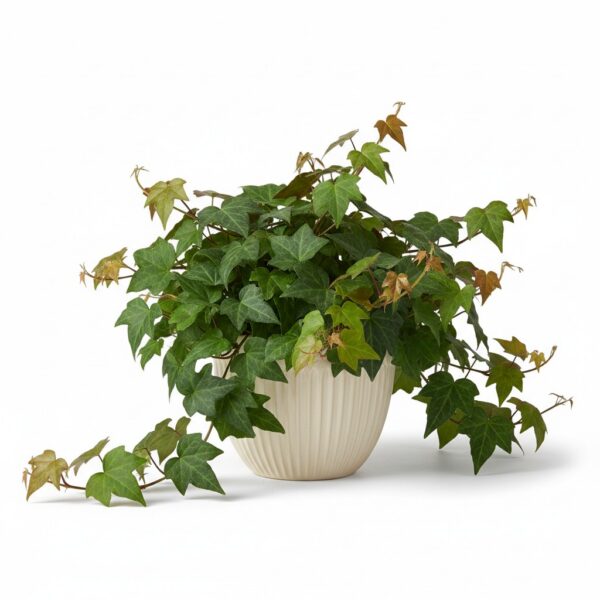
Grape Ivy
Cissus rhombifolia
Cissus rhombifolia, commonly known as Grape Ivy, is a vigorous, evergreen vine often grown for its attractive foliage. It features compound leaves, typically with three diamond-shaped leaflets, giving it a grape-like appearance. While it can be grown indoors, it thrives best in bright, indirect light and high humidity. Outdoors, it can become quite expansive. People grow it for its lush, green foliage and its ability to climb or trail, making it suitable for hanging baskets or as a climbing plant on trellises. It's not a true ivy, but its growth habit and leaf shape give it a similar aesthetic.
Quick Plant Comparison
| Feature | Christmas Fern | Grape Ivy |
|---|---|---|
| Light | Partial to full shade. Avoid direct sunlight, especially indoors. | Bright, indirect light. Avoid direct sunlight, which can scorch the leaves. |
| Watering | Every 7-10 days, adjust based on humidity and temperature. | Every 7-10 days, depending on environmental conditions |
| Humidity | 50-70% | 50-70% |
| Temperature | 10-21°C | 18-24°C |
| Care Level | Expert | Moderate |
| Growth Rate | Moderate | Moderate |
| Max Height | 30-60 cm | 1-2 meters indoors |
| Pet Safety | ✅ Safe | ❌ Toxic To Pets |
| Soil | Well-draining, humus-rich soil. A mix of potting soil, peat moss, and perlite is suitable. | Well-draining potting mix, such as a mix of peat moss, perlite, and vermiculite. |
| Beginner Friendly | ❌ No | With Caution |
| Weekly Maintenance | 10 minutes weekly | 10 minutes weekly |
🔬 Botanical Information — Comparing These Plants
Christmas Fern
| Scientific Name | Polystichum acrostichoides |
|---|---|
| Family | Dryopteridaceae |
| Native To | Eastern North America |
| Also Known As | Christmas Fern, Evergreen Wood Fern |
| Leaves | The fronds are lance-shaped, 30-90 cm long, and deeply divided into leathery, dark green pinnae. The pinnae are slightly sickle-shaped and have a toothed margin. The fertile fronds have smaller, spore-bearing pinnae at the tip. |
| Flowers | Ferns do not produce flowers. They reproduce via spores. |
Grape Ivy
| Scientific Name | Cissus rhombifolia |
|---|---|
| Family | Vitaceae |
| Native To | South America (Venezuela, Bolivia, Peru) |
| Also Known As | Grape Ivy, Venezuela Grape Ivy |
| Leaves | The leaves of Grape Ivy are compound, typically with three diamond-shaped leaflets. The leaflets are glossy green and have slightly serrated edges. They are typically 5-10 cm long. |
| Flowers | Grape Ivy rarely flowers indoors. When it does flower, the blooms are small, inconspicuous, and greenish-white. |
📏 Size & Growth — Plant Comparison
Christmas Fern
Grape Ivy
🌱 Propagation — Comparing Plant Growth
Christmas Fern
Methods: Division, Spores
Difficulty: Moderate
Tips: Division is best done in early spring. Carefully separate the rhizomes and replant. Spore propagation is more challenging and requires a sterile environment.
Grape Ivy
Methods: Stem cuttings
Difficulty: Easy
Tips: Take stem cuttings with at least two nodes. Place the cuttings in water or directly into moist potting mix. Keep the soil consistently moist until roots develop.
✨ Benefits & Features — Comparing Plant Value
Christmas Fern
The Christmas fern is distinguished by its evergreen foliage and the presence of sori only on the upper pinnae of fertile fronds. This unique characteristic makes it easy to identify.
- ✓ Provides year-round greenery in shaded areas.
- ✓ Helps prevent soil erosion.
- ✓ Attracts beneficial insects.
- ✓ Low maintenance once established.
- ✓ Adds a natural, woodland aesthetic.
- 🐾 Pet Safe
Grape Ivy
Grape Ivy is known for its attractive, compound leaves that resemble grape leaves. It's a versatile plant that can be grown in hanging baskets, trained to climb, or used as a ground cover.
- ✓ Adds a touch of greenery to indoor spaces.
- ✓ Can improve indoor air quality (though not a significant air purifier).
- ✓ Provides a calming and relaxing atmosphere.
- ✓ Can be used to create a living wall or vertical garden.
- ✓ Relatively easy to propagate.
- ⚠️ Toxic to pets
📅 Maintenance Schedule — Plant Care Comparison
Christmas Fern
Grape Ivy
🌞 Light Requirements
Christmas Fern
Partial to full shade. Avoid direct sunlight, especially indoors.
Low light tolerant: ❌ No
Grape Ivy
Bright, indirect light. Avoid direct sunlight, which can scorch the leaves.
Low light tolerant: ✅ Yes
💧 Watering Needs
Christmas Fern
Water thoroughly when the top inch of soil feels dry. Avoid overwatering, which can lead to root rot. Allow excess water to drain away. Signs of overwatering include yellowing or browning fronds. Signs of underwatering include wilting or crispy fronds.
Grape Ivy
Water thoroughly when the top inch of soil feels dry. Ensure good drainage to prevent root rot. Overwatering can lead to yellowing leaves and root rot. Underwatering will cause the leaves to droop and become crispy.
🌡️ Temperature & Humidity
Christmas Fern
Temperature: 10-21°C
Humidity: 50-70%
Grape Ivy
Temperature: 18-24°C
Humidity: 50-70%
🤔 Which Plant Is Right For You?
Christmas Fern
Polystichum acrostichoidesExperienced gardeners seeking a low-maintenance, evergreen groundcover for shaded areas.
✅ Choose This Plant If...
- You want an evergreen fern for a shady garden area.
- You need a plant for erosion control on a slope.
- You want to attract beneficial insects to your garden.
- You appreciate low-maintenance plants once established.
- You have a woodland garden and want a native species.
❌ Skip This Plant If...
- You have limited space indoors.
- You cannot provide high humidity.
- You are a beginner gardener looking for an easy indoor plant.
Grape Ivy
Cissus rhombifoliaSomeone who wants a trailing or climbing plant with attractive foliage and is willing to provide bright, indirect light and moderate humidity.
✅ Choose This Plant If...
- You want a plant that can be trained to climb or trail.
- You appreciate lush, green foliage.
- You can provide bright, indirect light.
- You are willing to provide moderate humidity.
- You enjoy propagating plants from cuttings.
❌ Skip This Plant If...
- You have pets that might ingest the plant.
- You cannot provide bright, indirect light.
- You tend to overwater plants.
🎯 Quick Verdict
⚡ Key Differences Between These Plants
Christmas Fern is rated Expert care level, while Grape Ivy is Moderate.
💡 Pro Tips For Comparing These Plants
Christmas Fern Care Tips
Christmas fern is primarily an outdoor plant that prefers moist, shaded environments. Indoor cultivation is challenging due to the need for high humidity, cool temperatures, and indirect light. It requires consistent moisture and well-draining soil. It is not a good choice for beginners indoors.
- Provide consistent moisture, especially during dry periods.
- Mulch around the base of the plant to retain moisture.
- Avoid planting in direct sunlight.
- Divide clumps every few years to maintain vigor.
- Monitor for pests and diseases regularly.
Grape Ivy Care Tips
Grape Ivy is relatively easy to care for, but requires bright, indirect light and consistent moisture. It can be prone to pests like spider mites. Regular pruning helps maintain its shape and encourages bushier growth. Provide adequate humidity, especially in dry indoor environments.
- Provide a trellis or support for climbing.
- Mist the leaves regularly to increase humidity.
- Rotate the plant regularly to ensure even growth.
- Check for pests regularly and treat promptly.
- Avoid placing the plant near drafts or heating vents.
⚠️ Common Problems & Solutions — Plant Care Comparison
Christmas Fern
Grape Ivy
❓ Frequently Asked Questions — Comparing These Plants
Christmas Fern
What are the light requirements for Christmas Fern?
Christmas Ferns prefer bright, indirect light. Direct sunlight can scorch their delicate fronds, leading to browning and damage. The ideal location is near a north-facing window, or in a room with filtered sunlight. If you notice the fronds turning pale green or yellow, it may indicate that the plant is receiving too much light. Conversely, if the fronds appear dark green and growth is slow, the plant may not be getting enough light. Avoid placing the fern in direct sunlight, especially during the hottest part of the day. Artificial light can also be used to supplement natural light, especially during the winter months.
How do I care for Christmas Fern?
Christmas Fern thrives in indirect light and requires consistent moisture. Water thoroughly when the top inch of soil feels dry, ensuring good drainage to prevent root rot. Maintain high humidity, ideally above 50%, through misting or using a humidifier. Plant in well-draining, slightly acidic potting mix rich in organic matter. Fertilize sparingly during the growing season (spring and summer) with a diluted balanced liquid fertilizer. Avoid direct sunlight, which can scorch the fronds. Prune away any dead or damaged fronds to maintain its appearance. Repot every 1-2 years, or when the plant becomes root-bound, into a slightly larger pot. Protect from drafts and sudden temperature changes. Monitor for pests like scale, and treat promptly if necessary.
How do I propagate Christmas Fern?
Christmas Ferns can be propagated by division or by spores. For division, carefully separate the rhizomes in spring, ensuring each division has healthy roots and fronds. Plant the divisions in well-draining potting mix and keep them moist. For spore propagation, collect spores from mature fronds and sow them on a sterile substrate. Keep the substrate moist and humid. Spore propagation is a slow process, often taking several months to produce small plantlets. Division is the easier and more common method for home gardeners. Ensure the parent plant is healthy before attempting propagation. New plants will require consistent moisture and high humidity.
Grape Ivy
What are the light requirements for Grape Ivy?
Grape Ivy prefers bright, indirect light. Direct sunlight can scorch its leaves, especially in the afternoon. An east-facing window is ideal, providing gentle morning light. A north-facing window can also work, although growth may be slower. If you place your Grape Ivy near a south- or west-facing window, be sure to filter the light with a sheer curtain. Insufficient light can lead to leggy growth and pale leaves. Rotate the plant regularly to ensure even light exposure on all sides. Artificial grow lights can supplement natural light, especially during the darker months. The ideal placement is a spot where the plant receives consistent, diffused light throughout the day.
How do I care for Grape Ivy?
Grape Ivy thrives in bright, indirect light, but can tolerate lower light conditions. Water thoroughly when the top inch of soil feels dry to the touch, allowing excess water to drain. Avoid overwatering, as this can lead to root rot. Maintain moderate humidity levels, especially during dry months, by misting the plant or using a humidifier. Fertilize every 4-6 weeks during the growing season (spring and summer) with a balanced liquid fertilizer diluted to half strength. Prune regularly to maintain desired shape and encourage bushier growth. Provide a support structure like a trellis or moss pole if you want it to climb. Repot every 1-2 years in spring, using a well-draining potting mix. Keep temperatures between 60-80°F (15-27°C). Watch out for pests like spider mites and mealybugs, and treat promptly.
How do I propagate Grape Ivy?
Grape Ivy is easily propagated through stem cuttings or layering. For stem cuttings, take a 4-6 inch cutting from a healthy stem, removing the lower leaves. Dip the cut end in rooting hormone and plant it in moist, well-draining potting mix. Keep the cutting in a warm, humid environment, such as under a plastic bag or humidity dome. Roots should develop in a few weeks. For layering, bend a long stem down to the soil and cover a section of it with soil, leaving the tip exposed. Keep the soil moist. Once roots have formed on the buried section, cut it from the mother plant and pot it separately. Both methods are best done in spring or early summer.
Last updated: April 27, 2026 — Plant care data reviewed and verified by our editorial team.