
Chinese Money Plant vs Hart's Tongue Fern Plant Comparison
Compare these two plants side by side — care needs, key differences, and which is right for your home.

Chinese Money Plant
Pilea peperomioides
Pilea peperomioides, commonly known as the Chinese Money Plant, is a popular houseplant prized for its unique, coin-shaped leaves. It features a central stem from which round, vibrant green leaves emerge on long petioles, creating a visually appealing, symmetrical appearance. Naturally found in the mountainous regions of Southern China, it thrives in bright, indirect light. People grow it for its easy care, interesting foliage, and the belief that it brings good luck and prosperity.
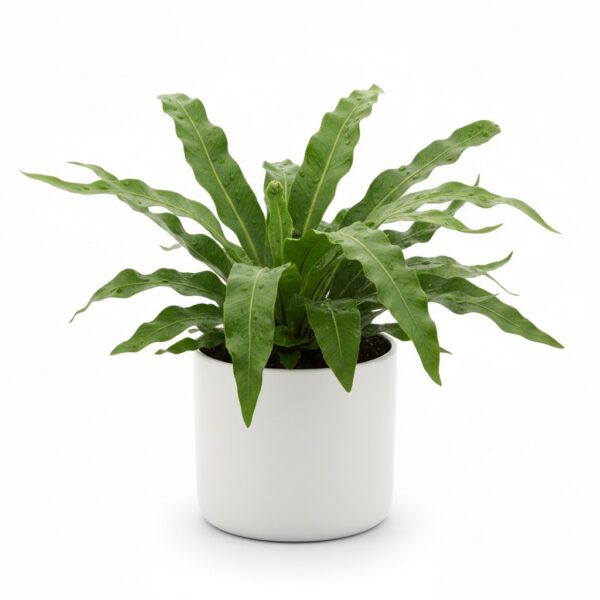
Hart's Tongue Fern
Asplenium scolopendrium
Hart's Tongue Fern is an evergreen fern characterized by its simple, strap-shaped fronds. These fronds, resembling a deer's tongue, are glossy green and have a leathery texture. It's primarily an outdoor plant, thriving in cool, damp, shaded environments like woodlands and limestone cliffs. While it can be grown indoors, it requires specific conditions to mimic its natural habitat. People grow it for its unique foliage and architectural interest in shaded gardens or as a curiosity indoors.
Quick Plant Comparison
| Feature | Chinese Money Plant | Hart's Tongue Fern |
|---|---|---|
| Light | Bright, indirect light. Avoid direct sunlight, which can scorch the leaves. | Partial to full shade. Avoid direct sunlight. |
| Watering | Every 1-2 weeks, depending on environmental conditions | Every 5-7 days, depending on humidity and temperature |
| Humidity | 40-60% | 60-80% |
| Temperature | 18-24°C | 13-18°C |
| Care Level | Easy | Moderate |
| Growth Rate | Moderate | Slow |
| Max Height | 20-30 cm | 30-60 cm |
| Pet Safety | ❌ Toxic To Pets | ✅ Safe |
| Soil | Well-draining potting mix, such as a blend of peat moss, perlite, and vermiculite | Well-draining, humus-rich soil. A mix of peat moss, perlite, and garden soil works well. |
| Beginner Friendly | ✅ Yes | With Caution |
| Weekly Maintenance | 5 minutes weekly | 10 minutes weekly |
🔬 Botanical Information — Comparing These Plants
Chinese Money Plant
| Scientific Name | Pilea peperomioides |
|---|---|
| Family | Urticaceae |
| Native To | Yunnan Province, Southern China |
| Also Known As | Chinese Money Plant, Pancake Plant, UFO Plant, Missionary Plant |
| Leaves | Round, coin-shaped leaves with a diameter of 2-4 inches. The leaves are a vibrant green color and have a slightly waxy texture. They are attached to the central stem by long, slender petioles. |
| Flowers | Rarely flowers indoors. When it does, the flowers are small, white, and inconspicuous. |
Hart's Tongue Fern
| Scientific Name | Asplenium scolopendrium |
|---|---|
| Family | Aspleniaceae |
| Native To | Europe, eastern North America, and parts of Asia |
| Also Known As | Hart's Tongue Fern, Hart's-tongue Fern |
| Leaves | The leaves, or fronds, are simple, undivided, and strap-shaped, typically 15-45 cm long and 3-6 cm wide. They are a glossy, bright green color with a leathery texture and have slightly wavy edges. The underside of the fronds features rows of sori (spore-producing structures). |
| Flowers | Ferns do not flower. They reproduce via spores. |
📏 Size & Growth — Plant Comparison
Chinese Money Plant
Hart's Tongue Fern
🌱 Propagation — Comparing Plant Growth
Chinese Money Plant
Methods: Stem cuttings, Offsets (pups)
Difficulty: Easy
Tips: Offsets that grow from the base of the plant can be carefully separated and potted in their own containers. Stem cuttings can be rooted in water or directly in soil. Ensure high humidity for successful rooting.
Hart's Tongue Fern
Methods: Spores, Division
Difficulty: Moderate
Tips: Spores require a sterile environment and high humidity to germinate. Division is best done in spring, separating the rhizomes carefully.
✨ Benefits & Features — Comparing Plant Value
Chinese Money Plant
The perfectly round, coin-shaped leaves are its most distinctive feature. It's also known for producing numerous offsets, making it easy to propagate and share. Its upright growth habit and symmetrical appearance make it a visually appealing addition to any indoor space.
- ✓ Adds a touch of greenery to your home decor
- ✓ Easy to propagate and share with friends
- ✓ Believed to bring good luck and prosperity
- ✓ Relatively low-maintenance
- ✓ Unique and eye-catching foliage
- ⚠️ Toxic to pets
Hart's Tongue Fern
The Hart's Tongue Fern is unique due to its undivided, strap-shaped fronds, which are unlike the typical divided fronds of most ferns. The sori are arranged in neat rows on the underside of the fronds, adding to its distinctive appearance.
- ✓ Adds unique texture and visual interest to shaded areas.
- ✓ Non-toxic to pets and children.
- ✓ Can help improve humidity levels in a small area.
- ✓ Offers a calming and natural aesthetic.
- ✓ Relatively low-maintenance once established in the right conditions.
- 🌬️ NASA-verified air purifier
- 🐾 Pet Safe
📅 Maintenance Schedule — Plant Care Comparison
Chinese Money Plant
Hart's Tongue Fern
🌞 Light Requirements
Chinese Money Plant
Bright, indirect light. Avoid direct sunlight, which can scorch the leaves.
Low light tolerant: ✅ Yes
Hart's Tongue Fern
Partial to full shade. Avoid direct sunlight.
Low light tolerant: ✅ Yes
💧 Watering Needs
Chinese Money Plant
Water thoroughly when the top inch of soil feels dry to the touch. Ensure proper drainage to prevent root rot. Overwatering can lead to yellowing and drooping leaves, while underwatering can cause the leaves to become dry and crispy.
Hart's Tongue Fern
Keep the soil consistently moist but not waterlogged. Water when the top inch of soil feels slightly dry. Overwatering can lead to root rot, while underwatering will cause the fronds to brown and crisp.
🌡️ Temperature & Humidity
Chinese Money Plant
Temperature: 18-24°C
Humidity: 40-60%
Hart's Tongue Fern
Temperature: 13-18°C
Humidity: 60-80%
🤔 Which Plant Is Right For You?
Chinese Money Plant
Pilea peperomioidesBeginners looking for a visually appealing and relatively low-maintenance houseplant.
✅ Choose This Plant If...
- You want a unique-looking plant that's easy to care for.
- You're looking for a plant that's easy to propagate and share with friends.
- You want a plant that's believed to bring good luck and prosperity.
- You have a bright spot in your home that doesn't get direct sunlight.
- You are a beginner plant owner looking for a rewarding experience.
❌ Skip This Plant If...
- You have pets that might ingest the plant.
- You tend to overwater your plants.
- You don't have a spot with bright, indirect light.
Hart's Tongue Fern
Asplenium scolopendriumExperienced plant enthusiasts who can provide the specific environmental conditions required for healthy growth.
✅ Choose This Plant If...
- You appreciate unique foliage and architectural plants.
- You have a shaded, humid environment in your home or garden.
- You are willing to provide consistent moisture and humidity.
- You enjoy a plant that adds a touch of woodland charm.
- You are looking for a non-toxic plant for a home with pets.
❌ Skip This Plant If...
- You have a dry indoor environment.
- You tend to overwater plants.
- You don't have a shaded location.
- You are a beginner plant owner.
🎯 Quick Verdict
⚡ Key Differences Between These Plants
Chinese Money Plant is rated Easy care level, while Hart's Tongue Fern is Moderate.
Chinese Money Plant has moderate growth, while Hart's Tongue Fern grows slow.
💡 Pro Tips For Comparing These Plants
Chinese Money Plant Care Tips
Pilea peperomioides is an easy-to-care-for houseplant that thrives in bright, indirect light and well-draining soil. Rotate the plant regularly to ensure even growth. Avoid overwatering and provide adequate humidity. It's toxic to pets, so keep it out of reach.
- Rotate the plant regularly to ensure even growth.
- Allow the soil to dry out slightly between waterings.
- Fertilize sparingly during the growing season.
- Provide adequate humidity, especially in dry environments.
- Monitor for pests and address them promptly.
Hart's Tongue Fern Care Tips
Hart's Tongue Fern requires consistent moisture, high humidity, and shade. Indoor cultivation can be challenging due to the need for specific environmental conditions. Providing adequate humidity and avoiding direct sunlight are crucial for success.
- Provide consistent moisture, but avoid soggy soil.
- Increase humidity by misting regularly or using a humidifier.
- Avoid direct sunlight, which can scorch the fronds.
- Use a well-draining potting mix rich in organic matter.
- Fertilize sparingly during the growing season.
⚠️ Common Problems & Solutions — Plant Care Comparison
Chinese Money Plant
Hart's Tongue Fern
❓ Frequently Asked Questions — Comparing These Plants
Chinese Money Plant
What are the light requirements for Chinese Money Plant?
Chinese Money Plants flourish in bright, indirect light. Direct sunlight can scorch their delicate leaves, causing discoloration and damage. The ideal location is near an east- or west-facing window where it receives filtered light. If placed near a south-facing window, use sheer curtains to diffuse the light.
How do I care for Chinese Money Plant?
The Chinese Money Plant thrives in bright, indirect light, so avoid direct sunlight which can scorch its leaves. Water when the top inch of soil feels dry to the touch, usually once a week, but adjust based on environmental conditions. Ensure the pot has drainage holes to prevent root rot. Use well-draining potting mix.
How do I propagate Chinese Money Plant?
Chinese Money Plants are easily propagated through several methods. Stem cuttings can be taken from mature plants and placed in water until roots develop, then planted in soil. “Pups” or baby plants that grow from the base of the plant can be carefully separated and potted individually. Division involves separating the main plant into multiple smaller plants, ensuring each section has roots and leaves. Air layering is also possible but less common.
Hart's Tongue Fern
What are the light requirements for Hart's Tongue Fern?
Hart’s Tongue Fern thrives in bright, indirect light. Direct sunlight can scorch its delicate fronds, leading to brown spots and stunted growth. A north-facing window is often ideal, providing ample light without the harsh intensity. East-facing windows can also work well, as long as the morning sun is not too strong. Avoid placing the fern in direct south or west-facing windows unless you can provide significant shading. Insufficient light can result in pale, leggy growth and a loss of the vibrant green color. Regularly assess your fern’s light exposure and adjust its placement as needed to ensure optimal growth and health.
How do I care for Hart's Tongue Fern?
Hart’s Tongue Fern requires specific care to thrive. Provide bright, indirect light, avoiding direct sunlight which can scorch the fronds. Maintain consistently moist soil, but avoid overwatering which can lead to root rot. Water when the top inch of soil feels dry. High humidity is crucial; aim for 60-80% humidity. Use a well-draining potting mix rich in organic matter. Fertilize sparingly during the growing season (spring and summer) with a diluted liquid fertilizer. Keep temperatures between 60-70°F (15-21°C). Prune away any dead or damaged fronds to encourage new growth. Repot only when necessary, usually every 2-3 years. Protect from drafts and sudden temperature changes. Regular misting is beneficial.
How do I propagate Hart's Tongue Fern?
Hart’s Tongue Fern can be propagated through division or spores. For division, carefully separate the rhizome into sections, ensuring each section has healthy fronds and roots. Plant each section in its own pot with well-draining soil. To propagate from spores, collect spores from mature fronds. Sow the spores on a sterile growing medium and maintain high humidity. Germination can take several weeks. Division is the easier and more common method. Ensure each division has adequate roots before repotting. Provide high humidity and indirect light during the propagation process.
Last updated: May 13, 2026 — Plant care data reviewed and verified by our editorial team.