
Carpet Bugle vs Gardenia Plant Comparison
Compare these two plants side by side — care needs, key differences, and which is right for your home.

Carpet Bugle
Ajuga reptans
Ajuga reptans, commonly known as Carpet Bugle, is a herbaceous perennial ground cover prized for its rapid spread and attractive foliage. It typically grows 15-30 cm tall and forms a dense mat of semi-evergreen leaves. The plant features dark green or bronze foliage, often with colorful variegation, and produces spikes of blue or purple flowers in spring. Primarily an outdoor plant, it's used extensively in gardens as a ground cover, erosion control, and to fill in spaces between paving stones. While it can be grown indoors, it requires very specific conditions and is not ideally suited for indoor environments due to its spreading habit and high light needs.
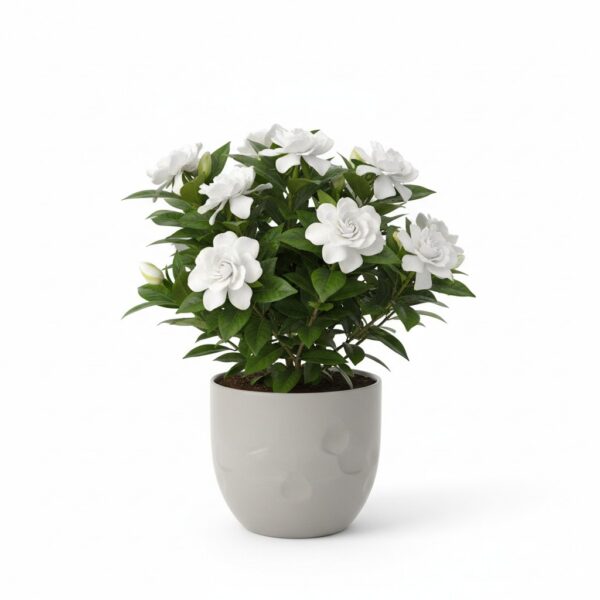
Gardenia
Gardenia jasminoides
Gardenia jasminoides is an evergreen shrub known for its highly fragrant, creamy white flowers and glossy, dark green leaves. It typically grows to a height of 2-8 feet outdoors, but remains smaller when grown in containers. Gardenias are popular for their ornamental value and the intense fragrance of their blooms, often used in perfumes and floral arrangements. They are challenging to grow indoors due to their specific environmental requirements, primarily high humidity and bright light.
Quick Plant Comparison
| Feature | Carpet Bugle | Gardenia |
|---|---|---|
| Light | Full sun to partial shade outdoors. Indoors, requires very bright, direct light for at least 6 hours a day. | Bright, indirect light is essential. Direct sunlight can scorch the leaves, while insufficient light will inhibit flowering. |
| Watering | Outdoors: Every 7-10 days depending on rainfall. Indoors: Every 5-7 days, adjust based on light and temperature. | Every 5-7 days, depending on environmental conditions and pot size. |
| Humidity | 30-50% | 60-80% |
| Temperature | 15-24°C | 18-21°C |
| Care Level | Expert | Expert |
| Growth Rate | Fast | Slow |
| Max Height | Indoors: 10-15 cm (limited by pot size) | 1-3 feet (indoors) |
| Pet Safety | ❌ Toxic To Pets | ❌ Toxic To Pets |
| Soil | Well-draining soil, such as a mix of potting soil, perlite, and sand. | Acidic, well-draining soil mix. A blend of peat moss, perlite, and sand is suitable. |
| Beginner Friendly | ❌ No | ❌ No |
| Weekly Maintenance | 15 minutes weekly | 30 minutes weekly |
🔬 Botanical Information — Comparing These Plants
Carpet Bugle
| Scientific Name | Ajuga reptans |
|---|---|
| Family | Lamiaceae |
| Native To | Europe |
| Also Known As | Carpet Bugleweed, Bugleherb, Blue Bugle, Common Bugle |
| Leaves | Leaves are oval to oblong, 5-10 cm long, and arranged in opposite pairs along the stem. They are typically dark green or bronze, often with colorful variegation in shades of purple, pink, or cream. The texture is slightly rough. |
| Flowers | It rarely flowers indoors. Outdoors, it produces spikes of blue or purple flowers in spring, typically 15-30 cm tall. |
Gardenia
| Scientific Name | Gardenia jasminoides |
|---|---|
| Family | Rubiaceae |
| Native To | Asia (China, Japan, Taiwan, India, Vietnam) |
| Also Known As | Gardenia, Cape Jasmine |
| Leaves | The leaves are opposite, simple, and elliptical to lanceolate in shape. They are typically 2-4 inches long and 1-2 inches wide. The leaves are a glossy, dark green color with a smooth texture and prominent veins. |
| Flowers | Gardenias can flower indoors if provided with the right conditions. The flowers are typically 2-4 inches in diameter and have a creamy white color. They are highly fragrant and have a waxy texture. Flowering typically occurs in spring and summer. |
📏 Size & Growth — Plant Comparison
Carpet Bugle
Gardenia
🌱 Propagation — Comparing Plant Growth
Carpet Bugle
Methods: Division, Seed, Rhizome cuttings
Difficulty: Easy
Tips: Divide established plants in spring or fall. Rhizome cuttings can be taken and rooted in water or soil. Seeds can be sown in spring.
Gardenia
Methods: Stem cuttings
Difficulty: Moderate
Tips: Take 4-6 inch stem cuttings from new growth in spring or early summer. Dip the cut end in rooting hormone and plant in a well-draining potting mix. Maintain high humidity by covering the cutting with a plastic bag or humidity dome. Keep the soil consistently moist and provide bright, indirect light.
✨ Benefits & Features — Comparing Plant Value
Carpet Bugle
Its rapid spreading habit and colorful foliage make it a popular ground cover. The plant's ability to suppress weed growth is also a valuable characteristic.
- ✓ Erosion control on slopes.
- ✓ Suppresses weed growth.
- ✓ Attracts pollinators.
- ✓ Adds visual interest with colorful foliage.
- ✓ Provides ground cover in shady areas.
- ⚠️ Toxic to pets
Gardenia
The intense fragrance of the flowers is its most distinguishing characteristic. Gardenias are also known for their glossy, dark green leaves, which provide a beautiful contrast to the white blooms. They are considered a symbol of purity, love, and refinement.
- ✓ Beautiful, fragrant flowers enhance mood and reduce stress.
- ✓ Adds a touch of elegance to any space.
- ✓ Can be used in floral arrangements and perfumes.
- ✓ Provides a sense of accomplishment when successfully grown.
- ✓ Offers a connection to nature and a calming presence.
- ⚠️ Toxic to pets
📅 Maintenance Schedule — Plant Care Comparison
Carpet Bugle
Gardenia
🌞 Light Requirements
Carpet Bugle
Full sun to partial shade outdoors. Indoors, requires very bright, direct light for at least 6 hours a day.
Low light tolerant: ❌ No
Gardenia
Bright, indirect light is essential. Direct sunlight can scorch the leaves, while insufficient light will inhibit flowering.
Low light tolerant: ❌ No
💧 Watering Needs
Carpet Bugle
Outdoors: Water regularly, especially during dry periods. Avoid waterlogged soil. Indoors: Water when the top inch of soil feels dry. Ensure good drainage to prevent root rot. Overwatering signs include yellowing leaves and mushy stems. Underwatering signs include wilting and dry, crispy leaves.
Gardenia
Water thoroughly when the top inch of soil feels dry to the touch. Avoid overwatering, as soggy soil can lead to root rot. Use room-temperature, distilled, or rainwater to avoid mineral buildup in the soil. Yellowing leaves can indicate overwatering, while wilting can indicate underwatering.
🌡️ Temperature & Humidity
Carpet Bugle
Temperature: 15-24°C
Humidity: 30-50%
Gardenia
Temperature: 18-21°C
Humidity: 60-80%
🤔 Which Plant Is Right For You?
Carpet Bugle
Ajuga reptansExperienced gardeners looking for a challenging indoor project or those wanting a ground cover for their outdoor garden.
✅ Choose This Plant If...
- You want a fast-spreading ground cover for your garden.
- You appreciate its attractive foliage and spring flowers.
- You are an experienced gardener looking for a challenging indoor project.
- You need a plant for erosion control on slopes.
- You want to attract pollinators to your garden.
❌ Skip This Plant If...
- You have pets that might ingest it.
- You are a beginner gardener.
- You cannot provide very bright, direct light indoors.
Gardenia
Gardenia jasminoidesExperienced plant enthusiasts who are willing to provide the specific environmental conditions required for healthy growth and flowering.
✅ Choose This Plant If...
- You adore intensely fragrant flowers and are willing to provide the necessary care.
- You have a bright, humid environment suitable for gardenias.
- You enjoy a challenge and are dedicated to providing optimal conditions.
- You want a beautiful, classic plant with a rich history.
- You are looking for a plant whose flowers can be used in perfumes or floral arrangements.
❌ Skip This Plant If...
- You are a beginner plant owner.
- You cannot provide high humidity or bright, indirect light.
- You have pets that may ingest the plant.
🎯 Quick Verdict
⚡ Key Differences Between These Plants
Carpet Bugle has fast growth, while Gardenia grows slow.
💡 Pro Tips For Comparing These Plants
Carpet Bugle Care Tips
Carpet Bugle is primarily an outdoor plant and requires expert care to thrive indoors. It needs very bright light, well-draining soil, and careful watering to prevent root rot. Its aggressive spreading habit also presents a challenge in a confined indoor space.
- Provide excellent drainage to prevent root rot.
- Ensure very bright, direct light indoors.
- Divide plants regularly to control spread.
- Fertilize monthly during the growing season.
- Monitor for pests and diseases regularly.
Gardenia Care Tips
Gardenias are notoriously difficult to grow indoors due to their high humidity, specific temperature, and light requirements. They are prone to bud drop if conditions are not ideal. Consistent care and attention are crucial for success.
- Use distilled or rainwater to avoid mineral buildup in the soil.
- Maintain high humidity by using a humidifier or placing the plant on a pebble tray.
- Provide bright, indirect light to encourage flowering.
- Fertilize regularly during the growing season with an acid-forming fertilizer.
- Monitor for pests and treat promptly to prevent infestations.
⚠️ Common Problems & Solutions — Plant Care Comparison
Carpet Bugle
Gardenia
❓ Frequently Asked Questions — Comparing These Plants
Carpet Bugle
What are the light requirements for Carpet Bugle?
Carpet Bugle prefers partial shade, especially in hotter climates. While it can tolerate full sun, intense afternoon sun can scorch the leaves, leading to browning and reduced flowering. In cooler regions, it can handle more sun exposure. Aim for at least 4-6 hours of filtered sunlight per day.
How do I care for Carpet Bugle?
Carpet Bugle thrives in partial shade to full sun, though intense afternoon sun can scorch the leaves. Water regularly, especially during dry periods, keeping the soil consistently moist but not waterlogged. Well-draining soil is crucial to prevent root rot. Fertilize in spring with a balanced, slow-release fertilizer to promote healthy growth and abundant blooms.
How do I propagate Carpet Bugle?
Carpet Bugle is easily propagated through division, stem cuttings, and occasionally through keikis (small plantlets that form on the mother plant).
Gardenia
What are the light requirements for Gardenia?
Gardenias need bright, indirect light to thrive and bloom profusely. Direct sunlight can scorch their leaves, while insufficient light can lead to weak growth and a lack of flowers. An east-facing window is ideal, providing gentle morning sun. A south-facing window can also work, but be sure to filter the light with a sheer curtain.
How do I care for Gardenia?
Gardenias require bright, indirect light, preferably near an east- or south-facing window. Maintain consistently moist, well-draining acidic soil with a pH between 5.0 and 6.0. Water when the top inch of soil feels dry, using rainwater or distilled water to avoid tap water’s alkalinity.
How do I propagate Gardenia?
Gardenias can be propagated through stem cuttings. Take a 4-6 inch cutting from a healthy stem in spring or early summer. Remove the lower leaves and dip the cut end in rooting hormone. Plant the cutting in a pot filled with a well-draining potting mix. Cover the pot with a plastic bag or humidity dome to create a humid environment. Place the pot in a warm, bright location, but out of direct sunlight. Keep the soil consistently moist. Roots should develop within 6-8 weeks. Once rooted, transplant the cutting into a larger pot. Division is not typically used for gardenias. Keiki propagation is not applicable to gardenias.
Last updated: April 24, 2026 — Plant care data reviewed and verified by our editorial team.