
Cardoon vs Prayer Plant Plant Comparison
Compare these two plants side by side — care needs, key differences, and which is right for your home.

Cardoon
Cynara cardunculus
Cardoon is a striking perennial plant grown for its edible stalks and ornamental value. It features deeply lobed, silvery-green leaves that can grow up to 1 meter long. The plant produces thistle-like purple flowers in summer, similar to artichokes. It is primarily an outdoor plant, thriving in sunny locations. While technically edible, indoor cultivation is challenging due to its size and high light requirements. People grow it for its architectural presence in gardens and for culinary use of its blanched stalks.
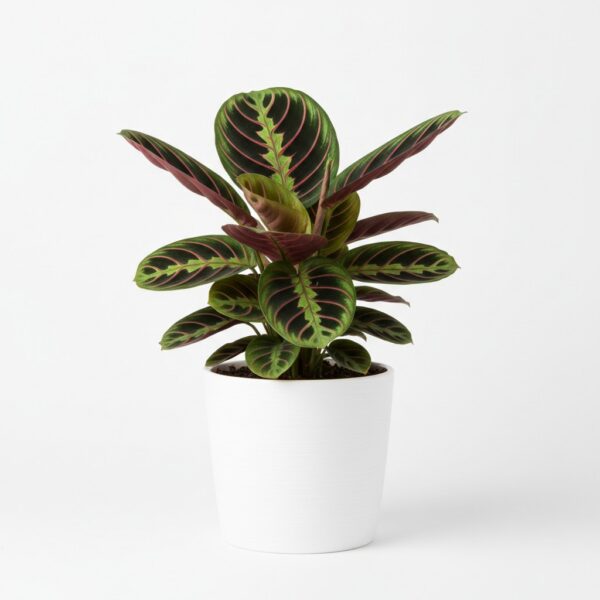
Prayer Plant
Maranta leuconeura
The Prayer Plant (Maranta leuconeura) is a popular houseplant known for its striking foliage and nyctinastic movement, where its leaves fold upwards at night, resembling praying hands. It's a relatively low-growing plant, typically reaching under a foot in height indoors. The leaves are oval-shaped with intricate patterns of dark green, light green, and reddish-purple veins. While primarily grown for its foliage, it can occasionally produce small, inconspicuous flowers. It is naturally found in the understory of tropical rainforests, making it well-suited to indoor environments with proper care. People grow it for its unique leaf movements and attractive foliage.
Quick Plant Comparison
| Feature | Cardoon | Prayer Plant |
|---|---|---|
| Light | Full sun (at least 6-8 hours of direct sunlight daily) | Bright indirect light |
| Watering | Every 1-2 weeks, depending on weather and soil drainage | Every 7-10 days |
| Humidity | 30-50% | 60-80% |
| Temperature | 15-25°C | 18-24°C |
| Care Level | Expert | Moderate |
| Growth Rate | Fast | Moderate |
| Max Height | N/A (Primarily outdoor; indoor growth severely limited) | 20-30 cm |
| Pet Safety | ❌ Toxic To Pets | ✅ Safe |
| Soil | Well-draining soil, such as a sandy loam | Well-draining potting mix, such as a mix of peat moss, perlite, and vermiculite. |
| Beginner Friendly | ❌ No | With Caution |
| Weekly Maintenance | 30 minutes weekly (primarily outdoor) | 10 minutes weekly |
🔬 Botanical Information — Comparing These Plants
Cardoon
| Scientific Name | Cynara cardunculus |
|---|---|
| Family | Asteraceae |
| Native To | Mediterranean region |
| Also Known As | Cardoon, Artichoke Thistle, Cardoni |
| Leaves | The leaves of cardoon are large, deeply lobed, and silvery-green in color. They can grow up to 1 meter long and have a prickly texture. The leaves are arranged in a basal rosette. |
| Flowers | Cardoon produces thistle-like purple flowers in summer. The flowers are similar to artichokes and are attractive to pollinators. It is unlikely to flower indoors due to insufficient light. |
Prayer Plant
| Scientific Name | Maranta leuconeura |
|---|---|
| Family | Marantaceae |
| Native To | Brazil |
| Also Known As | Prayer Plant, Rabbit's Foot, Ten Commandments |
| Leaves | The leaves are oval-shaped, typically 10-15 cm long and 5-8 cm wide. They have a velvety texture and are adorned with intricate patterns of dark green, light green, and reddish-purple veins. The undersides of the leaves are often a reddish-purple color. |
| Flowers | Prayer Plants can flower indoors, but it is rare. The flowers are small, white or pale purple, and not particularly showy. They are typically overshadowed by the plant's foliage. |
📏 Size & Growth — Plant Comparison
Cardoon
Prayer Plant
🌱 Propagation — Comparing Plant Growth
Cardoon
Methods: Seed, Division
Difficulty: Moderate
Tips: For seeds, scarify and soak them before planting. Division is best done in spring or fall, separating the root clumps. Ensure each division has healthy roots and shoots.
Prayer Plant
Methods: Stem cuttings, Division
Difficulty: Moderate
Tips: For stem cuttings, take a cutting with at least one node and place it in water or directly into moist soil. Keep the cutting in a warm, humid environment. For division, carefully separate the plant at the roots and repot each section into its own pot.
✨ Benefits & Features — Comparing Plant Value
Cardoon
Cardoon is a striking plant with edible stalks and ornamental foliage. Its thistle-like flowers attract pollinators. It is a close relative of the artichoke but is grown primarily for its stalks rather than its flower buds.
- ✓ Edible stalks for culinary use
- ✓ Ornamental foliage adds visual interest to the garden
- ✓ Attracts pollinators like bees and butterflies
- ✓ Drought-tolerant once established
- ✓ Provides a unique and unusual plant for experienced gardeners
- ⚠️ Toxic to pets
Prayer Plant
The Prayer Plant is known for its nyctinastic movement, where its leaves fold upwards at night, resembling praying hands. This movement is a response to changes in light and temperature. The intricate patterns and colors on the leaves also make it a visually appealing houseplant.
- ✓ Adds a touch of the tropics to your home.
- ✓ The unique leaf movements are fascinating to observe.
- ✓ Non-toxic to pets, making it a safe choice for animal lovers.
- ✓ Relatively easy to propagate, allowing you to expand your plant collection.
- ✓ The vibrant foliage can brighten up any space.
- 🐾 Pet Safe
📅 Maintenance Schedule — Plant Care Comparison
Cardoon
Prayer Plant
🌞 Light Requirements
Cardoon
Full sun (at least 6-8 hours of direct sunlight daily)
Low light tolerant: ❌ No
Prayer Plant
Bright indirect light
Low light tolerant: ✅ Yes
💧 Watering Needs
Cardoon
Water deeply when the top inch of soil feels dry. Avoid overwatering, which can lead to root rot. During the growing season, water more frequently. Reduce watering during dormancy in winter. Signs of overwatering include yellowing leaves and a mushy stem base. Underwatering is indicated by wilting and dry, crispy leaves.
Prayer Plant
Water thoroughly when the top inch of soil feels dry to the touch. Use room-temperature water. Ensure good drainage to prevent root rot. Overwatering can lead to yellowing leaves and root rot. Underwatering can cause the leaves to become crispy and brown.
🌡️ Temperature & Humidity
Cardoon
Temperature: 15-25°C
Humidity: 30-50%
Prayer Plant
Temperature: 18-24°C
Humidity: 60-80%
🤔 Which Plant Is Right For You?
Cardoon
Cynara cardunculusExperienced gardeners in Mediterranean climates who want a dramatic, edible plant in their garden.
✅ Choose This Plant If...
- You have a large, sunny garden space
- You enjoy Mediterranean cuisine and want to grow your own vegetables
- You appreciate plants with architectural foliage
- You want to attract pollinators to your garden
- You are an experienced gardener looking for a unique challenge
❌ Skip This Plant If...
- You have limited space, especially indoors
- You live in a climate with harsh winters
- You have pets that might ingest the plant
Prayer Plant
Maranta leuconeuraPlant enthusiasts who enjoy observing plant behavior and are willing to provide the necessary humidity and care.
✅ Choose This Plant If...
- You enjoy watching plants move and respond to their environment.
- You want a plant with beautiful and intricate leaf patterns.
- You are looking for a plant that is relatively compact and doesn't take up too much space.
- You are willing to provide the humidity it needs to thrive.
- You want a plant that is non-toxic to pets.
❌ Skip This Plant If...
- You struggle to maintain consistent watering schedules.
- You live in a very dry climate and are unwilling to provide extra humidity.
- You prefer plants that require minimal attention.
🎯 Quick Verdict
⚡ Key Differences Between These Plants
Cardoon needs full sun (at least 6-8 hours of direct sunlight daily), while Prayer Plant prefers bright indirect light.
Cardoon is rated Expert care level, while Prayer Plant is Moderate.
Cardoon has fast growth, while Prayer Plant grows moderate.
💡 Pro Tips For Comparing These Plants
Cardoon Care Tips
Cardoon is primarily an outdoor plant and is extremely challenging to grow indoors due to its size and high light requirements. It needs full sun and well-draining soil. Indoor cultivation is not recommended unless you have a very large, sunny space and are prepared for significant maintenance.
- Blanch the stalks by wrapping them in burlap or cardboard for several weeks before harvesting to improve their flavor.
- Provide support for the tall stalks to prevent them from flopping over.
- Monitor for pests regularly and treat promptly.
- Ensure excellent drainage to prevent root rot.
- Protect from frost in colder climates by mulching heavily around the base of the plant.
Prayer Plant Care Tips
Prayer Plants require consistent moisture, high humidity, and bright, indirect light. They are sensitive to tap water and prefer filtered or distilled water. Maintaining proper humidity is crucial to prevent browning leaf tips. While relatively easy to care for, they require more attention than some other houseplants.
- Use filtered or distilled water to avoid brown leaf tips.
- Increase humidity by using a humidifier, pebble tray, or grouping plants together.
- Avoid placing the plant in direct sunlight, which can scorch the leaves.
- Rotate the plant regularly to ensure even growth.
- Wipe the leaves occasionally to remove dust and allow for better photosynthesis.
⚠️ Common Problems & Solutions — Plant Care Comparison
Cardoon
Prayer Plant
❓ Frequently Asked Questions — Comparing These Plants
Cardoon
What are the light requirements for Cardoon?
Cardoon thrives in full sun, requiring at least 6 to 8 hours of direct sunlight daily. Insufficient light can result in leggy growth, reduced flowering, and weaker stems. When planting, choose a location that receives ample sunlight throughout the day. If growing indoors (though less common), provide supplemental lighting using grow lights if natural light is limited. South-facing locations are generally ideal. Rotate the plant periodically to ensure even light exposure on all sides. Monitor the plant for signs of light stress, such as pale or yellowing leaves, and adjust its position accordingly.
How do I care for Cardoon?
Cardoon requires full sun (at least 6-8 hours daily) and well-drained soil. Water deeply but infrequently, allowing the soil to dry out between waterings. Avoid overwatering, as this can lead to root rot. Fertilize in spring with a balanced fertilizer to promote healthy growth and flowering. Deadhead spent flowers to encourage further blooming. Cardoon is relatively drought-tolerant once established. Provide support for tall flower stalks if necessary. Prune away any dead or damaged foliage. In colder climates, provide winter protection by mulching around the base of the plant. Monitor for pests such as aphids and slugs and treat accordingly. Ensure good air circulation to prevent fungal diseases.
How do I propagate Cardoon?
Cardoon can be propagated by division, stem cuttings, or from seeds. Division is best done in spring or fall. Carefully dig up the plant and divide the root ball into sections, ensuring each section has healthy roots and foliage. For stem cuttings, take cuttings in spring or summer and root them in water or moist potting mix. Seeds can be sown indoors or outdoors in spring. Keep the soil consistently moist until germination. Propagation by division is the most common method. Plant divisions immediately.
Prayer Plant
What are the light requirements for Prayer Plant?
Prayer Plants prefer bright, indirect light. Direct sunlight can scorch their delicate leaves, causing them to fade or burn. An east-facing window is often ideal, providing gentle morning light. If you have a south- or west-facing window, place the plant further back in the room or use sheer curtains to filter the light.
How do I care for Prayer Plant?
Prayer Plants thrive in bright, indirect light; avoid direct sunlight, which can scorch their leaves. Water thoroughly when the top inch of soil feels dry, using room-temperature, filtered water if possible, and ensure good drainage to prevent root rot. Maintain high humidity levels (60-80%) by misting regularly, using a humidifier, or placing the plant on a pebble tray.
How do I propagate Prayer Plant?
Prayer Plants can be easily propagated through stem cuttings or division. For stem cuttings, take a cutting with at least two nodes and place it in water or directly into moist soil. Keep the soil consistently moist and provide high humidity. Roots should develop within a few weeks.
Last updated: April 28, 2026 — Plant care data reviewed and verified by our editorial team.