
Cape Primrose vs Hardy Kiwi Plant Comparison
Compare these two plants side by side — care needs, key differences, and which is right for your home.

Cape Primrose
Streptocarpus saxorum
Streptocarpus saxorum, commonly known as the Cape Primrose (though not a true primrose), is a charming evergreen perennial native to Madagascar. It features delicate, trumpet-shaped flowers in shades of pale blue to lavender, blooming profusely under the right conditions. Its leaves are soft, hairy, and oval-shaped. It's often grown as a houseplant for its attractive foliage and long-lasting blooms. It typically grows to a manageable size, making it suitable for containers. While it can be grown indoors, providing adequate light is crucial for flowering.
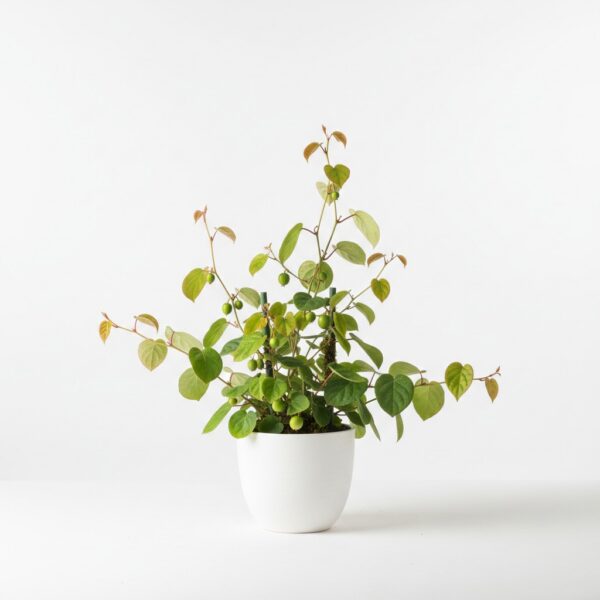
Hardy Kiwi
Actinidia arguta
Hardy kiwi is a vigorous, deciduous, twining vine that can grow up to 40 feet long. It is primarily an outdoor plant, grown for its edible, grape-sized fruits that resemble miniature kiwis. The vine features attractive foliage and can be used to cover arbors, fences, or walls. While it can be grown in containers, it requires significant space and support for its extensive growth. Indoor cultivation is challenging due to its high light and chilling requirements.
Quick Plant Comparison
| Feature | Cape Primrose | Hardy Kiwi |
|---|---|---|
| Light | Bright, indirect light. Avoid direct sunlight, especially during the hottest part of the day. | Full sun (at least 6-8 hours of direct sunlight daily) |
| Watering | Every 7-10 days, depending on environmental conditions | 2-3 times per week during the growing season, less frequently during dormancy |
| Humidity | 40-60% | 40-60% |
| Temperature | 18-24°C | 10-24°C |
| Care Level | Moderate | Expert |
| Growth Rate | Moderate | Fast |
| Max Height | 20-30 cm | Not applicable indoors, typically 12-18 meters outdoors |
| Pet Safety | ❌ Toxic To Pets | ✅ Safe |
| Soil | Well-draining potting mix, such as a mix of peat moss, perlite, and vermiculite. | Well-draining, fertile soil with a slightly acidic to neutral pH (6.0-7.0) |
| Beginner Friendly | With Caution | ❌ No |
| Weekly Maintenance | 10 minutes weekly | 30-60 minutes weekly during the growing season, primarily for pruning and training. |
🔬 Botanical Information — Comparing These Plants
Cape Primrose
| Scientific Name | Streptocarpus saxorum |
|---|---|
| Family | Gesneriaceae |
| Native To | Madagascar |
| Also Known As | Cape Primrose, False African Violet |
| Leaves | The leaves are soft, hairy, and oval-shaped, with a slightly wrinkled texture. They are typically medium green in color and can grow up to 15 cm long. |
| Flowers | It flowers readily indoors with proper care. The flowers are trumpet-shaped and come in shades of pale blue to lavender, often with darker veins. They are typically about 2-5 cm in diameter. |
Hardy Kiwi
| Scientific Name | Actinidia arguta |
|---|---|
| Family | Actinidiaceae |
| Native To | Native to Japan, Korea, Northern China, and the Russian Far East |
| Also Known As | Hardy Kiwi, Kiwi Berry, Tara Vine, Dessert Kiwi |
| Leaves | The leaves are oval to oblong in shape, typically 3-5 inches long, with serrated edges. They are a vibrant green color and have a slightly leathery texture. |
| Flowers | Hardy kiwi produces small, fragrant, white flowers in late spring or early summer. Flowering is necessary for fruit production, but indoor flowering is unlikely. |
📏 Size & Growth — Plant Comparison
Cape Primrose
Hardy Kiwi
🌱 Propagation — Comparing Plant Growth
Cape Primrose
Methods: Leaf cuttings, Seed
Difficulty: Moderate
Tips: For leaf cuttings, cut a healthy leaf into sections and insert the cut end into moist potting mix. Cover with a plastic bag to maintain humidity. For seeds, sow them thinly on the surface of moist potting mix and keep them warm and humid.
Hardy Kiwi
Methods: Stem cuttings, layering, seed
Difficulty: Moderate
Tips: Take semi-hardwood cuttings in summer or hardwood cuttings in winter. Rooting hormone can improve success. Layering is also a reliable method.
✨ Benefits & Features — Comparing Plant Value
Cape Primrose
The Cape Primrose is known for its long blooming period, producing flowers for several months under the right conditions. Its soft, hairy leaves add to its overall charm.
- ✓ Adds a splash of color to indoor spaces.
- ✓ Provides a sense of calm and tranquility.
- ✓ Relatively easy to care for with the right conditions.
- ✓ Can be propagated to create more plants.
- ✓ Offers a beautiful display of flowers for an extended period.
- ⚠️ Toxic to pets
Hardy Kiwi
Hardy kiwi produces small, smooth-skinned fruits that can be eaten whole, unlike the fuzzy skin of regular kiwis. It is also more cold-hardy than regular kiwi, making it suitable for growing in colder climates.
- ✓ Provides fresh, homegrown fruit.
- ✓ Adds visual interest to the landscape.
- ✓ Can provide shade and privacy when grown on a structure.
- ✓ Fruits are rich in Vitamin C and antioxidants.
- ✓ Offers a rewarding gardening experience.
- 🐾 Pet Safe
📅 Maintenance Schedule — Plant Care Comparison
Cape Primrose
Hardy Kiwi
🌞 Light Requirements
Cape Primrose
Bright, indirect light. Avoid direct sunlight, especially during the hottest part of the day.
Low light tolerant: ❌ No
Hardy Kiwi
Full sun (at least 6-8 hours of direct sunlight daily)
Low light tolerant: ❌ No
💧 Watering Needs
Cape Primrose
Water thoroughly when the top inch of soil feels dry to the touch. Allow excess water to drain away. Overwatering can lead to root rot. Underwatering will cause the leaves to droop and become crispy.
Hardy Kiwi
Water deeply and regularly, especially during dry periods. Established plants are relatively drought-tolerant, but consistent moisture promotes better fruit production. Avoid overwatering, which can lead to root rot. Check soil moisture before watering.
🌡️ Temperature & Humidity
Cape Primrose
Temperature: 18-24°C
Humidity: 40-60%
Hardy Kiwi
Temperature: 10-24°C
Humidity: 40-60%
🤔 Which Plant Is Right For You?
Cape Primrose
Streptocarpus saxorumSomeone who enjoys flowering houseplants and can provide bright, indirect light.
✅ Choose This Plant If...
- It produces beautiful, long-lasting flowers in shades of blue and lavender.
- It's relatively compact, making it suitable for smaller spaces.
- It's easy to propagate from leaf cuttings.
- It adds a touch of elegance to any indoor space.
- It blooms readily with proper care.
❌ Skip This Plant If...
- It is toxic to pets.
- It requires bright, indirect light, which may be difficult to provide in some homes.
- It is susceptible to root rot if overwatered.
Hardy Kiwi
Actinidia argutaExperienced gardeners with outdoor space who want to grow their own fruit.
✅ Choose This Plant If...
- You have a large outdoor space to accommodate its vigorous growth.
- You want to grow your own delicious and nutritious kiwi berries.
- You are looking for a vine to cover an arbor, fence, or wall.
- You live in a climate with sufficient chilling hours for fruit production.
- You are an experienced gardener willing to provide the necessary care.
❌ Skip This Plant If...
- You have limited space, especially indoors.
- You cannot provide full sun exposure.
- You live in a climate that is too warm for adequate chilling hours.
- You are a beginner gardener.
- You are not prepared for the extensive pruning required.
🎯 Quick Verdict
⚡ Key Differences Between These Plants
Cape Primrose is rated Moderate care level, while Hardy Kiwi is Expert.
Cape Primrose has moderate growth, while Hardy Kiwi grows fast.
💡 Pro Tips For Comparing These Plants
Cape Primrose Care Tips
Cape Primrose requires bright, indirect light and well-draining soil. Avoid overwatering and provide moderate humidity. Regular fertilization during the growing season will encourage blooming. It is toxic to pets, so keep it out of reach.
- Provide bright, indirect light to encourage blooming.
- Allow the soil to dry slightly between waterings to prevent root rot.
- Fertilize regularly during the growing season with a balanced liquid fertilizer.
- Remove spent flowers to promote further blooming.
- Maintain moderate humidity around the plant.
Hardy Kiwi Care Tips
Hardy kiwi is primarily an outdoor plant requiring full sun, ample space, and a support structure. Indoor cultivation is extremely challenging due to the plant's need for a dormant chilling period and intense sunlight. Container growing outdoors is possible but requires frequent pruning and attention to watering and fertilization.
- Provide a strong support structure for the vine to climb.
- Ensure adequate chilling hours for fruit production by selecting a suitable variety for your climate.
- Prune regularly to manage growth and promote fruit production.
- Fertilize regularly during the growing season.
- Protect young plants from frost damage.
⚠️ Common Problems & Solutions — Plant Care Comparison
Cape Primrose
Hardy Kiwi
❓ Frequently Asked Questions — Comparing These Plants
Cape Primrose
What are the light requirements for Cape Primrose?
Cape Primrose requires bright, indirect light to thrive and produce abundant blooms. An east- or west-facing window is ideal, providing ample light without direct sunlight exposure. If placed in a south-facing window, diffuse the light with a sheer curtain to prevent leaf scorch. Insufficient light can result in leggy growth, reduced flowering, and pale leaves.
How do I care for Cape Primrose?
Cape Primrose thrives in bright, indirect light; avoid direct sunlight, which can scorch the leaves. Water regularly, allowing the top inch of soil to dry out between waterings. Use room-temperature water and avoid getting water on the leaves, as this can lead to fungal diseases. Fertilize every 2-4 weeks during the growing season (spring and summer) with a balanced liquid fertilizer diluted to half strength.
How do I propagate Cape Primrose?
Cape Primrose can be propagated through several methods: division, leaf cuttings, and keiki.
Hardy Kiwi
What are the light requirements for Hardy Kiwi?
Hardy Kiwi requires at least 6-8 hours of direct sunlight per day for optimal growth and fruit production. While it can tolerate partial shade, insufficient sunlight can lead to reduced fruit yield and weaker vine growth. Choose a planting location that receives full sun, especially during the morning and early afternoon hours. If growing indoors (though not ideal for mature plants), place near a south-facing window. Rotate potted plants regularly to ensure even light exposure. Insufficient light can result in leggy growth and poor fruit development. Young plants benefit from some afternoon shade to prevent leaf scorch, especially in hot climates.
How do I care for Hardy Kiwi?
Hardy Kiwi thrives in well-drained soil and full to partial sunlight. Plant in a location with a sturdy support structure like a trellis or fence, as the vines can become quite heavy. Water regularly, especially during dry periods, ensuring the soil remains consistently moist but not waterlogged. Fertilize in early spring with a balanced fertilizer to promote healthy growth and fruit production. Prune annually in late winter or early spring to remove dead or overcrowded growth and to encourage fruit production on new wood. Protect young plants from frost during their first few winters. Monitor for pests and diseases, and treat promptly if necessary. Provide adequate spacing between plants to allow for proper air circulation. Regular training of the vines onto the support structure is important.
How do I propagate Hardy Kiwi?
Hardy Kiwi can be propagated through stem cuttings or layering. For stem cuttings, take 6-8 inch cuttings from healthy, mature vines in late winter or early spring. Remove the lower leaves and dip the cut end in rooting hormone. Plant the cuttings in a well-draining potting mix and keep them moist. Roots should develop in 4-6 weeks. For layering, bend a low-growing vine to the ground and bury a section of the stem in soil. Secure the stem with a rock or landscape pin. Keep the soil moist. Roots should develop in several weeks. Once rooted, sever the layered stem from the parent plant and transplant it to a new location. Both methods require patience and a controlled environment.
Last updated: May 15, 2026 — Plant care data reviewed and verified by our editorial team.