
Cape Daisy vs Marjoram Plant Comparison
Compare these two plants side by side — care needs, key differences, and which is right for your home.
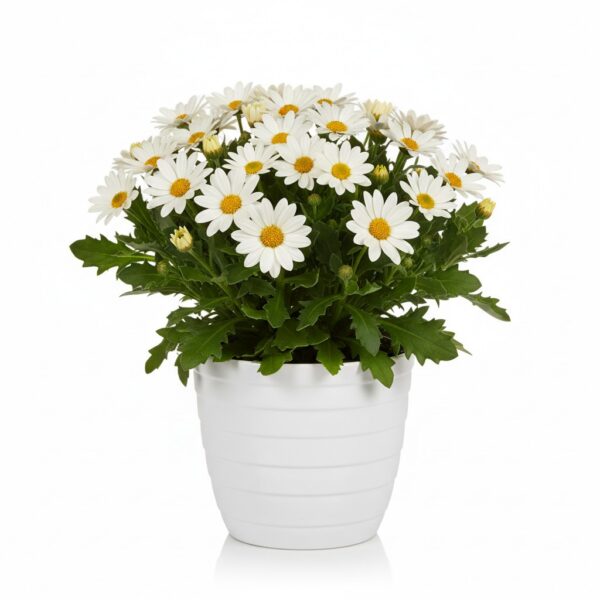
Cape Daisy
Osteospermum spp.
Cape Daisies are vibrant, daisy-like flowering plants native to South Africa. They are popular for their colorful blooms, which come in a wide range of shades including purple, pink, white, yellow, and orange. Typically grown as an annual in cooler climates and a perennial in warmer regions, they feature a bushy growth habit and can reach heights of 1-2 feet. While primarily outdoor plants, they are sometimes brought indoors for short periods to enjoy their flowers. However, they require very bright light to thrive indoors and often struggle to bloom.

Marjoram
Origanum majorana
Marjoram is a perennial herb, though often grown as an annual, reaching about 1-2 feet in height. It features small, oval, grayish-green leaves and tiny white or pale pink flowers that bloom in summer. It has a bushy growth habit. Primarily an outdoor plant, it is cultivated for its aromatic leaves, which are used as a culinary herb. While it can be grown indoors, it requires very specific conditions to thrive. People grow it for its flavor and fragrance.
Quick Plant Comparison
| Feature | Cape Daisy | Marjoram |
|---|---|---|
| Light | Full sun (at least 6 hours of direct sunlight daily) | Full sun (at least 6-8 hours of direct sunlight daily) |
| Watering | Every 2-5 days outdoors, depending on weather conditions. Indoors, less frequently. | Every 5-7 days outdoors, every 7-10 days indoors, depending on light and temperature |
| Humidity | 30-50% | 30-50% |
| Temperature | 15-24°C | 18-24°C |
| Care Level | Expert | Expert |
| Growth Rate | Moderate | Moderate |
| Max Height | 0.3-0.6 meters (1-2 feet) | 0.3-0.6 meters (1-2 feet) indoors |
| Pet Safety | ❌ Toxic To Pets | ❌ Toxic To Pets |
| Soil | Well-draining potting mix or garden soil | Well-draining soil, such as a mix of potting soil, perlite, and sand |
| Beginner Friendly | ❌ No | ❌ No |
| Weekly Maintenance | 10 minutes weekly | 15 minutes weekly |
🔬 Botanical Information — Comparing These Plants
Cape Daisy
| Scientific Name | Osteospermum spp. |
|---|---|
| Family | Asteraceae |
| Native To | South Africa |
| Also Known As | Cape Daisy, African Daisy, South African Daisy |
| Leaves | The leaves are typically lance-shaped or spoon-shaped, green in color, and slightly succulent. They are arranged alternately along the stems. |
| Flowers | They rarely flower indoors due to insufficient light. Outdoors, they produce daisy-like flowers with a central disc and colorful petals. The flowers come in a wide range of colors, including purple, pink, white, yellow, and orange. |
Marjoram
| Scientific Name | Origanum majorana |
|---|---|
| Family | Lamiaceae |
| Native To | Mediterranean region, North Africa, Western Asia |
| Also Known As | Sweet Marjoram, Knotted Marjoram |
| Leaves | The leaves are small, oval, and grayish-green in color. They have a slightly fuzzy texture and a distinct aroma when crushed. |
| Flowers | Marjoram produces small, white or pale pink flowers in the summer. It may flower indoors under ideal conditions, but it is not guaranteed. |
📏 Size & Growth — Plant Comparison
Cape Daisy
Marjoram
🌱 Propagation — Comparing Plant Growth
Cape Daisy
Methods: Stem cuttings, Seed
Difficulty: Easy
Tips: Take stem cuttings in spring or summer. Remove the lower leaves and place the cutting in water or moist potting mix until roots develop. For seeds, sow indoors 6-8 weeks before the last frost or directly outdoors after the last frost.
Marjoram
Methods: Stem cuttings, Seed, Division
Difficulty: Easy
Tips: For stem cuttings, take 4-6 inch cuttings from new growth, remove lower leaves, and place in water or moist soil. For seeds, sow indoors 6-8 weeks before the last frost. Division can be done in spring or fall.
✨ Benefits & Features — Comparing Plant Value
Cape Daisy
Cape Daisies are known for their vibrant, daisy-like flowers that come in a wide range of colors. They also have the unique ability to close their petals at night or during cloudy weather.
- ✓ Adds vibrant color to gardens
- ✓ Attracts pollinators
- ✓ Relatively low-maintenance outdoors
- ✓ Provides long-lasting blooms
- ✓ Can be used in cut flower arrangements
- ⚠️ Toxic to pets
Marjoram
Marjoram is known for its sweet, floral aroma and flavor, which is milder than oregano. It is a versatile herb used in a variety of culinary dishes.
- ✓ Fresh herbs for cooking
- ✓ Aromatic fragrance
- ✓ Can be used in teas and aromatherapy
- ✓ Attractive foliage
- ✓ Can be grown in containers
- ⚠️ Toxic to pets
📅 Maintenance Schedule — Plant Care Comparison
Cape Daisy
Marjoram
🌞 Light Requirements
Cape Daisy
Full sun (at least 6 hours of direct sunlight daily)
Low light tolerant: ❌ No
Marjoram
Full sun (at least 6-8 hours of direct sunlight daily)
Low light tolerant: ❌ No
💧 Watering Needs
Cape Daisy
Water thoroughly when the top inch of soil feels dry. Avoid overwatering, which can lead to root rot. Allow excess water to drain away. Signs of overwatering include yellowing leaves and wilting, even with moist soil. Underwatering is indicated by dry, crispy leaves and drooping.
Marjoram
Water thoroughly when the top inch of soil feels dry to the touch. Avoid overwatering, as this can lead to root rot. Allow excess water to drain away. Signs of overwatering include yellowing leaves and a musty smell. Underwatered plants will have wilting leaves.
🌡️ Temperature & Humidity
Cape Daisy
Temperature: 15-24°C
Humidity: 30-50%
Marjoram
Temperature: 18-24°C
Humidity: 30-50%
🤔 Which Plant Is Right For You?
Cape Daisy
Osteospermum spp.Gardeners looking for vibrant, low-maintenance flowering plants for sunny outdoor locations.
✅ Choose This Plant If...
- You want a burst of color in your garden.
- You want to attract pollinators to your yard.
- You live in a warm climate where they can be grown as perennials.
- You have a very sunny outdoor space.
- You enjoy deadheading flowers to encourage more blooms.
❌ Skip This Plant If...
- You have pets that might ingest the plant.
- You don't have a sunny outdoor space.
- You are looking for a low-maintenance indoor plant.
Marjoram
Origanum majoranaExperienced gardeners who want to grow herbs indoors and can provide the necessary light and care.
✅ Choose This Plant If...
- You want to grow your own culinary herbs indoors
- You have a very sunny location or can provide supplemental lighting
- You enjoy the aroma of marjoram
- You are an experienced gardener looking for a challenge
- You want to use fresh marjoram in your cooking.
❌ Skip This Plant If...
- You have pets that might ingest the plant
- You cannot provide adequate sunlight or supplemental lighting
- You are a beginner gardener
- You tend to overwater plants.
🎯 Quick Verdict
⚡ Key Differences Between These Plants
Cape Daisy needs full sun (at least 6 hours of direct sunlight daily), while Marjoram prefers full sun (at least 6-8 hours of direct sunlight daily).
💡 Pro Tips For Comparing These Plants
Cape Daisy Care Tips
Cape Daisies are primarily outdoor plants that require full sun and well-draining soil. They are relatively easy to care for outdoors, but challenging to grow indoors due to their high light requirements. Indoor plants often become leggy and fail to bloom without sufficient sunlight.
- Provide at least 6 hours of direct sunlight daily.
- Deadhead spent flowers regularly to encourage more blooms.
- Water thoroughly when the top inch of soil feels dry.
- Fertilize every 2-4 weeks during the growing season.
- Protect from frost in colder climates.
Marjoram Care Tips
Marjoram is primarily an outdoor plant that requires full sun and well-draining soil. Growing it indoors is challenging due to its high light requirements. Supplemental lighting is often necessary. Overwatering is a common problem indoors. It is also toxic to pets.
- Provide at least 6-8 hours of direct sunlight or strong supplemental lighting
- Use well-draining soil to prevent root rot
- Water only when the top inch of soil is dry
- Pinch back stems regularly to encourage bushier growth
- Fertilize every 4-6 weeks during the growing season.
⚠️ Common Problems & Solutions — Plant Care Comparison
Cape Daisy
Marjoram
❓ Frequently Asked Questions — Comparing These Plants
Cape Daisy
What are the light requirements for Cape Daisy?
Cape Daisies require ample sunlight to thrive and produce abundant blooms. Ideally, they should receive at least 6 hours of direct sunlight each day. Indoors, place them near a south-facing window where they can soak up the most light. If natural light is insufficient, consider supplementing with grow lights. Insufficient light can lead to leggy growth and reduced flowering. Rotate the plant regularly to ensure even exposure to light on all sides. During the winter months, when sunlight is limited, providing supplemental lighting becomes even more crucial. The intensity of the light directly impacts the vibrancy and abundance of the flowers.
How do I care for Cape Daisy?
Cape Daisies thrive in full sun, requiring at least 6 hours of direct sunlight daily. Water thoroughly when the top inch of soil feels dry, ensuring good drainage to prevent root rot. Fertilize every 2-4 weeks during the growing season (spring and summer) with a balanced liquid fertilizer, diluted to half strength. Prune regularly to encourage bushier growth and more blooms, removing spent flowers to promote further flowering. Maintain a temperature between 60-75°F (15-24°C). Provide well-draining soil, such as a mix of potting soil, perlite, and vermiculite. Repot in spring if the plant becomes root-bound. Watch out for pests like aphids and whiteflies and treat promptly. Ensure good air circulation to prevent fungal diseases.
How do I propagate Cape Daisy?
Cape Daisies can be propagated through stem cuttings, division, and sometimes from seed, though cuttings are most common.
Marjoram
What are the light requirements for Marjoram?
Marjoram requires ample sunlight to thrive and produce its flavorful leaves and flowers. Aim for at least 6 hours of direct sunlight per day. Indoors, a south-facing window is ideal. If natural light is insufficient, supplement with a grow light for 12-14 hours daily. Insufficient light can result in leggy growth, pale leaves, and reduced flowering.
How do I care for Marjoram?
Marjoram thrives with consistent care. Provide at least 6 hours of direct sunlight daily, ideally in a south-facing window indoors or a sunny spot outdoors. Water thoroughly when the top inch of soil feels dry, ensuring good drainage to prevent root rot. Fertilize monthly during the growing season (spring and summer) with a balanced liquid fertilizer diluted to half strength, or a fertilizer designed to promote blooming.
How do I propagate Marjoram?
Marjoram can be easily propagated through stem cuttings or division. For stem cuttings, take a 4-6 inch cutting from a healthy stem, remove the lower leaves, and place the cutting in water or directly into moist potting mix. Keep the cutting in a warm, humid environment until roots develop, usually within 2-3 weeks.
Last updated: May 10, 2026 — Plant care data reviewed and verified by our editorial team.