
Cactus vs German Iris Plant Comparison
Compare these two plants side by side — care needs, key differences, and which is right for your home.

Cactus
Cactaceae (family)
Cacti are a diverse family of succulent plants adapted to arid environments. They are characterized by their fleshy stems, which store water, and the presence of areoles, specialized structures from which spines, flowers, and new growth emerge. Cacti exhibit a wide range of shapes and sizes, from small globular forms to towering columnar structures. While some species are grown indoors for their unique appearance and low maintenance requirements, most thrive outdoors in sunny, dry conditions. People grow cacti for their ornamental value, drought tolerance, and unique adaptations.
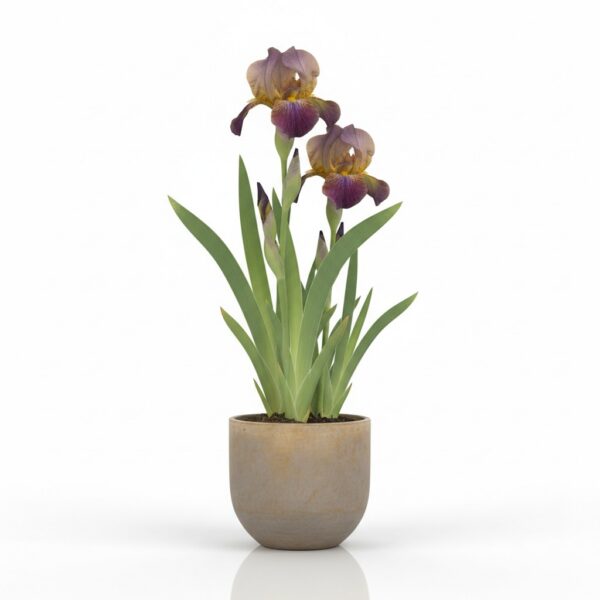
German Iris
Iris germanica
The German Iris is a rhizomatous perennial known for its striking, large flowers and sword-like foliage. It typically grows to a height of 60-90 cm. The flowers come in a wide array of colors, often with intricate patterns and 'beards' on the falls (lower petals). It is primarily an outdoor plant, prized for its ornamental value in gardens and landscapes. People grow it for its beautiful blooms, which add color and elegance to outdoor spaces.
Quick Plant Comparison
| Feature | Cactus | German Iris |
|---|---|---|
| Light | Full sun to bright indirect light. Many cacti require at least 6 hours of direct sunlight per day to thrive. | Full sun (at least 6 hours of direct sunlight per day) |
| Watering | Every 2-4 weeks, depending on the environment and pot size | Every 1-2 weeks, depending on weather and soil drainage |
| Humidity | 10-40% | 40-60% |
| Temperature | 18-30°C | 10-27°C |
| Care Level | Expert | Expert |
| Growth Rate | Slow To Moderate, Depending On The Species | Moderate |
| Max Height | Variable, depending on species. Indoors, typically 15cm to 1m. | N/A (Outdoor plant) |
| Pet Safety | ❌ Toxic To Pets | ❌ Toxic To Pets |
| Soil | Well-draining cactus mix (a blend of potting soil, sand, and perlite or pumice) | Well-draining soil, slightly acidic to neutral (pH 6.0-7.0). A mix of garden soil, sand, and compost is suitable. |
| Beginner Friendly | ❌ No | ❌ No |
| Weekly Maintenance | 5-10 minutes weekly | 15 minutes weekly during growing season |
🔬 Botanical Information — Comparing These Plants
Cactus
| Scientific Name | Cactaceae (family) |
|---|---|
| Family | Cactaceae |
| Native To | Americas (primarily arid and semi-arid regions) |
| Also Known As | Cactus, Cacti |
| Leaves | Cacti typically lack true leaves. The spines are modified leaves that protect the plant from herbivores and reduce water loss. Some species have small, ephemeral leaves that appear briefly after rainfall. |
| Flowers | Some cacti flower indoors with proper care and sufficient sunlight. Flowers vary greatly in size, shape, and color, depending on the species. Many cactus flowers are short-lived, lasting only a day or two. |
German Iris
| Scientific Name | Iris germanica |
|---|---|
| Family | Iridaceae |
| Native To | Hybrid origin, derived from various European and Middle Eastern Iris species |
| Also Known As | Bearded Iris, Flag Iris |
| Leaves | Sword-shaped, upright leaves that are typically bluish-green in color. They are smooth and slightly waxy in texture, ranging from 30-90 cm in length and 2-4 cm in width. |
| Flowers | Rarely flowers indoors. Outdoors, produces large, showy flowers in a wide range of colors, including purple, blue, white, yellow, pink, and orange. The flowers have three upright petals (standards) and three drooping petals (falls), with a fuzzy 'beard' on the falls. |
📏 Size & Growth — Plant Comparison
Cactus
German Iris
🌱 Propagation — Comparing Plant Growth
Cactus
Methods: Stem cuttings, offsets, seed
Difficulty: Moderate
Tips: Allow cuttings to callous over for several days before planting in well-draining soil. Use rooting hormone for better success. For offsets, carefully detach from the mother plant and allow to callous before planting.
German Iris
Methods: Rhizome division, Seed
Difficulty: Easy
Tips: Divide rhizomes in late summer or early fall after flowering. Ensure each division has healthy roots and foliage. Plant shallowly with the top of the rhizome exposed.
✨ Benefits & Features — Comparing Plant Value
Cactus
Cacti are succulents adapted to arid environments, characterized by their spines and water-storing capabilities. Their areoles are unique structures from which spines, flowers, and new growth emerge. The diversity in shape and size within the Cactaceae family is remarkable.
- ✓ Drought-tolerant and requires minimal watering.
- ✓ Adds unique texture and visual interest to indoor spaces.
- ✓ Can live for many years with proper care.
- ✓ Some species produce beautiful and fragrant flowers.
- ✓ Relatively pest-resistant.
- ⚠️ Toxic to pets
German Iris
The distinctive 'beard' on the falls of the flower is a key characteristic. The wide range of available flower colors and patterns makes it a highly sought-after ornamental plant. It is relatively drought-tolerant once established.
- ✓ Adds vibrant color to the garden
- ✓ Attracts pollinators like bees and butterflies
- ✓ Drought-tolerant once established
- ✓ Relatively low-maintenance once established
- ✓ Can be easily propagated to expand your garden
- ⚠️ Toxic to pets
📅 Maintenance Schedule — Plant Care Comparison
Cactus
German Iris
🌞 Light Requirements
Cactus
Full sun to bright indirect light. Many cacti require at least 6 hours of direct sunlight per day to thrive.
Low light tolerant: ❌ No
German Iris
Full sun (at least 6 hours of direct sunlight per day)
Low light tolerant: ❌ No
💧 Watering Needs
Cactus
Water thoroughly when the soil is completely dry. Overwatering is a common cause of cactus death. Signs of overwatering include soft, mushy spots on the stem. Signs of underwatering include shriveling or wrinkling of the stem.
German Iris
Water deeply when the top inch of soil feels dry. Avoid overhead watering to prevent fungal diseases. Overwatering can lead to rhizome rot, indicated by soft, mushy rhizomes and yellowing leaves. Underwatering results in wilting and browning leaf tips.
🌡️ Temperature & Humidity
Cactus
Temperature: 18-30°C
Humidity: 10-40%
German Iris
Temperature: 10-27°C
Humidity: 40-60%
🤔 Which Plant Is Right For You?
Cactus
Cactaceae (family)Experienced plant owners who can provide the necessary sunlight and proper watering techniques.
✅ Choose This Plant If...
- You live in a sunny climate and want a low-water plant.
- You are an experienced plant owner and understand the specific needs of cacti.
- You appreciate the unique shapes and textures of cacti.
- You want a plant that can tolerate neglect.
- You have a bright, sunny windowsill or greenhouse.
❌ Skip This Plant If...
- You have pets or small children who may be injured by the spines.
- You tend to overwater plants.
- You cannot provide adequate sunlight.
- You are a beginner plant owner.
- You want a plant that grows quickly.
German Iris
Iris germanicaGardeners looking to add vibrant and showy flowers to their sunny garden beds.
✅ Choose This Plant If...
- You want a low-maintenance perennial for sunny locations.
- You desire a wide variety of flower colors and patterns.
- You want to attract pollinators to your garden.
- You are looking for a drought-tolerant plant once established.
- You want a plant that can be easily propagated by rhizome division.
❌ Skip This Plant If...
- You have limited sunlight in your garden.
- You are looking for an easy-to-grow indoor plant.
- You have pets that may ingest the plant.
- You live in an area with poorly draining soil.
🎯 Quick Verdict
⚡ Key Differences Between These Plants
Cactus has slow to moderate, depending on the species growth, while German Iris grows moderate.
💡 Pro Tips For Comparing These Plants
Cactus Care Tips
Cacti are generally low-maintenance plants, but they require specific conditions to thrive indoors. Adequate sunlight and well-draining soil are crucial. Overwatering is a common problem. Many cacti are best suited for outdoor environments with ample sunlight.
- Use a well-draining cactus mix to prevent root rot.
- Water thoroughly only when the soil is completely dry.
- Provide at least 6 hours of direct sunlight per day.
- Fertilize during the growing season with a cactus-specific fertilizer.
- Protect from frost and freezing temperatures.
German Iris Care Tips
German Iris is primarily an outdoor plant and requires full sun and well-draining soil. Growing it indoors is extremely challenging due to its high light requirements and dormancy needs. It is prone to rhizome rot if overwatered. Indoor cultivation is not recommended.
- Plant rhizomes shallowly with the top exposed to prevent rot.
- Provide full sun for optimal flowering.
- Water deeply but infrequently, allowing the soil to dry out between waterings.
- Divide rhizomes every 3-5 years to prevent overcrowding and maintain vigor.
- Remove spent flower stalks to encourage further blooming.
⚠️ Common Problems & Solutions — Plant Care Comparison
Cactus
German Iris
❓ Frequently Asked Questions — Comparing These Plants
Cactus
What are the light requirements for Cactus?
Cacti need abundant sunlight to thrive. Aim for at least six hours of direct sunlight per day. A south-facing window is ideal, but east or west-facing windows can also work if supplemented with artificial light. Insufficient light can lead to etiolation, where the cactus stretches and becomes pale. Rotate your cactus regularly to ensure even growth on all sides. During the summer months, be cautious about intense afternoon sun, which can cause sunburn. Gradually acclimate your cactus to brighter light conditions to prevent damage. Observe your cactus for signs of insufficient light, such as elongated growth or a loss of color.
How do I care for Cactus?
Cacti thrive with bright light, well-draining soil, and infrequent watering. Provide at least 6 hours of direct sunlight daily, ideally from a south-facing window. Use a cactus potting mix or a blend of regular potting soil with perlite and sand to ensure good drainage. Water thoroughly only when the soil is completely dry to the touch, typically every 2-4 weeks during the growing season (spring/summer) and even less in the winter. Avoid overwatering, as it can lead to root rot. Fertilize sparingly during the growing season with a diluted cactus fertilizer. Maintain room temperatures between 65-80°F (18-27°C). Ensure good air circulation around the plant. Repot only when the cactus becomes root-bound, usually every 2-3 years. Protect from frost and freezing temperatures.
How do I propagate Cactus?
Cacti can be propagated through offsets, seeds, or grafting. Offsets, or pups, are small cacti that grow around the base of the parent plant. Carefully detach the offset with a clean knife, allowing the cut end to callous over for several days before planting in well-draining soil. Keep the soil slightly moist until roots develop. Seed propagation is more time-consuming. Sow seeds in a sterile cactus mix and keep them consistently moist and warm. Grafting involves attaching a piece of one cactus (the scion) to the stem of another (the rootstock). This technique is used to propagate cacti that are difficult to root or to create unusual combinations. Ensure both plants are compatible and make clean cuts before joining them together. Secure the graft with rubber bands until it heals.
German Iris
What are the light requirements for German Iris?
German Irises require at least six hours of direct sunlight per day to thrive and bloom prolifically. Insufficient sunlight will result in weak growth, fewer flowers, and an increased susceptibility to diseases. Choose a planting location that receives full sun throughout the growing season. In hotter climates, some afternoon shade may be beneficial to prevent scorching of the foliage. If growing in containers, rotate the plants regularly to ensure even light exposure. Observe the plants closely and adjust their location as needed to optimize light conditions. Monitor leaf color; pale or yellowing leaves can indicate insufficient light. Supplemental lighting may be necessary in areas with limited sunlight.
How do I care for German Iris?
German Irises thrive in full sun and well-draining soil. Plant rhizomes shallowly, with the top exposed to sunlight to prevent rot. Water deeply but infrequently, allowing the soil to dry out between waterings. Fertilize in early spring and again after blooming with a low-nitrogen fertilizer to promote healthy growth and abundant blooms. Remove spent flower stalks to encourage reblooming and prevent seed formation. Divide rhizomes every 3-5 years to prevent overcrowding and rejuvenate the plants. Provide good air circulation to minimize the risk of fungal diseases. Monitor for pests such as iris borers and treat promptly. Mulch lightly around the base of the plants to suppress weeds and retain moisture. Ensure proper drainage to prevent root rot. Prune away any dead or damaged foliage regularly. Protect from excessive winter moisture in colder climates.
How do I propagate German Iris?
German Irises are easily propagated by dividing the rhizomes. Dig up the rhizomes in late summer or early fall, after blooming. Carefully separate the rhizomes, ensuring that each division has at least one fan of leaves and healthy roots. Trim the leaves back to about 6 inches. Replant the divisions in well-draining soil, spacing them about 12-24 inches apart. Water thoroughly after planting and keep the soil moist until the plants are established. Stem cuttings are not typically used for iris propagation, and keikis (small plantlets that form on the flower stalks) are not common in German Irises.
Last updated: April 27, 2026 — Plant care data reviewed and verified by our editorial team.