
Cabbage Palm vs Queen Sago Plant Comparison
Compare these two plants side by side — care needs, key differences, and which is right for your home.
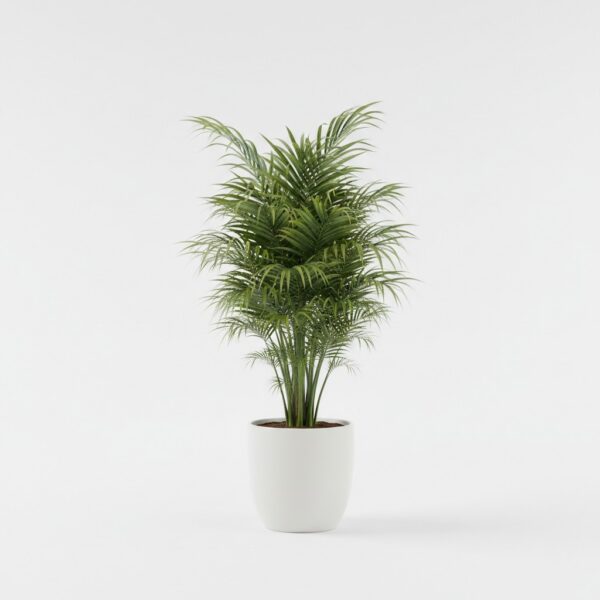
Cabbage Palm
Sabal palmetto
The Cabbage Palm (Sabal palmetto) is a slow-growing, single-trunked palm tree native to the southeastern United States. It features a stout trunk topped with a crown of large, fan-shaped (palmate) leaves. It's a very large plant, reaching heights of 50-80 feet in its native habitat. While it can be grown in containers, it is primarily an outdoor plant and not well-suited for indoor environments due to its size and high light requirements. People grow it for its tropical appearance, drought tolerance, and historical significance as the state tree of Florida and South Carolina.

Queen Sago
Cycas revoluta
Despite its common name, the Queen Sago is not a palm but a cycad, an ancient group of plants that predate flowering plants. It features a stout, brown trunk topped with a crown of stiff, feather-like leaves. It is a slow-growing plant, typically grown outdoors in warm climates as an ornamental plant. While it can be grown indoors, it requires very bright light and careful attention to watering and humidity. People grow it for its unique, prehistoric appearance and architectural form.
Quick Plant Comparison
| Feature | Cabbage Palm | Queen Sago |
|---|---|---|
| Light | Full sun (at least 6-8 hours of direct sunlight daily) | Full sun to partial shade outdoors; very bright, direct light indoors (at least 6 hours of direct sunlight). |
| Watering | Every 1-2 weeks, depending on weather and soil drainage | Every 2-4 weeks, depending on environmental conditions and pot size. |
| Humidity | 40-60% | 40-60% |
| Temperature | 18-32°C | 18-27°C |
| Care Level | Expert | Expert |
| Growth Rate | Slow | Slow |
| Max Height | Not suitable for indoor growing; outdoors 15-25 meters | Indoors: 0.5-1 meter; Outdoors: up to 3 meters |
| Pet Safety | ✅ Safe | ❌ Toxic To Pets |
| Soil | Well-draining sandy loam | Well-draining potting mix, such as a cactus or succulent mix amended with perlite or sand. |
| Beginner Friendly | ❌ No | ❌ No |
| Weekly Maintenance | 15 minutes weekly (mostly for watering and removing dead fronds) | 10 minutes weekly |
🔬 Botanical Information — Comparing These Plants
Cabbage Palm
| Scientific Name | Sabal palmetto |
|---|---|
| Family | Arecaceae |
| Native To | Southeastern United States (North Carolina to Florida and the Bahamas) |
| Also Known As | Cabbage Palm, Sabal Palm, Palmetto Palm |
| Leaves | Large, fan-shaped (palmate) leaves that are typically 1-2 meters wide. The leaves are green and have a slightly waxy texture. The leaf segments are divided to about halfway to the base of the leaf. |
| Flowers | Produces small, creamy-white flowers in large, branched inflorescences (flower clusters) during the spring and summer. Flowering is unlikely indoors. |
Queen Sago
| Scientific Name | Cycas revoluta |
|---|---|
| Family | Cycadaceae |
| Native To | Southern Japan and the Ryukyu Islands |
| Also Known As | Sago Palm, King Sago Palm, Japanese Sago Palm |
| Leaves | The leaves are pinnately compound, meaning they are feather-like with many leaflets arranged along a central stem. The leaflets are stiff, linear, and dark green. New leaves are often lighter green and mature to a darker shade. |
| Flowers | Queen Sago rarely flowers indoors. Outdoors, mature plants produce cones (male or female depending on the plant's sex) in the center of the crown. The cones are large and can be quite striking. |
📏 Size & Growth — Plant Comparison
Cabbage Palm
Queen Sago
🌱 Propagation — Comparing Plant Growth
Cabbage Palm
Methods: Seed
Difficulty: Difficult
Tips: Soak seeds in warm water for 24 hours before planting. Germination can be slow and erratic.
Queen Sago
Methods: Seeds, removal of offsets (pups)
Difficulty: Difficult
Tips: Propagating from seed is a slow and challenging process. Offsets can be removed from the base of the plant and potted separately, but they require time and proper conditions to root.
✨ Benefits & Features — Comparing Plant Value
Cabbage Palm
The Cabbage Palm is the state tree of both Florida and South Carolina, representing the resilience and natural beauty of the southeastern United States. Its edible heart, though harvesting it kills the tree, historically provided sustenance to indigenous peoples and early settlers.
- ✓ Provides shade
- ✓ Adds a tropical aesthetic to the landscape
- ✓ Drought-tolerant and low-maintenance once established
- ✓ Provides habitat for birds and other wildlife
- ✓ Relatively pest and disease resistant.
- 🐾 Pet Safe
Queen Sago
The Queen Sago is a cycad, not a palm, and is one of the oldest seed plants on Earth. Its stiff, feather-like leaves and stout trunk give it a distinctive, prehistoric appearance. It is dioecious, meaning male and female cones are produced on separate plants.
- ✓ Adds a unique, architectural element to your space.
- ✓ Provides a touch of the prehistoric.
- ✓ Requires minimal pruning.
- ✓ Drought-tolerant once established.
- ✓ Can be a long-lived plant with proper care.
- ⚠️ Toxic to pets
📅 Maintenance Schedule — Plant Care Comparison
Cabbage Palm
Queen Sago
🌞 Light Requirements
Cabbage Palm
Full sun (at least 6-8 hours of direct sunlight daily)
Low light tolerant: ❌ No
Queen Sago
Full sun to partial shade outdoors; very bright, direct light indoors (at least 6 hours of direct sunlight).
Low light tolerant: ❌ No
💧 Watering Needs
Cabbage Palm
Water deeply when the topsoil feels dry to the touch. Established palms are drought-tolerant, but regular watering promotes healthy growth, especially during hot weather. Overwatering can lead to root rot, so ensure good drainage. Signs of underwatering include drooping or browning leaves. Overwatering can cause yellowing leaves and a mushy trunk base.
Queen Sago
Allow the soil to dry out completely between waterings. Overwatering can lead to root rot. Water thoroughly when the soil is dry to the touch, ensuring excess water drains away. Reduce watering frequency during the dormant winter months. Signs of overwatering include yellowing leaves and a soft trunk. Underwatering is indicated by drooping or browning leaf tips.
🌡️ Temperature & Humidity
Cabbage Palm
Temperature: 18-32°C
Humidity: 40-60%
Queen Sago
Temperature: 18-27°C
Humidity: 40-60%
🤔 Which Plant Is Right For You?
Cabbage Palm
Sabal palmettoOutdoor landscapes in warm climates with plenty of sunlight.
✅ Choose This Plant If...
- You live in a warm climate with plenty of sunshine.
- You want a low-maintenance, drought-tolerant tree.
- You want to add a tropical look to your landscape.
- You appreciate native plants.
- You have ample space for a large tree.
❌ Skip This Plant If...
- You live in a cold climate with frequent frosts.
- You have limited space.
- You are looking for an indoor plant.
- You don't have access to full sun.
- You don't want a slow-growing tree.
Queen Sago
Cycas revolutaExperienced plant owners who can provide bright light and careful watering, and who do not have pets or small children.
✅ Choose This Plant If...
- You want a unique, prehistoric-looking plant.
- You have a very bright, sunny location.
- You are an experienced plant owner.
- You want a slow-growing plant that doesn't require frequent repotting.
- You appreciate the architectural form of cycads.
❌ Skip This Plant If...
- You have pets or small children due to its high toxicity.
- You cannot provide very bright, direct sunlight.
- You tend to overwater plants.
- You are a beginner plant owner.
🎯 Quick Verdict
⚡ Key Differences Between These Plants
Both plants have similar basic care requirements but differ in appearance and specific needs. Compare plants carefully to find the best fit for your space.
💡 Pro Tips For Comparing These Plants
Cabbage Palm Care Tips
Cabbage Palms are primarily outdoor plants and require full sun and well-draining soil. They are not suitable for indoor growing due to their size and light requirements. Indoor attempts will likely result in a weak, etiolated plant.
- Plant in well-draining soil to prevent root rot.
- Fertilize regularly with a palm fertilizer to prevent nutrient deficiencies.
- Water deeply but infrequently, allowing the soil to dry out between waterings.
- Protect young palms from frost.
- Prune only dead or damaged fronds to maintain a healthy appearance.
Queen Sago Care Tips
Queen Sago is primarily an outdoor plant that requires very bright light to thrive indoors. It is slow-growing and susceptible to root rot if overwatered. Toxicity to pets is a major concern. Requires careful monitoring of light, water, and humidity to maintain health indoors.
- Provide very bright, direct sunlight for at least 6 hours per day.
- Allow the soil to dry out completely between waterings to prevent root rot.
- Fertilize sparingly with a slow-release fertilizer.
- Monitor for scale insects and treat promptly.
- Wear gloves when handling the plant to avoid skin irritation.
⚠️ Common Problems & Solutions — Plant Care Comparison
Cabbage Palm
Queen Sago
❓ Frequently Asked Questions — Comparing These Plants
Cabbage Palm
What are the light requirements for Cabbage Palm?
Cabbage Palms require bright, indirect light for optimal growth. While they can tolerate some direct sunlight, especially mature plants acclimated to it, prolonged exposure to intense sun can scorch their fronds. An east-facing window is ideal, providing gentle morning sun. A south or west-facing window can work, but be sure to filter the light with a sheer curtain to prevent leaf burn.
How do I care for Cabbage Palm?
Cabbage Palms thrive in bright, indirect light, although they can tolerate some direct sunlight, especially when mature. Water thoroughly when the top inch of soil feels dry, ensuring good drainage to prevent root rot. Maintain consistent moisture levels, especially during the growing season (spring and summer). Fertilize monthly during the growing season with a balanced liquid fertilizer diluted to half strength.
How do I propagate Cabbage Palm?
Cabbage Palms can be propagated by seeds or by division of clumping varieties. To propagate by seeds, soak the seeds in warm water for 24 hours before planting them in a well-draining potting mix. Keep the soil consistently moist and provide warmth. Germination can take several weeks or months.
Queen Sago
What are the light requirements for Queen Sago?
Queen Sago prefers bright, indirect light. An east-facing window is ideal, providing gentle morning sun. West-facing windows can also work, but shield the plant from the intense afternoon sun with a sheer curtain. Insufficient light can result in slow growth and yellowing fronds. Rotate the plant periodically to ensure even light exposure on all sides. Outdoor placement should be in a partially shaded location, especially during the hottest part of the day. Avoid placing the plant in direct, intense sunlight for extended periods, as this can cause leaf burn. Monitor the plant’s foliage for signs of stress, such as pale or scorched leaves, and adjust its location accordingly.
How do I care for Queen Sago?
Queen Sago thrives with consistent care. Provide bright, indirect light; direct sunlight can scorch its fronds. Water thoroughly when the top inch of soil feels dry, ensuring good drainage to prevent root rot. Maintain moderate humidity, especially in drier climates, by misting the fronds regularly or using a humidifier. Fertilize sparingly during the growing season (spring and summer) with a balanced, slow-release fertilizer. Repot every 2-3 years as needed, using a well-draining potting mix formulated for palms or cycads. Protect from frost and extreme temperatures, as these can damage the plant. Regularly inspect for pests such as scale or spider mites and treat promptly. Prune away any dead or damaged fronds to maintain a healthy appearance.
How do I propagate Queen Sago?
Queen Sago can be propagated from seeds or by division of offsets (pups) that grow around the base of the plant. For seed propagation, soak the seeds in warm water for 24-48 hours, then plant them in a well-draining potting mix. Keep the soil consistently moist and provide warm temperatures. Germination can take several months. For division, carefully separate the offsets from the main plant, ensuring each offset has its own roots. Plant the offsets in a well-draining potting mix and keep the soil consistently moist until established. Propagation is a slow process, and success rates can vary. Patience is key.
Last updated: April 29, 2026 — Plant care data reviewed and verified by our editorial team.